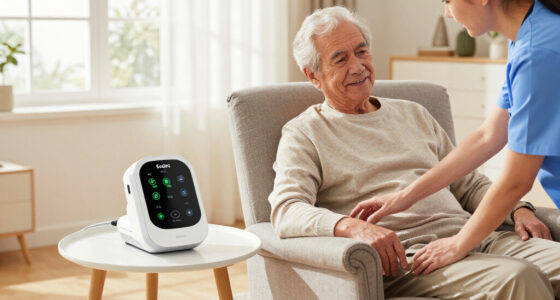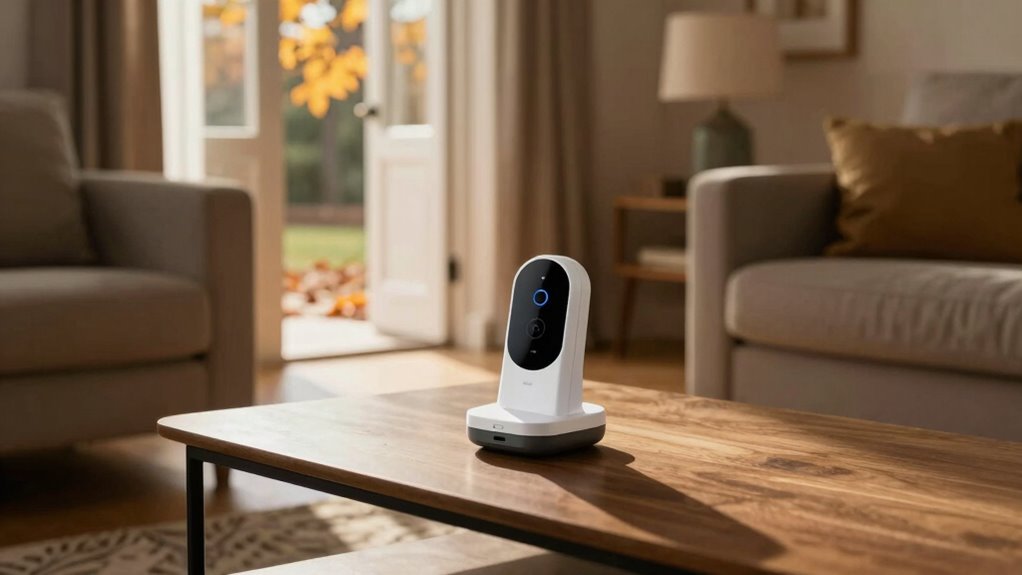

Fall detection technology enhances safety for seniors and those with mobility challenges by using wearable devices that monitor movement. It relies on sensors like accelerometers and gyroscopes to identify falls, yet false alarms can arise from inaccurate calibration or user behavior. Additionally, some falls might go undetected due to sensor limitations or environmental factors. Improving reliability involves better training and integrating advanced sensors. If you’re curious about the future of this technology, there’s much more to explore.

Turn quiet afternoons into listening time
- Thousands of audiobooks, podcasts and originals
- Listen on your phone, tablet or Echo — also offline
- Cancel anytime
Key Takeaways
- Fall detection technology relies on sensors like accelerometers and gyroscopes to monitor movement and identify potential falls.
- Machine learning algorithms analyze user behavior patterns, improving detection accuracy over time.
- False alarms can occur due to inaccurate sensor calibration or environmental factors, confusing normal movements with falls.
- Undetected falls may result from sensor limitations, user behavior variability, and inadequate integration into daily life.
- Continuous risk assessments and user training can enhance the reliability and effectiveness of fall detection systems.
As an affiliate, we earn on qualifying purchases.
Understanding the Basics of Fall Detection Technology
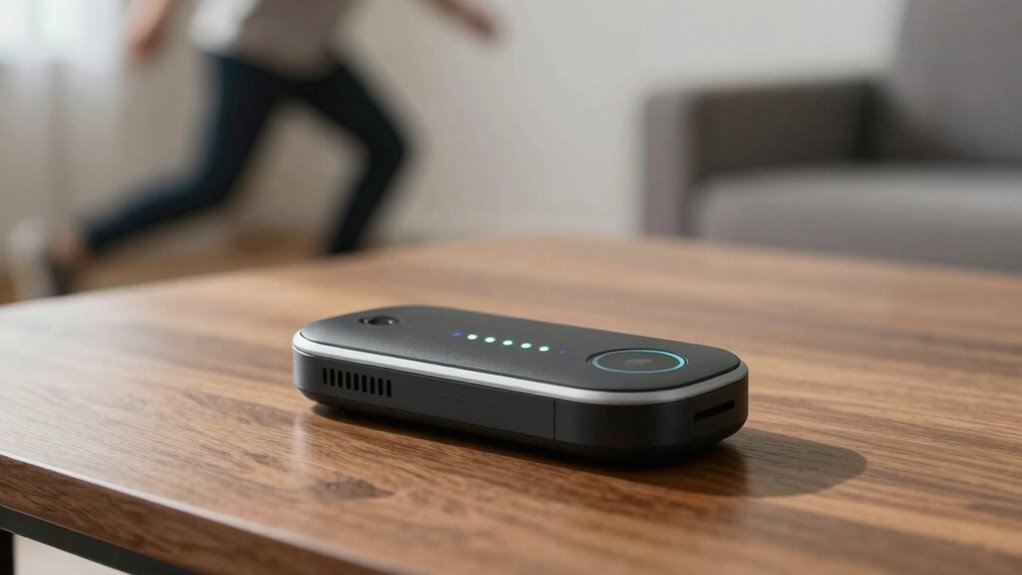
Fall detection technology is an essential tool designed to enhance safety, especially for seniors and those with mobility challenges. These systems primarily rely on wearable devices that monitor movement and detect falls in real time. When you wear one of these devices, it tracks your body’s motion and can identify sudden changes, like a fall. The user interface is designed to be intuitive, allowing you to easily access alerts and settings. If a fall is detected, the device can automatically notify emergency services or designated contacts, ensuring you receive help promptly. Understanding these basics helps you appreciate how fall detection technology can provide peace of mind, knowing that assistance is just a heartbeat away.
As an affiliate, we earn on qualifying purchases.
Key Components of Fall Detection Systems
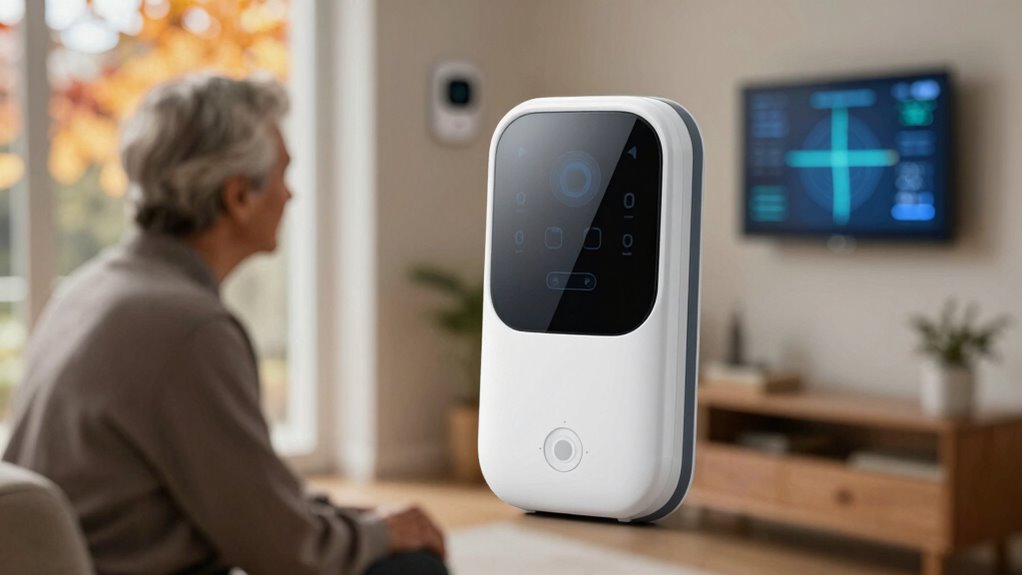
When it comes to fall detection systems, understanding the key components is essential. You’ll find that sensor technology and data processing methods play a crucial role in ensuring accurate alerts. Let’s explore how these elements work together to keep you safe.
Sensor Technology Overview
While ensuring safety is a top priority, understanding the key components of fall detection systems can greatly enhance their effectiveness. The main sensor types used in these systems include accelerometers, gyroscopes, and pressure sensors. Accelerometers detect changes in motion, while gyroscopes measure orientation, helping to identify falls accurately. Pressure sensors can also be integrated into wearable devices or mats to provide additional data.
In various application scenarios, these sensors work together to provide real-time monitoring. For instance, in a home setting, a wearable device might alert caregivers when a fall is detected. Understanding these sensor types and their roles in different situations helps you appreciate how fall detection systems function and what factors can influence their reliability.
Data Processing Methods
To effectively detect falls, data processing methods play an essential role in interpreting the sensor information collected. You’ll find that data algorithms and processing techniques are vital for turning raw data into actionable insights. Sensor fusion combines data from multiple sources, enhancing accuracy. Machine learning allows systems to improve over time by recognizing patterns in user behavior. Real-time analysis guarantees that responses are immediate, while data analytics helps refine detection capabilities. Signal processing techniques, including feature extraction, filter out irrelevant noise, enhancing clarity. Additionally, noise reduction strategies help minimize false alarms, making certain that the system focuses on genuine falls. Together, these components create a robust framework for effective fall detection, greatly improving safety and response times.
fall detection sensor accelerometer gyroscope
As an affiliate, we earn on qualifying purchases.
As an affiliate, we earn on qualifying purchases.
Why Fall Detection Systems Trigger False Alarms?
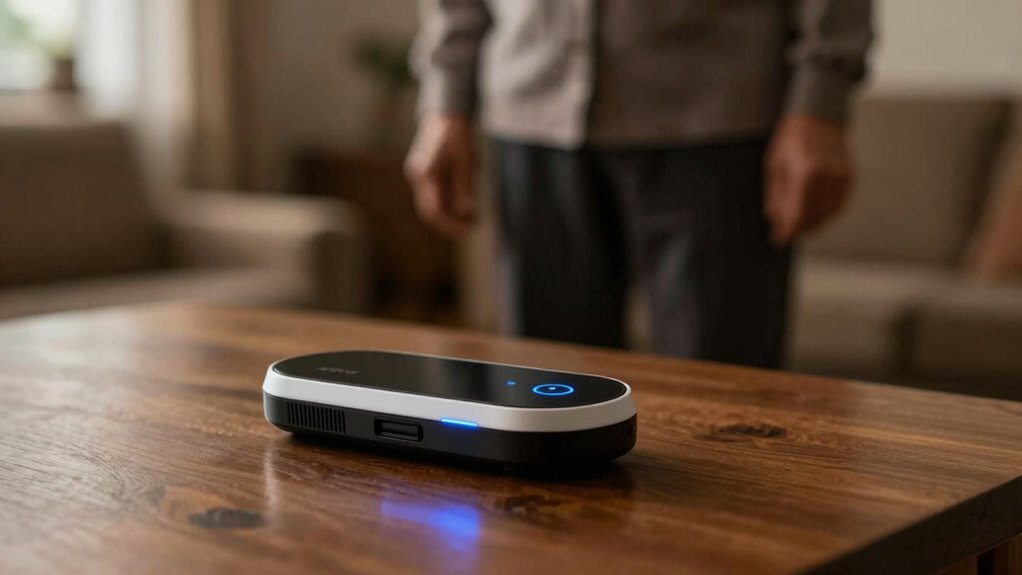
False alarms in fall detection systems can be frustrating, especially since they often disrupt daily routines and erode trust in the technology. Several factors contribute to these inaccuracies. If sensor calibration isn’t precise, the system may misinterpret normal movement patterns as falls. User training is vital; without it, you might unintentionally trigger alarms during everyday activities. Physiological factors, like sudden shifts in balance, can also confuse the system. Environmental awareness plays a role too; obstacles and noise can cause signal interference. Device placement is key; if it’s not ideal, the system may not function correctly. Continuous algorithm refinement and user feedback are essential to improve reliability and enhance emergency response, ensuring that false alarms become less frequent. Additionally, using acoustic drum shields can help create a more controlled environment which may reduce interference from external sounds.
As an affiliate, we earn on qualifying purchases.
What Causes Falls to Go Undetected?
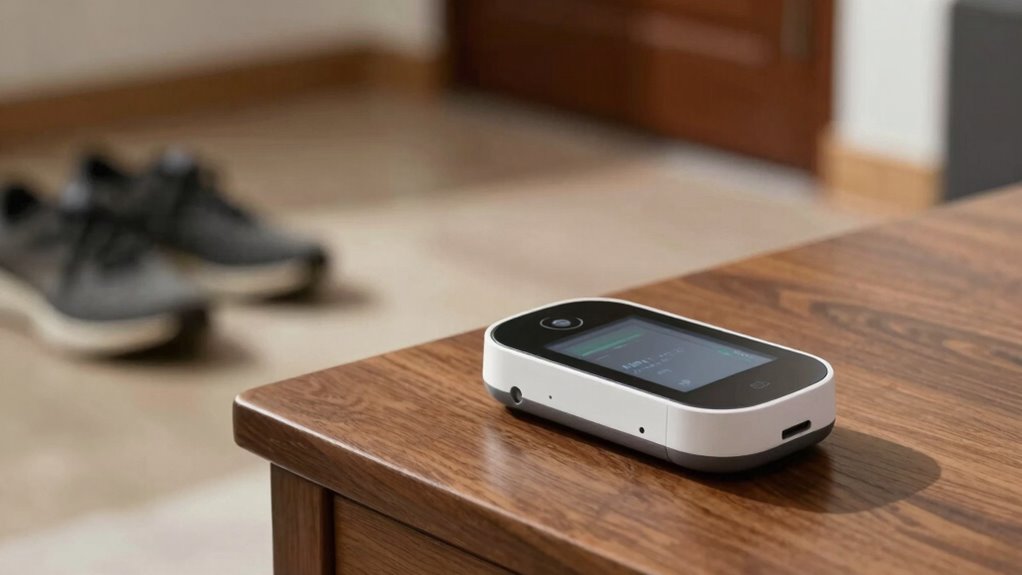
When it comes to falls going undetected, several factors play a role. Sensor limitations can affect accuracy, while environmental conditions might obscure detection. Plus, user behavior can vary considerably, making it harder for systems to identify a fall when it happens.
Sensor Limitations and Accuracy
While fall detection technology has advanced considerably, several sensor limitations can lead to undetected falls. Different sensor types, like accelerometers and gyroscopes, face accuracy challenges due to data limitations. Environmental influences, such as furniture placement and lighting, can also skew results. User demographics play a role, as age and mobility impact sensor effectiveness. Additionally, factors such as pants fit can affect user comfort and stability, which indirectly influences fall detection. Incorporating ergonomic design into everyday environments can further enhance user safety and comfort. Furthermore, understanding portable tire air compressors can provide insights into how mobility tools impact overall user stability and confidence. Moreover, adopting smart home technology can complement existing fall detection systems, providing additional layers of monitoring and support. Furthermore, understanding prognosis and recovery factors associated with various health conditions can provide insights into improving fall detection systems.
| Factor | Impact on Detection |
|---|---|
| Sensor Calibration | Incorrect settings can lead to false negatives. |
| Algorithm Improvements | More sophisticated algorithms enhance accuracy but require real-world testing. |
| Implementation Hurdles | Integration into daily life can affect performance. |
Understanding these factors helps clarify why some falls go undetected despite technology advancements.
Environmental Factors at Play
Environmental factors greatly influence the effectiveness of fall detection systems, often leading to missed incidents. For instance, poor lighting conditions can obscure sensors, making it harder for them to detect a fall. Surface texture plays an essential role too; slippery or uneven floors can either trigger false alarms or go undetected. Environmental noise, like background chatter, can interfere with alert systems, while obstacle presence—furniture or clutter—can obstruct sensor views. Temperature effects and weather influences, like rain or snow, can impact both sensor functionality and user mobility. Additionally, location variability, such as different types of rooms, and space layout can affect how well these systems work. Each of these factors can substantially hinder a fall detection system’s reliability.
User Behavior Variability
How can user behavior influence the effectiveness of fall detection systems? Your daily habits and interactions with technology play a vital role. Variability in user engagement can lead to missed alerts. Here are some factors that contribute to this issue:
- Behavioral patterns: Unpredictable movements can confuse detection algorithms.
- Routine activities: Familiar tasks may result in complacency, lowering alertness.
- User training: Lack of proper training can hinder understanding of technology features. Additionally, emotional responses can impact decision-making during critical moments. Practicing mindfulness techniques can help users stay focused and aware during situations that require vigilance. Engaging in play-based activities can also enhance cognitive flexibility, which is crucial for maintaining awareness in potentially hazardous situations.
- Situational awareness: Emotional factors like stress can distract you from staying aware.
- Device familiarity: If you’re unfamiliar with your device, you might not use it effectively.
Incorporating regular assessments of your daily habits can also enhance the effectiveness of fall detection systems. These elements highlight the importance of ongoing risk assessment and feedback mechanisms to improve fall detection reliability.
How to Make Fall Detection More Reliable
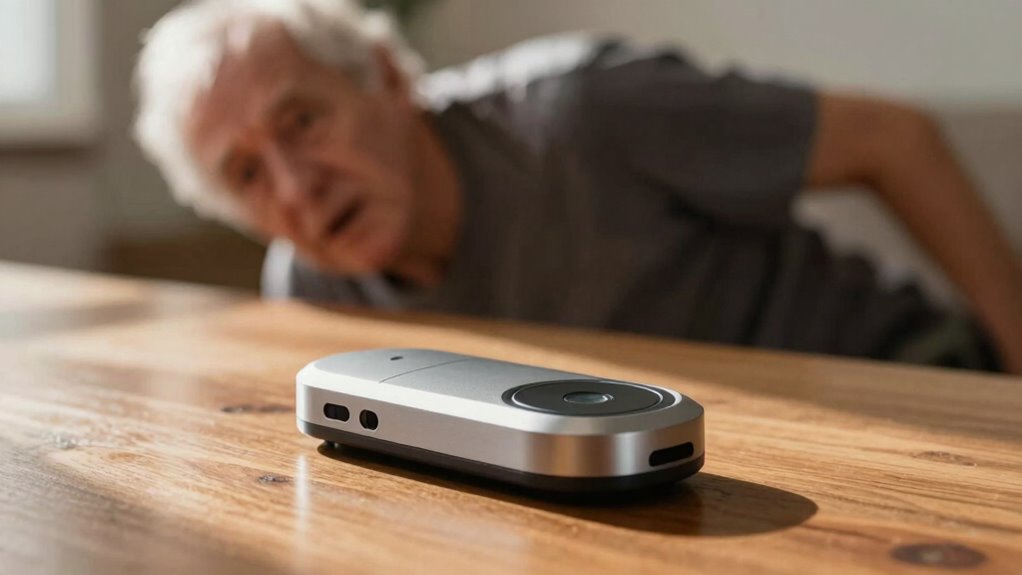
To enhance the reliability of fall detection systems, you should consider integrating advanced sensors and machine learning algorithms. Wearable devices equipped with multi-sensor fusion can provide more accurate data. Pair these sensors with AI algorithms for real-time monitoring, ensuring quick detection of falls. User training is essential; educating users on how to customize alerts can improve emergency response times. Implement personalized settings to cater to individual needs, making the system more effective. Feedback mechanisms can also help refine the system, allowing it to learn from past incidents. By focusing on system integration and alert customization, you can create a more robust fall detection solution that adapts to various environments and user behaviors. Additionally, integrating comfort and safety products can further enhance user confidence and reduce the risk of falls. Creating a toxin-free space can also contribute to a safer environment, minimizing distractions that could lead to accidents. A well-designed smart home security system can also play a crucial role in monitoring and protecting individuals within the home, providing an added layer of safety. Furthermore, investing in caregiving decisions can empower caregivers to make informed choices that prioritize both safety and well-being. Incorporating evidence-based practices into your fall prevention strategy can significantly enhance its effectiveness.
Future Trends in Fall Detection Technology
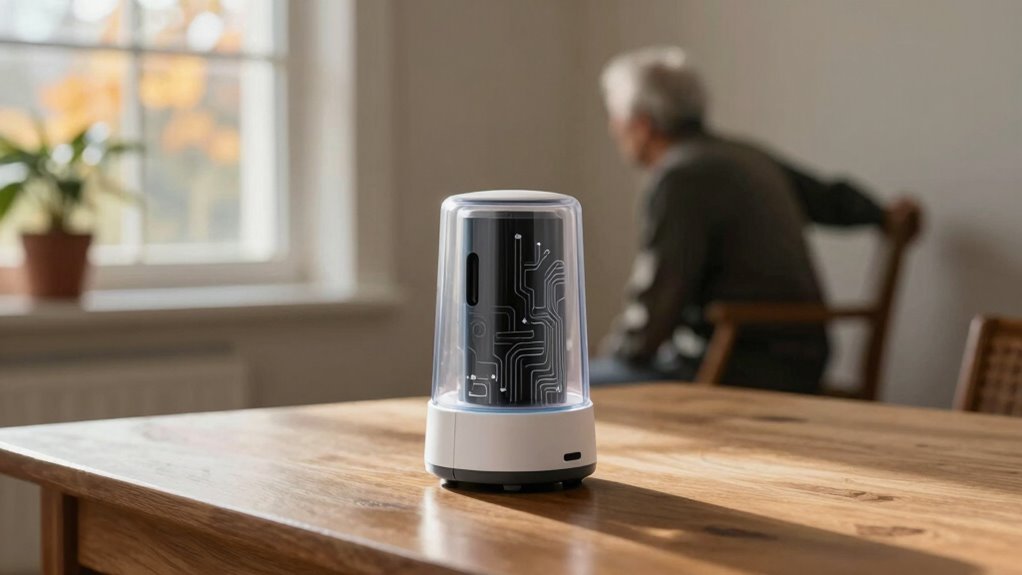
As technology evolves, the future of fall detection systems looks promising. You can expect significant advancements that enhance safety and user experience. Here are some trends to watch:
- AI advancements will improve accuracy in detecting falls. Additionally, the role of AI ethicists will ensure that ethical considerations shape the development of these technologies. These developments will be guided by principles of strength training fundamentals to ensure effectiveness and safety. Enhanced color accuracy in visual displays could also help by providing clearer information regarding user status. Furthermore, incorporating balance training techniques can enhance user awareness and prevent falls before they occur.
- Wearable devices will integrate seamlessly with other health monitoring tools.
- Machine learning will adapt systems to individual user behaviors.
- Smart homes will connect fall detection systems with emergency response services.
- Enhanced user interfaces will prioritize data privacy, ensuring your information remains secure.
Additionally, wearable tech will play a crucial role in providing real-time insights into user health, further supporting fall detection systems. These innovations not only promise to enhance detection reliability but also improve the overall user experience, making fall detection more responsive and efficient for everyone involved.
Frequently Asked Questions
How Do Falls Impact Elderly Individuals’ Health and Well-Being?
Falls can seriously impact your health and well-being as you age. They may lead to injuries like fractures, causing pain and limiting your mobility. This can create a cycle of fear that affects your confidence and independence. Focusing on fall prevention strategies, such as strength training and balance exercises, can improve your mobility and help you feel more secure. Staying active not only enhances your physical health but also boosts your overall quality of life.
What Are the Costs Associated With Fall Detection Systems?
Fall detection systems can vary widely in cost, often ranging from a few hundred to several thousand dollars. When you conduct a cost analysis, consider installation, monthly fees, and maintenance. Insurance coverage might offset some expenses, but it’s essential to check your policy. Investing in these systems can ultimately save money by reducing hospital visits and related healthcare costs, making them a valuable consideration for safety and peace of mind.
Are There Different Types of Fall Detection Devices Available?
Yes, there are different types of fall detection devices available. You can choose wearable sensors that monitor your movements and send automatic alerts if a fall occurs. Some devices connect to smartphone apps, allowing you to track your activity and receive notifications. Additionally, environmental monitoring systems can detect falls based on changes in your living space, helping guarantee your safety. It’s crucial to find the right combination that suits your needs and lifestyle.
How Can Caregivers Support Individuals Using Fall Detection Technology?
As a caregiver, you can support individuals using fall detection technology by undergoing caregiver training to understand the system’s features and limitations. Regularly check the technology integration to guarantee it functions correctly, and encourage the individual to wear or interact with the device consistently. You should also communicate openly about any concerns, helping to build trust and confidence in the technology, which ultimately enhances safety and peace of mind for everyone involved.
What Should Users Do if a Fall Detection Device Malfunctions?
If your fall detection device malfunctions, start with some basic troubleshooting. Check the device’s battery and verify it’s charged. Review the user manual for specific troubleshooting steps. If issues persist, reach out to customer support for assistance. User education is essential, so familiarize yourself with the device’s features and alerts to prevent future problems. Regularly test the device to confirm it’s functioning correctly and to build your confidence in using it.
Conclusion
In summary, fall detection technology is evolving, but it’s not perfect. Did you know that nearly 30% of falls in seniors go undetected by these systems? To guarantee safety, it’s essential to understand both the strengths and weaknesses of your fall detection device. By staying informed and making necessary adjustments, you can enhance reliability. As innovation continues, the future holds promising advancements that could notably reduce false alarms and missed falls. Stay tuned!
Fall Picks
fall essentials
As an affiliate, we earn on qualifying purchases.