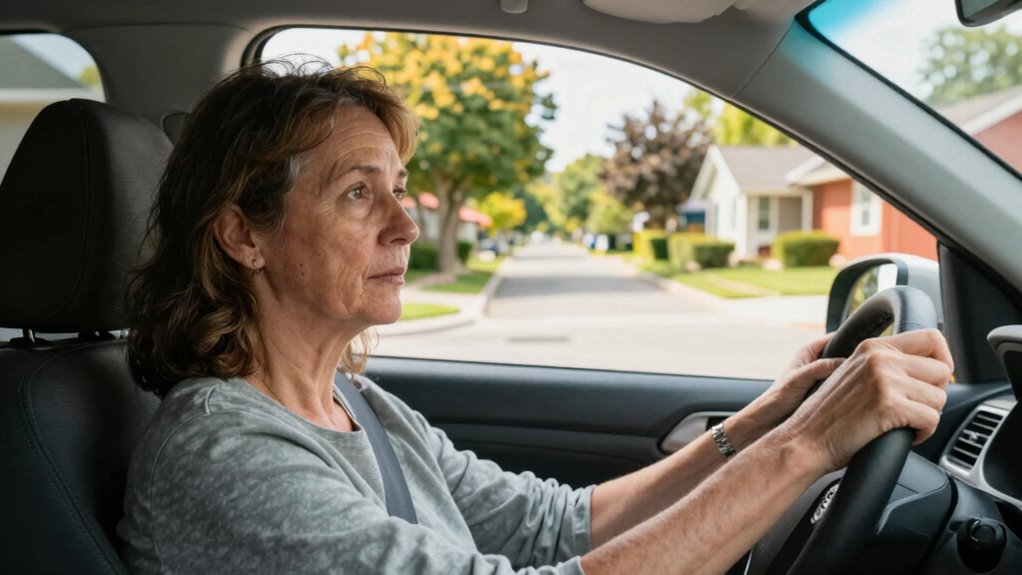

When talking about stopping driving with a loved one who has dementia, start by choosing a calm, private time when they’re relaxed. Use kind, empathetic words focused on their safety and well-being. Approach the conversation with patience, avoid blame, and emphasize your concern rather than their driving skills. Recognize early warning signs and explore alternative transportation options together. If you want to learn more about initiating this sensitive conversation, several helpful strategies can guide you through it.
Key Takeaways
- Choose a calm, private moment when your loved one is receptive and relaxed.
- Use empathetic, non-judgmental language focused on safety and well-being.
- Begin the conversation with gentle observations of driving concerns or changes.
- Express your care and support, emphasizing concern for their safety rather than criticism.
- Be patient, listen actively, and allow time for your loved one to process and respond.

MediPal’s Dementia/Alzheimer’s Alert Medical ID Seatbelt Tag – List Common Behaviors, Triggers, Best Response, Meds, Contacts, Allergies, Diet + Customizable PDF Version
- High Visibility Emergency Tag: Red insignia and reflective trim for night visibility
- Easy Attach/Detach Design: Velcro strips for quick access to info
- Comprehensive Health Profile Form: Disclose behaviors, triggers, meds, contacts, allergies, diet
As an affiliate, we earn on qualifying purchases.
As an affiliate, we earn on qualifying purchases.
What Are the Early Signs That Dementia Is Affecting Driving?
As dementia begins to affect your brain, you might notice subtle changes in your driving skills before they become obvious to others. One of the early signs is memory loss, which can cause you to forget familiar routes or confuse directions. You might also start to experience mood changes, such as increased irritability or sudden emotional shifts, that influence your confidence behind the wheel. These mood swings can make you less patient or more distracted while driving. You may find yourself missing turns or hesitating more than usual. Recognizing these early signs is important because they can impact your safety without you realizing it. Being aware of these changes helps you decide when it’s time to seek support and consider alternatives. Understanding early cognitive decline can further alert you to seek appropriate medical advice sooner, especially since visual perception issues may also emerge. Additionally, driving safety assessments can help determine your readiness to continue driving safely, and understanding driving skills is crucial for evaluating your capabilities. Sometimes, subtle attention deficits can also affect how well you respond to unexpected situations on the road, emphasizing the importance of ongoing evaluations.

Faster Thinking, Safer Driving After 60: Boost Your Reflexes, Improve Reaction Time, and Stay Independent with Science-Backed Exercises for Seniors (Brain … Rehabilitation, Home Care & Aging Well)
As an affiliate, we earn on qualifying purchases.
As an affiliate, we earn on qualifying purchases.
How Does Dementia Impact Driving Skills?
Dementia can profoundly affect your driving abilities by slowing your reaction time, making it harder to respond quickly to road situations. You may also experience vision problems that increase the risk of accidents. Additionally, decision-making becomes more difficult, which can lead to unsafe driving choices. Recognizing the importance of vision and cognition assessment can help in managing overall health and safety while driving. Regular evaluations can detect early signs of decline, allowing for timely interventions to ensure safety on the road.
Reaction Time Slows
When dementia affects the brain, your reaction times slow down considerably, making it harder to respond quickly to unexpected events on the road. This slowing is a direct result of cognitive decline, which impacts your ability to process information swiftly. As your reaction time increases, you may struggle to brake suddenly or steer away from hazards in time. Understanding this change is essential for safe driving decisions. Here’s how reaction time and cognitive decline relate:
| Reaction Time | Cognitive Decline |
|---|---|
| Slower responses | Reduced mental processing speed |
| Increased accident risk | Difficulty multitasking |
| Delayed braking | Impaired judgment |
| Sluggish steering | Poor decision-making |
| Longer hazard detection | Reduced situational awareness |
Being aware of how reaction time is affected can help caregivers and drivers make informed choices to maintain safety. Recognizing the importance of cognitive health can guide interventions and support strategies to promote safer driving habits. Additionally, electric dirt bikes demonstrate how power and response times vary with different models, emphasizing the importance of understanding vehicle capabilities for safety. Moreover, understanding microplastics in dust and their impact on indoor air quality underscores the importance of maintaining a healthy environment for overall well-being, especially for vulnerable populations. This awareness can also foster a sense of responsibility and encourage proactive measures to protect oneself and others on the road.
Vision Impairment Risks
Dementia can markedly impair your vision, making it more difficult to see clearly and judge distances accurately while driving. These sight difficulties can threaten your vision safety and increase the risk of accidents. You might struggle to recognize traffic signals, read road signs, or notice pedestrians and other vehicles in time. It is crucial to be aware of these challenges and consider how they affect your driving ability. Additionally, Free Floating conditions associated with dementia may cause disorientation, further complicating navigation and response times. Recognizing how vision impairment impacts driving can help you take proactive steps to ensure safety on the road. Moreover, understanding how urban pursuits influence your environment can help you prepare for complex driving situations in city settings.
Decision-Making Challenges
As cognitive functions decline, your ability to make quick, accurate decisions while driving becomes increasingly compromised. Dementia impacts your decision-making capacity, making it harder to respond to unexpected situations or hazards on the road. You may struggle with judgment, such as judging distances or recognizing when to yield. This diminished decision-making ability can directly affect your driving safety, increasing the likelihood of accidents. These challenges often raise independence concerns, as you might worry about losing your freedom to drive. Recognizing how dementia affects decision-making helps you and your loved ones recognize when it’s time to reassess driving privileges. Understanding the decision-making challenges associated with dementia is crucial for safety. Prioritizing safety is essential, and early conversations can help find alternative transportation options while respecting your independence. Being aware of how cognitive decline impacts driving skills can facilitate timely and supportive discussions with healthcare professionals. Additionally, understanding the effects of dementia on emotional regulation can help in addressing potential frustrations or anxieties related to driving restrictions.

Joyful Generations Just Roll With It Conversation Dice | Dementia Activities for Seniors | Alzheimer’s & Dementia Story Dice Cubes | Great for Individuals Living with Dementia, Families and Caregivers
- Dementia-Friendly Design: Created with dignity for dementia patients
- Multiple Ways to Play: Four flexible activity options included
- Quiet, Soft Silicone Dice: Safe, silent, and gentle for seniors
As an affiliate, we earn on qualifying purchases.
As an affiliate, we earn on qualifying purchases.
How Do You Know When It’s Time to Talk About Stopping Driving?
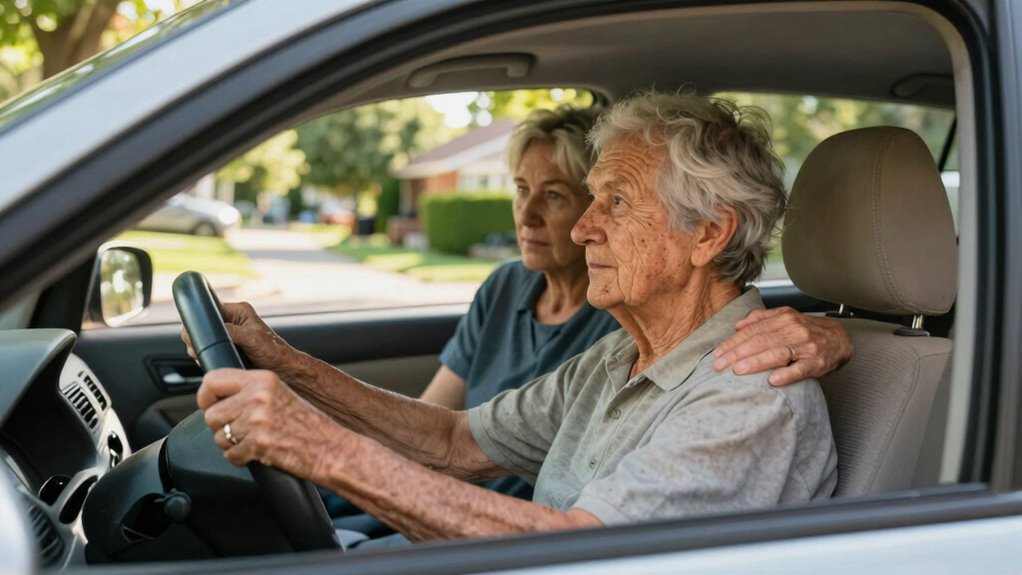
Recognizing the right moment to stop driving can be challenging, but paying attention to certain signs can help you decide when it’s time to have that important conversation. If you notice your loved one making frequent mistakes, getting lost in familiar places, or showing nervousness behind the wheel, these are signs that driving safety may be compromised. Changes in vision, slower reaction times, or increased frustration also indicate it might be time to address the issue. Open family communication is vital; approaching the topic with understanding and patience helps ensure everyone feels heard. Additionally, understanding home design and architecture details, such as avoiding obstacles or creating safer environments, can support safer mobility options. Recognizing emotional responses and managing them effectively can also ease the transition and reduce stress for your loved one. Being aware of driving-related cognitive decline can further aid in timely decision-making. Remember, knowing when to discuss stopping driving is about prioritizing safety and well-being for your loved one and others on the road.

I Will Remember for You Butterfly Alzheimer's Awareness Sticker Vinyl Decal Car Laptop Wall Window Bumper Sticker 5"
- Size: 5 inches
- Weatherproof Material: Durable and weather-resistant
- Vibrant Design: High detail and color accuracy
As an affiliate, we earn on qualifying purchases.
As an affiliate, we earn on qualifying purchases.
How Can I Start the Conversation About Safe Driving With Compassion?

Pick a calm moment when your loved one is relaxed to bring up driving. Use kind, understanding language to show you care about their safety and independence. This approach helps open a honest dialogue without making them feel defensive.
Choose the Right Moment
Finding the right moment to talk about driving safety can be challenging, but timing is essential. You want to choose a moment when your loved one is calm and receptive, not distracted or stressed. Consider timing considerations like avoiding busy mornings or after conflicts. Emotional preparedness also matters—wait until they’re in a good mood and open to conversation.
To help, look for signs like:
- When they’re relaxed and not preoccupied
- After a positive event or shared activity
- During a quiet moment when you can speak privately
These moments foster a supportive environment and make it easier to have an honest, compassionate discussion about driving safety. Patience and attentiveness will help you find the best time to start this important conversation.
Use Empathetic Language
When you’re ready to bring up driving safety, using empathetic language can make a significant difference. Approach the conversation with kindness and understanding, showing emotional support rather than criticism. This helps your loved one feel respected and less defensive, encouraging open family communication. Focus on their feelings and safety, rather than just their driving abilities. Use gentle phrases like, “I care about your well-being,” or “Let’s talk about how we can keep you safe on the road.” Avoid blame or harsh language, which can shut down dialogue. By speaking with compassion, you create a supportive environment that makes it easier to discuss necessary changes and work together towards a solution. This approach fosters trust and preserves dignity.
What Are Safe Transportation Alternatives for Your Loved One?
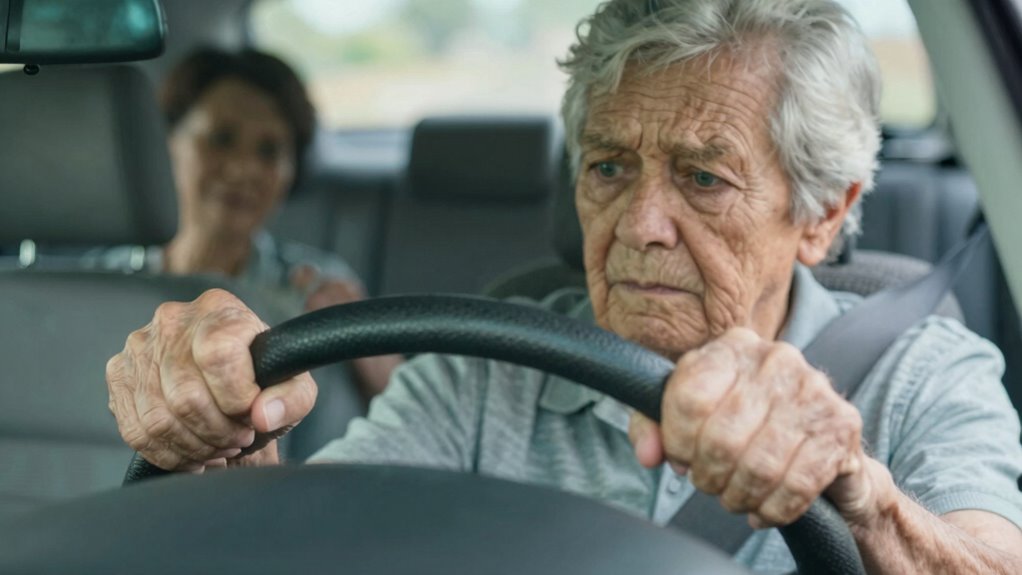
As driving becomes unsafe for a loved one with dementia, exploring alternative transportation options is essential for their safety and independence. You can look into community resources that offer reliable and accessible services tailored for seniors. These alternatives help maintain their social connections and daily routines without the risks of driving themselves.
Consider options like:
- Community shuttle services designed for seniors
- Rideshare programs that cater to special needs
- Senior transportation programs through local organizations
These options provide safe, affordable, and convenient ways for your loved one to get around. Connecting with local senior centers or community agencies can also help you discover additional resources, ensuring your loved one stays active and engaged while reducing the dangers associated with driving.
When Should You Seek Professional Driving Assessments or Advice?
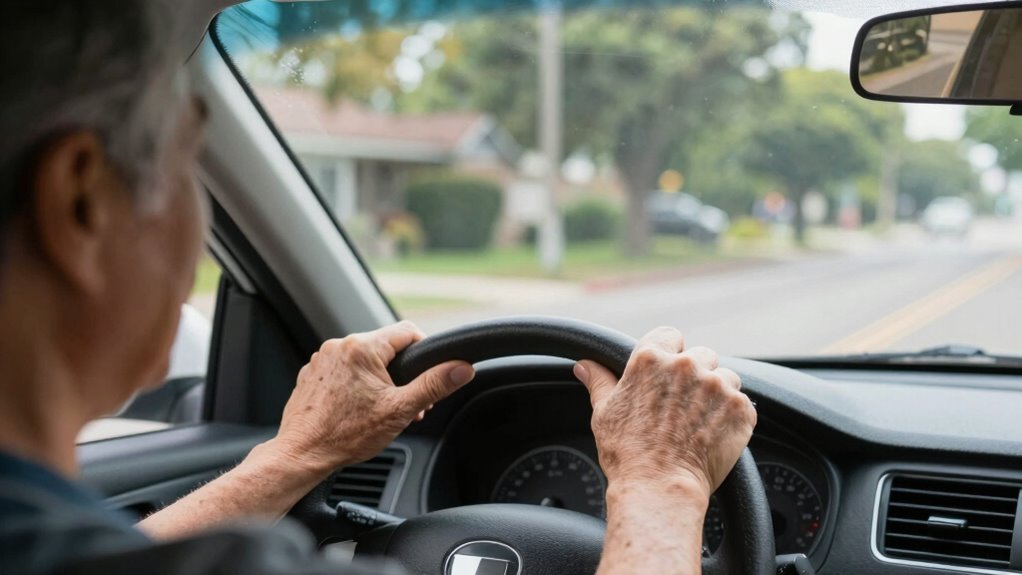
Knowing the signs that indicate your loved one’s driving ability may be declining is essential to ensuring their safety. If you notice frequent lane drifting, slow reaction times, or difficulty following traffic signs, it’s time to seek professional driving assessments or advice. These evaluations help determine if your loved one can continue driving safely, prioritizing driver safety. Legal considerations also come into play; continuing to drive despite impairments could lead to legal issues or liability if accidents occur. Consulting with a healthcare professional or certified driving specialist can provide an objective assessment and guidance. Recognizing when to seek help early can prevent potential accidents and make certain your loved one remains safe on the road or transitions to safer alternatives.
How Can You Support Your Loved One Through Giving Up Driving?
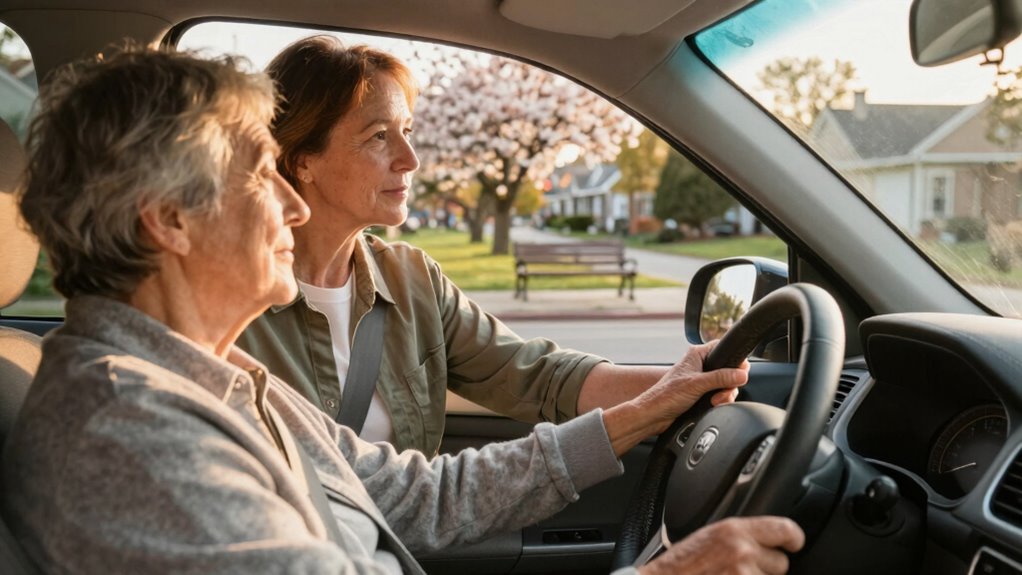
Supporting your loved one through giving up driving can be challenging, but your empathy and understanding make a significant difference. To help them cope, offer emotional support by listening without judgment and validating their feelings. Remind them that safety is the priority, and you’re there to support every step. Be aware of legal considerations, such as understanding how to handle driving cessation properly and assisting with any necessary paperwork. You can also explore alternative transportation options together, like community shuttles or ride-sharing services, to maintain their independence. Remember, patience is key—this shift might take time, but your compassionate approach can ease their worries and help them adjust more comfortably.
Frequently Asked Questions
How Can I Assess My Loved One’s Driving Abilities Objectively?
You can assess your loved one’s driving skills objectively by observing their behavior on the road and noting any signs of difficulty. Encourage a professional cognitive assessment to evaluate their mental clarity and decision-making. Consider taking them for a driving evaluation with a certified driving rehabilitation specialist, who can provide an unbiased opinion on their abilities. This approach guarantees you get a clear, factual picture of their driving safety.
Are There Legal Requirements for Reporting Dementia-Related Driving Impairments?
Think of legal obligations like a safety net you can’t ignore. If you suspect dementia impairs your loved one’s driving, you must follow specific reporting procedures, which vary by state. Usually, you’re required to notify DMV or relevant authorities. Failing to report can have serious consequences, so stay informed about your local laws. Your proactive step guarantees everyone’s safety, like steering a ship away from unseen hazards.
What Signs Indicate a Sudden Change in Driving Safety?
If you notice a sudden change in driving safety, look for signs like frequent accidents, difficulty staying in lanes, or slow reactions. These may indicate the need for a driving restrictions or a memory assessment. Don’t overlook these signs—address them promptly. Talk to your loved one compassionately and suggest a professional evaluation, which can help determine if driving should be limited or stopped to ensure everyone’s safety.
How Do Cultural Attitudes Influence Discussions About Stopping Driving?
Cultural attitudes notably shape how you approach stopping driving discussions. Cultural stigmas and community perceptions can make it hard to address safety concerns openly. You might worry about judgment or shame, so it’s important to frame the conversation with empathy and understanding. By acknowledging these cultural influences, you can create a supportive environment that encourages honest dialogue, making it easier for your loved ones to contemplate safer driving options without feeling stigmatized.
Can Technology Assist in Monitoring Driving Safety for Those With Dementia?
Imagine a watchful eye over your loved one’s daily drives—technology like vehicle tracking and driver alertness monitors can do just that. These tools help detect unsafe driving habits early, notifying you if alertness dips or if the vehicle travels outside designated areas. By using these advancements, you gain peace of mind, ensuring your loved one stays safe while maintaining their independence, even as cognitive changes occur.
Conclusion
Remember, addressing driving and dementia is about safety and compassion. If your loved one begins to forget familiar routes or shows confusion behind the wheel, it’s time to talk. For example, Sarah noticed her dad struggled with turnings, so she gently suggested alternative transportation. By approaching the conversation with empathy and exploring options together, you help keep them safe while maintaining their dignity. Starting the dialogue today can make all the difference for everyone’s well-being.