To reduce false alarms from bed exit alarms, focus on adjusting sensor sensitivity and proper placement to enhance accuracy. Train staff regularly on alarm management and encourage feedback for system improvements. Utilizing advanced technology, like predictive analytics, can help tailor alerts to individual patient movements, minimizing unnecessary triggers. Creating a calm environment also supports safety. By embracing these strategies, you’ll improve overall patient care and maintain alarm credibility—discover additional techniques that can further enhance alarm effectiveness.
Key Takeaways
- Regularly calibrate and maintain sensors to ensure optimal sensitivity and accurate detection of patient movements.
- Train staff on proper alarm placement and response protocols to enhance alarm effectiveness and reduce fatigue.
- Utilize smart technology and predictive analytics to adapt alarms to individual patient behaviors and minimize false alerts.
- Foster a calm environment and encourage open communication among caregivers to improve awareness of alarm patterns and reduce unnecessary triggers.
- Gather feedback from staff and patients to continuously improve alarm systems and address common causes of false alarms.

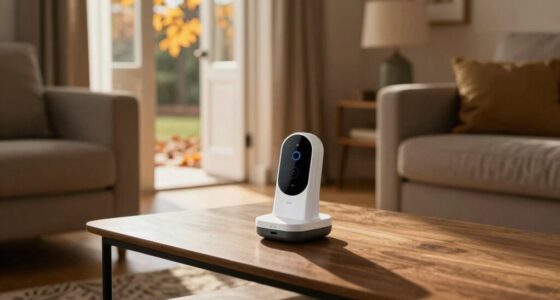
Smart Caregiver® Bed and Chair Exit Alarm System for Fall/Wandering Prevention – Know When They get up! Includes Monitor with 10in x 30in Bed Sensor Pad and 10in x 15in Chair Sensor Pad
- Immediate Safety Alerts: Alerts caregivers when person gets up
- Adjustable Volume Control: High and low volume settings
- Simple Reset Button: Easily silences alarms
As an affiliate, we earn on qualifying purchases.
As an affiliate, we earn on qualifying purchases.
Understanding Bed Exit Alarms
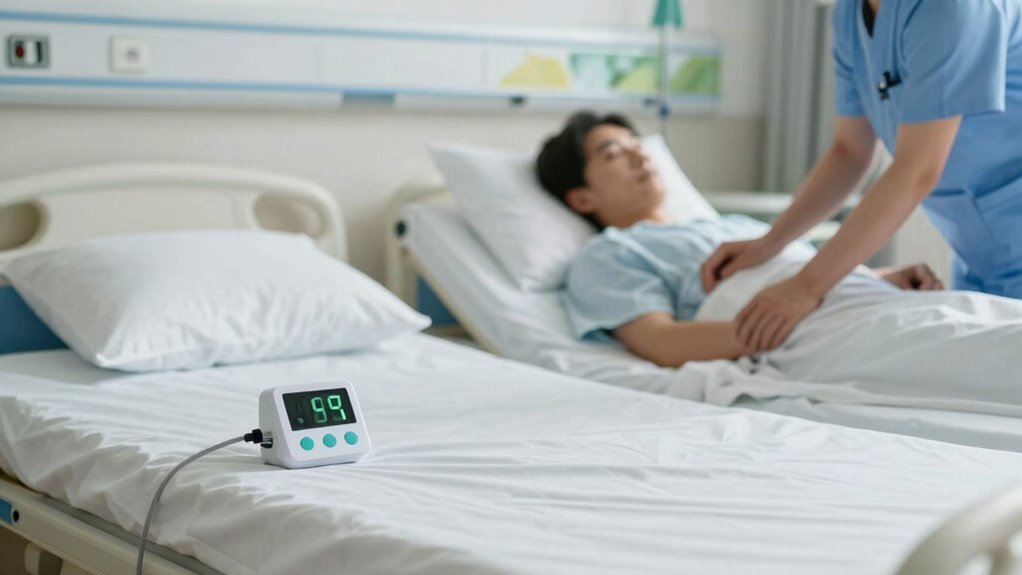
When you consider the importance of patient safety, understanding bed exit alarms becomes essential. These alarms are designed to alert healthcare staff when a patient attempts to leave their bed, reducing the risk of falls and injuries. There are several alarm types, including pressure sensors that activate when weight is removed from the mattress and motion sensors that detect movement near the bed’s edge. Each type has its benefits, but the goal remains the same: protecting patients. Familiarizing yourself with these alarm types can help you choose the best options for your facility. By prioritizing patient safety through effective use of bed exit alarms, you not only enhance care but also foster a safer environment for everyone involved.

Smart Caregiver Bed Alarm for Elderly Adults, Alerts You When They Get Up
- Safety Alert When Bed Is Vacated: Instant alarm when pressure is removed
- Multiple Alert Options: In-room or wireless caregiver alerts
- Discreet Bed Pad Design: Fits under fitted sheet for discreet monitoring
As an affiliate, we earn on qualifying purchases.
As an affiliate, we earn on qualifying purchases.
Causes of False Alarms
False alarms can be frustrating, and they often stem from sensor sensitivity issues or user movement factors. If the sensors are too sensitive, even minor movements can trigger an alert. Understanding these causes can help you adjust the system for better accuracy.
Sensor Sensitivity Issues
Sensor sensitivity issues can lead to unnecessary alarms, disrupting both patients and caregivers. To minimize these false alarms, you should focus on proper sensor calibration and make sensitivity adjustments as needed. Here are a few key points to take into account:
- Environmental factors: Ambient light, temperature, or movement can affect the sensor’s performance.
- Positioning: Confirm the sensor is correctly placed to accurately detect patient movements without being overly sensitive.
- Regular maintenance: Routine checks help maintain calibration and confirm that sensitivity levels are appropriate.
User Movement Factors
Improper understanding of user movement can greatly contribute to false alarms. By observing patient behavior and movement patterns, you can minimize unnecessary alerts. Environmental factors, like bed design and room layout, also play a key role. For instance, a high bed might cause alarms to trigger when patients shift. You should pay attention to caregiver interactions, as they can influence alarm settings and user feedback.
| Factor | Impact on Alarms |
|---|---|
| Patient Mobility | Increased false alarms |
| Bed Design | Triggers with movement |
| Caregiver Interactions | Alters alarm response |
| Environmental Factors | Affects movement patterns |
| Alarm Settings | Sensitivity adjustments |
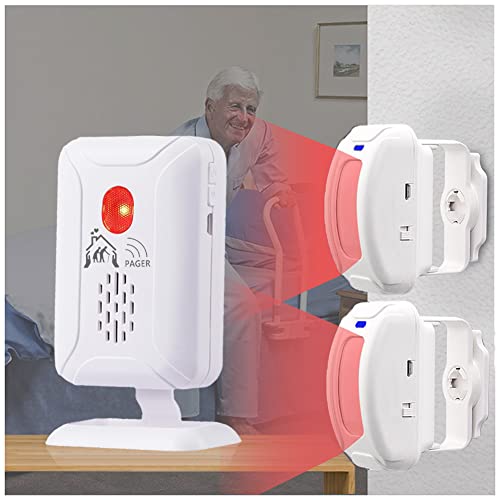
Upgrade Professional Bed Sensor Alarm and Fall Prevention for Elderly/Dementia and More,Caregiver Pager Motion Sensor with 5 Volume Level
- Long Range Wireless Monitoring: Up to 918 feet transmission range
- Easy Setup and Use: Factory paired, simple battery installation
- Self-Test Function: Sensor performs self-test on activation
As an affiliate, we earn on qualifying purchases.
As an affiliate, we earn on qualifying purchases.
Boosting Alarm Accuracy With Technology
As technology evolves, enhancing the accuracy of bed exit alarms becomes essential for patient safety. By integrating smart technology and predictive analytics, you can markedly reduce false alarms and improve overall care. Here are some effective methods to boost alarm accuracy:
Enhancing bed exit alarm accuracy through smart technology and predictive analytics is vital for improving patient safety and care.
- Sensor advancements: Utilize pressure and motion sensors that adapt to patient movements, ensuring alarms trigger only when necessary. These advancements are part of a broader trend toward experimental website design that focuses on user responsiveness. Improving sensor technology can also help in detecting airborne microplastics in dust that may affect a patient’s respiratory health.
- Data integration: Leverage electronic health records to analyze patient behavior and tailor alarm settings based on individual needs.
- Machine learning algorithms: Implement systems that learn from historical data to predict when a patient is likely to get out of bed, reducing unnecessary alerts.
These innovations not only enhance alarm reliability but also support a safer environment for patients. Additionally, employing Red and Blue teams can further identify vulnerabilities in alarm systems and improve their effectiveness.

Lunderg Wireless Early Alert Bed Alarm System for Elderly & Fall Prevention
- Wireless Alert System: Alerts sent directly to your pager
- Dignity-Preserving Design: No wires or bedside alarms needed
- PreRise Early-Alert: Detects movement at hip level before bed exit
As an affiliate, we earn on qualifying purchases.
As an affiliate, we earn on qualifying purchases.
Staff Training for Effective Alarm Management

To manage bed exit alarms effectively, you need to adopt best practices in alarm usage. Regular training sessions will keep your team sharp and guarantee everyone knows how to respond appropriately. This proactive approach can greatly enhance patient safety and reduce alarm fatigue.
Alarm Usage Best Practices
While bed exit alarms play a crucial role in patient safety, effective management hinges on proper staff training. To minimize false alarms, you need to focus on a few best practices:
- Alarm Placement: Make sure alarms are positioned correctly for maximum detection. Misplaced sensors can lead to unnecessary triggers.
- Sensor Calibration: Regularly check and calibrate sensors to maintain accuracy. Well-calibrated devices will reduce false alarms and enhance reliability.
- Staff Education: Train your team on the importance of alarm functionality and proper usage to foster accountability. Additionally, incorporating mindset and consistency in training can help staff better respond to alarms and improve overall effectiveness.
Regular Training Sessions
Regular training sessions are essential for ensuring your staff effectively manages bed exit alarms. By employing diverse training techniques, you can boost staff engagement and minimize false alarms. Interactive workshops and simulated scenarios can help your team understand alarm functions and responses better.
| Training Technique | Benefits | Staff Engagement Level |
|---|---|---|
| Hands-on Simulations | Real-time experience | High |
| Group Discussions | Shared insights | Medium |
| Visual Aids | Enhanced understanding | Medium |
| Role-playing Scenarios | Empathy building | High |
| Continuous Feedback Loop | Continuous improvement | High |
Invest in regular training; it not only sharpens skills but also fosters a culture of alertness and responsiveness among your staff.
Practical Strategies for Minimizing False Alarms
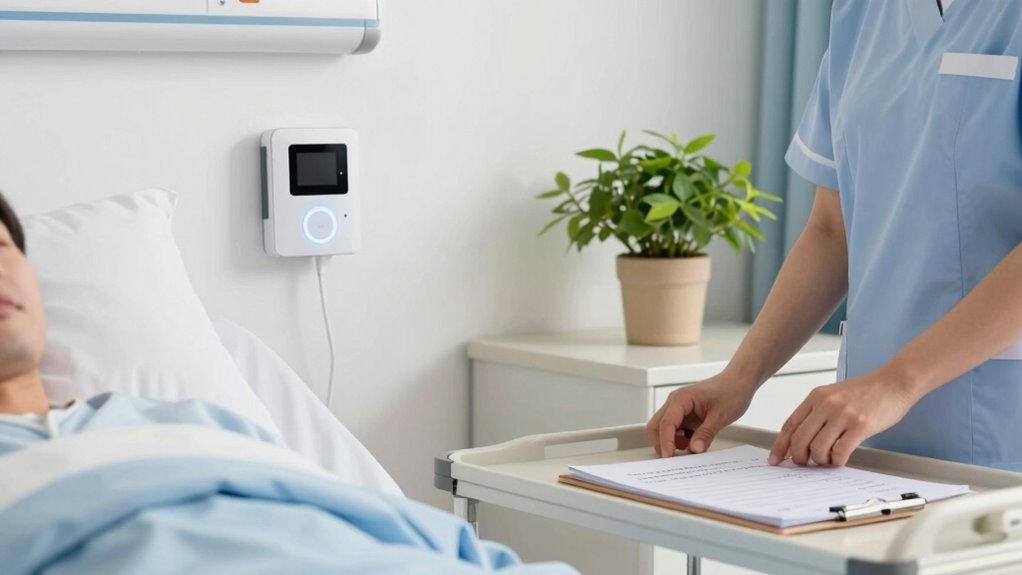
When caregivers implement bed exit alarms, minimizing false alarms becomes essential for maintaining a calm environment. Here are some practical strategies to enhance patient safety while reducing alarm fatigue:
Minimizing false alarms in bed exit systems is crucial for a calm environment and enhanced patient safety.
- Enhance caregiver awareness: Regularly train staff on recognizing alarm patterns and understanding the technology integration of the system.
- Utilize adaptive systems: Implement alarms that adjust sensitivity based on environmental factors, ensuring they respond accurately to patient movements.
- Encourage user feedback: Regularly collect input from caregivers and patients to fine-tune the system for continuous monitoring effectiveness.
Impact of Reducing False Alarms on Patient Care

Reducing false alarms directly impacts patient care by fostering a more attentive environment. When you minimize these unnecessary alerts, you enhance patient safety, allowing caregivers to focus on those who truly need assistance. This shift not only alleviates caregiver stress but also helps combat alarm fatigue, which can lead to missed critical situations. With fewer distractions, you can deliver quality care more effectively, ensuring that patients receive timely attention. A calm, focused atmosphere encourages better communication among staff, promoting teamwork and collaboration. Ultimately, by addressing false alarms, you improve both staff satisfaction and patient outcomes, creating a safer, more supportive healthcare setting for everyone involved.
Frequently Asked Questions
What Types of Bed Exit Alarms Are Available on the Market?
You’ll find several types of bed exit alarms on the market, including those using wireless technology and advanced sensor accuracy. Some models feature motion sensors that detect when someone gets out of bed, while others use pressure mats placed under the mattress. Wireless alarms can connect to a caregiver’s device, ensuring immediate alerts. Choosing the right alarm depends on your specific needs and the level of sensitivity required for effective monitoring.
How Do Bed Exit Alarms Affect Patient Privacy?
Think of bed exit alarms as a double-edged sword. While they enhance safety, they can also raise privacy concerns. You might feel like your every move is monitored, which can compromise your dignity. It’s essential to balance safety with respect for personal space. Ensuring alarms are used thoughtfully can help maintain patient dignity while still providing necessary oversight. Communication with patients about their use can ease these privacy worries.
Are There Guidelines for Alarm Placement and Usage?
Yes, there are guidelines for alarm placement and usage. You should focus on proper alarm positioning to guarantee maximum effectiveness while minimizing false alarms. Position sensors close to the bed’s edge, making sure they can detect movement accurately. It’s also essential to regularly check sensor calibration; this helps maintain their sensitivity and responsiveness. By following these practices, you can enhance the reliability of bed exit alarms and improve patient safety without compromising comfort.
Can Bed Exit Alarms Be Integrated With Other Safety Devices?
Yes, you can integrate bed exit alarms with other safety devices for enhanced protection. This integration offers significant benefits, creating a safety synergy that improves overall monitoring. For instance, linking alarms to motion sensors or alert systems can provide real-time updates, reducing false alarms while ensuring timely responses. By combining these technologies, you enhance the effectiveness of your safety measures, making your environment safer and more responsive to potential risks.
What Cost Factors Should Be Considered When Purchasing Alarms?
When purchasing alarms, you should consider several cost factors. Start with a thorough cost analysis of the alarms themselves, including features and warranties. Don’t forget installation expenses, as they can add up. Budget considerations should also include ongoing maintenance and potential upgrades. Factor in training costs for staff to guarantee effective use. By evaluating these aspects, you’ll make a well-informed decision that fits your financial plan while ensuring safety.
Conclusion
To summarize, effectively managing bed exit alarms can greatly enhance patient safety and staff efficiency. Research shows that reducing false alarms by just 30% can lead to a 20% increase in staff response times. By implementing advanced technology, thorough training, and practical strategies, you can minimize unnecessary disruptions while still prioritizing patient care. Ultimately, a thoughtful approach to alarm management not only improves the environment for patients but also fosters a more focused and attentive staff.