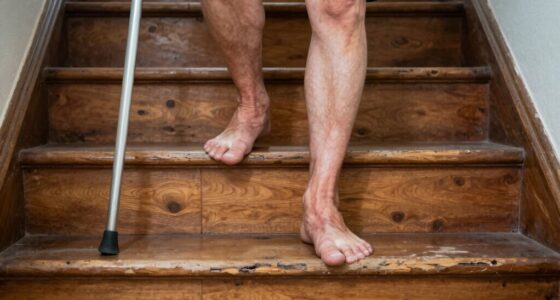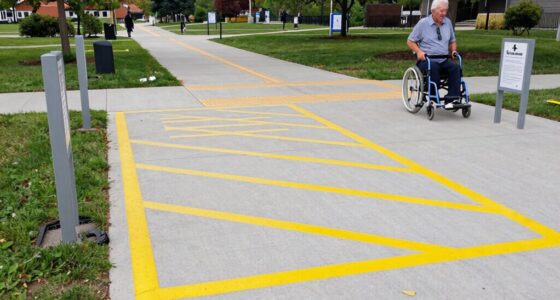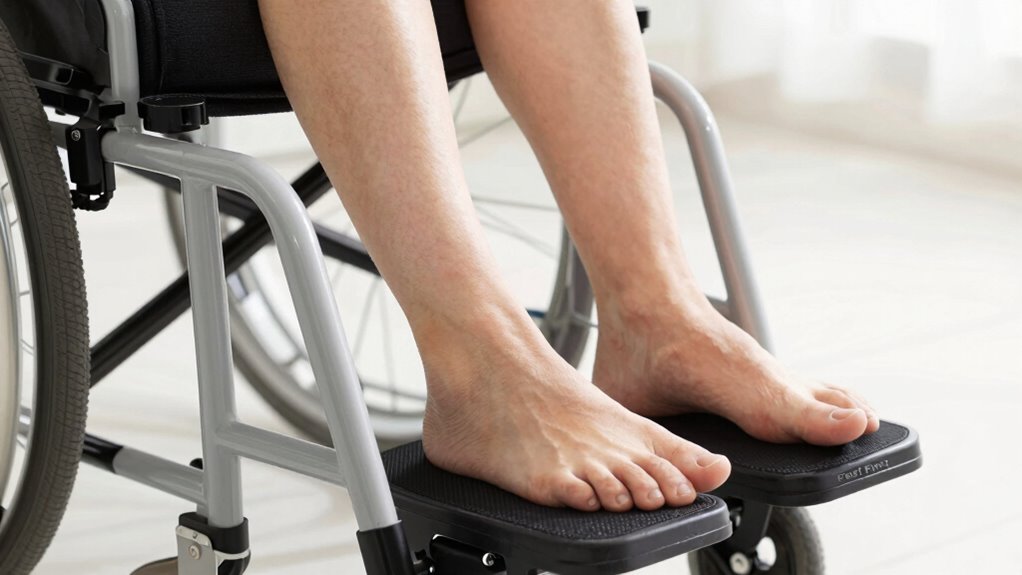

To prevent foot injuries while using a wheelchair, always follow the ‘Feet First’ rule by checking and positioning your feet safely on the footplates before moving or transferring. Wear supportive, non-slip footwear, keep pathways clear, and regularly inspect your wheelchair to avoid hazards. Proper chair height and environmental adjustments also help protect your feet from bumps or cuts. Stay attentive to safety tips and techniques to keep your feet secure and healthy—more helpful guidance awaits you.
Open a free Amazon Business account
Business pricing, bulk buying and tax-exempt orders.
As an affiliate, we earn on qualifying purchases.
Key Takeaways
- The ‘Feet First’ rule emphasizes checking and positioning feet properly before moving or adjusting the wheelchair.
- Proper footwear and foot positioning reduce slips, pinching, and injury risks during transfers and daily use.
- Routine wheelchair maintenance, including securing footrests, prevents hazards and accidental injuries.
- Adjusting wheelchair height ensures feet rest securely on footplates, minimizing injury from dangling or trapped feet.
- Clear pathways and protective footwear help prevent environmental hazards and foot injuries during wheelchair mobility.
As an affiliate, we earn on qualifying purchases.
The Risks of Foot Injuries for Wheelchair Users
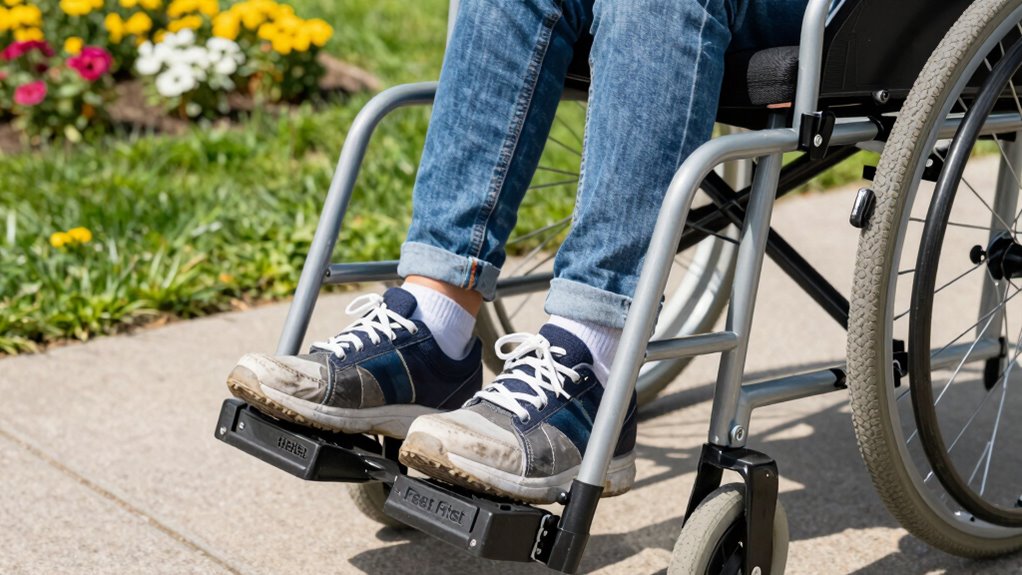
Because your feet are often positioned near or beneath your wheelchair, they’re vulnerable to injury if you’re not careful. Understanding foot anatomy helps you identify potential risks, like pressure points or areas prone to pinching. Poor wheelchair maintenance can lead to loose footrests or uneven surfaces that increase the chance of slips or falls. Additionally, improper positioning can cause nerve damage or skin breakdown if parts of your foot come into contact with sharp edges or rough surfaces. Without proper safeguards, your feet could suffer cuts, bruises, or more serious injuries. Being aware of how your foot anatomy interacts with your wheelchair setup emphasizes the importance of routine checks and adjustments. Regularly inspecting your wheelchair components can help identify issues before they lead to injury, ensuring your safety during daily wheelchair use. Proper maintenance practices are essential to prevent hazards and maintain optimal foot positioning. Incorporating safe transfer techniques can further reduce the risk of foot injuries during mobility activities. Maintaining awareness of pressure points and adjusting footrest positions accordingly can significantly decrease the likelihood of developing pressure ulcers or other complications. Furthermore, educating yourself about pressure distribution can help optimize comfort and safety during prolonged wheelchair use.
As an affiliate, we earn on qualifying purchases.
How the ‘Feet First’ Rule Helps Prevent Foot Injuries
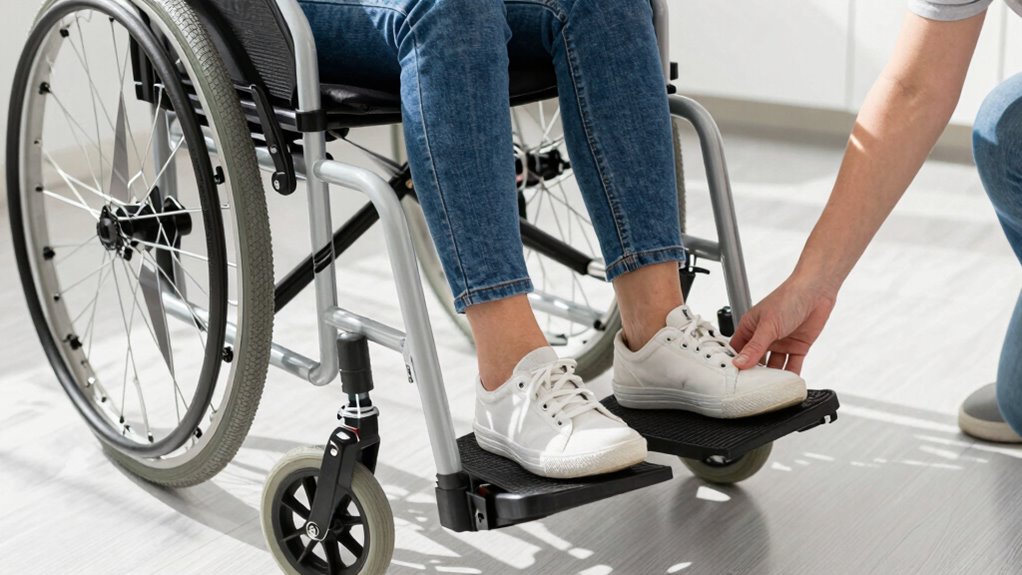
The ‘Feet First’ rule is a simple yet effective safety guideline that encourages you to prioritize checking and positioning your feet before moving or adjusting your wheelchair. Proper footwear importance cannot be overstated, as well-fitted shoes reduce the risk of slipping, pinching, or other injuries. When you guarantee your feet are securely placed and supported, you minimize chances of accidental drops or contact with hazards that could cause foot injuries. This rule prompts you to be mindful of your foot position, especially during transfers or movement, helping you avoid unnecessary accidents. By consistently following the ‘Feet First’ rule, you actively participate in injury prevention, making your daily wheelchair use safer and more comfortable. It’s a simple step that offers significant protection for your feet. Additionally, understanding the importance of footwear selection can further enhance safety and comfort during wheelchair use. Proper footwear, including supportive shoes, plays a crucial role in maintaining foot safety and stability while in a wheelchair. Incorporating home safety measures can also help create a safer environment, reducing the risk of trips and falls around your living space.
wheelchair footplate safety accessories
As an affiliate, we earn on qualifying purchases.
As an affiliate, we earn on qualifying purchases.
Common Foot Injuries During Transfers and Daily Activities
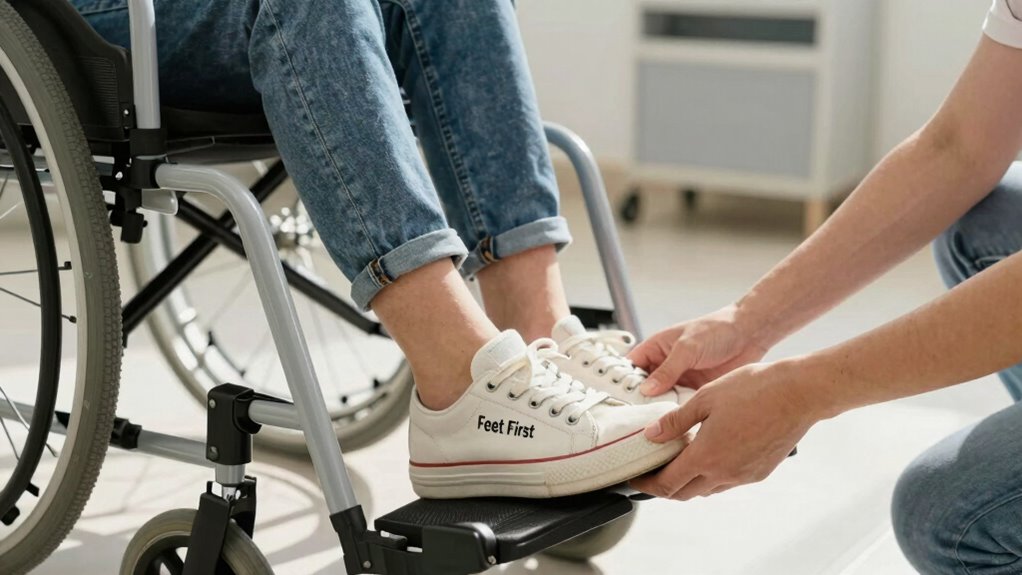
During transfers and daily activities, your feet are vulnerable to a range of injuries if proper precautions aren’t taken. Common issues include cuts, bruises, and pressure sores. Proper footwear selection is essential; choose shoes that fit well, provide support, and protect your toes from impact. Skin protection is equally important—avoid walking barefoot or in thin-soled shoes to prevent cuts and abrasions. Be mindful of sharp edges or uneven surfaces that can cause injuries. Incorporating foot injury prevention techniques into your footwear choices can also help in reducing injury risks by ensuring your footwear and safety protocols are optimized. Using supportive footwear and checking surfaces regularly can further decrease the chances of injury. Additionally, understanding injury prevention strategies can empower you to take proactive steps to safeguard your feet. Remember that foot anatomy plays a crucial role in how injuries occur and how best to prevent them. Here are some common foot injuries to watch for:
- Cuts and lacerations from objects or rough surfaces
- Bruising from accidental bumps or drops
- Pressure sores due to improper footwear or prolonged pressure
Prioritize securing your feet and wearing appropriate shoes to minimize injury risk during daily activities.
As an affiliate, we earn on qualifying purchases.
Practical Tips to Keep Your Feet Safe and Follow the Feet First Rule
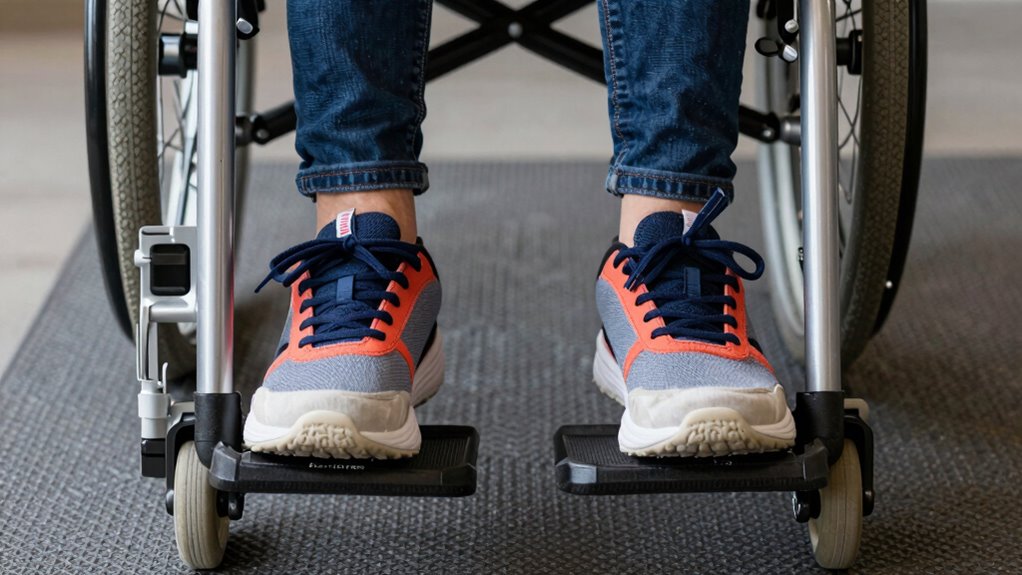
To keep your feet safe, it’s essential to follow practical tips and adopt the Feet First Rule, which emphasizes prioritizing foot safety in every movement. Start with footwear selection—choose sturdy, closed-toe shoes that provide good coverage and support. Avoid sandals or slippers that expose your feet to injury. Regular wheelchair maintenance is also vital; check that your footrests are secure and well-adjusted to prevent accidental slips or pinching. Keep your wheelchair clean and in good working order to reduce hazards. Always position your feet properly on the footplates, ensuring they’re flat and supported. Proper wheelchair positioning is crucial for preventing pressure points and maintaining foot safety. Additionally, regular equipment checks can help identify potential issues before they lead to injury. Incorporating safety awareness into your routine can further reduce the risk of accidents and injuries. Staying attentive to these details helps prevent injuries and reinforces your commitment to foot safety, making every transfer and movement safer and more comfortable. Being aware of household hazards related to your mobility environment can also significantly reduce the risk of foot injuries during daily activities. Being informed about environmental hazards can help you navigate your surroundings more safely.
Environmental and Equipment Changes to Protect Your Feet
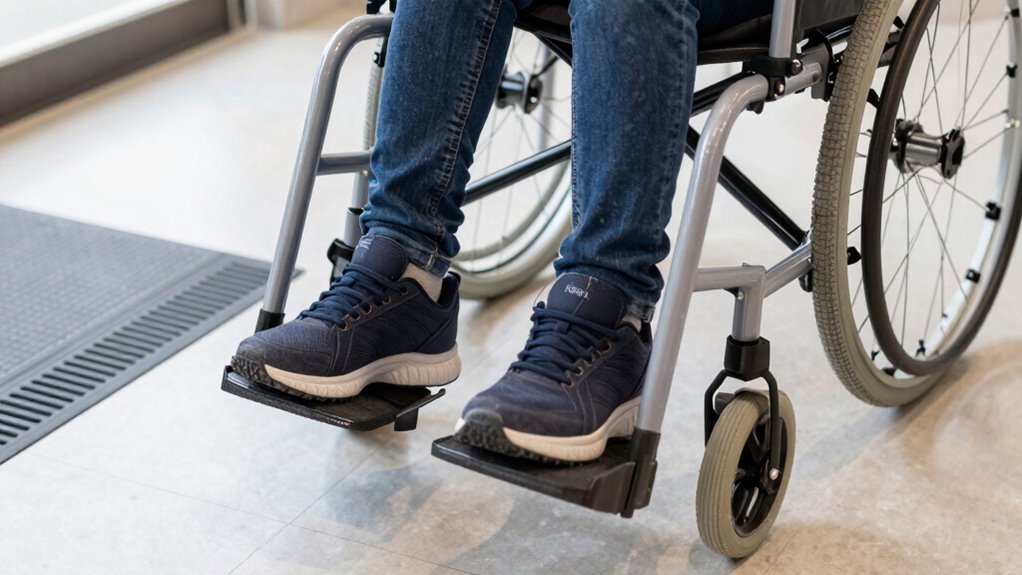
Adjusting your wheelchair height can prevent your feet from getting caught or bumped. Regularly clearing your pathways helps avoid obstacles that could cause injuries. Wearing protective footwear adds an extra layer of safety, keeping your feet guarded against potential hazards. Ensuring proper home safety measures can further reduce the risk of foot injuries and create a safer living environment. Incorporating environmental modifications such as installing ramps or removing tripping hazards can significantly enhance overall safety. Staying informed about credit card security best practices can also help protect your personal information from cyber threats, ensuring a more secure environment. Additionally, understanding power storage solutions like solar panel storage can help maintain consistent power for mobility devices during outages. Embracing spirituality principles like gratitude and positive intentions can also promote a mindset of vigilance and proactive care for your well-being.
Adjust Wheelchair Height
Changing your wheelchair height is a simple yet effective way to protect your feet from injury. Proper chair height guarantees your feet are correctly positioned, reducing the risk of snagging or pressure. When adjusting, focus on these key points:
- Set the chair height so your feet rest comfortably on the footrests, with no excessive strain or dangling toes.
- Ensure your foot positioning is natural, avoiding awkward angles that could cause slips or pinching.
- Regularly check that your knees are slightly bent and your hips are at a comfortable level, promoting better posture and safety.
- Adjusting the chair height can also improve overall ergonomic support, which is essential for maintaining safe and healthy foot positioning.
Adjusting the chair height helps keep your feet securely in place, minimizes accidental contact with hazards, and promotes healthier foot positioning overall.
Clear Pathways Regularly
Maintaining clear pathways around your wheelchair is essential for foot safety. Regular wheelchair maintenance ensures your wheels move smoothly and reduces the risk of obstructions that could cause accidents. Keep floors free of clutter, loose rugs, or cords that might entangle your feet or wheelchair. Proper footwear selection also plays a critical role; choose shoes with non-slip soles and avoid loose or oversized footwear that could catch or slip during movement. Always check your footwear for damage or wear, replacing them as needed to prevent slips or trips. Clear pathways not only minimize hazards but also promote independence and confidence in your mobility. By staying vigilant with wheelchair maintenance and footwear choices, you create a safer environment that prioritizes your foot safety every day.
Use Protective Footwear
Have you considered how protective footwear can shield your feet from environmental hazards and equipment-related risks? Wearing proper safety footwear is crucial for injury prevention, especially when maneuvering uneven surfaces or working around machinery. Quality safety footwear offers reinforced toes, slip-resistant soles, and sturdy materials that protect your feet from falling objects, sharp debris, and slips. To maximize protection, consider these tips:
- Choose footwear with steel or composite toes for impact resistance.
- Opt for slip-resistant soles to prevent falls.
- Guarantee a proper fit to avoid blisters and discomfort during movement.
Training and Support Strategies for Caregivers and Users
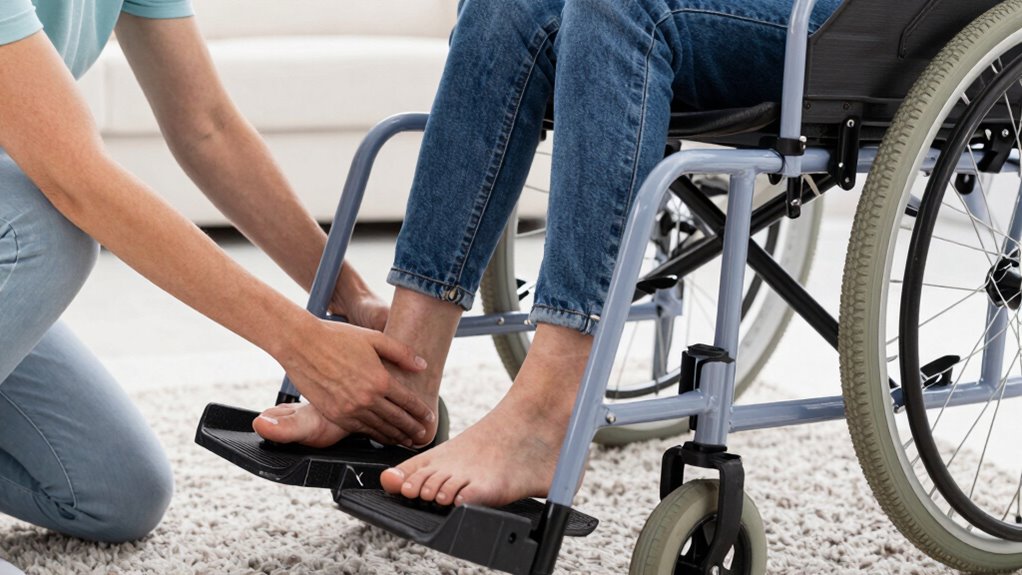
To keep feet safe, you need effective training and support strategies for both caregivers and users. Showing proper techniques, conducting regular safety drills, and establishing clear communication methods are key. These steps help everyone stay alert and respond quickly to potential hazards.
Proper Technique Demonstration
Proper technique demonstration is essential for ensuring that caregivers and users can safely and effectively handle wheelchair foot safety. When teaching foot placement, emphasize positioning the feet flat and aligned with the footrests to prevent injuries. Demonstrate transfer techniques that minimize strain, such as locking brakes before moving and supporting the user’s weight properly. Clear, step-by-step guidance helps users develop confidence and independence.
You should also focus on:
- Proper foot placement to avoid dragging or pinching.
- Safe transfer techniques that protect both the caregiver and user.
- Consistent practice of these methods until they become second nature.
Regular Safety Drills
How can caregivers and users make certain they remain prepared for unexpected situations? Regular safety drills are essential. These drills help you practice quick responses, recognize medication side effects, and perform wheelchair maintenance checks. By simulating emergencies, you build confidence and reduce injury risk. Use the table below to structure your drills:
| Scenario | Action Required | Equipment Needed |
|---|---|---|
| Sudden wheelchair tip | Stabilize wheelchair, check footrests | Wheelchair maintenance kit |
| Medication side effects | Recognize symptoms, call for help | Medication list, emergency contacts |
| Obstacle obstacle | Clear obstruction, ensure foot safety | Safety gloves, flashlight |
Consistent practice guarantees safety, quick reactions, and proper handling during real emergencies.
Clear Communication Methods
Effective communication is essential for ensuring safety and independence for wheelchair users. Clear signaling gestures and verbal cues help prevent accidents, especially when guiding foot placement or alerting about obstacles. To improve communication, consider these strategies:
- Use consistent signaling gestures, like pointing or hand signals, to indicate when to move or stop.
- Employ clear verbal cues, such as “foot first” or “stay alert,” to reinforce instructions.
- Encourage both caregivers and users to practice active listening and confirm understanding before moving forward.
Frequently Asked Questions
How Do I Know if My Wheelchair Footrest Is Properly Adjusted?
You know your wheelchair footrest is properly adjusted when your feet rest comfortably with the knees slightly higher than your hips, ensuring correct foot positioning. Check that the footrest height allows your heels to stay supported without pressure, and your feet are flat on the footplate. When you move or shift, the footrest shouldn’t slip or cause discomfort. Regularly adjust and test to maintain ideal footrest adjustment and foot positioning.
Can Footwear Improve Foot Safety in Wheelchair Users?
Think of footwear selection and shoe modifications as the foundation of your safety house. When you choose supportive shoes with non-slip soles, you lower your risk of foot injuries. Custom inserts or straps can keep your feet secure, preventing slips or trips. Proper footwear acts like a sturdy roof, protecting you and ensuring your feet stay safe and comfortable during daily wheelchair use.
What Should I Do if I Experience Foot Pain During Wheelchair Use?
If you experience foot pain during wheelchair use, stop immediately to prevent further foot injury. Check your footwear for proper fit and support, and modify or replace if necessary. Rest your feet and elevate them to reduce discomfort. If pain persists or worsens, consult a healthcare professional to assess for possible injuries or underlying issues. Acting promptly helps protect your feet and ensures safe, comfortable wheelchair use.
Are There Specific Exercises to Strengthen Foot and Ankle Stability?
Did you know ankle injuries account for nearly 25% of wheelchair-related injuries? To improve your ankle stability, try simple ankle strengthening and balance exercises. Move your ankles in circles, point and flex your feet, and practice standing or sitting on one leg. Incorporate these exercises daily to boost strength and balance, reducing injury risk and ensuring safer wheelchair use. Always consult a healthcare professional before starting new routines.
How Often Should Wheelchair Users Have Foot and Leg Assessments?
You should have foot and leg assessments at least once a year, or more often if you notice discomfort or changes in sensation. Regular assessment helps guarantee your footwear choices are appropriate and your feet are properly supported. Staying proactive with these evaluations reduces injury risk and keeps your mobility safe. Always discuss your assessment schedule with your healthcare provider to tailor it to your specific needs.
Conclusion
By following the ‘feet first’ rule, you protect your feet from injuries, prevent accidents, and promote safety. You stay aware of your surroundings, you use proper transfer techniques, and you keep your environment safe. You train yourself and your caregivers, you check your equipment regularly, and you prioritize your foot health every day. By making safety a habit, you create a safer space, a stronger confidence, and a healthier future for yourself.
Flea & tick season Picks
flea and tick prevention
As an affiliate, we earn on qualifying purchases.