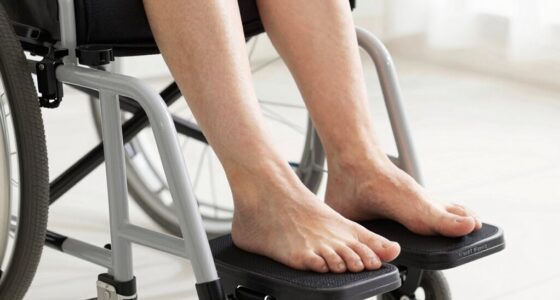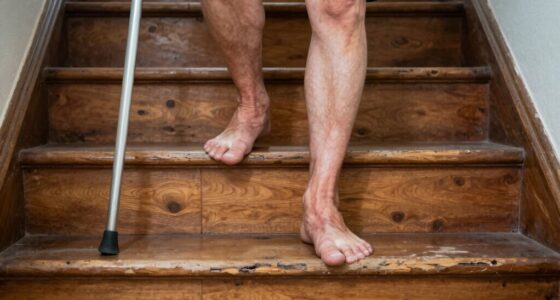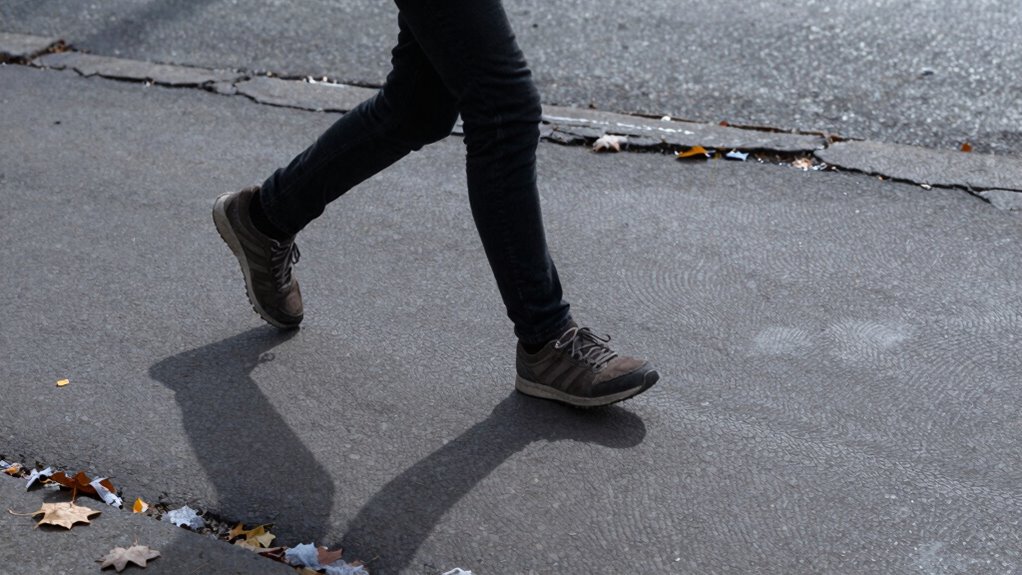

If you notice shuffling, dragging, or freezing when you walk, don’t ignore these signs. These gait changes can signal underlying neurological problems like Parkinson’s disease, balance issues, or muscle rigidity. Spotting early signs and seeking medical advice is vital to prevent falls and preserve your mobility. Understanding what causes these changes and when to get help can make a big difference—there’s more you should know to stay safe and mobile.
Key Takeaways
- Shuffling, dragging, and freezing are subtle gait signs linked to neurological issues like Parkinson’s disease.
- Early detection of these gait changes can prevent falls and preserve mobility.
- Persistent gait problems should prompt medical evaluation for underlying neurological or musculoskeletal causes.
- Balance and strength exercises, proper footwear, and professional therapy can improve walking difficulties.
- Recognizing early signs enables timely intervention, improving outcomes and maintaining independence.
As an affiliate, we earn on qualifying purchases.
Recognizing the Signs of Shuffling, Dragging, and Freezing
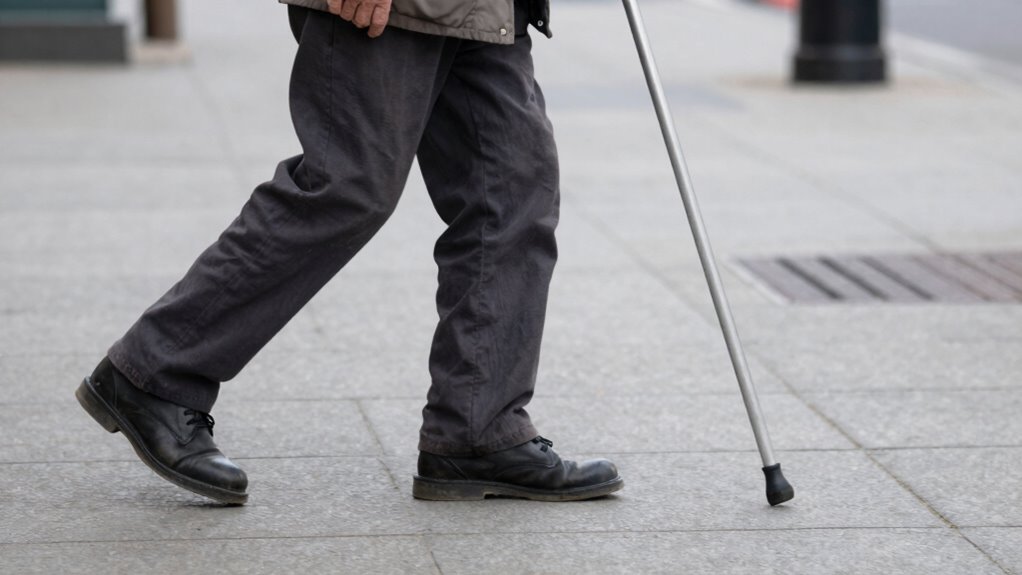
If you notice your movements becoming awkward or hesitant, it could be a sign of shuffling, dragging, or freezing. These gait changes often stem from balance issues and muscle rigidity, making it harder to start or continue walking smoothly. Shuffling involves taking small, sliding steps with little lift of the feet, while dragging can cause your foot to catch or stumble. Freezing may halt your movement altogether, leaving you stuck momentarily. These signs are subtle but important indicators that your walking pattern is changing. Pay attention to how your muscles feel—tight or stiff muscles can contribute to these gait issues. Recognizing these early signs helps you seek help sooner, potentially preventing falls and maintaining your independence. Additionally, environmental factors like air quality can influence muscle and neurological health, further affecting gait and movement. Maintaining good neurological health through lifestyle choices may help reduce the risk of gait disturbances.
balance and mobility support for seniors
As an affiliate, we earn on qualifying purchases.
As an affiliate, we earn on qualifying purchases.
What Causes Gait Changes Like Shuffling and Freezing?
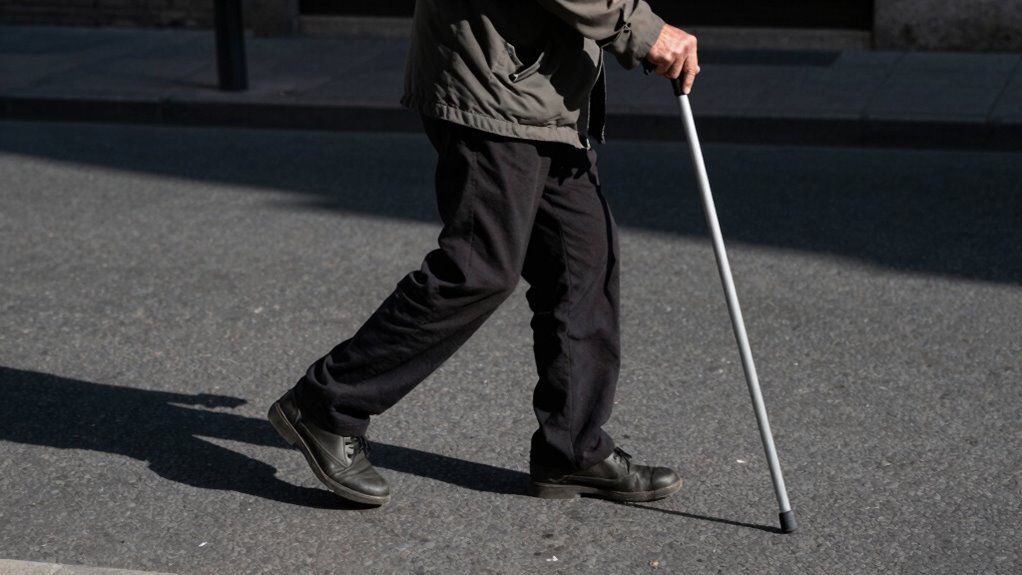
Gait changes like shuffling and freezing often result from neurological conditions that affect how your brain communicates with your muscles. These changes stem from disruptions in gait biomechanics, altering how your body coordinates movement. Conditions such as Parkinson’s disease or other neurodegenerative disorders can impair neural pathways responsible for smooth gait patterns, leading to freezing episodes or shuffling steps. Neuroplasticity mechanisms, which allow your brain to adapt and form new connections, may be involved in both the development and potential mitigation of these gait issues. When neural signals become inconsistent or delayed, your walking pattern becomes stiff, hesitant, or frozen. Understanding these underlying neurological factors is key to addressing gait abnormalities and improving mobility. Cultural activities in Washington D.C. can also influence overall well-being and motivation to manage gait issues. Additionally, emerging therapies like electric motor-assisted devices are being explored to help restore more natural gait patterns. Moreover, ongoing research aims to harness neuroplasticity to develop targeted interventions for gait rehabilitation. For example, neural interfaces are being investigated as potential tools to enhance communication between the brain and muscles, offering new hope for gait improvement. Exploring innovative rehabilitation technologies may further optimize recovery outcomes for individuals experiencing gait disturbances.
walking stability shoes for neurological issues
As an affiliate, we earn on qualifying purchases.
As an affiliate, we earn on qualifying purchases.
When Should You See a Doctor About Your Walking Difficulties?
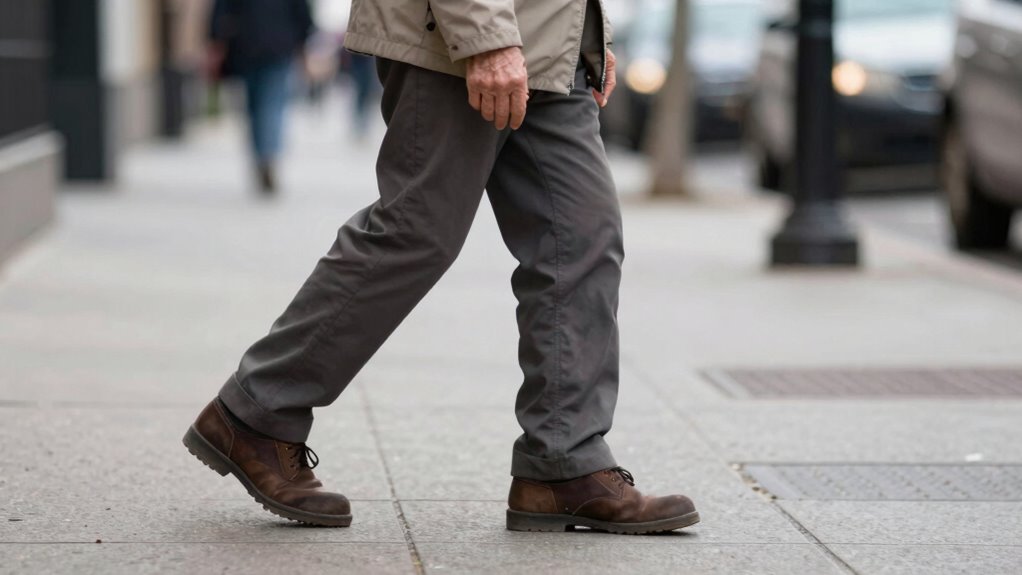
Noticing persistent or worsening walking difficulties should never be overlooked, especially if they resemble shuffling, freezing, or hesitation. If you experience these symptoms regularly, it’s time to see a doctor for a proper gait assessment. Early evaluation can identify underlying issues, such as neurological or musculoskeletal conditions. A healthcare professional can recommend appropriate interventions, including physical therapy, to improve your walking. Don’t wait until your mobility worsens or causes falls; prompt attention can preserve your independence. If your symptoms interfere with daily activities or are combined with other concerning signs, seek medical advice immediately. Addressing these changes early ensures you get targeted treatment to manage or slow progression, helping you stay mobile and safe. Understanding hive stability and its impact on bee health underscores the importance of early detection of issues to maintain overall system balance. Recognizing subtle changes in gait can also provide early clues about other health concerns, emphasizing the importance of early detection. Consulting a specialist can help determine if your symptoms are related to neurological conditions that require specific treatment. Additionally, paying attention to muscle strength and coordination can be critical in assessing the severity and potential causes of walking difficulties. Being aware of muscle weakness patterns can further aid in pinpointing underlying causes and tailoring appropriate care.
As an affiliate, we earn on qualifying purchases.
Early Signs That May Signal Serious Neurological Conditions
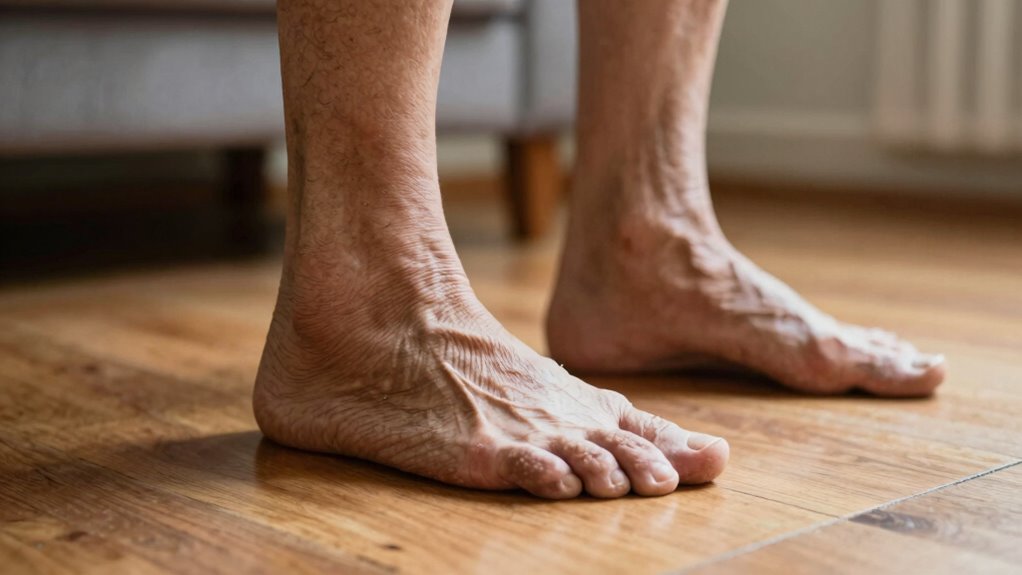
Early signs of serious neurological conditions can often be subtle but are crucial to recognize. During a gait assessment, you might notice unsteady steps, uneven stride, or a tendency to drag your feet. These changes can indicate underlying issues that require prompt attention. Additionally, neurological screening can reveal early symptoms like weakness, numbness, or coordination problems. Keep an eye out for sudden balance issues or difficulty initiating movement, as they may signal serious concerns. Ignoring these signs can delay diagnosis and treatment. If your walking pattern changes unexpectedly or you experience other neurological symptoms, consult a healthcare professional promptly. Being aware of mobility changes and seeking timely evaluation can make a significant difference in managing potential conditions effectively. Monitoring glycolic acid benefits in skincare routines can also impact overall skin health, which sometimes correlates with neurological health through systemic effects. Awareness of early detection methods can further aid in timely intervention. Recognizing subtle neurological symptoms, such as minor coordination issues, can be vital for early diagnosis and better outcomes. Additionally, paying attention to subtle motor signs can help catch issues before they progress.
How to Manage and Improve Walking Difficulties
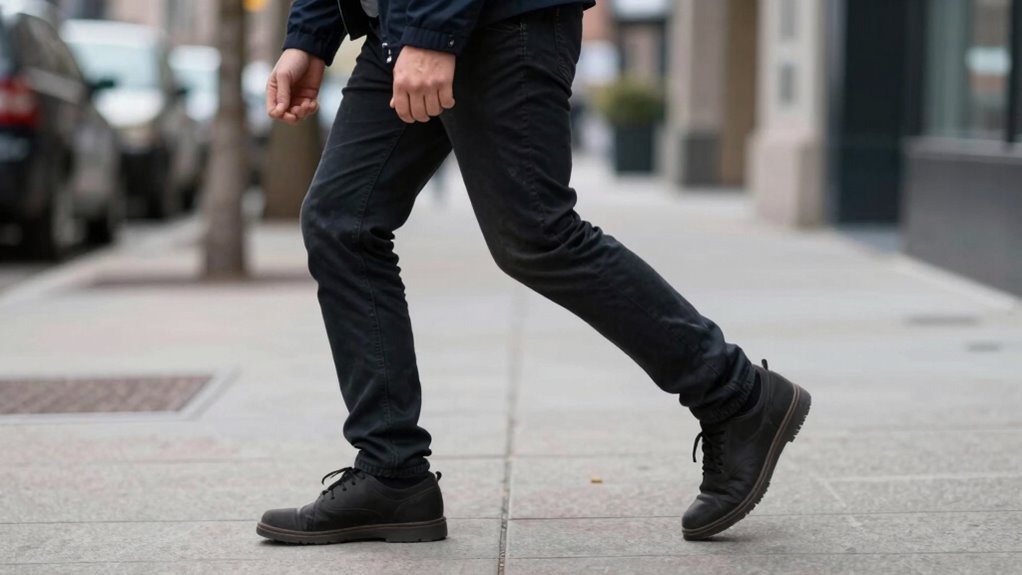
When you experience walking difficulties, taking proactive steps can help improve your mobility and reduce the risk of falls. Incorporate targeted exercise routines, such as balance and strength training, to enhance muscle control and stability. Regular activity can also boost confidence in your movements. Pay close attention to footwear choices; select shoes that provide proper support, cushioning, and grip to prevent slipping and improve comfort. Avoid worn-out shoes and opt for styles designed for stability. Staying consistent with these habits makes a significant difference. Additionally, consult a healthcare professional or physical therapist for personalized advice and possible therapies. Inclusive casting and diverse representation in footwear and assistive devices are important to ensure comfort and accessibility for everyone. Managing your walking difficulties proactively can restore independence and help you navigate daily activities with greater ease and safety. Recognizing balance issues early can also lead to timely interventions that prevent further complications.
Frequently Asked Questions
Can Lifestyle Changes Prevent or Delay Gait Deterioration?
Yes, lifestyle changes can prevent or delay gait deterioration. You should incorporate mindfulness training and stress management techniques to improve your overall balance and coordination. Regular exercise, like walking or strength training, also helps maintain mobility. Managing stress reduces muscle tension and improves focus, which benefits your gait. Staying proactive with these habits can slow down changes and keep you moving confidently longer.
Are There Specific Exercises That Help Improve Walking Issues?
Think of your legs as the roots of a tree, strengthening them keeps your stability strong. Heel lifts and balance exercises act like water and fertilizer, nourishing your walking ability. Incorporate heel lifts daily to boost ankle strength, and practice balance exercises to improve coordination. These simple, focused activities help improve gait, reduce shuffling, and keep your steps steady, ensuring your foundation remains resilient and confident with each stride.
How Do Medications Influence Gait Symptoms and Progression?
Medications can considerably influence your gait symptoms and progression. While they may help reduce symptoms like freezing or shuffling, they can also cause side effects such as dizziness or impaired coordination. It’s essential to work closely with your doctor for dosage adjustments, ensuring ideal benefits with minimal side effects. Regular monitoring helps manage how medications impact your walking, helping you maintain better mobility and reduce the risk of falls.
What Role Does Nutrition Play in Neurological Health Affecting Walking?
Your diet impact on neurological health is profound—you could fuel your brain like a powerhouse or leave it depleted. Consuming foods rich in brain nutrients like omega-3s, antioxidants, and vitamins supports nerve function and muscle coordination. Proper nutrition enhances your walking ability, reducing symptoms and improving mobility. Focus on a balanced diet to maintain ideal neurological function, making every step stronger and more confident.
Can Assistive Devices Completely Restore Normal Walking?
Assistive technology and gait analysis can markedly improve your walking, but they can’t always restore it to perfect normalcy. These tools help optimize your mobility and address underlying issues, yet some neurological conditions or injuries may limit full recovery. You should work closely with healthcare professionals to customize your assistive devices and undergo gait analysis, ensuring the best possible outcome for your specific situation.
Conclusion
Pay attention to changes like shuffling, dragging, or freezing—you might think they’re just age-related, but research suggests they often signal underlying neurological issues. Addressing these symptoms early can improve your quality of life and even slow disease progression. While some believe these changes are inevitable, studies indicate that prompt medical attention and targeted therapies can make a real difference. Don’t ignore your walking difficulties—your proactive response could be the key to better health.