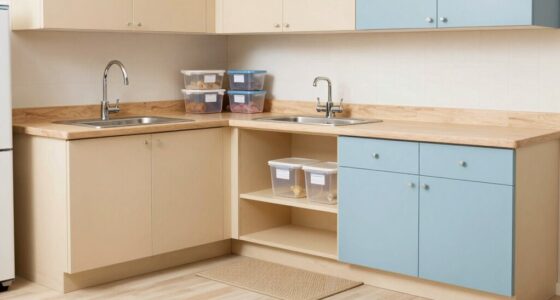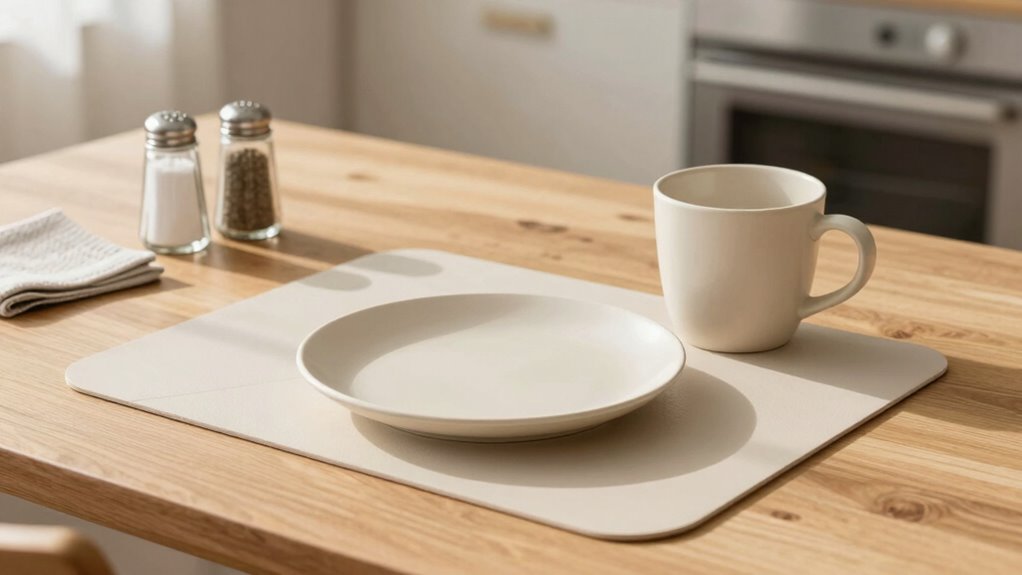

To reduce meal confusion and encourage independence, opt for simple, well-organized table setups with clear visual cues and accessible designs. Use contrasting colors, logical placement, and easy-to-handle utensils to help you quickly identify and reach items. Keep the table uncluttered and ensure ergonomic arrangements suited to your needs or those you serve. These thoughtful details boost confidence and make self-service easier. Continue exploring for practical tips to set up effective, independent-friendly tables.

Turn quiet afternoons into listening time
- Thousands of audiobooks, podcasts and originals
- Listen on your phone, tablet or Echo — also offline
- Cancel anytime
Key Takeaways
- Use distinct, contrasting colors and tactile markers to help guests identify utensils, plates, and glasses easily.
- Arrange tableware logically with minimal clutter to simplify navigation and reduce confusion.
- Incorporate visual cues like signage or labels for quick item recognition and self-service.
- Select age-appropriate, durable utensils and dishes designed for easy handling and safety.
- Maintain consistent placement and organization to foster familiarity and promote independent dining.
adaptive tableware for independence
As an affiliate, we earn on qualifying purchases.
As an affiliate, we earn on qualifying purchases.
Why Simple, Adaptive Table Setups Promote Independence

Simple, adaptive table setups encourage independence because they make it easier for you to navigate your meals without relying heavily on assistance. Visual cues, like clearly distinguished utensils, plates, and glasses, help you recognize where everything belongs, reducing confusion. A well-organized table can also minimize emotional turbulence, allowing for a more relaxed dining experience. Effective space management ensures that items aren’t crowded, allowing you to reach and use each piece comfortably. When the table is organized with minimal clutter and logical placement, you can focus on eating rather than searching for utensils or figuring out where things go. These straightforward arrangements boost confidence and foster autonomy during meals. Color contrast in table settings also plays a role in making items more distinguishable, enhancing visual cues and reducing errors. By reducing complexity through clear visual cues and thoughtful space management, you’re empowered to manage your dining experience more independently and comfortably. Incorporating auditory feedback techniques can also aid in reinforcing the organization and placement of items at the table. Additionally, using crochet styles for locs as a metaphor for organizing items visually can inspire creative and effective setup ideas. Incorporating design principles can further optimize the table layout for better accessibility and independence.
contrast color utensils and plates
As an affiliate, we earn on qualifying purchases.
As an affiliate, we earn on qualifying purchases.
Essential Features of Self-Help Friendly Table Settings
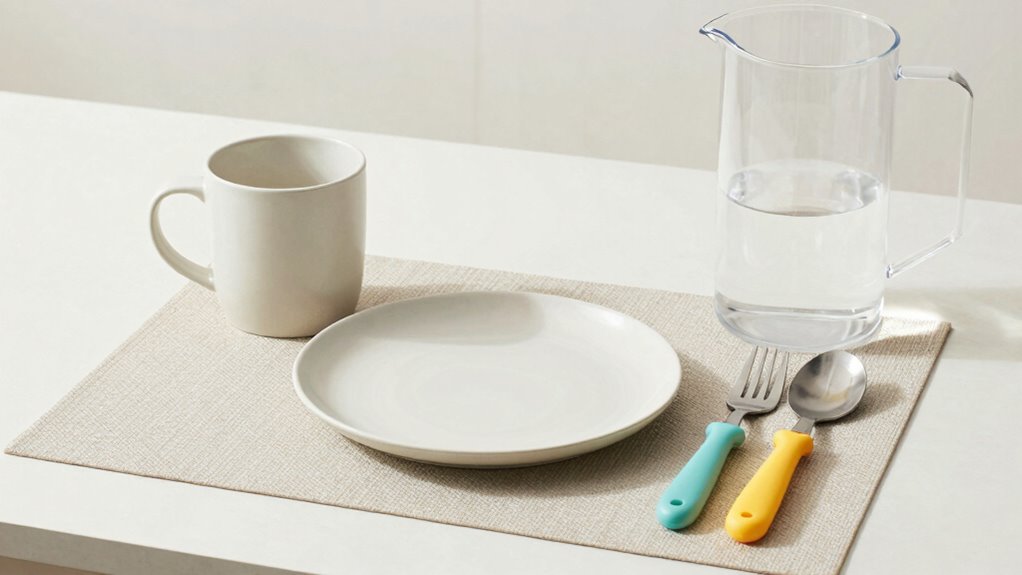
To create a self-help friendly table setting, focus on features that promote ease of use and independence. Clear, minimal arrangements help individuals navigate their place settings without confusion. Use simple, accessible utensils and dishes that are easy to handle and identify, reducing frustration. Incorporate cues like contrasting colors or tactile markers to assist those with visual or tactile needs. Respect cultural table manners and dining etiquette by placing utensils in familiar positions and maintaining appropriate spacing. Avoid clutter and unnecessary items that could overwhelm or distract. Guarantee that settings are stable and safe, with non-slip mats if needed. Additionally, considering accessible design features ensures that people with diverse needs can participate comfortably. Incorporating zodiac traits insights can also help tailor table settings to individual preferences and personalities, enhancing comfort. Understanding ergonomic principles can further improve the comfort and safety of table setups for all users. Being mindful of individual differences in physical abilities and preferences helps create a more inclusive environment. Paying attention to user-centered design principles can optimize functionality and user satisfaction. By prioritizing clarity, simplicity, and cultural considerations, you’ll foster an environment where everyone can participate comfortably and confidently.
As an affiliate, we earn on qualifying purchases.
Tips for Creating Child-Friendly and Safe Table Arrangements
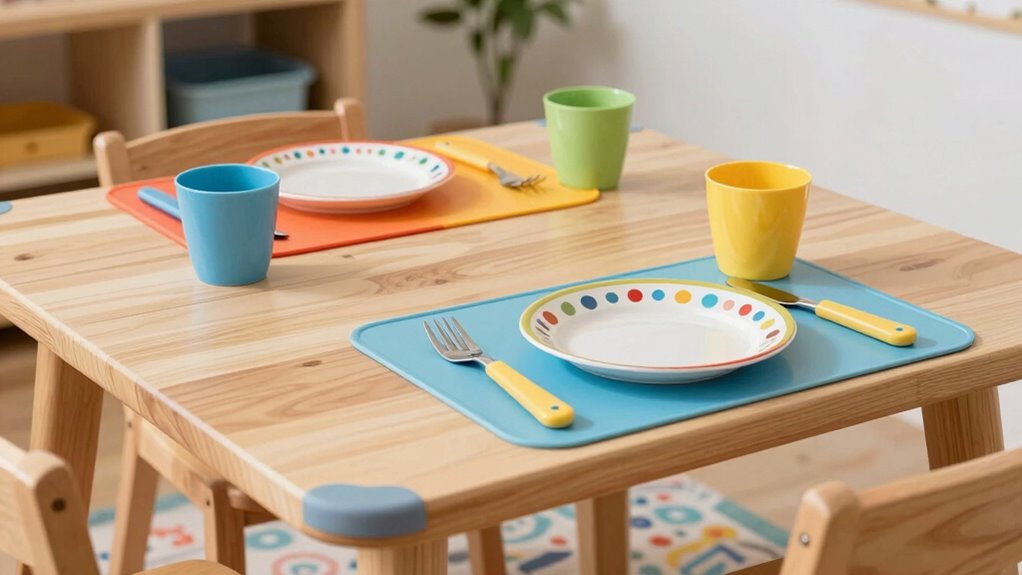
Creating child-friendly and safe table arrangements begins with selecting age-appropriate utensils and dishes that are easy for children to handle and unlikely to break. Use colorful, non-slip placemats to prevent slipping and spills, helping children develop good dining etiquette. Choose cups with lids to avoid messes and promote independence. Incorporate utensils with ergonomic handles so small hands can grasp them comfortably. Think about cultural traditions by including items like small bowls or chopsticks, teaching kids respect for different dining customs. Visualize a setup where children can easily reach their plates, utensils, and cups without assistance, fostering confidence and independence. A well-thought-out table encourages good manners, reduces accidents, and makes mealtime enjoyable for everyone. Additionally, selecting appropriate tableware materials that are durable and safe further enhances the overall safety and independence during meals. Considering child-safe design features can also significantly reduce hazards and make the dining experience more secure. Incorporating cabling solutions such as cable clips or covers can help prevent tripping hazards around the table area, promoting a safer environment for active children. Moreover, choosing child-friendly materials that are dishwasher-safe and easy to clean can streamline cleanup and reduce exposure to harmful substances. Using non-toxic, BPA-free materials ensures that the tableware remains safe for children, especially during frequent use.
As an affiliate, we earn on qualifying purchases.
Making Tableware Accessible for Seniors and Limited Mobility
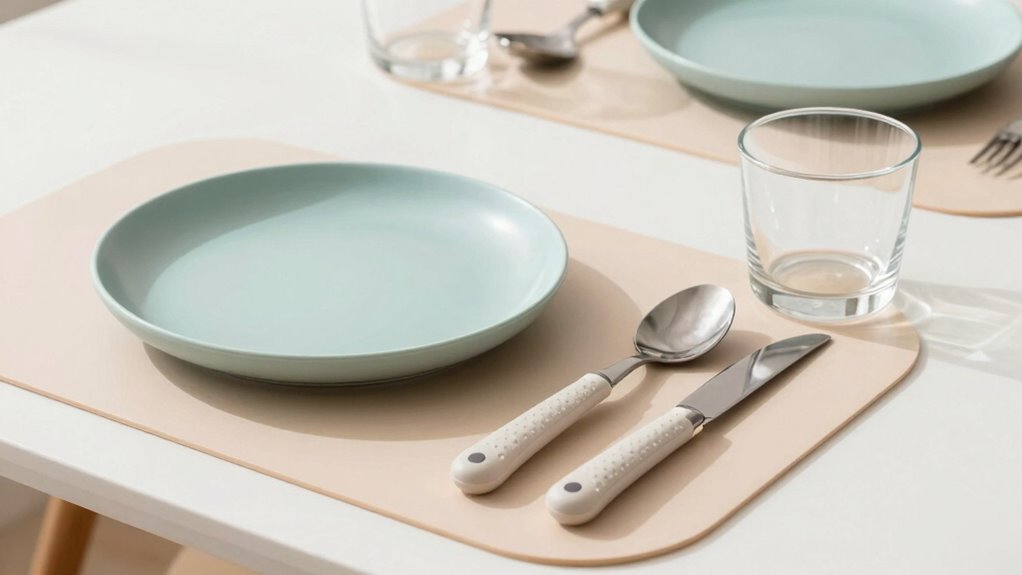
Ensuring tableware is accessible for seniors and individuals with limited mobility requires thoughtful design choices that promote independence and safety. Using a plate with a contrasting color helps users easily distinguish the edges and contents, reducing spills and frustration. Opt for plates with non-slip bases to keep them stable during meals. When choosing utensils, prioritize ergonomic designs with thick, easy-to-grip handles that minimize effort and improve control. Consider utensils with textured grips or angled heads to accommodate limited dexterity. Incorporating shipwreck preservation techniques into the design process can inspire innovative ways to enhance stability and durability of tableware. Additionally, integrating ergonomic principles can further optimize the functionality and comfort of the tableware. Conducting material testing ensures that the tableware can withstand daily use and cleaning without degradation. Applying inclusive design principles can help create solutions that benefit a wider range of users with varying needs. Recognizing the importance of user-centered design can lead to more effective and meaningful adaptations. These small adjustments can make a significant difference, allowing those with mobility challenges to eat more independently. By focusing on plate color and utensil design, you create a more inclusive, safe, and user-friendly dining experience.
Common Challenges and How to Fix Them in Self-Serve Table Setups
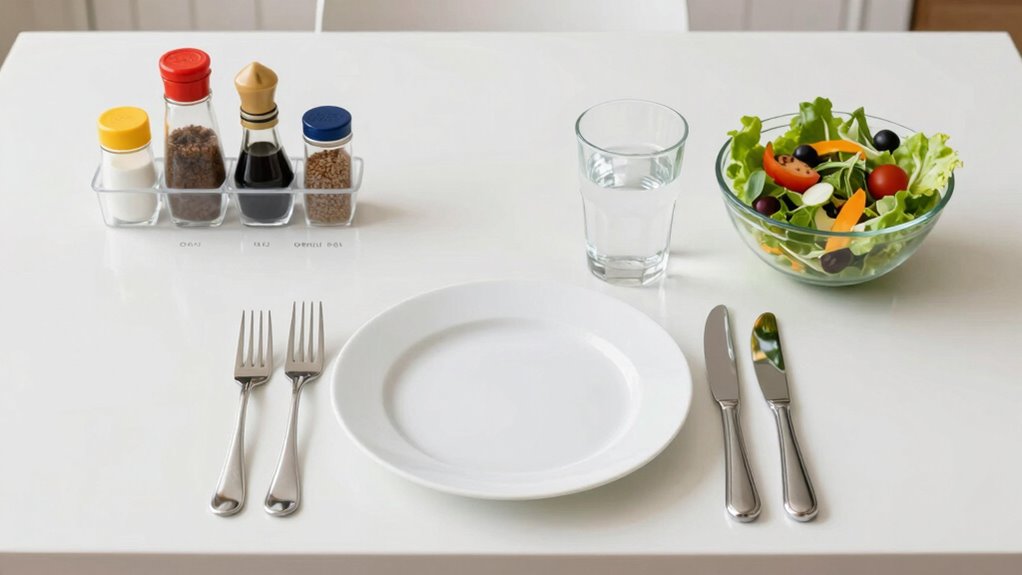
Self-serve table setups often face challenges like overcrowding, unclear signage, and difficulty accessing items quickly. Distracting table clutter can overwhelm diners and hinder independence. Confusing utensil placement adds to the chaos, making it hard to find what you need. To fix these issues:
Simplify table layouts and clear signage to reduce clutter and improve access for diners.
- Simplify the layout by removing unnecessary items, reducing distracting clutter.
- Use clear, large signage to guide guests effortlessly.
- Arrange utensils and dishes logically, keeping frequently used items within easy reach.
- Implement efficient layout techniques to maximize space and improve flow. Additionally, considering the outdoor environment and weather conditions can help ensure the setup remains functional and comfortable for all guests. Being mindful of environmental factors can further enhance the overall effectiveness of your self-serve table. Paying attention to space optimization can also help prevent overcrowding and improve accessibility for all diners.
Frequently Asked Questions
How Can I Personalize Table Setups for Different Dietary Needs?
You can personalize table setups by using personalized placemats that reflect each person’s dietary needs. Incorporate dietary customization by arranging utensils, plates, and glasses tailored to specific restrictions or preferences. Label items clearly or include visual cues to help everyone identify their food options easily. This thoughtful approach makes mealtime more accessible and comfortable, fostering independence while respecting individual dietary requirements.
What Are Cost-Effective Ways to Implement These Table Arrangements?
Coincidences often lead to smart savings, so start with budget tips like repurposing everyday items for table setups. Use DIY ideas such as painting or decorating plain plates and glassware to personalize without extra cost. You can also thrift for unique pieces or reuse materials from around your home. These simple, cost-effective strategies help you create functional, attractive arrangements that boost independence without breaking the bank.
How Do I Encourage Children to Use Self-Serve Table Settings?
You can encourage children to use self-serve table settings by offering child-led choices and clear visual cues. Let them select their plates, utensils, and napkins, empowering independence. Use colorful images or labels to guide their choices, making the process fun and straightforward. Consistently model the behavior, praise their efforts, and create a routine. This approach helps children feel confident and motivated to serve themselves.
What Are the Best Cleaning Practices for Adaptive Table Setups?
You should regularly clean your adaptive table setup by washing the tablecloth after each use to maintain good tablecloth maintenance. Sanitize utensils thoroughly before and after meals to guarantee proper utensil sanitation. Use non-toxic cleaning agents and follow manufacturer instructions for any table accessories. Wipe down surfaces frequently, especially if spills occur, and store items properly to keep the environment safe, clean, and ready for the next meal.
How Can Technology Enhance Independent Dining Experiences?
You might think technology complicates dining, but assistive technology actually makes it more independent and enjoyable. Smart dining tools, like voice-activated devices or automated utensils, help you manage meals with ease, reducing reliance on others. These innovations enhance your control, boost confidence, and create a more personalized experience. Embracing smart dining transforms mealtime into a moment of autonomy, empowering you to dine comfortably and independently every day.
Conclusion
Designing deliberate, doable, and delightful table setups boosts independence and banishes barriers. By simplifying setups, making tableware accessible, and addressing common challenges, you create a space where everyone can serve themselves safely and successfully. Your thoughtful touch transforms mealtime into a moment of mastery and mutual comfort. So, take these tips, tailor them to your table, and watch confidence grow as your family flourishes around a functional, friendly feast!
Fall Picks
fall essentials
As an affiliate, we earn on qualifying purchases.