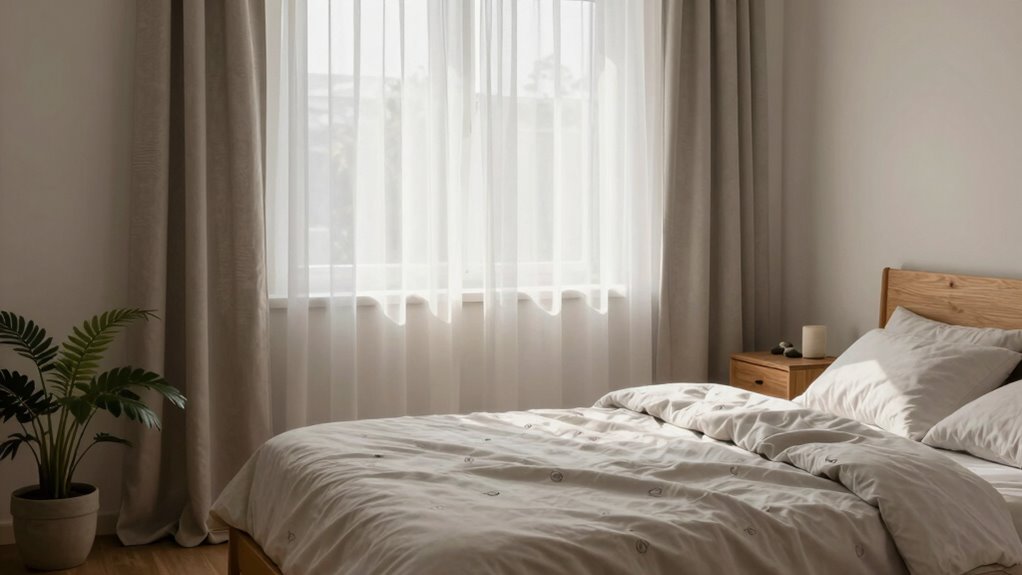

To create a calm, non-overstimulating bedroom for someone with dementia, use soothing and muted colors like soft blues or greens and keep decorations simple. Make certain the space is organized, clutter-free, and familiar with personal items like photos or blankets. Incorporate gentle lighting, soft textures, and calming scents such as lavender. Minimize noise and distractions, and design clear pathways for safety. For more tips on making a peaceful environment, explore further suggestions below.

Turn quiet afternoons into listening time
- Thousands of audiobooks, podcasts and originals
- Listen on your phone, tablet or Echo — also offline
- Cancel anytime
Key Takeaways
- Use soothing colors, minimal decorations, and familiar personal items to create a peaceful, clutter-free environment.
- Arrange furniture to keep pathways clear, well-lit, and unobstructed, enhancing safety and orientation.
- Incorporate gentle scents, soft fabrics, and warm lighting to promote sensory comfort and relaxation.
- Reduce noise with soundproofing, white noise, and blackout curtains to minimize overstimulation.
- Maintain consistent furniture placement and organized belongings to support familiarity and reduce confusion.
dementia calming bedroom lighting
As an affiliate, we earn on qualifying purchases.
As an affiliate, we earn on qualifying purchases.
Why a Calm Bedroom Matters for Dementia Care
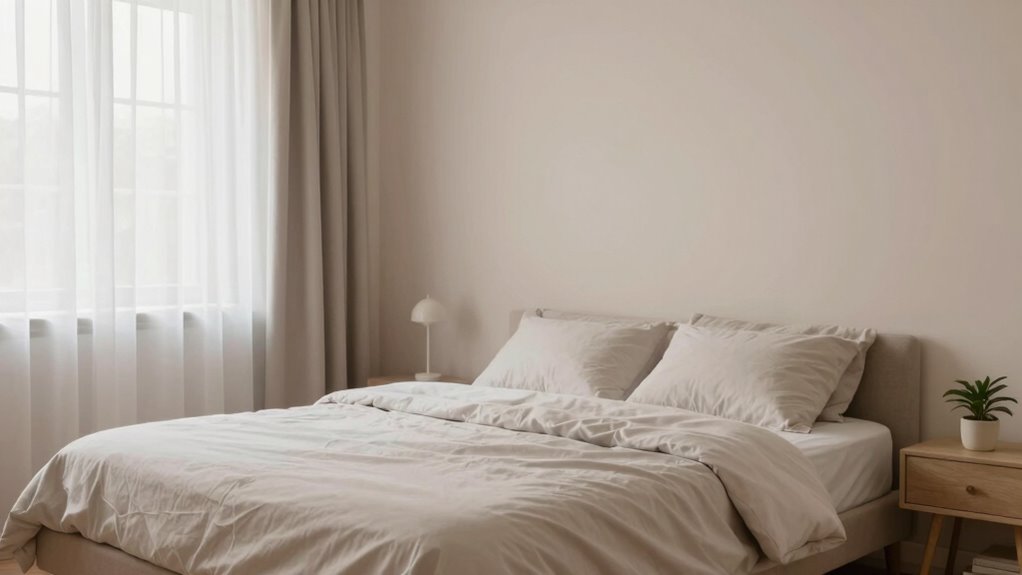
Creating a calm bedroom is essential for effective dementia care because it provides a peaceful environment that reduces confusion and agitation. Incorporating simple decorative accents can add warmth without overwhelming the senses. Personal mementos, like family photos or favorite keepsakes, help foster familiarity and comfort, grounding your loved one in their surroundings. These items offer reassurance and a sense of identity, which are crucial for reducing anxiety. Keep decorations minimal and avoid clutter to maintain a serene space. When thoughtfully chosen, decorative accents and personal mementos create a gentle, inviting atmosphere that promotes relaxation. Utilizing Free Floating design principles can help create a balanced and harmonious space that supports mental well-being. In addition, selecting appropriate lighting can significantly influence mood and alertness, fostering a calming environment. Incorporating soothing colors can also enhance the sense of tranquility and reduce overstimulation. Being mindful of contrast ratio can ensure that visual elements are easy to distinguish, further reducing confusion. This calm environment not only helps your loved one feel safe but also encourages better sleep and reduces behavioral issues linked to overstimulation.
soothing scents for dementia care
As an affiliate, we earn on qualifying purchases.
As an affiliate, we earn on qualifying purchases.
Choose Soothing Colors and Simple Visuals to Reduce Overstimulation
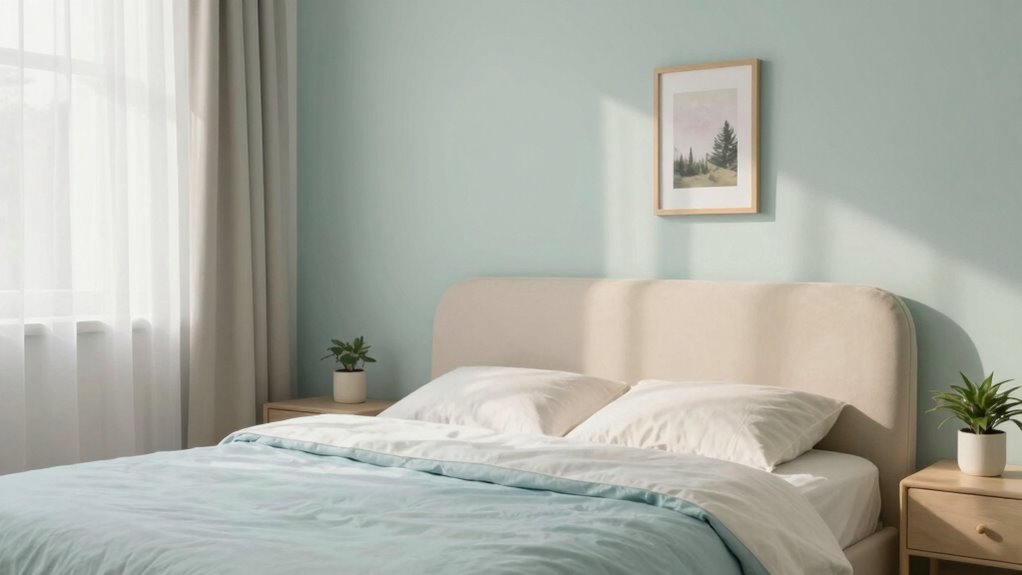
Choosing soothing colors and simple visuals is key to creating a calming bedroom for someone with dementia. Soft, muted tones like gentle blues, greens, or neutrals help prevent overstimulation and promote relaxation. Avoid bright, bold colors that can be overwhelming. Keep visuals minimal and straightforward—avoid busy patterns or cluttered decorations that can confuse or distract. Instead, opt for clear, familiar images or simple artwork that provides comfort without chaos. Incorporating inclusive design principles ensures the environment is welcoming for all individuals. The goal is to create a peaceful environment that feels safe and welcoming. By selecting soothing colors and simple visuals, you help reduce sensory overload and encourage calmness, making it easier for your loved one to relax and rest peacefully. Paying attention to sensory overload can further enhance the calming effect of the space. Additionally, understanding how curiosity influences our perception can help in choosing visuals that are engaging yet not overwhelming, fostering a sense of comfort and familiarity. Being mindful of visual complexity also helps in maintaining a serene environment that doesn’t inadvertently stimulate or confuse. Recognizing the importance of perceptual simplicity can further support a calming atmosphere by minimizing unnecessary visual distractions.
furniture with clear pathways for safety
As an affiliate, we earn on qualifying purchases.
As an affiliate, we earn on qualifying purchases.
Select Soft Bedding and Gentle Lighting for Better Sleep

Selecting soft bedding and gentle lighting can considerably improve sleep quality for someone with dementia. Use luxury linens that feel smooth and inviting to create a cozy, calming environment. Avoid rough or noisy fabrics that might disturb rest. Incorporate decorative pillows thoughtfully; opt for simple designs and soft textures to add comfort without overstimulation. Keep pillows minimal to prevent clutter and distraction. Choose lighting that’s warm, dim, and adjustable, avoiding harsh or bright lights that can cause confusion or agitation. Gentle lighting helps signal bedtime and promotes relaxation. Using appropriate lighting can further enhance a calming atmosphere conducive to restful sleep. By combining soft bedding with soothing lighting, you create a peaceful space that encourages restful sleep and reduces potential stress or overstimulation for your loved one.
As an affiliate, we earn on qualifying purchases.
Minimize Noise and Distractions in the Bedroom
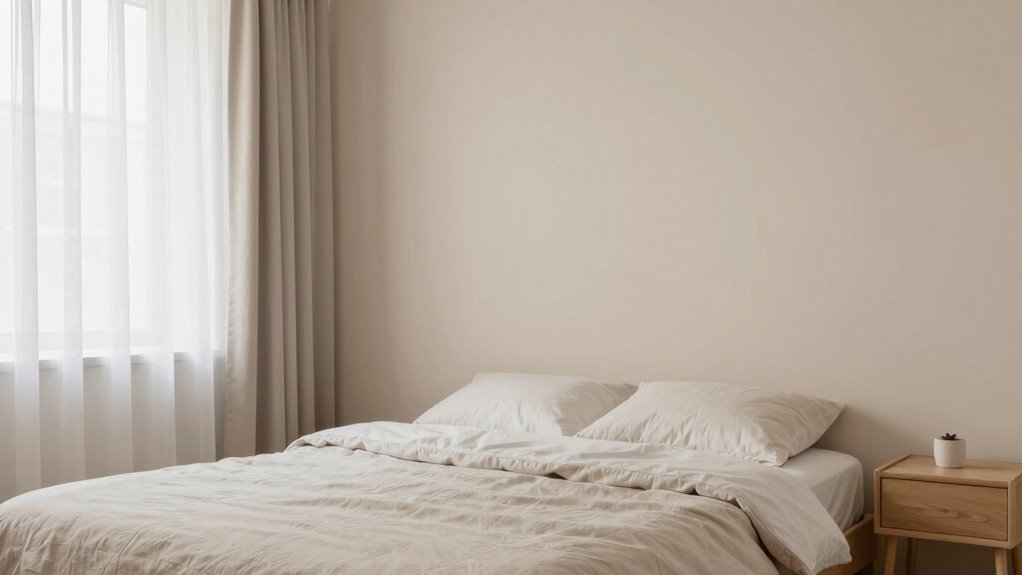
A calm, quiet bedroom helps your loved one with dementia feel more secure and relaxed, especially as they prepare for sleep. To achieve this, focus on noise reduction and distraction minimization.
A peaceful, clutter-free bedroom promotes security and relaxation for loved ones with dementia.
- Use soft, thick curtains to block outside sounds
- Add a white noise machine or fan to mask household noises
- Remove clutter and unnecessary objects that can cause visual distraction
- Keep electronics and bright screens out of the bedroom to avoid sudden flashes or sounds
- Consider installing acoustic panels or weatherstripping to further reduce noise transmission and create a more soundproof environment.
- Incorporate soundproofing materials and techniques to enhance overall noise reduction and promote a peaceful atmosphere.
Add Gentle Scents and Soft Textures for Comfort

Incorporating gentle scents and soft textures into the bedroom creates a soothing environment that can help your loved one with dementia feel more at ease. Use aromatic diffusers with calming fragrances like lavender or chamomile to promote relaxation without overwhelming the senses. These diffusers provide a subtle, continuous scent that promotes comfort and reduces agitation. Adding textured blankets made from soft, natural fabrics enhances tactile comfort, giving your loved one something soothing to touch and hold. These gentle sensory elements create a calming atmosphere without overstimulation. Keep scents subtle and textures simple to avoid overwhelming their senses. Creating a cozy environment with natural light and wellness touches further supports their well-being. Incorporating sensory-friendly design principles, such as gentle lighting and noise reduction, can also enhance their comfort. For example, using non-intrusive sensory elements ensures a peaceful space. Including calming colors in the decor can further promote a tranquil setting. Additionally, selecting appropriate lighting that minimizes glare helps prevent discomfort. Together, these touches help foster a peaceful space that encourages restful sleep and reduces anxiety.
Design a Clear, Easy-to-Navigate Layout for Safety and Independence
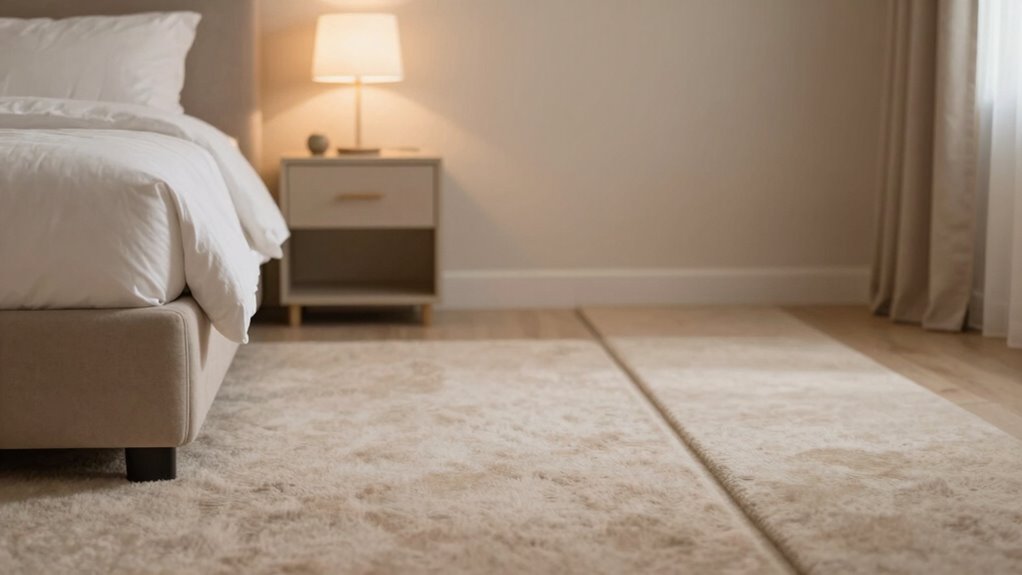
You should create clear pathways in the bedroom to help with movement and prevent accidents. Keep clutter to a minimum so your loved one isn’t confused or overwhelmed. A simple, organized layout promotes safety and encourages independence. Incorporating consistent design elements can further support orientation and familiarity within the space. Additionally, choosing sustainable textile care practices, such as using eco-friendly cleaning methods and fabric treatments, can contribute to a healthier environment and improve fabric longevity in the bedroom. Regularly maintaining safety devices like alarms and sensors can also ensure ongoing safety and peace of mind. Implementing proper cable management solutions ensures that electrical cords are safely organized, reducing tripping hazards. Incorporating wall art trends like digital frames or interactive murals can also create a calming and engaging atmosphere that enhances comfort and orientation.
Clear Pathways for Mobility
Ensuring clear pathways in the bedroom helps prevent accidents and promotes independence for someone with dementia. Arrange furniture thoughtfully to keep the main walking areas open and unobstructed, enhancing pathway visibility. Position beds, chairs, and dressers against walls, avoiding clutter in the center of the room. Use rugs with non-slip backing or remove them altogether to prevent trips. Keep pathways wide enough for easy navigation, ideally at least 36 inches. Consider adding lighting along pathways to improve visibility at night. Clear, well-defined routes help reduce confusion and make moving around safer. Visual cues like contrasting colors or simple signage can also guide your loved one smoothly, creating a secure environment that fosters confidence and independence. Selecting daisy varieties with bright colors can also improve room brightness and mood, contributing to a calming atmosphere.
Minimize Clutter and Confusion
A cluttered bedroom can easily lead to confusion and increase the risk of falls for someone with dementia. To minimize this, keep surfaces clear and only display essential items. Use artificial lighting strategically to eliminate shadows and create a well-lit environment, reducing disorientation. Limit decorative accents to simple, calming pieces that won’t distract or overwhelm. Organize belongings in designated spots so your loved one can find things easily and avoid unnecessary searching. Clear pathways should be free of obstacles, encouraging safe movement. By reducing clutter and confusion, you help promote independence and create a soothing space that feels safe and welcoming. A tidy, well-lit room with minimal decorative distractions helps your loved one maintain orientation and confidence.
Use Soundscapes and Light Therapy to Promote Restful Sleep
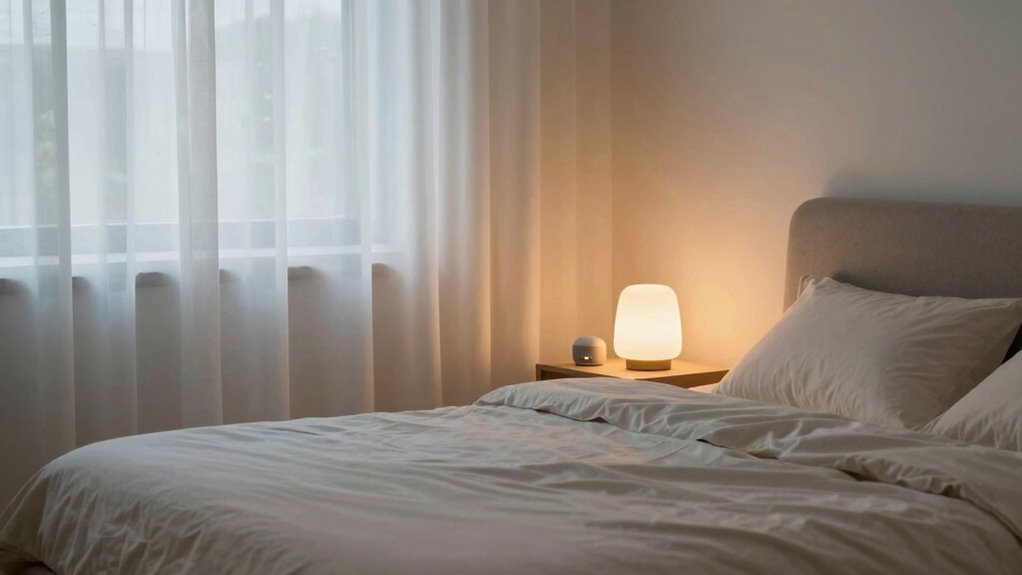
Using soothing soundscapes and gentle light therapy can markedly improve sleep quality for someone with dementia. You should choose calming sounds and adjust the volume to create a peaceful environment, while selecting soft lighting that mimics natural daylight. Fine-tuning brightness and volume helps establish a restful routine and reduces nighttime confusion.
Selecting Soothing Soundscapes
Choosing the right soothing soundscapes can markedly improve sleep quality for someone with dementia. Opt for gentle ambient melodies or calming nature sounds, which create a peaceful environment. These sounds should be consistent and non-intrusive, avoiding sudden loud noises or sharp changes. Imagine:
- Soft rain falling gently on leaves
- Whispering wind through trees
- Calm ocean waves rolling ashore
- Gentle birdcalls at dawn
These soundscapes help mask background noise and promote relaxation. Keep the volume low enough that it’s barely perceptible, creating a subtle background that encourages rest. The goal is to foster an environment of calm without overstimulation, making it easier for your loved one to unwind and drift into restful sleep.
Implementing Gentle Light Therapy
Implementing gentle light therapy can considerably improve sleep patterns for someone with dementia by aligning their circadian rhythms. Using light that mimics natural daylight helps reset internal clocks, promoting better rest. Consider the role of color psychology; soft, warm hues like amber or gentle whites evoke calmness without overstimulation. Light intensity should gradually change throughout the day, reducing in the evening to signal bedtime. The table below offers ideas for light therapy implementation:
| Time of Day | Light Color & Intensity | Purpose |
|---|---|---|
| Morning | Bright, warm white | Wakefulness, circadian reset |
| Afternoon | Moderate, neutral white | Sustained alertness |
| Evening | Dim, amber light | Prepare for sleep |
| Night | Very dim, warm tones | Minimize disruptions |
| Bedtime | No light or very soft | Signal sleep onset |
Adjusting Volume and Brightness
Have you ever noticed how the right combination of sound and light can ease someone into a peaceful sleep? Adjusting volume and brightness is key to creating a calming environment. Use gentle soundscapes with subtle volume adjustment to drown out disruptive noises without overwhelming. For brightness control, opt for soft, warm lighting that mimics natural evening tones, avoiding harsh or flickering lights. Visualize a bedroom where:
- Soft, low-volume nature sounds drift in the background
- Dimmed, warm bedside lamps cast a gentle glow
- Light levels gradually decrease as bedtime approaches
- Ambient noise remains steady and unobtrusive
These adjustments help promote restful sleep by reducing overstimulation. Proper volume adjustment and brightness control foster a soothing atmosphere, making it easier for someone with dementia to relax and drift off peacefully.
Tips for Maintaining a Peaceful, Stimulus-Free Bedroom Environment
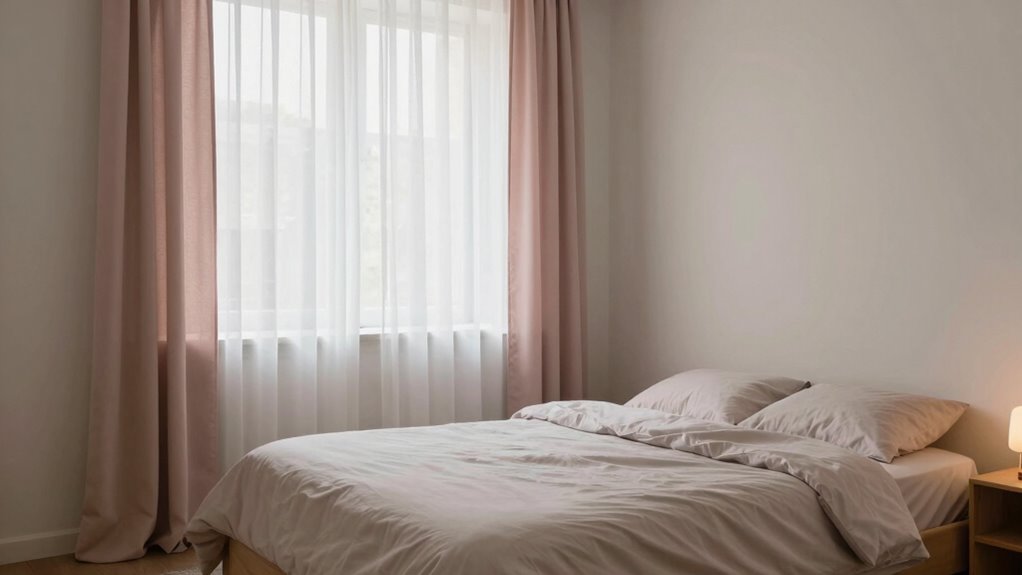
Creating a peaceful, stimulus-free bedroom is essential for calming the mind and reducing confusion in someone with dementia. Keep bedroom furniture simple and functional, avoiding clutter that can cause overstimulation. Opt for furniture with soft edges and in calming colors to promote relaxation. Limit decorative accessories; too many can be distracting. Choose a few meaningful items instead, like a family photo or a favorite blanket, to provide comfort without overwhelming the space. Keep surfaces clear and organized, making it easier for your loved one to find what they need without frustration. Subtle textures and muted tones in decor help maintain a soothing environment. Consistency in furniture placement and decor creates a familiar, calming space that feels safe and predictable.
Frequently Asked Questions
How Can I Personalize the Bedroom Without Creating Visual Clutter?
You can personalize the bedroom by adding meaningful décor, like family photos or favorite colors, while keeping visual simplicity. Choose a few key items that evoke positive memories without cluttering the space. Use clear, uncluttered surfaces and avoid excess decorations. This approach creates a warm, familiar environment that feels personalized but remains calming and easy to navigate, helping reduce confusion and overstimulation for someone with dementia.
What Are the Best Natural Materials for a Calming Dementia-Friendly Bedroom?
You’re on the right track to creating a soothing space. The best natural materials for a calming dementia-friendly bedroom include soft natural fibers like cotton and linen, which feel gentle and inviting. Opt for wooden furniture, known for its warm, grounding effect. These choices help keep the environment peaceful and comfortable, making your loved one feel secure. It’s a win-win that keeps overstimulation at bay while adding a cozy touch.
How Often Should I Update or Change the Bedroom Environment?
You should update or change the bedroom environment seasonally and as needed, ideally every few months. Regular decor updates help maintain a fresh, soothing space, while seasonal adjustments ensure comfort and appropriateness. Observe how your loved one responds to changes, and adjust accordingly. Keep the environment simple and consistent to prevent overstimulation, but don’t hesitate to refresh decor periodically to keep the space calming and engaging.
Are There Specific Scents That Are Universally Soothing for Dementia Patients?
You can use gentle, universally soothing scents like lavender, chamomile, or vanilla in your aromatherapy practices. To enhance their calming effects, try scent layering by combining subtle fragrances, but avoid overpowering aromas. Keep the environment simple and consistent, as too many scents can be overstimulating. Regularly review how your loved one responds, and adjust the scents accordingly to maintain a peaceful, calming atmosphere.
How Can I Balance Safety With Comfort in Bedroom Design?
You should prioritize lighting safety and furniture stability to balance safety with comfort. Did you know that falls are the leading cause of injury among dementia patients? Use soft, adjustable lighting to prevent glare and guarantee easy navigation. Choose sturdy furniture with rounded edges to reduce injury risk. By combining these elements, you create a safe, cozy space that minimizes stress and promotes independence.
Conclusion
So, congratulations, you’ve officially mastered the art of turning your loved one’s bedroom into a serene sanctuary—minus the flashing neon signs and blaring alarms. Now, they can enjoy peace, quiet, and the blissful illusion of independence, all while you secretly chuckle at how easy it was to create a calming oasis. Who knew that a few soft colors, gentle lights, and a dash of common sense could make such a difference? Sleep tight—peacefully!
Cold & flu season Picks
humidifiers
As an affiliate, we earn on qualifying purchases.