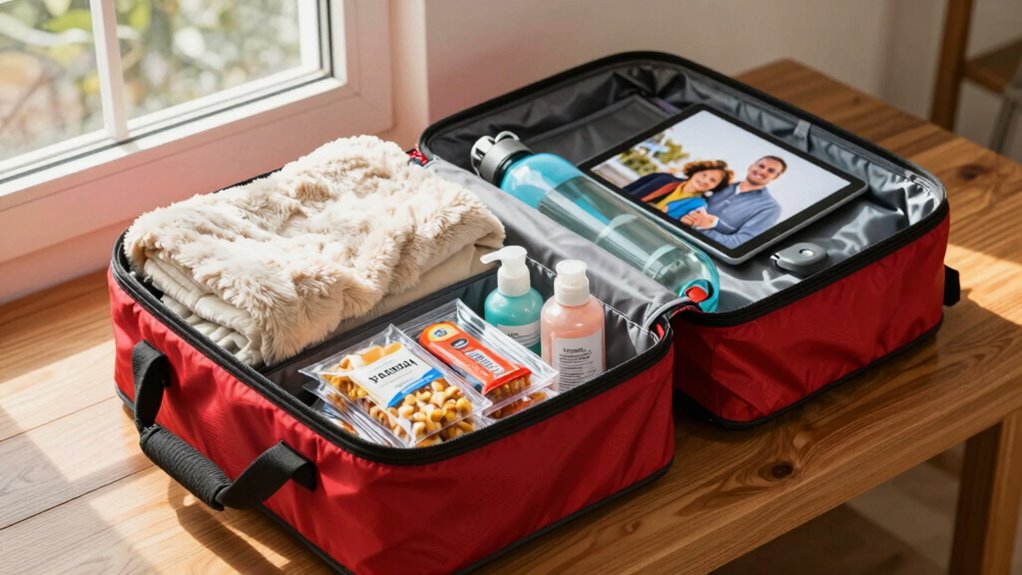

When packing a “Go-Bag” for unexpected hospital trips, start with essential medical documents like the patient’s history and insurance info. Add personal comfort items, such as a cozy blanket and soft socks, to make the wait easier. Include healthy snacks for energy, hydration options, and necessary technology tools for communication. Don’t forget an emergency contact list. By organizing and updating your bag regularly, you’ll be ready for anything that comes your way. There’s more to discover that can help you prepare even better.
Key Takeaways
- Pack essential medical documents, including medical history, insurance info, and medication lists for quick access during hospital visits.
- Include personal comfort items like a cozy blanket, soft socks, and stress relief tools to ease anxiety during long waits.
- Utilize technology tools, such as portable chargers and essential apps, to stay connected and maintain device functionality.
- Organize an emergency contact list with family, friends, and healthcare providers for quick communication during crises.
- Regularly update and review the Go-Bag contents to ensure preparedness and replace expired items promptly.
medical document organizer for hospital trips
As an affiliate, we earn on qualifying purchases.
As an affiliate, we earn on qualifying purchases.
Essential Medical Documents for Your Caregiver Go-Bag
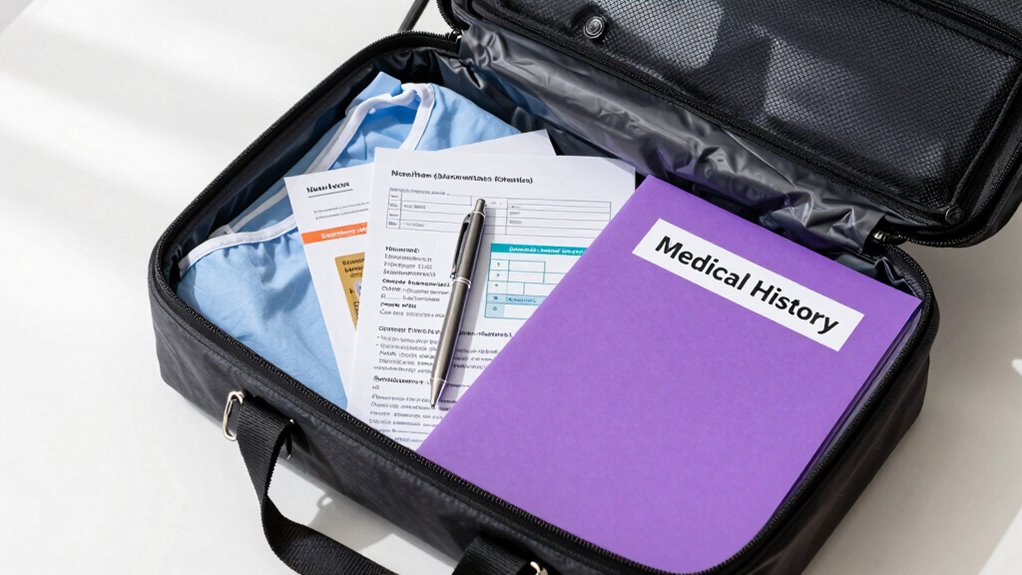
When you’re preparing a Go-Bag for caregiving, having essential medical documents at your fingertips can make all the difference. Start by including a thorough medical history, so you’re ready to provide essential information. Keep insurance information handy to avoid delays in treatment. Document caregiver rights, ensuring you understand your role and responsibilities. Be sure to have treatment preferences outlined, as they guide decisions during emergencies. A detailed medication list is key for accuracy, while emergency protocols give you a clear plan of action. Don’t forget to document patient allergies to prevent adverse reactions. Finally, secure contact permission forms to communicate effectively with healthcare providers. Being prepared with these documents streamlines care and enhances safety for everyone involved. Additionally, understanding end-of-life care options can help you make informed decisions during critical moments.
portable phone charger for caregivers
As an affiliate, we earn on qualifying purchases.
As an affiliate, we earn on qualifying purchases.
Personal Comfort Items to Bring Along
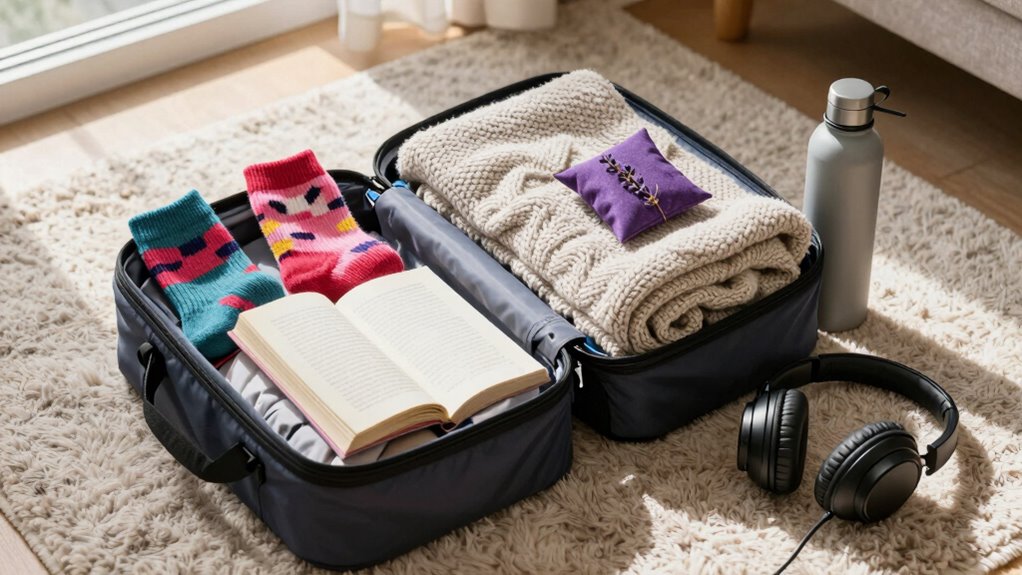
While you focus on caregiving, don’t overlook the importance of personal comfort items that can make your experience more manageable. Packing a cozy blanket or a favorite sweater can provide warmth and comfort during long hospital stays. Don’t forget a pair of soft socks to keep your feet warm and relaxed. Consider bringing a small pillow, as it can help you find a comfortable position while you wait. Incorporating simple exercises into your routine can also help alleviate stress during these trying times, as engaging in mindfulness practices can further enhance your emotional resilience. Additionally, creating a toxin-free environment can contribute to your overall well-being, ensuring that you feel as safe and relaxed as possible. Research shows that self-care practices can significantly improve caregiver mental health and reduce feelings of guilt. Stress relief is essential, so pack items like stress balls or essential oils to help you unwind. A good book or a journal can also offer an escape when you need a break. These simple comfort items can help you stay grounded and focused on your loved one’s care. Remember, prioritizing caregiver emotional health can enhance your ability to provide support during challenging times.
As an affiliate, we earn on qualifying purchases.
Healthy Snacks and Hydration Tips
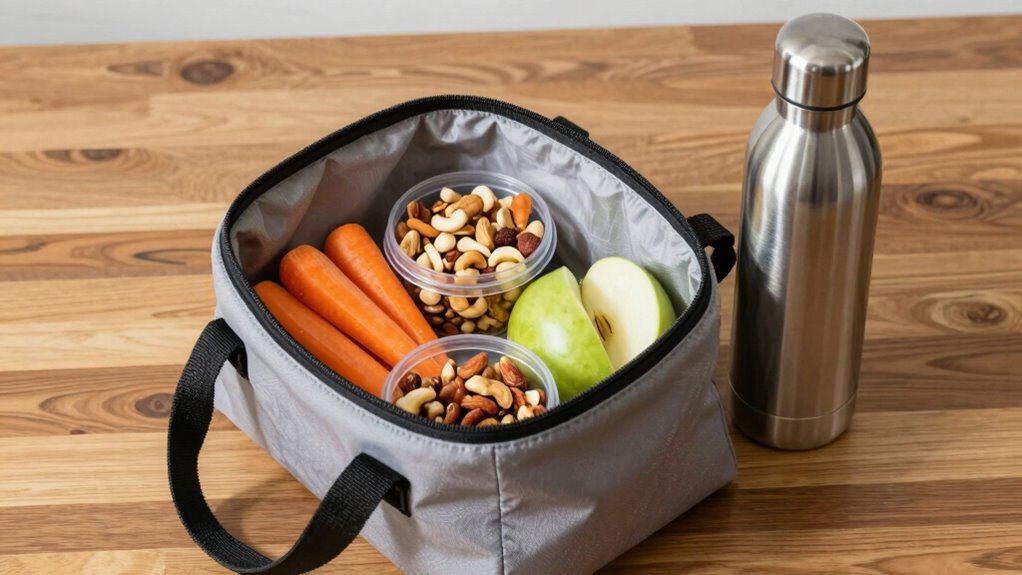
To maintain your energy levels during long caregiving hours, packing healthy snacks and staying hydrated is essential. Opt for travel-friendly meals and quick bites that are easy to grab on the go. Look for nutritious bars as energy boosters and include various hydration options to keep you refreshed. Additionally, be mindful of indoor air quality, as it can significantly impact your overall well-being during stressful times. Ensuring you have dehydration prevention strategies in place is crucial, especially when managing caregiving duties. Incorporating nutrition basics into your snack choices can further enhance your energy and focus. Regularly checking and cleaning filters in your air purifier can also improve air quality and support your health. Keeping a well-maintained filtration system in your home can also help reduce allergens and create a more comfortable environment.
| Snacks | Hydration Options | Mindful Munching |
|---|---|---|
| Nutritious bars | Water bottles | Portion-controlled nuts |
| Dried fruit | Herbal teas | Whole-grain crackers |
| Energy bites | Coconut water | Fresh fruit slices |
stress relief tools for caregivers
As an affiliate, we earn on qualifying purchases.
As an affiliate, we earn on qualifying purchases.
Technology Tools for Caregiver Communication

In today’s fast-paced world, effective communication tools are vital for caregivers like you. Whether it’s essential apps to stay connected, portable chargers to keep your devices powered, or emergency contact lists at your fingertips, having the right technology can make all the difference. Let’s explore these tools to enhance your caregiving experience. Additionally, understanding confusing phone settings can help you optimize your device for seamless communication during emergencies. Incorporating smart home technology can also provide additional layers of support, allowing caregivers to monitor health and safety remotely. Moreover, being aware of data security practices can help protect sensitive information while you manage caregiving responsibilities. Proper cybersecurity measures can also safeguard your online communications and data from potential threats. Investing in high-quality travel gear can streamline your trips to the hospital, ensuring you have everything you need on the go.
Essential Communication Apps
Effective communication is essential for caregivers, especially when juggling multiple responsibilities. Using the right apps can enhance your communication strategies, ensuring you stay informed and connected. Consider apps like WhatsApp for quick messaging and group chats, which can keep family members updated. For video calls, Zoom is excellent for virtual check-ins with healthcare providers or family support. You might also find CareZone useful for organizing medication schedules and sharing updates with loved ones. Additionally, apps like Evernote can help you take notes during doctor visits, ensuring you don’t miss important details. By incorporating these app recommendations into your routine, you’ll streamline communication and focus more on providing care. Moreover, leveraging smart home and everyday tech can further simplify your caregiving tasks, making it easier to manage daily responsibilities. Understanding home comfort strategies can also empower you to prepare nutritious meals quickly, supporting your loved one’s health. Furthermore, maintaining optimal HVAC conditions can contribute to a comfortable environment, promoting overall well-being. Remember, maintaining HRV can also support your overall well-being, allowing you to better care for your loved ones.
Portable Charging Solutions
While you manage your caregiving tasks, staying connected with your support network is essential, and having portable charging solutions can make all the difference. Invest in a couple of reliable portable chargers to guarantee your devices are always powered up. Look for models that offer multiple charges and fast charging capabilities, so you can quickly recharge your phone or tablet during unexpected hospital trips. Don’t forget to pack extra charging cables, too! Having a few on hand can save you from the frustration of dealing with dead batteries when you need to reach out for support or information. With these tools in your go-bag, you can focus more on caring and less on connectivity issues. Additionally, consider incorporating smart home devices like dual camera doorbells that can enhance security and provide peace of mind while you’re away. Furthermore, having a smart home system can allow you to monitor your home remotely, ensuring everything is secure even when you’re focused on caregiving. The right acoustic drum shields can help you manage noise levels at home, allowing for a more peaceful environment. Lastly, ensure your charging devices comply with extension cord standards to maintain safety while powering up your essential gadgets.
Emergency Contact Lists
Creating a thorough emergency contact list can be a lifesaver for caregivers. This list should include family members, friends, healthcare providers, and any essential caregiver support services. Make certain you note down phone numbers, email addresses, and any special instructions for each contact. In moments of crisis, having quick access to these emergency resources can ease your stress and guarantee your loved one receives the right care. Consider using apps or digital tools to keep this information organized and easily accessible. Regularly update your list to reflect any changes in contacts or medical information. By being prepared, you empower yourself to navigate unexpected hospital trips with confidence and clarity.
Emergency Contacts to Include in Your Go-Bag
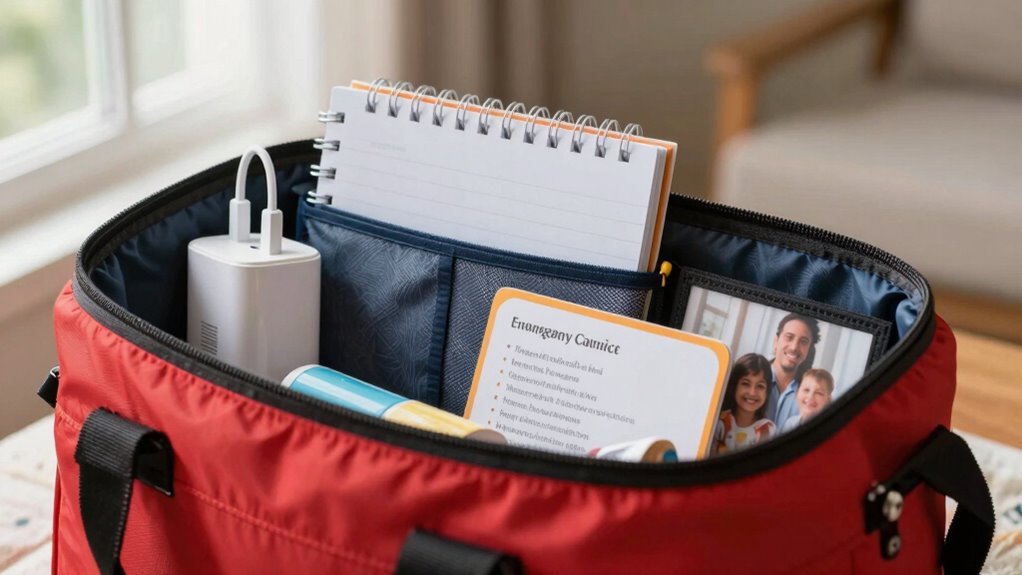
Have you considered who you’d need to contact in a crisis? It’s crucial to include key emergency contacts in your go-bag. Start with immediate family members who can help make decisions or provide support. Next, consider close friends or neighbors who know your loved one’s needs. List healthcare providers, such as doctors or specialists, and include their contact information. Incorporating these emergency contact strategies guarantees you won’t waste time searching for numbers when you’re stressed. Additionally, using caregiver communication tips, like designating a primary contact person, can streamline updates and reduce confusion. Make certain these contacts are easily accessible, ideally in a waterproof pouch, so you’re prepared for any unexpected hospital trips.
Tips for Organizing and Updating Your Go-Bag
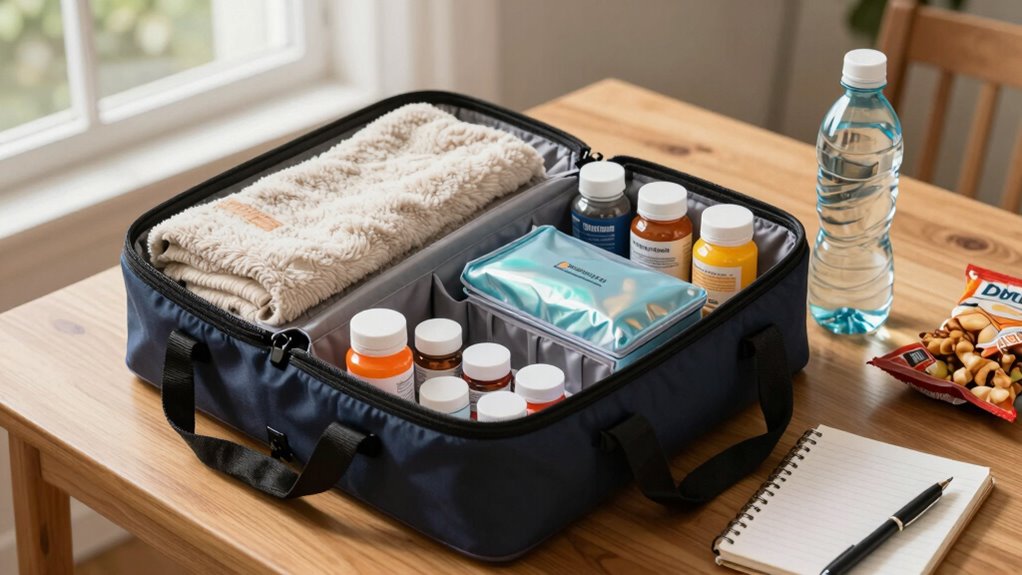
To keep your go-bag effective, it’s vital to conduct regular inventory checks. This guarantees you stay on top of essential item updates, so you’re always prepared. Make it a habit to review your bag every few months and replace anything that’s expired or used.
Regular Inventory Checks
While it might feel overwhelming, regularly checking the inventory of your go-bag is essential for ensuring you’re always prepared. Set a schedule—monthly or quarterly works well—to review what you have and what you might need. Focus on packing strategies that help you efficiently organize your items. Group similar items together, like medications, toiletries, and emergency contacts, to make them easier to find in a rush. Replace expired items immediately and note any supplies that are running low. This keeps your go-bag functional and reduces stress during unexpected hospital trips. Remember, staying proactive with your regular inventory checks means you’ll be ready for anything when the time comes.
Essential Item Updates
After you’ve completed your inventory checks, it’s time to focus on the items that truly matter for your go-bag. Keep your caregiving essentials organized, making certain you have what you need during unexpected hospital trips.
Regularly update your go-bag with these crucial categories:
| Item | Purpose |
|---|---|
| Medications | For effective medication management |
| Personal Care Items | To maintain hygiene and comfort |
| Important Documents | To guarantee access to medical history |
| Snacks & Water | To stay energized during long waits |
Frequently Asked Questions
How Often Should I Update My Go-Bag Contents?
You should update your go-bag contents at least every six months or whenever you use an essential item. Regularly check for expiration dates on medications and food, and replace anything that’s been used. If you find new items that could be helpful, add those too. Keeping your go-bag current guarantees you’re always prepared for unexpected hospital trips, so make it a routine to assess and refresh it often.
What Types of Medications Should Be Included?
You should include essential prescriptions for any chronic conditions, like blood pressure or diabetes medications. Don’t forget over-the-counter medications, too, such as pain relievers, antihistamines, and digestive aids. Having a list of dosages and instructions can be a lifesaver. It’s also smart to pack any necessary medical supplies, like inhalers or creams. Keeping your go-bag stocked with these items guarantees you’re ready for any unexpected hospital trips.
How Do I Choose the Right Bag for My Needs?
Choosing the right bag is like selecting a sturdy lifeboat before a storm—you need reliability. Opt for durable materials like nylon or canvas to withstand wear and tear. Consider size options that fit your essentials but aren’t too bulky to carry. A medium-sized bag strikes a balance, allowing you to pack what you need without feeling overwhelmed. Focus on comfort and accessibility, ensuring you’re prepared for anything that comes your way.
Can I Pack Items for My Loved One Too?
Absolutely, you can pack items for your loved one too! When you’re choosing packing essentials, think about their specific needs. Include personal items like a favorite blanket, toiletries, and any necessary medications. Don’t forget comfort items such as snacks or a book to help ease anxiety. Make sure to also bring any medical paperwork and a list of their allergies or conditions. This way, you’re fully prepared for any unexpected hospital trip.
What Should I Do if My Go-Bag Is Lost?
If your go-bag’s lost, don’t panic. First, activate your backup plan. Reach out to your emergency contacts for support; they can help gather essentials quickly. Make a list of what you need to replace, focusing on critical items like medications and documents. Consider keeping a digital version of important info on your phone for easy access. Finally, replace your bag as soon as possible to be prepared for future emergencies.
Conclusion
Packing a go-bag is essential for caregivers facing unexpected hospital trips. With the right documents, comfort items, and snacks, you’ll be better prepared to support your loved one. Don’t forget to include tech tools for communication and keep your emergency contacts handy. Have you thought about how a few simple preparations can make a world of difference in a stressful situation? Stay organized, stay updated, and you’ll navigate those hospital visits with confidence.