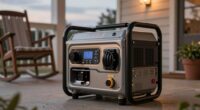
When choosing a portable power station for medical devices at home, reliability and safety are paramount. The EnginStar Portable Power Station 300W stands out for its balanced capacity and affordability, making it ideal for backup during outages. For those needing larger capacity, the 1000W Portable Power Station 1024Wh LiFePO4 offers extended run time with enhanced safety features. Meanwhile, the SINKeu 24000mAh Portable Power Bank is perfect for short-term emergencies and portability, though it lacks the capacity for continuous device support. The main challenge lies in balancing size, capacity, and safety—more power often means increased weight and cost. Continue reading to see how each option stacks up for different needs and priorities.

Turn quiet afternoons into listening time
- Thousands of audiobooks, podcasts and originals
- Listen on your phone, tablet or Echo — also offline
- Cancel anytime
Complete the kit


Key Takeaways
- Capacity and surge power are critical for ensuring continuous operation of critical medical devices.
- LiFePO4 batteries offer better longevity and safety compared to standard lithium-ion units, justifying higher costs.
- Size and weight vary significantly; choose a portable option that matches your mobility needs.
- Features like pure sine wave output and multiple outlets improve compatibility with sensitive devices.
- Price differences reflect capacity, safety features, and build quality, influencing long-term value.


| portable power station for medical devices at home | Weight | Capacity |
|---|---|---|
| EnginStar Portable Power Stati | not specified | — |
| 1000W Portable Power Station 1 | 27.73 lbs | 1024Wh |
| SinKeu 24000mAh Portable Power | not specified | 88.8Wh |
| MARBERO Portable Power Station | 3.2 lbs | 88Wh |
| BLUETTI Elite 30 V2 Portable P | 9.4 lbs | 288Wh |
| UDPOWER S1200 Portable Power S | — | — |
| Portable Power Station 300W MA | 4.6 lbs | 237Wh |
| Jackery Explorer 300 Portable | 7.5 lbs | 292Wh |
| Dyness Portable Power Station | 5.73 lbs | 256Wh |
| DaranEner Portable Power Stati | 5.73 lbs | 192Wh |
| Westinghouse iGen400s 400 Watt | Not specified | 183Wh |
| 200W Portable Power Station | 4.7 pounds | 192Wh |
| LIBRIDS Portable Power Station | — | 640Wh |
| ALLWEI Portable Power Station | 6.4 pounds | 256Wh |
More Details on Our Top Picks
EnginStar Portable Power Station 300W 296Wh Solar Generator
The EnginStar Portable Power Station shines for those who need a lightweight, portable backup power source during outdoor activities or emergencies. Its compact form makes it easy to carry, and multiple charging options—including solar, AC, and car—offer versatility. Compared with larger models like the BLUETTI Elite 30 V2, it sacrifices capacity and wattage output, limiting its ability to run high-wattage devices for extended periods. Its main tradeoff is the 300W maximum output, which may not support power-hungry medical devices continuously. This pick makes the most sense for users who prioritize portability over long runtime or high capacity, such as those with CPAP machines for short-term outages.
Pros:- Lightweight and highly portable design
- Multiple charging options including solar, AC, and car
- Built-in safety features and durable lithium-ion batteries
Cons:- Solar panel not included, requiring extra purchase
- Limited to 300W output, restricting use with high-wattage devices
- Battery capacity may not last through extended outages
Best for: Individuals needing a compact, easy-to-carry power source for short-term medical device backup during outdoor or emergency situations
Not ideal for: Home users with high-capacity medical devices requiring longer runtime or higher wattage support, due to its limited 300W output
- Watt-hour capacity:296Wh
- Output wattage:300W
- Power source:Battery Powered
- Dimensions:9.1″L x 5″W x 7″H
- Weight:not specified
- Additional features:Digital Display, Flashlight, Overload Protection
Our verdict“A practical choice for portable, short-term backup needs, especially when weight and size are critical considerations.”
1000W Portable Power Station 1024Wh LiFePO4 for Outdoor & Home
The 1000W Portable Power Station stands out for its substantial 1024Wh capacity and high continuous output of 1000W, making it ideal for powering multiple medical devices or larger appliances during outages or off-grid scenarios. Its use of LiFePO4 batteries offers longer lifespan and safer operation compared to lithium-ion options. When compared to the BLUETTI Elite 30 V2, it provides a significantly higher capacity but at a heavier weight, which may be a drawback for portable use. The main tradeoff is its weight of nearly 28 pounds, which could limit mobility for some users. This model suits those who need extended runtime and higher wattage support, such as households with medical devices that require continuous power during outages.
Pros:- High-capacity 1024Wh LiFePO4 battery for long runtime
- Multiple fast-charging ports including USB-C and USB-A
- Solar compatible for off-grid applications
Cons:- Relatively heavy at nearly 28 pounds, less portable
- Limited runtime at full load (about 2 minutes), so not ideal for continuous high-wattage use
- Requires solar or AC recharging, which may take time
Best for: Homeowners or caregivers needing reliable, high-capacity backup for multiple medical devices during power outages
Not ideal for: Users seeking a lightweight, portable solution for occasional outdoor use or minimal device support, due to its weight
- Capacity:1024Wh
- Wattage:1000W
- Battery type:LiFePO4
- Weight:27.73 lbs
- Dimensions:18″L x 12″W x 16″H
- Additional features:Multi-port fast charging, solar compatibility, safety protections
Our verdict“Best suited for home use where long-lasting, high-capacity power backup is necessary, despite its weight and size.”
SinKeu 24000mAh Portable Power Bank with AC Outlet and Emergency Generator
The SinKeu 24000mAh Power Bank offers a portable solution for charging laptops, smartphones, and tablets during travel or emergencies. Its 88.8Wh capacity, combined with a 110V/65W AC outlet, makes it suitable for powering smaller medical devices like CPAP machines or essential electronics for short durations. Compared with larger models like the BLUETTI Elite 30 V2, it provides less capacity and power but excels in portability. The main tradeoff is its limited wattage output, making it unsuitable for devices that require more than 65W continuously. It’s a solid choice for users who prioritize compactness and quick recharging over extended runtime.
Pros:- High-capacity 24,000mAh (88.8Wh) for its size
- Includes a useful AC outlet for laptops
- Fast recharge in about 4 hours
Cons:- Bulky and somewhat heavy for pocket or purse carry
- Limited to 65W continuous output, not suitable for larger devices
- Price might be high relative to capacity
Best for: Travelers or individuals needing a compact, portable backup for low-power medical devices in emergencies
Not ideal for: Users with high-power medical devices or requiring long-term backup, due to limited capacity and wattage
- Capacity:88.8Wh
- AC outlet:110V/65W
- Recharging time:4 hours
- Additional outputs:USB QC3.0, DC 9-12.6V
- Weight:not specified
- Dimensions:not specified
Our verdict“A portable power solution best for short-term, low-wattage device support during travel or minor emergencies.”
MARBERO Portable Power Station 88Wh, 120W Surge, Solar Generator 24,000mAh
The MARBERO Portable Power Station excels in ultra-compact design, ideal for outdoor enthusiasts and emergency preparedness. Its 88Wh capacity and 120W surge power are sufficient for small electronics, such as smartphones, tablets, or CPAP machines for short periods. When compared to larger options like the 1000W Portable Power Station, it sacrifices capacity and runtime for extreme portability. The main tradeoff is its limited ability to run larger or multiple devices simultaneously for extended periods. This device makes sense for users who need a lightweight, quick-charging backup for essential devices during outdoor trips or brief outages.
Pros:- Extremely light at just over 3 pounds
- Multiple output ports including USB-C and AC
- Fast charging from AC, with a bright LED flashlight
Cons:- Limited capacity for powering larger medical devices
- Shorter runtime for high-power appliances
- No wireless charging capability
Best for: Outdoor adventurers or emergency kit owners requiring a small, lightweight power source for minimal device support
Not ideal for: Users needing to power multiple or high-wattage medical devices for extended timeframes, due to limited capacity
- Capacity:88Wh
- Surge power:120W
- Battery capacity:24,000mAh
- Weight:3.2 lbs
- Dimensions:6.5 x 4.6 x 3.1 inches
- Additional features:Multiple ports, LED flashlight
Our verdict“Perfect for quick, portable backup of essential electronics outdoors or during short emergencies, but unsuitable for heavy-duty device support.”
BLUETTI Elite 30 V2 Portable Power Station 288Wh 600W LFP Solar Generator
The BLUETTI Elite 30 V2 combines portability with high power output, making it a strong candidate for those needing reliable backup for sensitive medical devices. Weighing only 9.4 pounds, it offers a 288Wh capacity and a 600W continuous output, suitable for powering CPAP machines, small monitors, or essential electronics. Its fast charging (0-80% in 45 minutes) and UPS backup feature provide peace of mind. When compared to the 1000W Portable Power Station, it’s lighter and more portable, but with a lower capacity. The main tradeoff is its limited runtime with high-power medical devices, which may not suffice during longer outages. It’s best for users who need a balance of portability and reliable power support for critical devices.
Pros:- Lightweight and portable at under 10 pounds
- Fast charging with 0-80% in 45 minutes
- Supports multiple charging modes including solar and AC
Cons:- Limited capacity for larger or multiple devices over long periods
- Requires compatible solar panel for outdoor recharging
- Price may be higher relative to capacity
Best for: Individuals seeking a lightweight, fast-charging backup for sensitive medical devices during outages or outdoor activities
Not ideal for: Users with high-capacity device needs or requiring extended runtime, due to its smaller capacity and limited wattage support
- Capacity:288Wh
- Continuous power:600W
- Weight:9.4 lbs
- Charging time:70 minutes
- Battery cell type:LFP
- Additional features:UPS backup, fast charging
Our verdict“A versatile, portable option ideal for critical device support with quick recharge, suitable for travel or emergency backup.”
UDPOWER S1200 Portable Power Station 1200W (Surge 1800W), Max 400W Solar Input, UPS, UL2743, for Home RV Emergency, Pure Sine Wave
The UDPOWER S1200 stands out as the most capable option for powering sensitive medical devices at home, thanks to its 1200W pure sine wave output. Compared with the Jackery Explorer 300, it offers a significantly higher wattage capacity, making it suitable for a broader range of devices, including ventilators or infusion pumps that require steady, reliable power. Its long-lasting LiFePO4 battery ensures over 4000 cycles, promising durability for ongoing use. The inclusion of multiple outlets and fast charging enhances convenience, but its weight of nearly 26 pounds can be a drawback for portable needs. The limited 400W solar input may slow off-grid recharging, especially during extended outages. Overall, this model suits those who prioritize reliable, high-capacity backup power for critical medical devices at home, accepting some weight for long-term performance.
Pros:- High-capacity 1200W pure sine wave output ensures safe operation of sensitive devices
- Durable LiFePO4 battery with over 4000 cycles for long-term reliability
- Multiple outlets including AC and USB-C PD for versatile device charging
- Fast charging in just 1.5 hours and solar-ready for off-grid use
Cons:- Relatively heavy at 25.8 pounds, less ideal for frequent portability
- Limited to 400W solar input, which may slow recharging in off-grid scenarios
Best for: Home users needing reliable, high-capacity backup for sensitive medical devices during outages
Not ideal for: Individuals seeking a lightweight, ultra-portable solution for occasional use or travel
- Wattage:1200 watts
- Power Source:Battery Powered
- Recommended Uses:Emergency Power Backup, Indoor Emergencies, Home use, Outdoor Camping, RVs
- Voltage:110 volts
- Output Wattage:1200
- Item Weight:25.8 pounds
Our verdict“This pick is best for those seeking a robust, long-lasting backup power station for critical medical equipment at home, despite its weight.”
Portable Power Station 300W MARBERO 237Wh Camping Solar Generator Backup Lithium Battery with Pure Sine Wave 110V AC Outlet, USB C, USB A, DC for Outdoors Camping CPAP Home Blackout Emergency
The MARBERO 237Wh portable power station prioritizes portability with its lightweight design, weighing just 4.6 pounds, making it suitable for outdoor activities and quick emergency setups. While it offers a modest 300W output, this is enough for small medical devices like CPAP machines or basic monitors. Compared with the Jackery Explorer 300, its compact size makes it easier to handle, but the lower capacity limits longer-term backup. Its multiple output ports, including USB-C and AC outlets, provide flexibility, but the absence of a solar panel means recharging depends on external gear. This model suits users who need a lightweight, emergency-ready device for short-term backup, but it isn’t ideal for powering larger or more demanding medical equipment over extended periods.
Pros:- Incredibly lightweight at 4.6 pounds for easy portability
- Multiple output options including USB-C, AC, and DC
- Compact size fits easily in backpacks or emergency kits
- Built-in LED lantern enhances outdoor usability
Cons:- Limited to 300W power output, unsuitable for larger devices
- Solar panel not included, requiring additional investment
Best for: Outdoor enthusiasts or emergency kits requiring lightweight, portable power for small medical devices
Not ideal for: Users with high-power medical devices or requiring extended backup duration
- Capacity:237Wh
- Power Output:300W (375W Max)
- Weight:4.6 lbs
- Outputs:2 AC, 2 USB A, 1 USB C, 1 DC
- Charging Time (Wall):6 hours
- Recharging Methods:Wall, car, solar
Our verdict“Ideal for quick, lightweight backup needs during outdoor activities or short-term emergencies, but not for high-power medical devices over long periods.”
Jackery Explorer 300 Portable Power Station, 292Wh
The Jackery Explorer 300 offers a balance of portability and capacity, weighing only 7.5 pounds and providing 292Wh, making it a solid choice for light outdoor use or infrequent emergency needs. Its long-life LiFePO4 battery supports over 4,000 cycles, promising durability. Compared with the UDPOWER S1200, it’s less powerful but significantly easier to carry around. Its multiple charging options, including fast solar charging, enhance versatility, yet it falls short for powering larger medical devices that demand higher wattage or continuous operation. The absence of a solar panel is a minor inconvenience, as it’s a common accessory. This device is best for users who prioritize ease of transport and occasional backup, but not for continuous or high-demand medical use.
Pros:- Lightweight at 7.5 pounds for easy transport
- Multiple recharge options including fast solar charging
- Long-lasting LiFePO4 chemistry with over 4,000 cycles
- Versatile ports including USB-C PD and car outlet
Cons:- Limited capacity restricts use for larger or multiple devices
- Solar panel not included, requiring additional purchase
Best for: Individuals needing portable, occasional backup for small medical devices or outdoor adventures
Not ideal for: Users requiring sustained high-power support or large medical equipment during outages
- Capacity:292Wh
- Weight:7.5 lbs
- AC Outlets:2
- USB-C Port:100W PD
- Charge Cycles:over 4,000
- Charging Time (solar):80% in 2.8 hours
Our verdict“A portable, durable option for light backup needs, but not suitable for powering demanding medical devices over long outages.”
Dyness Portable Power Station 300W, 256Wh Solar Generator with 110V Pure Sine Wave AC Outlet, LiFePO4 Battery for Camping, Home Backup, RV, Outdoor Emergency
The Dyness 256Wh offers a compact, reliable power source with a 300W continuous inverter, suitable for small medical devices like monitors or CPAPs during outages or outdoor trips. Compared with the MARBERO 237Wh, it provides a slightly higher capacity and an additional AC outlet, making it more flexible for multiple small appliances. Its LiFePO4 chemistry ensures over 3500 cycles, supporting repeated use over years. However, its single AC outlet and limited solar input (not included) restrict extended off-grid applications. This makes it well-suited for users who want a dependable, portable power source for intermittent use, but not for those needing high power or long-term off-grid support.
Pros:- Compact and lightweight with 256Wh capacity
- Multiple output ports including AC and USB
- Long cycle life over 3500 cycles with LiFePO4 chemistry
- Reliable power for small medical or electronic devices
Cons:- Only one AC outlet limits simultaneous device use
- Requires additional solar panel for solar recharging, sold separately
Best for: Campers or homeowners seeking a reliable backup for small appliances and medical devices during outages
Not ideal for: Users with high-power devices or needing extensive off-grid recharging capacity
- Wattage:300 watts
- Capacity:256Wh
- Output Wattage:300W
- Cycle Life:3500+ cycles
- Weight:5.73 lbs
- Additional Features:Digital display, USB ports
Our verdict“A dependable, portable power option for small devices and emergency use, but not for high-demand appliances or continuous off-grid power.”
DaranEner Portable Power Station, 192Wh LiFePO4 Battery Backup Solar Generator with 2 300W AC Outlets, USB-C PD 60W Fast Charge, for Camping, Outdoor, Home, Emergency
The DaranEner 192Wh offers a smaller, more affordable alternative for powering essential medical devices during short-term outages. Its 300W inverter can support basic devices like monitors or small infusion pumps, but falls short for larger or more continuous power needs, especially compared to the UDPOWER S1200. Its two AC outlets, along with USB-C PD and USB-A ports, provide flexible charging options for multiple small devices simultaneously. The LiFePO4 battery supports over 3500 cycles, promising durability with regular use. However, its limited 60W solar input restricts rapid recharging in off-grid scenarios. This makes it a suitable choice for users seeking a simple, portable backup for low-power medical needs, but not for demanding or critical devices requiring sustained power.
Pros:- Lightweight and compact at just 5.73 lbs
- Supports multiple devices with USB-C and AC outlets
- Long cycle life over 3500 cycles with LiFePO4 chemistry
- Fast charging via USB-C PD
Cons:- Limited to 192Wh capacity, restricting longer use
- Maximum solar input of 60W slows recharging in off-grid conditions
Best for: Cost-conscious users needing a compact backup for small medical or electronic devices during outages
Not ideal for: Those requiring high wattage or long-term off-grid power for larger medical equipment
- Capacity:192Wh
- AC Outlets:2
- USB-C PD:60W
- Cycle Life:3500+ cycles
- Weight:5.73 lbs
- Input Charging:AC, car, solar (max 60W)
Our verdict“A budget-friendly, portable backup option suited for small device support during outages, but not for high-power or extended use cases.”
Westinghouse iGen400s 400 Watt Portable Power Station and Solar Generator
The Westinghouse iGen400s stands out for its compact design and versatility, offering a good balance of capacity and portability for home emergency needs. Compared with larger units like the LIBRIDS 640Wh, it’s much easier to handle indoors, yet its limited 183Wh capacity means it can’t power high-demand devices for long. Its multiple outlets, including USB-C 30W and 100W, make it suitable for essential medical devices, but the absence of a solar panel and the lack of an AC power adapter can be inconvenient. This model is ideal for users who need quiet, fumes-free backup power for light to moderate loads in a home or outdoor setting, but it’s less suited for prolonged outages or high-power medical equipment.
Pros:- Lightweight and weather-resistant shell enhances portability and durability
- Multiple outlets support various device types simultaneously
- Fast USB-C charging reduces downtime
Cons:- AC power adapter not included, adding extra cost
- Limited battery capacity restricts longer power supply
- No solar panel included for renewable recharging
Best for: Individuals seeking a portable, quiet backup for essential medical devices during short outages or outdoor activities.
Not ideal for: Those with high-capacity needs or planning long-term emergency backup, as its battery capacity is limited and solar options are not included.
- Capacity:183Wh
- Peak Power:400W
- Running Power:200W
- Outlets:2 AC, 3 USB-C 30W, 2 USB-A, 1 USB-C 100W, 12V DC
- Charging Time:80% in 2 hours
- Weight:Not specified
Our verdict“Best suited for users who need a compact, quiet backup for essential devices during short outages or outdoor use.”
200W Portable Power Station, 192Wh LiFePO4 Solar Generator for Camping
This portable power station offers a highly portable design at just 4.7 pounds, making it ideal for outdoor adventures or quick emergency setups. Its 192Wh capacity is similar to the Westinghouse but with the added benefit of multiple recharging options, including solar, wall, and car socket, which makes it flexible for off-grid scenarios. The built-in LED flashlight is a handy feature for outdoor use, and the LiFePO4 battery ensures safety and longevity. However, the AC output is limited to 200W, meaning it can’t run high-power medical equipment, and solar panels are not included, requiring additional purchases. It’s best for low-power medical devices, camping, or short-term backup, but not for continuous use of demanding appliances.
Pros:- Very lightweight and portable with a foldable handle
- Multiple charging options including solar, wall, and car
- Built-in LED flashlight with multiple modes
Cons:- AC output limited to 200W, restricting use with high-power devices
- Solar panel not included, increasing setup cost
- Battery capacity may be insufficient for extended high-demand needs
Best for: Active outdoor enthusiasts or small-scale emergency users needing light, portable power with multiple recharge options.
Not ideal for: Users with high-power medical devices or expecting longer backup durations, due to its limited capacity and power output.
- Wattage:200W
- Capacity:192Wh
- Weight:4.7 pounds
- Input Charging Options:Solar, wall outlet, car socket
- Number of Outlets:6
- Battery Type:LiFePO4
Our verdict“Ideal for outdoor use and light emergency backup, especially when portability and recharge flexibility are priorities.”
LIBRIDS Portable Power Station 640Wh, 1200W Surge, Solar Generator with 4 AC Outlets
The LIBRIDS 640Wh delivers substantial capacity and power, making it suitable for longer outages and sensitive electronics thanks to its pure sine wave inverter. Its 1200W surge power supports high-demand devices, and the fast 1.5-hour recharge time means quick readiness. Compared to smaller units like the Westinghouse, it can power essential medical devices for extended periods, but it’s likely too heavy and bulky for frequent outdoor use. Its durability and long cycle life make it a reliable choice for home backup, yet its indoor-only design limits outdoor versatility. The limited weight data means portability could be a concern for some users.
Pros:- Large capacity supports prolonged power backup
- Fast recharge in just 1.5 hours for quick recovery
- Pure sine wave inverter ensures safe power for sensitive electronics
Cons:- Indoor use only; not suitable for outdoor wet conditions
- Weight not specified, possibly limiting portability
- Limited detailed specs on portability features
Best for: Homeowners needing reliable emergency power for medical devices and sensitive electronics during extended outages.
Not ideal for: Those who require portable, outdoor-capable units, as its weight and indoor usage restrictions limit mobility.
- Capacity:640Wh
- Surge Power:1200W
- Continuous Power:600W
- Charge Time:1.5 hours
- Output Ports:4 AC, USB
- Battery Type:LiFePO4
Our verdict“Best for users prioritizing long-term, reliable home backup for medical and sensitive devices, with less concern for portability.”
ALLWEI Portable Power Station 300W, 256Wh Solar Generator LiFePO4 Battery
The ALLWEI 256Wh strikes a balance between portability and capacity, making it suitable for camping, emergency backup, and small medical devices. Its 300W continuous power supports a range of essential devices, while the multiple recharge options—solar, AC, and car—offer flexibility for off-grid scenarios. The lightweight design at just over 6 pounds makes it easy to carry, but the limited 256Wh capacity means it can’t sustain power for extended periods or high-demand devices. The dual outlets support multiple devices simultaneously, yet it may fall short for longer-term needs or higher wattage medical equipment.
Pros:- Lightweight and portable with a compact form factor
- Supports multiple recharging methods including solar
- Supports up to six devices simultaneously
Cons:- Limited to 300W continuous power, restricting high-demand devices
- Additional solar panel sold separately increases total cost
- Battery capacity not sufficient for extended power needs
Best for: Outdoor enthusiasts or users requiring versatile, portable power for short-term or emergency use with multiple recharging options.
Not ideal for: Users needing continuous, high-power support for demanding medical devices or prolonged outages.
- Wattage:300W
- Capacity:256Wh
- Weight:6.4 pounds
- Input Charging Options:Solar, AC, car socket
- Number of Outlets:2 AC, 1 USB-C, 2 DC
- Battery Type:LiFePO4
Our verdict“Suitable for outdoor use and short-term emergency backup, especially when portability and multiple recharge options matter most.”

How We Picked
The products in this roundup were evaluated based on their capacity, surge power, safety features, portability, and compatibility with medical devices. We prioritized units with pure sine wave outputs to prevent damage to sensitive electronics. Battery chemistry, particularly LiFePO4 versus lithium-ion, was a key factor for longevity and safety. Usability features such as multiple outlets, charging options, and user interface were also considered. Additionally, we balanced value against price, ensuring each pick offers a reasonable tradeoff for its target use case. Products were ranked to highlight those best suited for reliable home backup, portability, and ease of use in emergency situations.Factors to Consider When Choosing Portable Power Station For Medical Devices At Home
Choosing the right portable power station for medical devices at home involves understanding several key factors. Not all units are created equal, and selecting the wrong one can lead to insufficient backup power or safety concerns. Here are the main considerations that will help you make an informed decision.Capacity and Power Output
Medical devices often require stable power with specific surge demands. Look for a unit that offers enough watt-hours (Wh) to run your devices for the desired duration, plus sufficient surge capacity to handle startup loads. Higher capacity units tend to be heavier and more expensive but provide longer backup time. Consider your needs carefully—if you only need to power a CPAP machine for a few hours, a smaller unit might suffice; for longer outages, prioritize larger capacity models.
Battery Chemistry and Safety
LiFePO4 batteries are increasingly popular for home backup because they last longer and are safer than traditional lithium-ion batteries. They resist thermal runaway and have more charge cycles, making them a better investment over time. However, LiFePO4 units are often more costly upfront. For critical medical devices, prioritizing safety and longevity can justify the extra expense, but always check for safety certifications and proper venting features.
Portability and Size
Size and weight matter if you plan to move the power station around or store it easily. Compact models are more convenient but may sacrifice capacity. Larger units often include more outlets and higher capacity, but they can be cumbersome to handle. Think about your mobility needs and storage space—if you need a unit that can be easily relocated during an emergency, prioritize lighter, smaller options with adequate capacity.
Output Quality and Compatibility
Pure sine wave inverters are essential for sensitive medical devices, as they provide cleaner power compared to modified sine wave units. Multiple outlets, including AC, USB, and DC ports, add flexibility in powering different devices simultaneously. Make sure the power station’s output wattage matches or exceeds your devices’ startup and running requirements to avoid shutdowns or damage. Compatibility with charging options like solar input can also enhance independence during extended outages.
Price and Long-Term Value
While initial cost is a factor, consider the long-term value of a more durable, higher-capacity unit. Cheaper models may save money upfront but could require replacement sooner or lack necessary safety features. Investing in a unit with a higher watt-hour capacity and safety certifications can save money over time by reducing the need for replacements and preventing damage to your devices. Balance your budget with the criticality of your medical needs to find the best overall value.
Frequently Asked Questions
How long can a portable power station run a medical device during a blackout?
The runtime depends on the capacity of the power station and the power consumption of your device. For example, a 300Wh unit might power a CPAP machine (which typically uses around 50W) for approximately 4-5 hours. Larger units with over 1000Wh capacity can run critical devices for days. Always check your device’s wattage and compare it with the power station’s specifications to estimate runtime accurately.
Is a LiFePO4 battery worth the extra cost for home medical use?
Yes, LiFePO4 batteries are generally safer, last longer, and resist thermal issues better than traditional lithium-ion batteries. For essential medical devices, these safety and longevity benefits are significant, especially in prolonged outage scenarios. The higher upfront cost can be justified by reduced replacement frequency and increased peace of mind, making them a sensible choice for critical home backup systems.
What features should I prioritize for powering sensitive medical devices?
Pure sine wave output is a must because it mimics grid power and protects sensitive electronics. Multiple outlets, including AC and USB ports, improve convenience. Safety certifications and built-in protections against overloads, short circuits, and overheating are also vital. Additionally, choosing a unit with a stable voltage output ensures your devices operate safely and without interruption.
Can I use solar panels to recharge my portable power station for emergencies?
Many portable power stations support solar input, which can be a valuable feature for extended outages or off-grid use. Make sure the unit’s solar input specifications match your panels’ output for efficient charging. Solar recharging offers independence from grid power, reducing reliance on mains electricity, especially useful during prolonged emergencies, although it depends on sunlight availability and panel capacity.
How do I choose the right capacity for my medical backup needs?
Calculate the total wattage of your essential devices and estimate how long you need them powered during an outage. For example, if a CPAP uses 50W and you need it for 8 hours, a 400Wh unit would suffice. For multiple devices or longer durations, opt for higher capacity models. Always add a buffer to account for startup surges and future needs, ensuring reliable backup without overpaying for excess capacity.
Conclusion
For most users seeking reliable backup power at home, the EnginStar Portable Power Station 300W offers a balanced mix of capacity, safety, and affordability—making it the best overall choice. Those with more extensive needs or longer outages should consider the 1000W Portable Power Station 1024Wh LiFePO4 for its safety and capacity. Beginners or those with minimal power requirements might prefer smaller, more portable options like the SINKeu 24000mAh Power Bank. If prioritizing safety and long-term durability, investing in a high-capacity LiFePO4 model delivers peace of mind, especially for critical devices. Tailor your choice based on your device needs, mobility preferences, and budget to ensure continuous, safe operation during power outages.
Halloween Picks
halloween
As an affiliate, we earn on qualifying purchases.