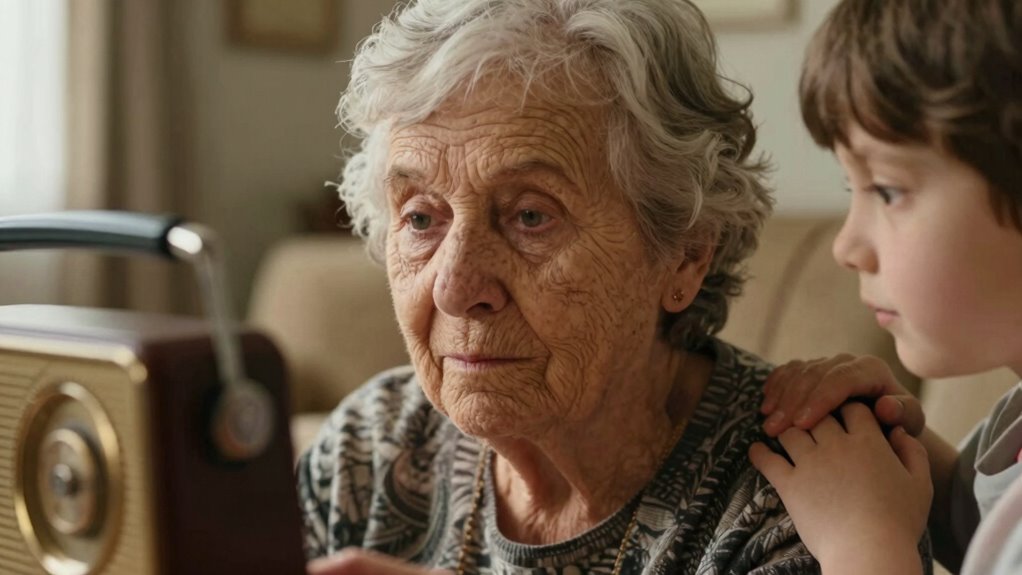

Hearing loss can mimic early dementia symptoms, making it hard to tell the difference. When you struggle to follow conversations or feel confused, it might be due to auditory issues rather than cognitive decline. Untreated hearing problems can lead to social withdrawal and mental fatigue, which look like memory loss. Addressing hearing loss early can improve communication and brain health. If you want to understand how to differentiate these signs, there’s more to explore below.
Listen free for 30 days with Audible
Thousands of audiobooks and originals — cancel anytime.
As an affiliate, we earn on qualifying purchases.
Key Takeaways
- Hearing loss can cause misunderstandings and social withdrawal, mimicking dementia symptoms like memory issues.
- Difficulties in following conversations may be mistaken for cognitive decline or confusion.
- Untreated hearing problems increase cognitive load, potentially leading to brain function decline similar to dementia.
- Correcting hearing loss with aids can improve mental clarity and reduce the risk of misdiagnosis.
- Early hearing assessments are crucial to distinguish between hearing-related issues and true cognitive impairment.
As an affiliate, we earn on qualifying purchases.
Can Hearing Loss Mimic Dementia Symptoms?

Have you ever wondered if hearing loss could be mistaken for dementia? It’s possible because hearing issues can cause auditory illusions, where sounds seem unclear or distorted. These illusions make it difficult to follow conversations, leading to frustration or misinterpretation. As you struggle to understand, you might appear forgetful or distracted, which can mimic dementia symptoms. Additionally, trying to constantly compensate for hearing difficulties causes cognitive fatigue, leaving you mentally exhausted. This exhaustion can be mistaken for confusion or reduced mental sharpness, further confusing the picture. The overlap between hearing loss symptoms and early signs of dementia highlights the importance of proper hearing assessments. Recognizing these signs early can prevent misdiagnosis and ensure you get the right support. Moreover, addressing **hearing loss** early can significantly improve quality of life and cognitive health. Understanding the symptoms overlap between hearing impairment and dementia underscores the importance of seeking professional evaluation to differentiate between the two conditions. Being aware of the diagnostic challenges can help ensure a more accurate understanding of the underlying issues.
As an affiliate, we earn on qualifying purchases.
How Hearing and Brain Health Are Connected
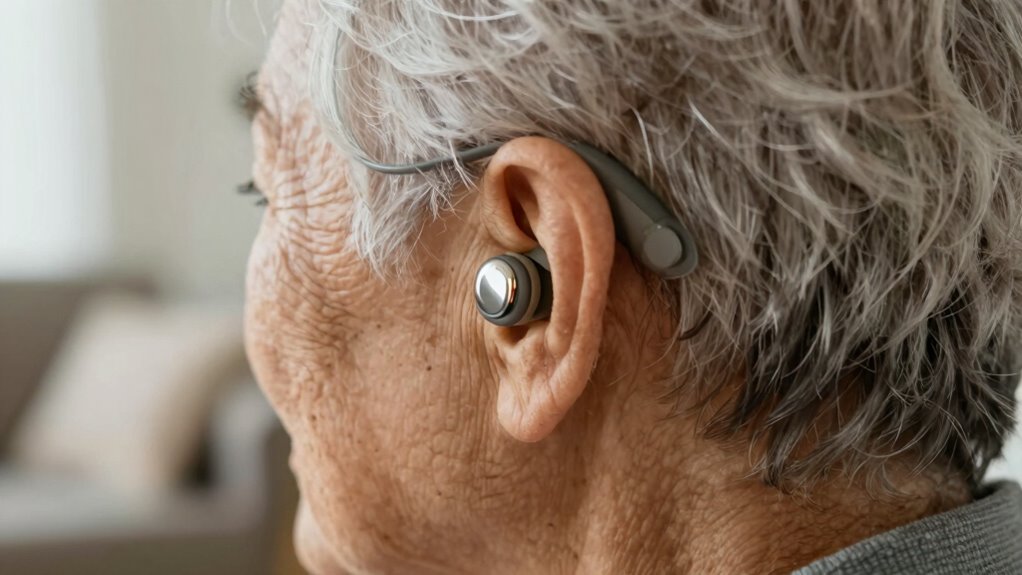
Hearing and brain health are closely linked, with recent research showing that untreated hearing loss can lead to cognitive decline. When your hearing isn’t sharp, your brain has to work harder to process sounds, especially auditory processing. This extra effort can strain neural resources, reducing the brain’s capacity for other tasks like memory and reasoning. Over time, this increased cognitive load may contribute to cognitive decline, making it harder to stay mentally sharp. Addressing hearing issues early can help preserve brain function by easing auditory processing demands. Maintaining good hearing health supports neural pathways, keeps your mind engaged, and potentially delays or prevents cognitive decline associated with aging. Protecting your hearing isn’t just about sound; it’s about safeguarding your overall brain health. Understanding neural pathways can help you appreciate how interconnected these systems are and why early intervention is beneficial. Additionally, engaging in mental stimulation activities can further support cognitive resilience and overall brain health. Recognizing the importance of ear-brain connection can motivate proactive steps toward hearing care and cognitive well-being. Moreover, awareness of environmental factors such as noise pollution can play a role in protecting hearing and brain health over time. Learning about neural plasticity underscores how the brain can adapt and recover with proper care.
As an affiliate, we earn on qualifying purchases.
Signs Your Hearing Problems Might Be Confusing You for Dementia

As hearing difficulties develop, they can sometimes mimic symptoms commonly associated with dementia, leading to confusion. For example, you might withdraw from conversations, seem forgetful, or appear confused—signs often linked to cognitive decline. However, these behaviors could stem from untreated hearing loss rather than dementia. Hearing aid benefits extend beyond improved sound; they can help you stay engaged and prevent cognitive decline. When your hearing is better, your brain receives clearer information, reducing mental strain. Recognizing these signs early is essential because addressing hearing issues promptly can prevent misdiagnosis and support overall brain health. If you notice these symptoms, getting your hearing tested and exploring hearing aid options might be key steps toward maintaining mental clarity and overall well-being.
cognitive support supplements for memory
As an affiliate, we earn on qualifying purchases.
As an affiliate, we earn on qualifying purchases.
Can Fixing Hearing Loss Help Improve Memory and Brain Function?
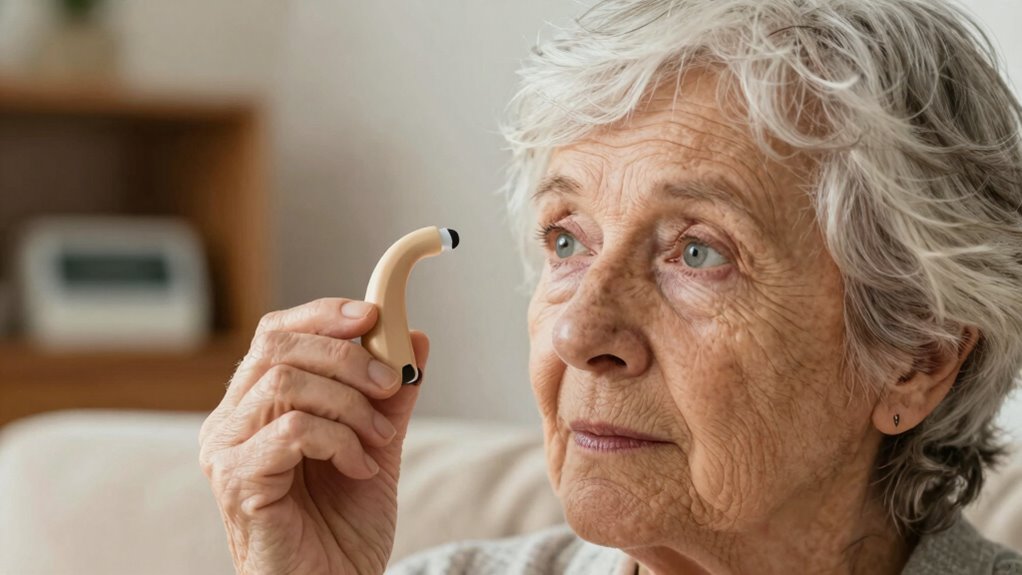
When you address hearing loss with appropriate treatment, you can see notable improvements in memory and overall brain function. Using hearing aids helps reduce the mental effort needed to understand sounds, freeing up cognitive resources. Additionally, engaging in brain exercises, like puzzles or memory games, can further boost your mental agility. Here are three ways fixing hearing loss can help:
- Enhances communication, reducing social isolation that harms cognitive health.
- Stimulates neural pathways, keeping your brain active and engaged.
- Supports better memory retention by decreasing the cognitive load associated with hearing difficulties. Regular use of hearing aids can also encourage consistent engagement with auditory stimuli, which is essential for neural plasticity and maintaining cognitive vitality. Research shows that combining hearing aids with brain stimulation activities can have a synergistic effect on cognitive health. Moreover, addressing hearing issues can also encourage social interaction, which is vital for mental well-being.
- Incorporating smart pool automation features such as lighting and climate control can create a relaxing environment that supports mental well-being. Additionally, utilizing hearing assistive technology can further enhance auditory experiences and cognitive engagement.
What Next? How to Address Hearing Loss or Memory Concerns in Loved Ones
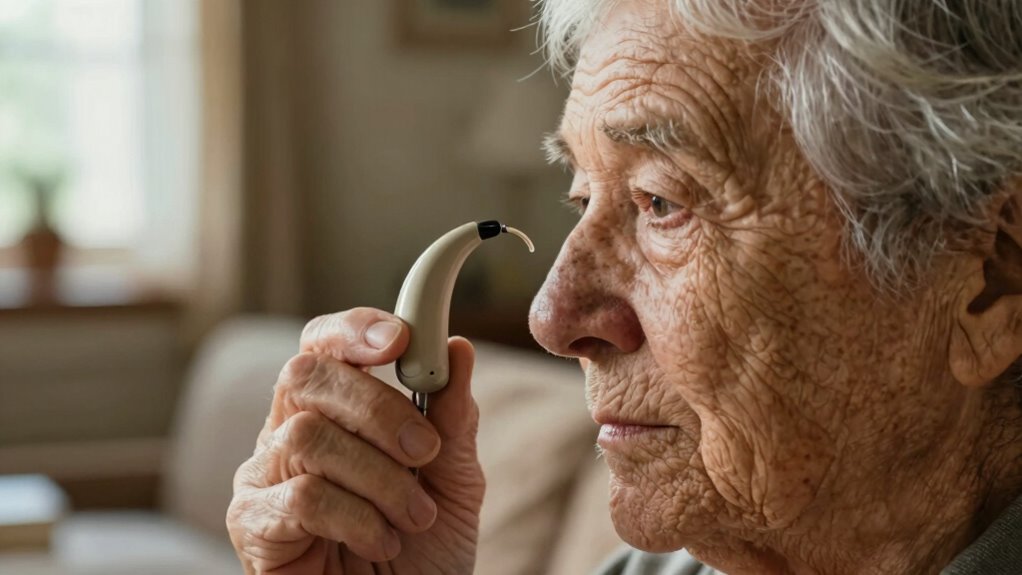
If you notice signs of hearing loss or memory concerns in a loved one, taking prompt and compassionate action can make a significant difference. Start by encouraging a visit to a healthcare professional for an accurate assessment. Hearing aids can improve communication, reduce frustration, and support cognitive health. Alongside hearing aids, suggest engaging in cognitive exercises like puzzles or memory games to keep the brain active. Educate your loved one about the connection between hearing health and cognitive function, emphasizing early intervention’s benefits. Offer your support during appointments and daily routines. Staying patient and respectful helps reduce stigma and encourages acceptance of help. Addressing these concerns early can improve quality of life and potentially slow cognitive decline.
Frequently Asked Questions
How Common Is Hearing Loss Among Dementia Patients?
Hearing loss is quite common among dementia patients, often affecting over 40% of individuals with the condition. You should prioritize regular hearing screenings and include hearing assessments in cognitive evaluations. Addressing hearing issues early can improve communication, reduce confusion, and potentially slow cognitive decline. Recognizing the overlap between hearing and dementia helps guarantee thorough care, making a significant difference in quality of life for those affected.
Are There Specific Tests to Differentiate Hearing Loss From Dementia?
You can differentiate hearing loss from dementia with targeted tests. Auditory assessments measure your hearing ability, while cognitive screening evaluates memory and thinking skills. notably, studies show that up to 80% of dementia diagnoses may be complicated by unrecognized hearing issues. These tests help clinicians identify the root cause of your communication challenges, ensuring you get the right treatment. Don’t overlook the importance of these assessments—they’re key to accurate diagnosis.
Can Untreated Hearing Loss Accelerate Cognitive Decline?
Untreated hearing loss can indeed accelerate cognitive decline. When you don’t use hearing aids or address hearing issues, your brain works harder to process sounds, which can strain cognitive resources. This increased effort may lead to memory problems and decline in cognitive health over time. Using hearing aids helps preserve your cognitive functions by easing auditory processing, supporting your overall mental sharpness and quality of life.
What Are the Emotional Impacts of Misdiagnosing Hearing Issues as Dementia?
Misdiagnosing hearing issues as dementia can cause significant emotional distress, making you feel frustrated, scared, or isolated. It may also strain family dynamics, as loved ones might misunderstand your behavior or overlook the real problem. You could feel overwhelmed by the emotional toll of incorrect diagnosis, leading to unnecessary anxiety and confusion. Recognizing hearing loss early helps prevent these feelings and improves communication, fostering better understanding within your family.
How Does Age Influence the Overlap Between Hearing Loss and Dementia Symptoms?
As you age, the overlap between hearing loss and dementia symptoms becomes more pronounced due to age-related decline and changes in sensory processing. You might notice communication difficulties, confusion, or memory issues that are actually linked to hearing problems rather than cognitive decline. Age impacts how these symptoms present, making it essential to evaluate hearing health carefully to avoid misdiagnosis and ensure appropriate treatment.
Conclusion
Don’t let misunderstood signals steer you astray, mistaking quiet whispers of hearing loss for the loud echoes of dementia. Your senses are the compass guiding your mind’s landscape—when they falter, confusion dances in. By addressing hearing issues early, you’re turning down the static and tuning into clarity, helping your memory stay sharp and your mind vibrant. Stay vigilant, and listen closely—your brain will thank you for it.
NFL season / tailgating Picks
team gear
As an affiliate, we earn on qualifying purchases.