
TL;DR

Turn quiet afternoons into listening time
- Thousands of audiobooks, podcasts and originals
- Listen on your phone, tablet or Echo — also offline
- Cancel anytime
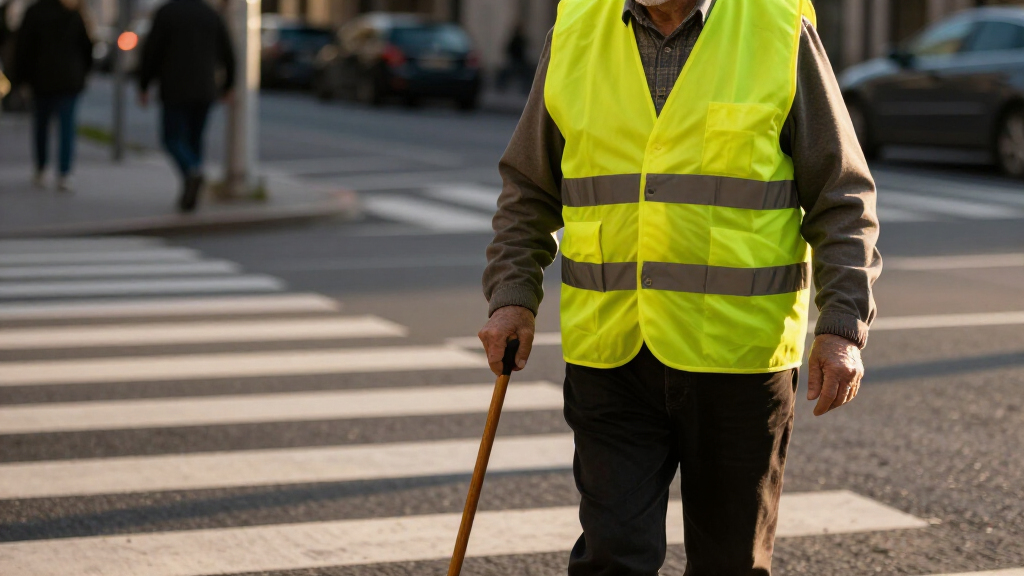
Older pedestrians, especially those aged 65 and above, are significantly more likely to die after being hit by a vehicle. Experts attribute this to physical vulnerability and slower recovery, raising safety concerns.
Pedestrians aged 65 and older are significantly more likely to die after being struck by a vehicle, according to recent traffic safety data. This heightened risk underscores the importance of targeted safety measures for older adults, who are particularly vulnerable in traffic environments.
Multiple studies, including recent traffic safety reports, confirm that pedestrians aged 65 and above face a higher fatality rate following collisions with motor vehicles. Data from the National Highway Traffic Safety Administration (NHTSA) indicates that while older pedestrians comprise about 20% of pedestrian fatalities, their mortality rate per incident is disproportionately higher than that of younger pedestrians.
Experts attribute this increased vulnerability to various factors, including reduced physical resilience, slower reaction times, and pre-existing health conditions that complicate recovery after injury. Dr. Susan Miller, a public health researcher, states, “Older pedestrians tend to sustain more severe injuries, and their bodies often recover more slowly, increasing the risk of death.”
Implications for Urban Safety and Policy Measures
This trend highlights the urgent need for improved safety measures in urban planning and traffic management. As the population ages, cities must consider infrastructure modifications such as extended crosswalk times, better signage, and physical barriers to protect vulnerable pedestrians. The increased risk also emphasizes the importance of public awareness campaigns targeted at both drivers and older pedestrians to reduce collision severity and improve outcomes.
automatic fall detection alert for seniors
As an affiliate, we earn on qualifying purchases.
As an affiliate, we earn on qualifying purchases.
Rising Pedestrian Fatalities Among Seniors Over Recent Years
Over the past decade, pedestrian fatalities have steadily increased, with older adults experiencing a sharper rise. According to NHTSA data, pedestrian deaths involving individuals aged 65 and older have grown by approximately 15% since 2010. This demographic shift coincides with the overall aging of the population, leading to more seniors on the streets.
Previous research suggests that older pedestrians are less likely to be able to react quickly or avoid collisions, and their physical frailty makes injuries more severe. The COVID-19 pandemic also saw shifts in pedestrian traffic patterns, potentially impacting vulnerability.
“Older pedestrians tend to sustain more severe injuries, and their bodies often recover more slowly, increasing the risk of death.”
— Dr. Susan Miller, public health researcher
elderly pedestrian safety crossing aids
As an affiliate, we earn on qualifying purchases.
As an affiliate, we earn on qualifying purchases.
Unanswered Questions About Contributing Factors and Prevention
While data confirms higher fatality rates among older pedestrians, it remains unclear which specific factors—such as vehicle speed, pedestrian behavior, or environmental conditions—play the most significant roles. The effectiveness of current safety interventions tailored for seniors is also still under evaluation.
large print pedestrian safety signs
As an affiliate, we earn on qualifying purchases.
As an affiliate, we earn on qualifying purchases.
Future Research and Policy Initiatives to Reduce Risks
Researchers plan to analyze detailed collision data to identify key risk factors further. Policymakers are expected to consider stricter traffic calming measures, enhanced crosswalk protections, and public education campaigns aimed at older adults. Additionally, urban planners may incorporate more age-friendly infrastructure to mitigate this risk.
senior-friendly crosswalk signal devices
As an affiliate, we earn on qualifying purchases.
As an affiliate, we earn on qualifying purchases.
Key Questions
Why are older pedestrians more likely to die after being hit by a car?
Older pedestrians are more vulnerable due to reduced physical resilience, slower reaction times, and pre-existing health conditions, which can lead to more severe injuries and slower recovery.
What safety measures can help protect older pedestrians?
Measures include longer crossing times, better signage, physical barriers, traffic calming devices, and public awareness campaigns to reduce vehicle speeds and increase driver vigilance near pedestrian areas.
Are pedestrian fatalities among seniors increasing?
Yes, data from the NHTSA shows a 15% increase in pedestrian fatalities involving individuals aged 65 and older over the past decade.
What is being done to address this issue?
Urban planners and policymakers are exploring infrastructure improvements, stricter traffic regulations, and targeted safety programs to reduce risks for older pedestrians.
Source: rss
Evergreen bestsellers Picks
bestsellers
As an affiliate, we earn on qualifying purchases.