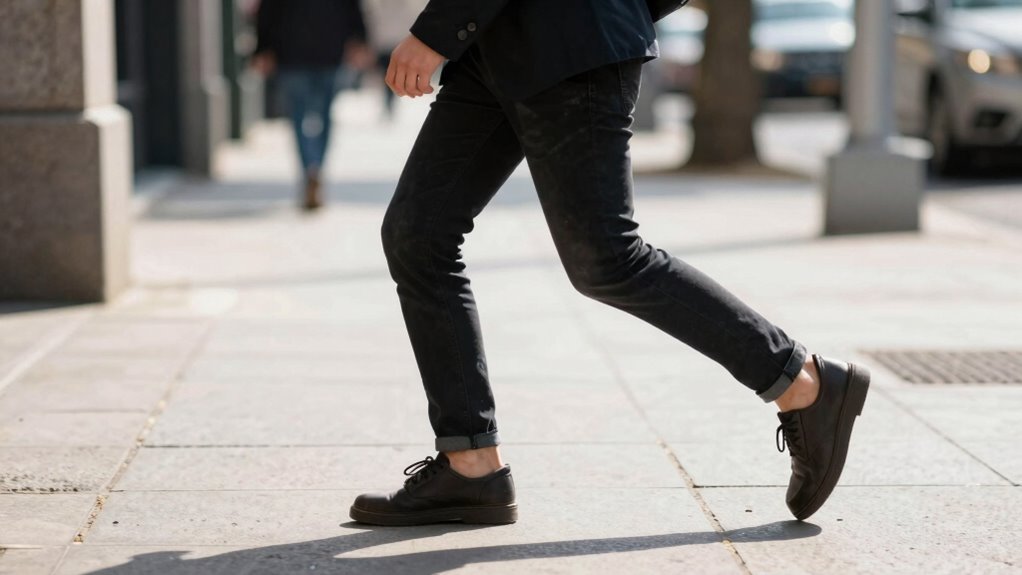

Turning your head sideways can cause a stumble because it briefly disrupts your balance and sensory systems, like your vision and inner ear. When you move suddenly or jerk your head, it can throw off your coordination, making you wobble or misjudge your footing. Environmental factors or poor posture can increase this risk. If you want to stay steady and avoid falls during head turns, you’ll find helpful tips and exercises ahead.

Turn quiet afternoons into listening time
- Thousands of audiobooks, podcasts and originals
- Listen on your phone, tablet or Echo — also offline
- Cancel anytime
Key Takeaways
- Sudden head turns disrupt the vestibular system, causing disorientation and balance loss.
- Moving the head sideways shifts body alignment, increasing the risk of missteps.
- Rapid or jerky head movements interfere with eye-head coordination, leading to dizziness.
- Distracted focus during side glances can cause misjudged footing and stumbling.
- Environmental hazards combined with head turns amplify fall risk, especially on uneven surfaces.
What Is the ‘Head Turn’ Hazard and Why Does It Matter?

Have you ever noticed how drivers often turn their heads to check for oncoming traffic or other hazards? That’s a perfect example of mindful movement, where head position is vital. The ‘head turn’ hazard occurs when you intentionally or unconsciously move your head sideways, often to look at something or check your surroundings. While it seems harmless, this movement can shift your balance unexpectedly. Your head’s position influences your entire body’s stability, especially if you’re walking or standing on uneven surfaces. Being aware of how you move your head helps prevent losing your balance. Recognizing the importance of mindful movement means understanding that your head’s position isn’t just about sight—it also impacts your overall stability and safety. Additionally, certain balance-enhancing products can provide extra support in maintaining stability during everyday activities. Incorporating proper posture techniques can further reduce the risk of imbalance caused by head movements, and practicing mindful movement can improve overall safety in daily routines. Developing a conscious awareness of body mechanics can further enhance your ability to maintain balance and avoid falls. Being mindful of visual attention can help you coordinate your movements more effectively and reduce accidental missteps.
Why Turning Your Head Can Make You Lose Balance
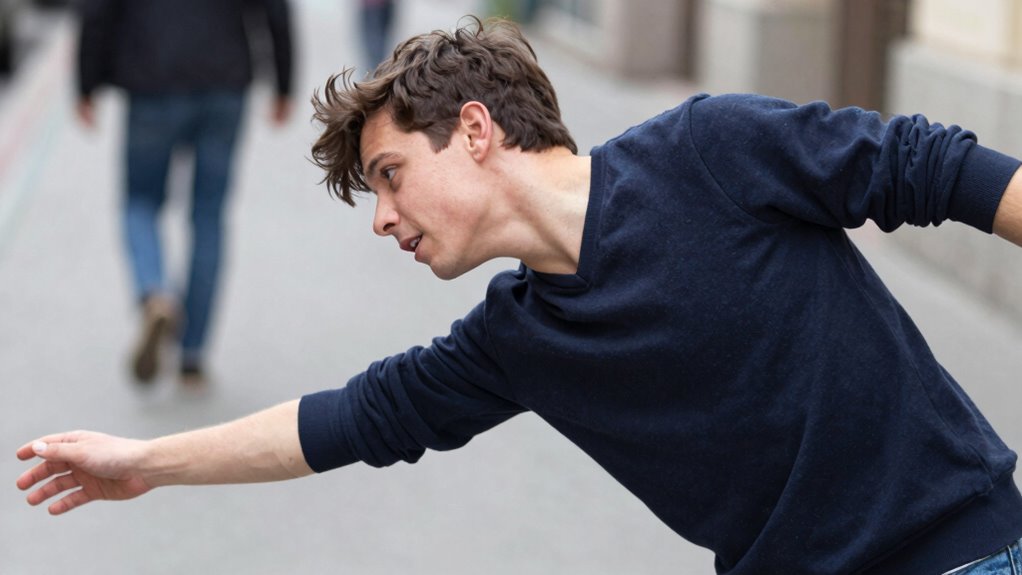
When you turn your head abruptly, it can throw off your vestibular system’s balance. This disruption makes your eyes and head struggle to coordinate smoothly, leading to a moment of disorientation. As a result, you’re more likely to lose your footing unexpectedly. Proper balance maintenance is essential to prevent such mishaps during sudden movements. Being aware of accessibility features that support stability can also help reduce the risk of falls. Incorporating aquatic exercise can strengthen your muscles and improve overall stability, making it easier to recover from balance challenges. Additionally, understanding sensory integration can help you develop strategies to maintain equilibrium during movement, especially in environments that challenge your spatial awareness.
Disrupts Vestibular System Balance
Turning your head quickly or awkwardly can throw off your vestibular system, which is responsible for maintaining your balance and spatial orientation. When this system is disrupted, your vestibular health suffers, making it harder to stay steady. Rapid head movements send conflicting signals to your brain, confusing your body’s sense of position. This disruption affects your balance maintenance, increasing your risk of stumbling or falling. Your inner ear structures, like the semicircular canals, rely on smooth movements to function properly. When you turn your head suddenly, these structures can become momentarily misaligned, impairing your ability to detect motion accurately. Over time, repeated disruptions can weaken your vestibular system, making you more prone to balance issues. Maintaining proper air purifier maintenance and ensuring clean filters can promote overall health, including your vestibular health. Staying mindful of head movements helps protect your vestibular health and keeps you steadier on your feet. Additionally, maintaining overall ear health can support your vestibular function and reduce dizziness risks. Regular balance exercises can also strengthen your system and improve stability over time.
Alters Eye-Head Coordination
Since your eyes and head work together to help you maintain balance, any sudden or awkward head movement can disrupt this coordination. When you turn your head quickly or at an unusual angle, your eye movement adjusts rapidly to track objects or surroundings. This rapid eye movement requires your brain to process new visual information while your head stability shifts. If this process isn’t smooth, it can throw off your coordination, making you feel off-balance or dizzy. Your brain relies on the seamless integration of eye movement and head position to keep you steady. Disrupting this harmony can momentarily confuse your sensory system, increasing the risk of a stumble or loss of balance, especially if your body isn’t prepared for the sudden change. Additionally, sensorimotor integration plays a crucial role in coordinating these movements effectively. A sudden change in head position can also momentarily affect your vestibular system, which helps control balance and spatial orientation. Furthermore, understanding the neural pathways involved can help explain why these balance disruptions occur during rapid head turns. Recognizing the importance of sensory processing can help in developing strategies to improve balance during such movements.
Causes Momentary Disorientation
Your balance can momentarily falter because rapid or awkward head movements send conflicting signals to your brain. When you turn your head quickly, your spatial awareness gets disrupted, making it harder to judge your position in space. This disorientation occurs because your brain relies on proprioceptive cues from muscles and joints to maintain balance, but sudden movements can momentarily confuse these cues. As a result, your brain struggles to process accurate information about your body’s orientation, leading to a brief loss of stability. This mismatch between visual input and proprioceptive feedback causes you to feel disoriented, increasing the risk of stumbling. Even a slight head turn can trigger this fleeting imbalance, especially if your body isn’t prepared for the movement. Additionally, proprioception plays a crucial role in maintaining balance during such movements. Engaging in activities that improve balance and coordination can help mitigate these effects over time. Improving sensory integration through targeted exercises can further enhance your ability to maintain stability during head movements. Developing better vestibular function can also help your body adapt more quickly to head turns, reducing disorientation.
Common Situations Where Head Turns Might Cause a Trip

You often turn your head when checking over your shoulder, glancing backward quickly or shifting to the sidewalk. These sudden movements can throw off your balance and increase the risk of tripping. Recognizing these common situations helps you stay alert and prevent falls. Being aware of your surroundings and maintaining a steady posture can further reduce the chances of losing your balance. Incorporating environmental hazard awareness into your routine can help you anticipate potential obstacles before they cause a stumble. Paying attention to early warning signs of imbalance can also help you act proactively to avoid falls. Developing a mindful attitude toward balance and stability can reinforce safe habits during everyday movements.
Checking Over Shoulder
Turning your head to check over your shoulder is a common habit when changing lanes or backing up, but it can often lead to tripping or losing your balance. During mirror checking or a shoulder glance, your focus shifts sideways, causing your body to momentarily lose alignment. If you’re walking on uneven ground or stepping over obstacles, this sideways head movement can throw off your balance. You might misjudge your footing or stumble over a curb, crack, or uneven surface. Even a quick glance can disrupt your posture, especially if you’re distracted or in a hurry. To stay safe, keep your gaze forward when possible, and only turn your head when necessary. This reduces the risk of tripping caused by the head turn hazard.
Glancing Backward Quickly
When you quickly glance backward, especially in busy or uneven environments, it can catch you off guard and throw off your balance. Limited neck mobility makes it harder to turn your head smoothly, increasing the risk of losing your visual focus on your path. As your neck strains to follow a sudden movement, your attention shifts away from where you’re walking, disrupting your overall stability. Rapid head turns can cause you to misjudge your footing or step onto an uneven surface. This brief moment of distraction can lead to a stumble or fall. Being aware of your neck’s flexibility and maintaining steady visual focus forward helps keep your balance intact. Slow, deliberate head movements are safer, especially in unpredictable surroundings.
Turning to Sidewalk
Shifting your gaze to the sidewalk can seem simple, but it often leads to missteps if not done carefully. When turning your head to check the sidewalk, your focus on safe navigation might cause you to overlook uneven surfaces or obstacles. This is a common situation where head turn awareness is essential.
| Situation | Risk |
|---|---|
| Looking at a crossing sign | Missing a crack or curb |
| Glancing at a street vendor | Tripping over uneven pavement |
| Checking your phone while turning | Stepping into a pothole |
| Watching traffic flow | Losing sight of sidewalk edges |
Being mindful of these moments helps prevent trips, ensuring your sideward head turns support safe navigation without causing a stumble.
How to Tell If Your Head Turn Is Making You Wobble

If your head turn is causing you to wobble, you’ll likely notice some telltale signs. Pay attention to your neck awareness—if turning your head makes your balance feel off or unsteady, it’s a clear indicator. You might also feel a slight shift or imbalance in your posture, or notice that your body leans unintentionally when you look sideways. These are important balance cues that your head movement is affecting your stability. If you find yourself wobbling or feeling momentarily unsteady after turning your head, it’s a sign to slow down or adjust your movements. Recognizing these signs early helps you correct your head turns before losing your balance altogether. Staying attentive to your neck awareness ensures safer, more confident movements.
Environmental Hazards That Raise the Risk of Head Turn Falls
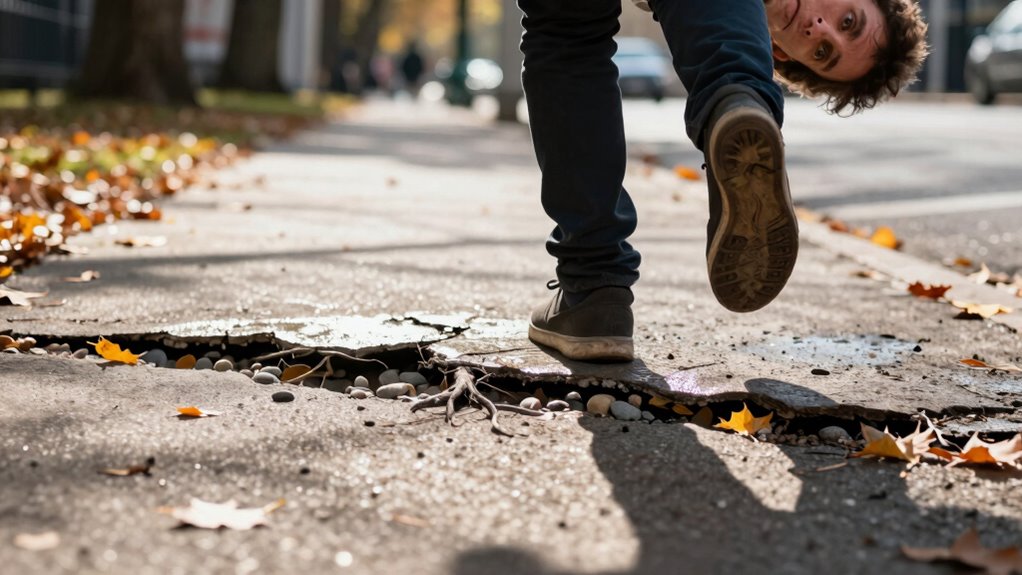
Environmental hazards in your surroundings can substantially increase the risk of head turn falls. Poor lighting conditions make it harder to see obstacles, causing sudden surprises that can throw you off balance. Uneven or cluttered surfaces hide dangers underfoot, increasing stumble chances. Inappropriate footwear choices, like slick soles or worn-out shoes, reduce grip and stability during a head turn. Additionally, glare from bright lights or shadows can distort your perception, making it harder to judge your footing. Here are four hazards to watch for:
- Dim or flickering lighting that obscures hazards
- Uneven floors or cluttered walkways
- Shoes with inadequate traction
- Harsh glare or shadows distorting your view
Staying vigilant about these environmental factors helps prevent dangerous head turn falls.
Tips for Staying Steady When Looking Sideways
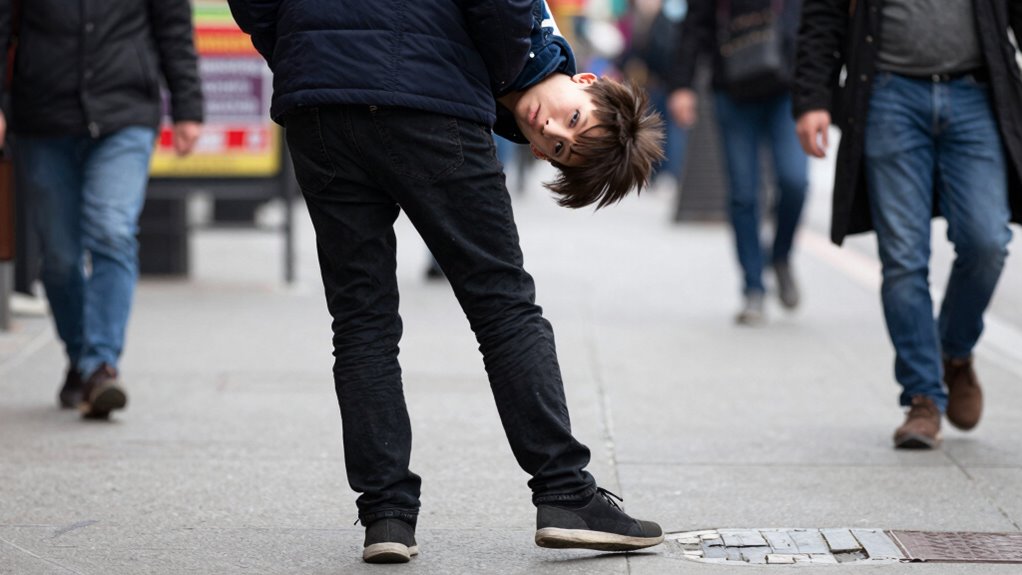
Looking sideways while walking can challenge your balance, but with the right techniques, you can stay steady and avoid falls. Maintaining visual awareness is key—keep your eyes focused on your path, even as you turn your head. When you need to look sideways, move your head slowly rather than jerking it quickly, giving your body time to adjust. Engaging your core helps stabilize your body during head movement, reducing the risk of losing balance. Be conscious of your surroundings and avoid overextending your neck, which can disrupt your equilibrium. Practicing controlled head turns in safe environments can improve your coordination over time. Remember, smooth and deliberate head movement helps keep your visual awareness sharp without compromising your stability.
Exercises to Improve Your Balance During Head Turns
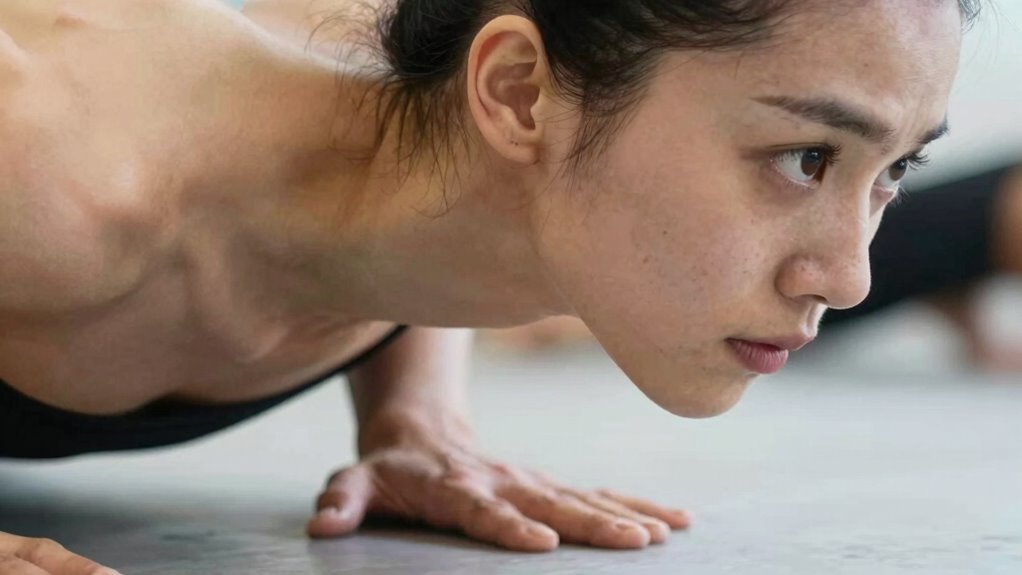
Practicing specific exercises can markedly enhance your balance during head turns. Incorporate balance exercises into your routine to strengthen stabilizer muscles and improve posture correction, reducing the risk of falls. Here are four effective exercises:
- Single-leg stand — improves stability and focus.
- Heel-to-toe walk — enhances coordination and balance.
- Head-turning balance holds — turn your head side to side while maintaining a steady stance.
- Tai Chi or yoga poses — promote overall balance and posture alignment.
These exercises challenge your balance during head movements, helping you develop better control and confidence. Consistent practice guarantees your body adapts, minimizing the hazard of stumbling when looking sideways. Stay committed, and you’ll notice your head turns become safer and more effortless.
When to Be Extra Careful About Head Turns in Daily Life

Being mindful of when to exercise extra caution during head turns can prevent accidents in daily life. If your neck mobility is limited or if you’re recovering from an injury, avoid sudden or extreme head turns, especially when walking on uneven surfaces or in crowded places. Pay attention to your body’s signals and prioritize head stabilization over quick movements. When steering through tight spaces or busy streets, slow down and turn your head gradually to maintain balance. If you’re feeling unsteady, consider supporting your head with your hand or using visual cues to reduce the strain on your neck. Recognizing moments when your neck is less stable helps you prevent slips, trips, and falls caused by the head turn hazard.
Quick Tips to Prevent Trips When Turning Your Head
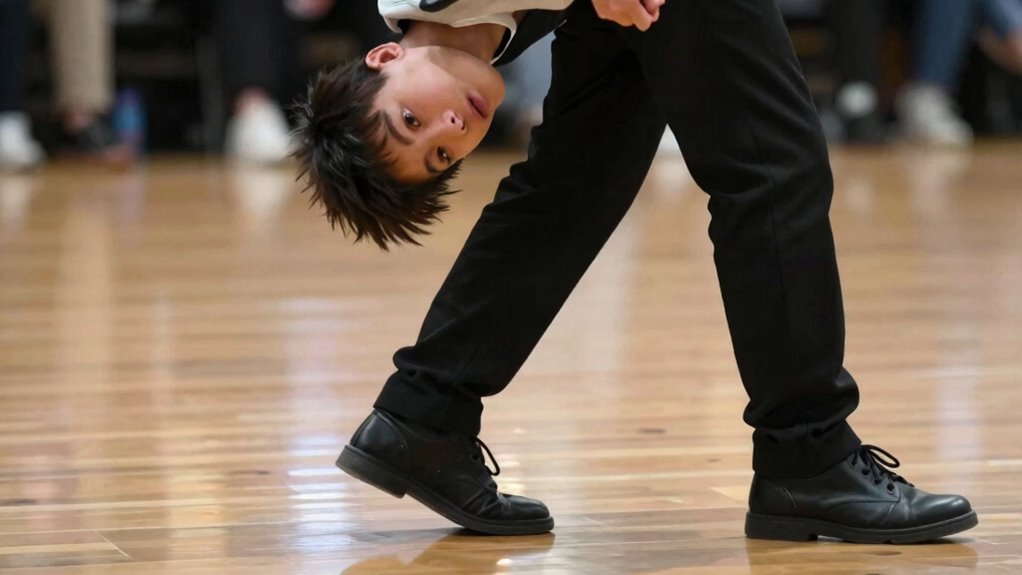
To prevent trips when turning your head, remaining vigilant of your surroundings and moving deliberately is essential. Developing head turn awareness helps you anticipate hazards before they catch you off guard. Incorporate balance exercises into your routine; improved stability reduces the risk of stumbling. Here are quick tips to stay safe:
Stay alert and move carefully to avoid tripping when turning your head.
- Check your environment before turning your head, especially in cluttered areas.
- Move slowly and deliberately, giving your body time to adjust.
- Practice balance exercises regularly to strengthen your core and improve stability.
- Avoid multitasking while walking, so your focus remains on your path and surroundings.
These simple steps keep you alert and steady, making every head turn safer and reducing your chances of tripping.
Final Tips: Staying Safe and Steady When You Turn Your Head

Staying safe and steady when you turn your head requires more than just awareness; it’s about applying simple habits that keep you balanced and alert. Improving your visual perception helps you anticipate obstacles, so focus your gaze carefully before and during the turn. Maintaining good neck flexibility allows for smoother, controlled movements, reducing the risk of sudden imbalance. Practice slow, deliberate head turns to build confidence and muscle memory. Keep your posture upright and avoid distractions that could shift your focus or cause you to lose footing. Strengthening your neck and practicing mindful movements enhance your stability. By combining awareness of your surroundings with these habits, you can considerably reduce the chance of a stumble when turning your head.
Frequently Asked Questions
Can Certain Eyewear Increase the Risk of Head Turn-Related Falls?
Yes, certain eyewear can increase your risk of head turn-related falls. If your glasses cause visual distraction or limit peripheral awareness, you might not notice obstacles or changes in your environment. When you turn your head, these visual impairments can make it harder to maintain balance, raising the chance of stumbling. Always choose eyewear that minimizes distraction and preserves your peripheral vision for safer movement.
How Does Age Influence Susceptibility to Head Turn Trips?
An ounce of prevention is worth a pound of cure. As you age, your susceptibility to head turn trips increases due to visual decline and slower reaction times. You might not notice obstacles or hazards when looking sideways, making falls more likely. Staying alert, improving lighting, and regularly checking your vision can help you avoid these stumbles and stay steady on your feet as you grow older.
Are There Specific Footwear Types That Help Prevent Head Turn Accidents?
Opt for footwear with slip-resistant soles and good ankle support to help prevent head turn accidents. Slip-resistant soles provide better grip, especially on wet or uneven surfaces, reducing the risk of slips that cause you to turn your head suddenly. Ankle support stabilizes your footing, making side-to-side movements safer. Wearing shoes with these features can keep you more secure and minimize the chances of stumbling when you look sideways.
Does Fatigue Worsen the Likelihood of Losing Balance When Turning Your Head?
Yes, fatigue can worsen your chances of losing balance when turning your head. When you’re tired, your neck flexibility decreases, making it harder to turn your head safely. This increases the risk of distracted walking and losing your footing. Being fatigued also impairs your focus, so you’re less aware of your surroundings. To stay safe, avoid quick head turns when you’re tired, and always pay close attention to your footing.
Can Training Programs Effectively Reduce Head Turn-Related Fall Risks?
Research shows that 80% of falls involve visual awareness issues. Your training program can effectively reduce head turn-related fall risks by improving balance training and enhancing visual awareness. By practicing specific exercises, you’ll develop better head and eye coordination, making you less likely to stumble when looking sideways. Consistent training boosts your confidence and stability, ultimately lowering your risk of falls during everyday movements.
Conclusion
By staying alert and practicing balance, you can avoid the ‘head turn’ hazard and prevent falls. Remember to check your surroundings, move slowly, and strengthen your core—your personal safety armor. Don’t forget, even Robin Hood knew the importance of being aware while on the move. With a little caution and these tips, you’ll stay steady on your feet, whether you’re steering through a busy street or a castle corridor. Stay safe, and keep your head on straight!
Halloween Picks
halloween
As an affiliate, we earn on qualifying purchases.