
To spot early signs of fall risk, do quick home checks like standing on one leg for ten seconds, balancing heel-to-toe in a line, or closing your eyes while standing with feet together. Notice if you stumble, sway, or feel unsteady during these tests. Signs like recent falls, difficulty turning, or feeling dizzy mean your balance is declining. Keep exploring; you’ll find simple ways to improve and protect your stability further.
Key Takeaways
- Performing simple self-tests like one-leg stands and heel-to-toe walks can reveal early balance decline.
- Signs such as frequent stumbling, dizziness, or holding furniture for support indicate increased fall risk.
- Cluttered, poorly lit environments and uneven surfaces heighten fall hazards and signal potential balance issues.
- Gait abnormalities like shuffling, wide steps, or hesitations suggest movement difficulties and fall susceptibility.
- Regularly inspecting home safety features and seeking professional assessment helps address balance concerns early.
Why Early Balance Changes Signal Fall Risk
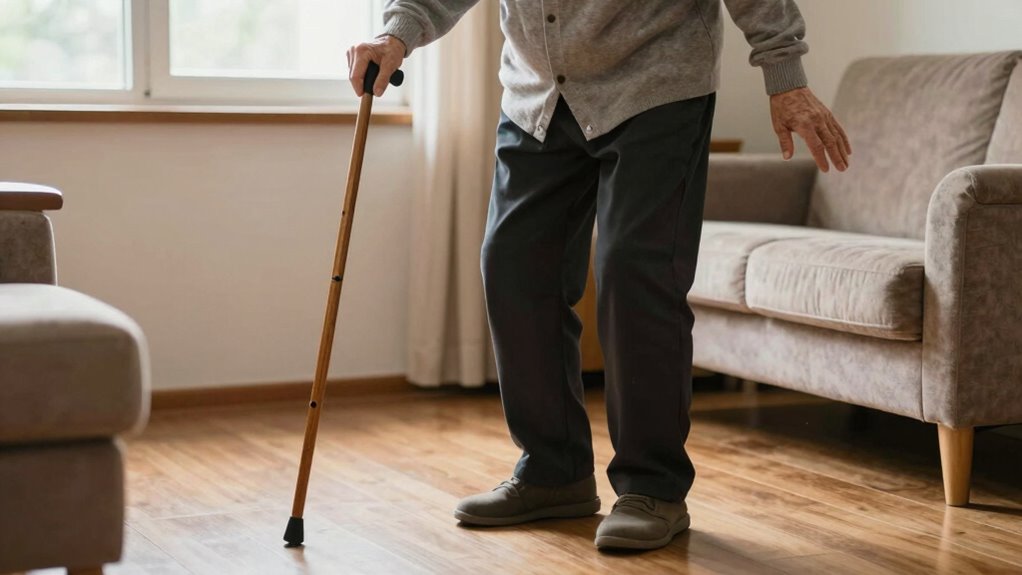
Early balance changes often serve as warning signs of fall risk because they can indicate underlying issues with stability and coordination. As you age, natural age-related changes in your muscles, joints, and sensory systems can weaken your balance, making falls more likely. Additionally, certain medications may cause dizziness, drowsiness, or impaired coordination, further increasing your risk. These early signs might include feeling unsteady when standing or walking, difficulty maintaining posture, or slight dizziness. Recognizing these subtle shifts helps you understand your fall risk better. Addressing age-related changes and reviewing medication effects with your healthcare provider can improve balance and reduce the likelihood of falls. Staying alert to these early signs is vital for maintaining your safety and independence. Balance exercises can also strengthen stability and help prevent falls. Incorporating natural movement patterns into your daily routine can further enhance your overall stability and coordination. Paying attention to sensory system health can support your balance and overall well-being. Moreover, engaging in regular movement assessments can help identify emerging issues before they lead to falls. Understanding the importance of visual perception and its role in maintaining balance can also be beneficial.
How to Quickly Check Your Balance at Home
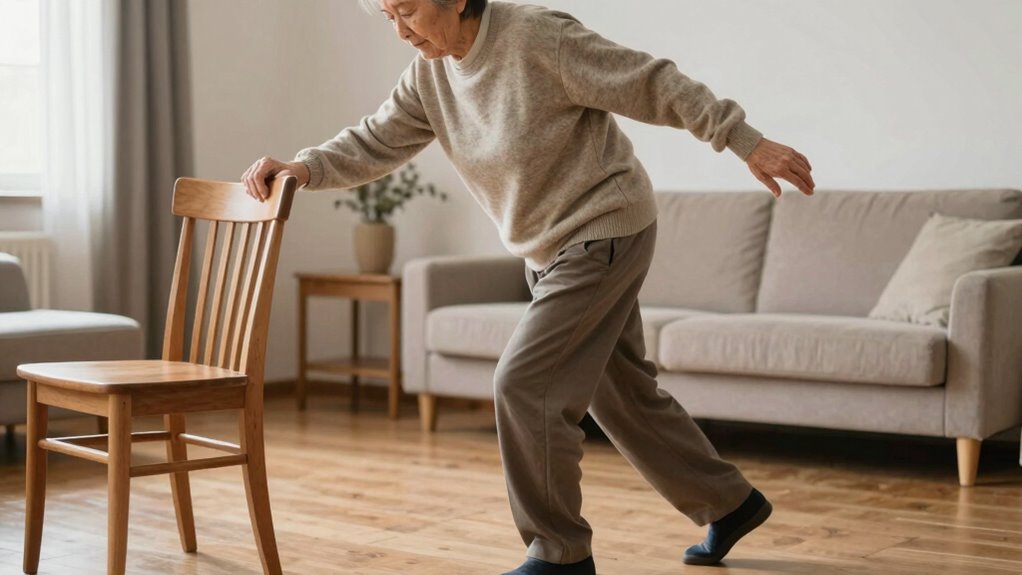
You can quickly assess your balance at home with a simple standing test—stand on one leg for 10 seconds and see how steady you feel. Safe walking practice, like walking heel-to-toe in a straight line, also helps identify balance issues. These easy checks give you immediate insight into your stability and whether you should seek further evaluation. Incorporating practical applications of herbal remedies can also support overall wellness and balance. For example, certain herbal supplements have been studied for their potential to improve neurological function, which plays a role in maintaining balance. Additionally, maintaining proper solar system safety measures around your home, such as ensuring clear pathways and avoiding tripping hazards, can help prevent fall-related accidents. Regularly practicing balance exercises can further strengthen your stability and reduce fall risk over time.
Simple Standing Test
To quickly assess your balance at home, the Simple Standing Test offers an easy and effective method. Stand upright with your feet together and arms at your sides. Close your eyes and hold this position for 30 seconds. During the test, pay attention to any sway, instability, or loss of balance. This exercise can also be complemented by gait analysis, which provides further insight into your overall stability and mobility. This simple exercise allows you to observe your gait analysis and posture assessment firsthand. If you notice significant swaying or difficulty maintaining the stance, it could indicate a higher fall risk. Keep in mind that this test isn’t a formal diagnosis but a quick way to spot potential issues. Regularly performing this exercise can help you become more aware of your balance status and prompt you to seek professional advice if needed. Additionally, understanding your Gold IRA markets and investment options can help you plan for a secure financial future, giving you peace of mind as you focus on your health. Incorporating balance improvement techniques into your routine can further enhance your stability and reduce fall risks over time. Engaging in strengthening exercises can also support better balance and coordination. Being aware of your overall health and managing underlying conditions can also contribute to improved balance and reduced fall risk.
Safe Walking Practice
Building on your ability to assess static balance with the Simple Standing Test, practicing safe walking habits helps identify dynamic stability issues. When walking, pay attention to your gait, especially if you use assistive devices or notice medication effects that may impair coordination. To check your balance during walking, walk slowly in a familiar area, focusing on smooth, controlled steps. Use this table to understand key factors:
| Assistive Devices | Medication Effects | Safe Walking Tips |
|---|---|---|
| Verify proper fit | Be aware of side effects | Walk at a comfortable pace |
| Use devices correctly | Avoid operating machinery | Keep arms free for balance |
| Regularly inspect devices | Consult your doctor | Clear clutter in your path |
Additionally, understanding the importance of cabling safety can prevent accidents that may compromise your stability. Incorporating indoor air quality considerations, such as minimizing dust and pollutants that can affect breathing and coordination, can also support overall safety. Ensuring proper battery maintenance of assistive devices may help prevent malfunctions that could lead to falls. Being aware of environmental hazards like uneven flooring or loose rugs is essential for reducing fall risk. Regularly checking your home’s safety features, such as handrails and lighting, is a simple step to further mitigate fall risks. This quick check helps spot issues early, reducing fall risk.
Recognizing Common Signs of Balance Decline
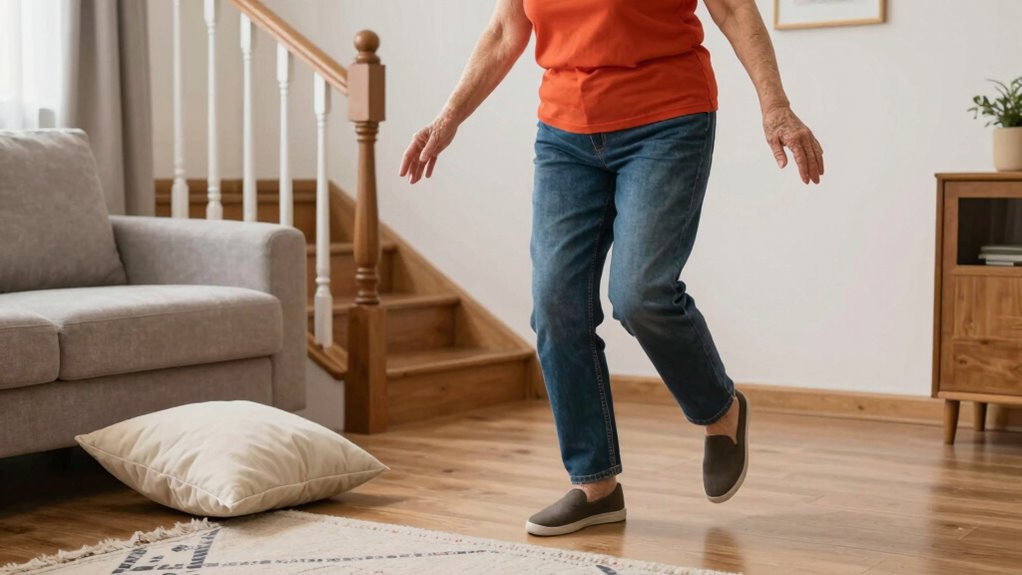
If you notice cluttered walking spaces or frequently stumble, it could be a sign your balance is declining. Near-falls are also warning signals that your coordination might be weakening. Paying attention to these signs can help you address balance issues before they lead to more serious falls. Using performance cookies to monitor your activity can provide insights into patterns that might indicate a decline in stability. Regularly inspecting your environment for hazards and ensuring proper device calibration can also support better balance and safety. Incorporating home safety assessments into your routine can help identify potential risks early on. Additionally, assessing your air quality and ensuring proper ventilation can contribute to overall well-being and stability. Being mindful of environmental factors like lighting and surface textures can further reduce fall risks.
Cluttered Walking Spaces
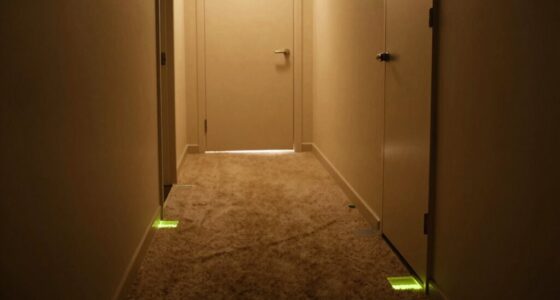
Cluttered walking spaces often serve as a subtle warning sign of balance decline. When your home has scattered clutter or obstacles in walkways, it can hinder hazard identification and increase fall risk. These hazards may include loose rugs, toys, or furniture blocking paths, making it harder to navigate safely. Recognizing clutter as a sign of falling risk helps you address potential hazards before an accident occurs. Maintaining clear, organized walkways is essential for home safety and preserving your independence. Regularly tidying up clutter and removing obstacles reduces the likelihood of trips and falls. Being mindful of your environment and ensuring unobstructed paths can considerably improve your overall balance and confidence while moving through your home. Additionally, paying attention to electric bike horsepower and motor performance can provide insights into mobility and physical strength, contributing to fall prevention strategies.
Frequent Near-Falls
Frequent near-falls are a clear sign that your balance may be declining, even if you haven’t actually fallen yet. These episodes happen when you feel unsteady or almost lose your balance but catch yourself. Recognizing this sign early can prompt necessary home modifications and nutrition strategies to prevent actual falls. For example, removing loose rugs and installing grab bars reduces hazards. Pay attention to signs like feeling dizzy during movement or needing support for simple tasks. Here’s a quick overview:
| Near-Fall Indicator | Common Causes | Preventive Measures |
|---|---|---|
| Feeling dizzy or lightheaded | Dehydration, medication | Stay hydrated, review meds |
| Loss of balance during turns | Weak muscles, cluttered home | Strength exercises, declutter home |
| Sudden unsteadiness | Poor nutrition, fatigue | Improve diet, rest adequately |
| Gripping furniture for support | Vision problems, fatigue | Eye checkups, proper lighting |
| Near slips on smooth surfaces | Wet or uneven floors | Use non-slip mats, home modifications |
Simple Tests to Assess Standing and Walking Stability
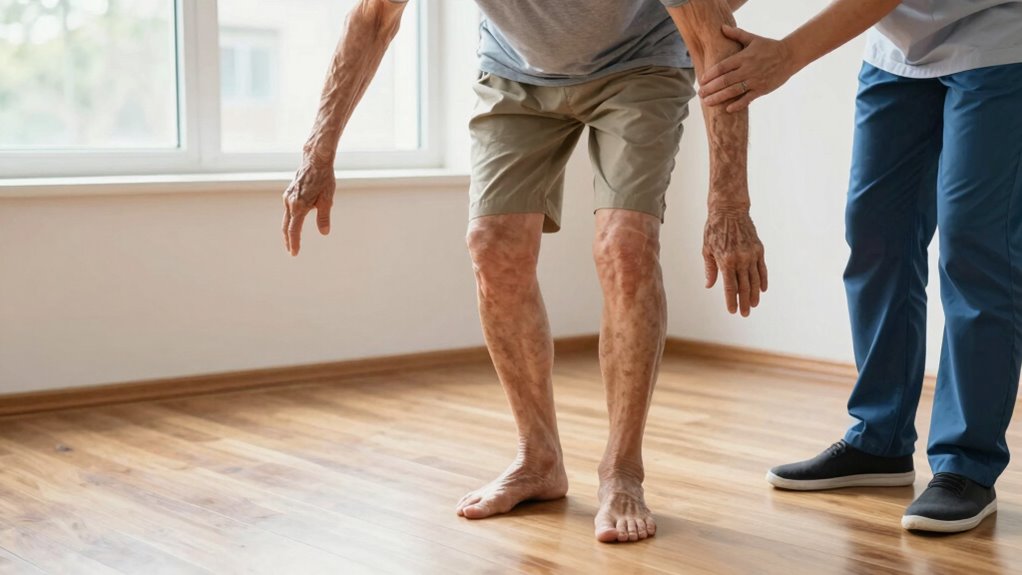
Evaluating your standing and walking stability is essential for identifying balance issues before they lead to falls. Simple tests can help you spot problems early. One effective method is to observe visual cues, such as how steady you appear when standing or walking. Try standing with your eyes closed for 10-15 seconds; if you sway or wobble, it indicates reduced balance. Pay attention to your footwear choices—shoes with good support and non-slip soles can improve stability. Additionally, walk a straight line, placing one foot directly in front of the other, to test your gait. Notice any hesitation, uneven steps, or difficulty maintaining balance. These quick checks can reveal warning signs and prompt you to seek further assessment or adjust your habits to reduce fall risk.
What Difficulties With Gait and Movement Say About Your Fall Risk
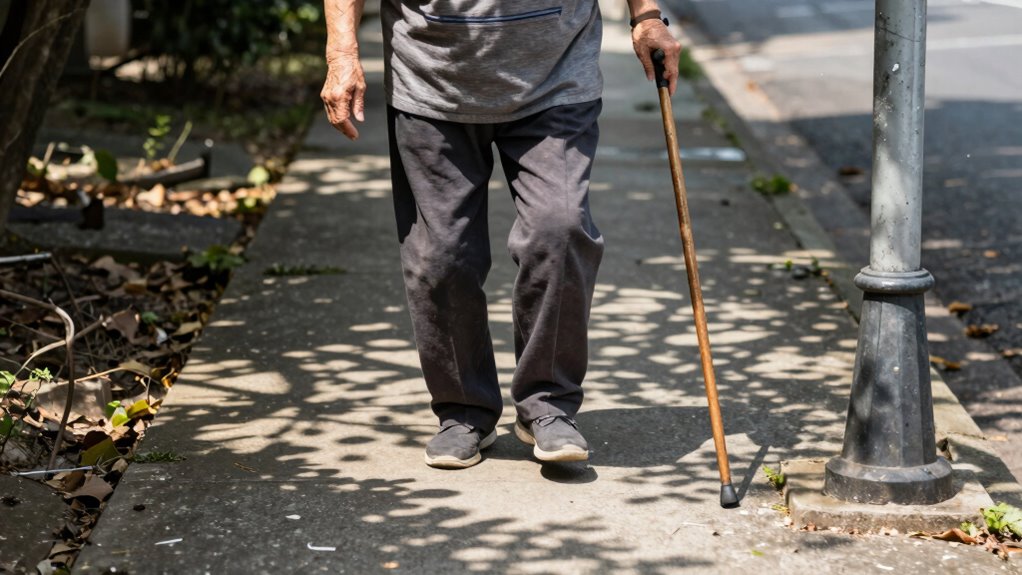
Difficulties with gait and movement can reveal important clues about your risk of falling. Gait abnormalities, like shuffling or uneven steps, often signal underlying issues that increase fall risk. Movement difficulties, such as limited arm swing or instability, point to balance problems. Recognizing these signs early can help you take preventive action. Consider this table to understand the significance:
| Gait Abnormalities | Movement Difficulties |
|---|---|
| Uneven steps | Limited arm swing |
| Shuffling | Slow or hesitant movements |
| Wide-based gait | Difficulty turning or changing direction |
| Foot dragging | Inability to lift feet properly |
| Steady but unsteady walking | Reduced coordination |
Addressing these signs promptly reduces your fall risk and promotes safer mobility.
When to Consult a Professional for Balance Concerns

Recognizing signs of gait and movement issues is the first step toward preventing falls, but knowing when to seek professional advice makes all the difference. If you notice persistent difficulty with elderly mobility, such as unsteady walking, frequent loss of balance, or trouble rising from a chair, it’s time to consult a healthcare professional. A gait assessment can identify underlying issues contributing to instability and help develop tailored interventions. Don’t overlook minor concerns, as they can signal increasing fall risk. If your balance problems interfere with daily activities or worsen over time, seeking expert guidance is essential. A professional evaluation ensures you receive appropriate support, whether through physical therapy, mobility aids, or further medical testing, to help maintain safety and independence.
Easy Balance Exercises to Improve Stability
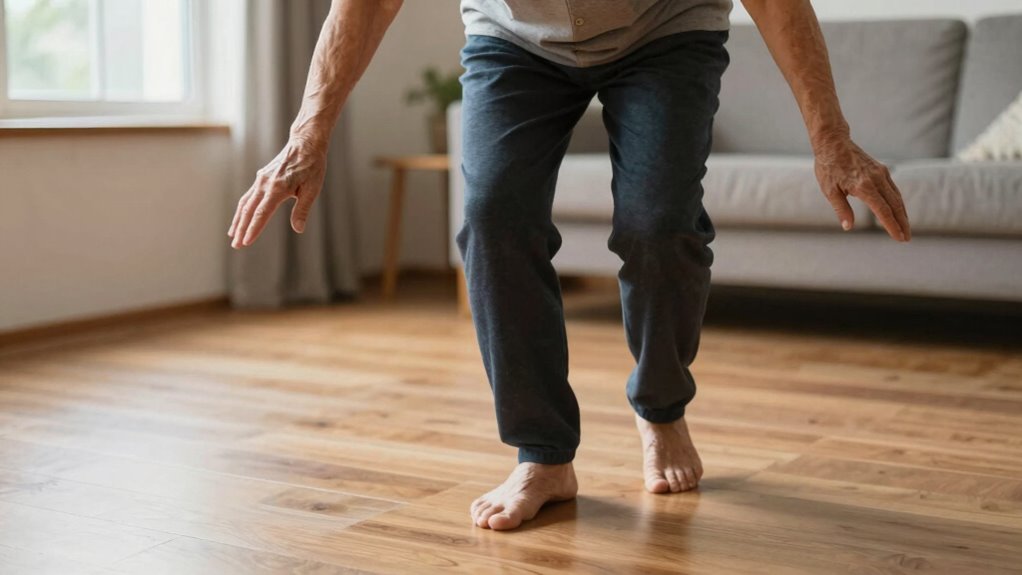
Simple balance exercises can considerably boost your stability and reduce fall risk. Building core strength is essential, as it helps stabilize your entire body during movement. Incorporating vision exercises can also improve your ability to adapt to changing environments. Here are easy exercises to try:
Enhance stability and prevent falls with simple, daily balance and core exercises you can do at home.
- Single-leg stands: Stand on one foot for 10-15 seconds, keeping your core engaged. Switch sides.
- Heel-to-toe walk: Walk in a straight line, placing your heel directly in front of your toes with each step, focusing on steady vision.
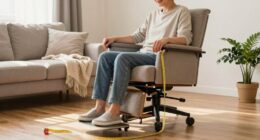
- Seated balance practice: Sit on a stability ball or chair, lift one foot off the ground, and hold for 10 seconds, engaging your core.
These exercises can be performed daily to strengthen your stability safely at home.
Incorporating Balance Checks Into Your Fall Prevention Routine
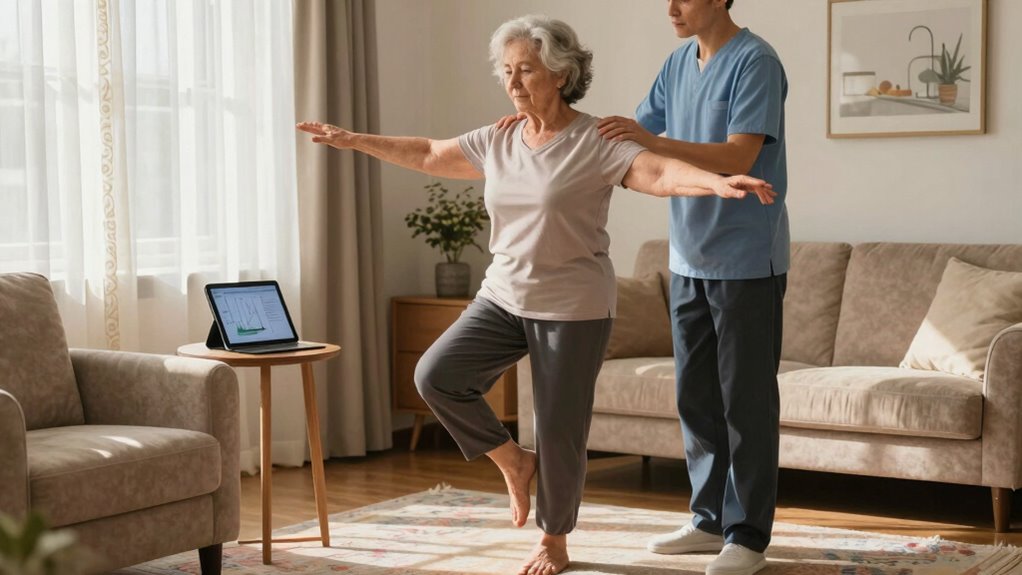
Incorporating regular balance checks into your fall prevention routine allows you to identify early signs of instability before they lead to falls. Start by evaluating your balance during daily activities at home, such as standing on one foot or walking in a straight line. These simple checks can highlight changes in stability, prompting you to take action. When engaging in outdoor activities, pay attention to uneven surfaces or slopes that challenge your balance. Maintaining good home safety involves staying aware of your physical condition and adapting routines accordingly. Incorporate these quick checks into your schedule to catch issues early and prevent falls. By staying proactive, you can enjoy outdoor activities confidently and reduce your fall risk effectively.
Frequently Asked Questions
How Often Should I Perform Quick Balance Checks at Home?
You should perform quick balance checks at home weekly to support fall prevention and maintain home safety. Regular monitoring helps you catch early signs of balance issues, allowing you to take prompt action. Incorporate these checks into your routine, especially if you’re at higher fall risk. Staying vigilant guarantees you stay safe and independent, reducing the chances of falls and injuries at home.
Can Diet or Hydration Affect My Balance and Fall Risk?
Surprisingly, your diet impact and hydration influence can sway your balance more than you’d think. Skimping on water can leave you dizzy and unsteady, while poor nutrition weakens muscles, increasing fall risk. Staying well-hydrated and eating balanced meals keeps your body steady and responsive. So, next time you skip that glass of water or ignore healthy snacks, remember, it’s not just about health—it’s about preventing falls too!
Are There Specific Signs in Daily Activities Indicating Balance Decline?
You might notice balance decline if you experience gait abnormalities or vision issues during daily activities. For example, your steps may become unsteady, or you might stumble more often. Blurred or changing vision can make it harder to see obstacles, increasing fall risk. Pay attention to these signs, and consider consulting a healthcare professional to address underlying causes, helping you stay safer and maintaining your independence.
What Equipment or Tools Can Assist in Home Balance Assessments?
You can use assistive devices like handrails, grab bars, and non-slip mats to help with balance assessments at home. Balance assessment tools such as balance boards, foam pads, or even simple items like a sturdy chair for support can help evaluate your stability. These tools allow you to monitor changes over time, making it easier to identify when you might need additional support or professional help to prevent falls.
How Do Medications Impact Balance and Fall Susceptibility?
Medications can profoundly affect your balance and increase fall risk through side effects like dizziness, drowsiness, or impaired coordination. Drug interactions may further worsen these issues, making you more prone to falls. It is crucial to review your medications regularly with your healthcare provider, especially if you notice balance problems. Adjustments or alternatives can often reduce these risks, helping you stay safer at home.
Conclusion
Think of your balance like a delicate house of cards—small shifts can signal bigger trouble ahead. By paying attention to early signs and performing simple checks, you hold the power to catch issues before they tumble. Incorporate easy exercises into your routine, much like tending to a garden, to keep your stability rooted and strong. Stay vigilant, and you’ll stand tall, ready to face life’s changes with confidence.