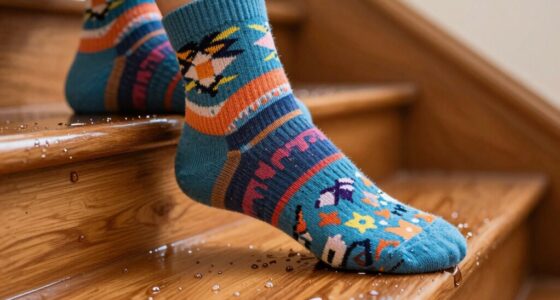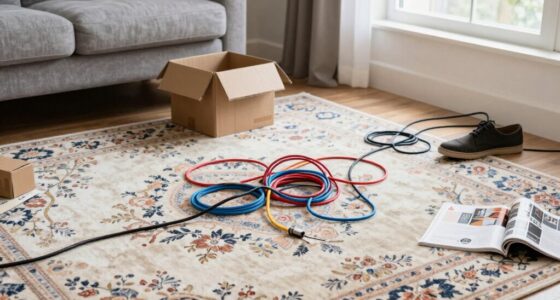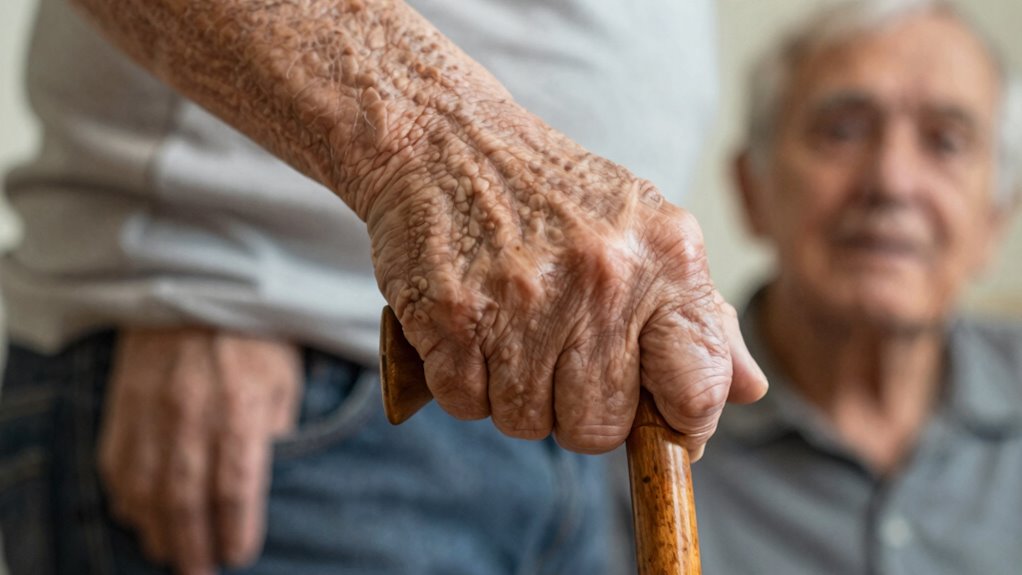

When you stand up quickly, blood can pool in your legs, making your blood pressure suddenly drop—a condition called orthostatic hypotension. This causes dizziness, lightheadedness, and sometimes fainting, which increases your fall risk. Age, certain medications, or health conditions can make this more likely. If you want to understand why standing can lead to falls and discover ways to prevent them, there’s more important information ahead.
Prime for Young Adults — start your free trial
Fast free delivery, streaming and member deals for eligible 18–24 year olds.
As an affiliate, we earn on qualifying purchases.
Key Takeaways
- Orthostatic hypotension occurs when blood pressure drops significantly after standing, reducing blood flow to the brain.
- Impaired autonomic nervous system response delays blood vessel constriction needed to maintain BP.
- Age-related changes and stiff blood vessels hinder quick BP adjustments during postural shifts.
- Medications and health conditions can interfere with blood pressure regulation, increasing fall risk.
- Symptoms like dizziness and lightheadedness upon standing signal decreased brain blood flow, heightening fall chances.
orthostatic hypotension blood pressure monitor
As an affiliate, we earn on qualifying purchases.
As an affiliate, we earn on qualifying purchases.
What Is Orthostatic Hypotension and How Is It Defined?

What exactly is orthostatic hypotension, and how do doctors define it? It’s a condition where your blood flow regulation falters when you stand up, causing a sudden drop in blood pressure. This drop happens because your autonomic nervous system, which controls involuntary functions, doesn’t respond quickly enough to maintain steady blood flow. Normally, when you stand, your body adjusts blood vessel constriction to keep blood moving to your brain. But in orthostatic hypotension, this process is impaired. Doctors diagnose it based on symptoms and specific blood pressure measurements taken after standing. If your blood pressure falls considerably within three minutes of standing, it indicates orthostatic hypotension, highlighting issues with the body’s ability to regulate blood flow during position changes. Additionally, assessment techniques can be employed to assess and manage the condition effectively. Understanding these mechanisms can help in preventing falls and improving overall safety during daily activities.
As an affiliate, we earn on qualifying purchases.
Why Does Blood Pressure Drop When You Stand Up?
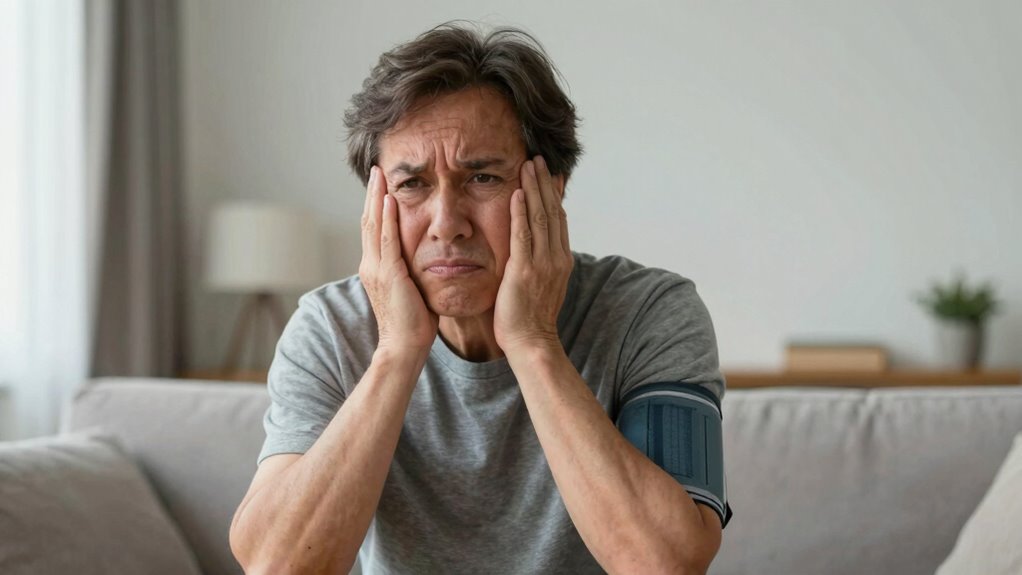
When you stand up, your body needs to quickly adjust blood flow to keep your brain supplied with oxygen and nutrients. Normally, the autonomic nervous system kicks in to constrict blood vessels and maintain blood pressure. However, if your blood vessel elasticity is reduced or your autonomic nervous system isn’t responding properly, blood can pool in your legs, causing a sudden drop in blood pressure. This makes it harder for blood to reach your brain, leading to dizziness or lightheadedness. The quick constriction of arteries helps offset the effect of gravity. When this process is delayed or ineffective, blood pressure drops more markedly upon standing, which can trigger orthostatic hypotension and increase your risk of falls. Studies show that compromised blood vessel elasticity can contribute significantly to these blood pressure fluctuations. Additionally, age-related changes can impair autonomic responses, making it more common in older adults. Reduced blood vessel compliance may also hinder the body’s ability to respond promptly to posture changes. Research indicates that vascular flexibility plays a crucial role in how effectively blood pressure is regulated during position changes. Furthermore, maintaining vascular health through lifestyle choices may help improve these responses and reduce symptoms.
As an affiliate, we earn on qualifying purchases.
What Causes Orthostatic Hypotension and Who’s at Risk?

You’re more likely to experience orthostatic hypotension if you’re older, as blood vessels become less flexible. Certain medications and chronic health conditions can also cause blood pressure drops when you stand up. Understanding these risk factors helps you identify why orthostatic hypotension occurs and who’s most vulnerable. Additionally, flat iron bike technology demonstrates that lightweight and efficient designs can improve performance and safety, which is important when managing blood pressure fluctuations. The use of blood pressure regulation strategies, such as gradual position changes, can help prevent sudden falls during episodes of hypotension. Incorporating microplastics in dust awareness into home environments can also support overall health, as airborne particles may influence respiratory and cardiovascular conditions. Research into vascular flexibility highlights how aging and lifestyle factors impact blood flow, emphasizing the importance of maintaining healthy blood vessels. Crisis management during a sudden blood pressure drop is crucial to prevent falls and injuries.
Age and Blood Vessel Changes
As people age, their blood vessels naturally undergo changes that can increase the risk of orthostatic hypotension. Age-related vascular changes often lead to decreased blood vessel elasticity, making it harder for your arteries to quickly adjust blood flow when you stand up. This reduced flexibility hampers the body’s ability to maintain stable blood pressure, especially during position changes. Over time, the narrowing and stiffening of blood vessels diminish their capacity to respond promptly to shifts in blood volume. These changes mean your body struggles more to compensate for gravity’s effects when you rise, increasing the likelihood of dizziness or falls. Understanding how age impacts blood vessel function highlights why older adults are more susceptible to orthostatic hypotension. Additionally, vascular health can be improved through lifestyle choices, potentially reducing the severity of these age-related changes. Maintaining good vascular elasticity is key to better blood pressure regulation and fall prevention.
Medication Side Effects
Certain medications can interfere with your body’s ability to regulate blood pressure, increasing the risk of orthostatic hypotension. These medication effects often stem from drugs that lower blood pressure, such as diuretics, beta-blockers, and certain antidepressants. When you start new medications or combine them with other drugs, drug interactions can amplify these effects, making blood pressure drops more severe. Some medications may impair your body’s normal response to standing, causing dizziness or lightheadedness. If you’re taking multiple medications or are sensitive to changes, your risk rises. It’s important to discuss potential side effects with your healthcare provider and monitor how your body responds, especially when adjusting dosages or starting new treatments, to prevent falls and injuries.
Chronic Medical Conditions
Chronic medical conditions can considerably increase your risk of orthostatic hypotension by impacting your nervous system or blood volume regulation. Conditions like Parkinson’s disease, diabetes, and heart failure interfere with your body’s ability to maintain blood pressure when you stand up quickly. Proper medication management is essential, as some medications used for these conditions can worsen symptoms. Managing stress is also important, since stress can affect your autonomic nervous system, making blood pressure regulation harder. Regular check-ups, staying hydrated, and implementing lifestyle changes help reduce risk. If you have a chronic condition, staying vigilant about your symptoms and working with your healthcare provider can prevent falls and improve your quality of life. Understanding the underlying causes of orthostatic hypotension can help in developing effective treatment strategies.
compression stockings for circulation
As an affiliate, we earn on qualifying purchases.
As an affiliate, we earn on qualifying purchases.
How Can You Recognize the Symptoms of Orthostatic Hypotension?
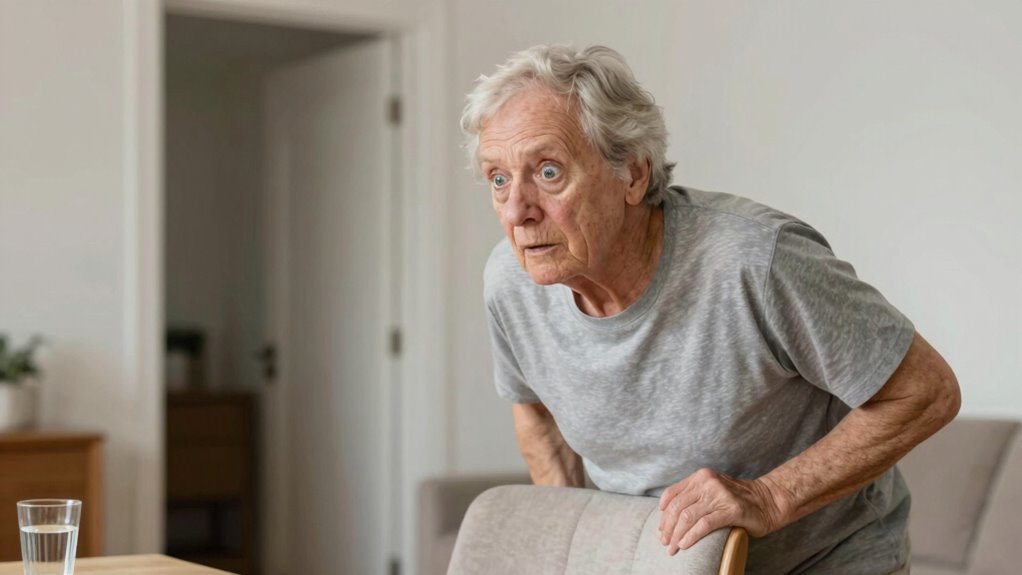
Recognizing the symptoms of orthostatic hypotension is essential because they often occur immediately after standing up. You might notice dizziness, lightheadedness, or a feeling that the room is spinning. Blurred vision and weakness can also signal an episode. Paying attention to these signs helps with symptom awareness and allows for early detection before falling or injury occurs. Some people experience nausea or a sudden feeling of fatigue. These symptoms typically resolve quickly but can be alarming if unnoticed. If you frequently experience these sensations when changing positions, it’s important to consult your healthcare provider. Being aware of the warning signs enables you to take precautions and manage your condition more effectively, reducing the risk of falls and related injuries.
Why Does Orthostatic Hypotension Increase Your Fall Risk?
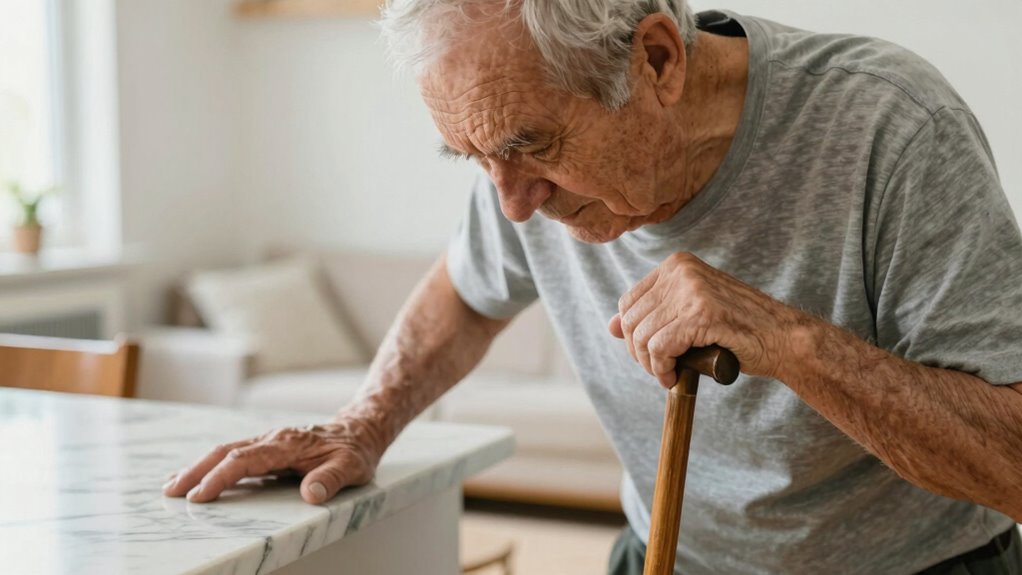
When you stand up quickly, your blood pressure drops, making you feel dizzy or lightheaded. This drop can impair blood flow to your brain, increasing your chance of losing your balance. As a result, you’re at a higher risk of falling and injuring yourself.
Blood Pressure Drop
A sudden drop in blood pressure when you stand up can cause dizziness or lightheadedness, which markedly increases your risk of falling. When blood pressure falls, your brain receives less blood flow, leading to imbalance. To prevent this, focus on hydration tips like drinking plenty of water and maintaining electrolyte balance. Regular exercise routines strengthen your cardiovascular system, helping stabilize blood pressure. Here’s a quick overview:
| Cause | Effect | Prevention Tips |
|---|---|---|
| Dehydration | Blood pressure drops | Stay hydrated, avoid alcohol |
| Poor circulation | Dizziness, falls | Exercise routines, move slowly |
| Medication side effects | Blood pressure instability | Consult your doctor |
Understanding these factors helps you manage blood pressure drops and reduce fall risk effectively. Cardiovascular health is essential for maintaining stable blood pressure and preventing orthostatic hypotension. Additionally, being aware of blood pressure regulation mechanisms can empower you to take proactive steps in managing your condition. Maintaining overall vascular function supports steady blood flow and helps prevent sudden drops in blood pressure.
Impaired Blood Flow
Impaired blood flow due to orthostatic hypotension means your brain and other essential organs don’t receive enough oxygen-rich blood when you stand up quickly. This decrease in blood flow can cause dizziness, weakness, and even fainting, increasing your fall risk. Circulation issues make it harder for your body to quickly adjust blood pressure and maintain steady blood flow during posture changes. Here are three key points to understand:
- Reduced blood flow to your brain causes sudden dizziness that can lead to falls.
- Inadequate circulation affects your balance, making movements unstable.
- Poor blood flow can delay your body’s response to standing, prolonging symptoms and risk.
Addressing circulation issues is crucial to prevent falls and promote safe mobility.
How Can You Prevent Dizziness When Standing Up?
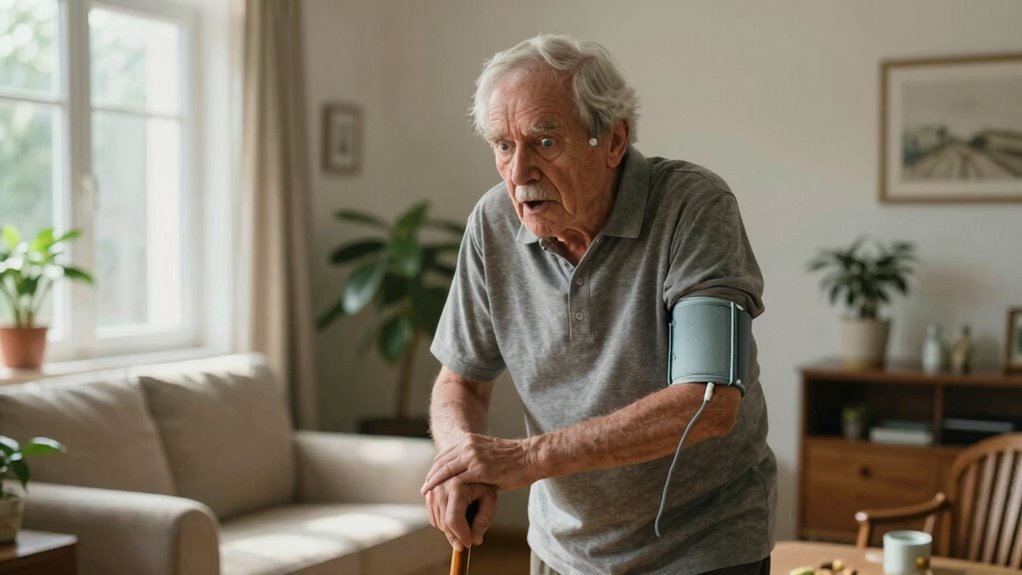
To prevent dizziness when standing up, it’s important to rise slowly and steadily from a seated or lying position. This gives your body time to adjust and maintain blood flow. Incorporate hydration strategies like drinking water throughout the day to keep your blood volume stable. Posture adjustments, such as sitting upright for a few seconds before standing, help activate your circulatory system. Paying attention to supporting boundaries can also help manage overall health and prevent episodes of dizziness. Additionally, ensuring your environment is safe with features like bath mats and secure household products can reduce the risk of falls related to dizziness. Maintaining proper blood pressure regulation is essential for preventing sudden drops that cause dizziness. Regular monitoring of blood pressure levels can help identify issues early and prevent episodes. Remember that maintaining optimal indoor air quality can also support overall well-being and circulation.
When Should You See a Doctor About Your Blood Pressure?
Monitoring your blood pressure regularly helps you catch early signs of problems. You should see a doctor if:
- You experience frequent dizziness or lightheadedness, especially when standing up quickly.
- Your blood pressure readings are consistently high or low, despite following hydration tips or adjusting your exercise routines.
- You notice sudden changes in how you feel, like weakness or fainting episodes.
It’s important to discuss your lifestyle habits with your doctor, including hydration and exercise routines, to manage your blood pressure effectively. If your symptoms persist or worsen, seeking medical advice promptly can prevent falls and complications. Don’t hesitate to get checked if your blood pressure or symptoms raise concerns—early intervention is key.
How Is Orthostatic Hypotension Diagnosed?
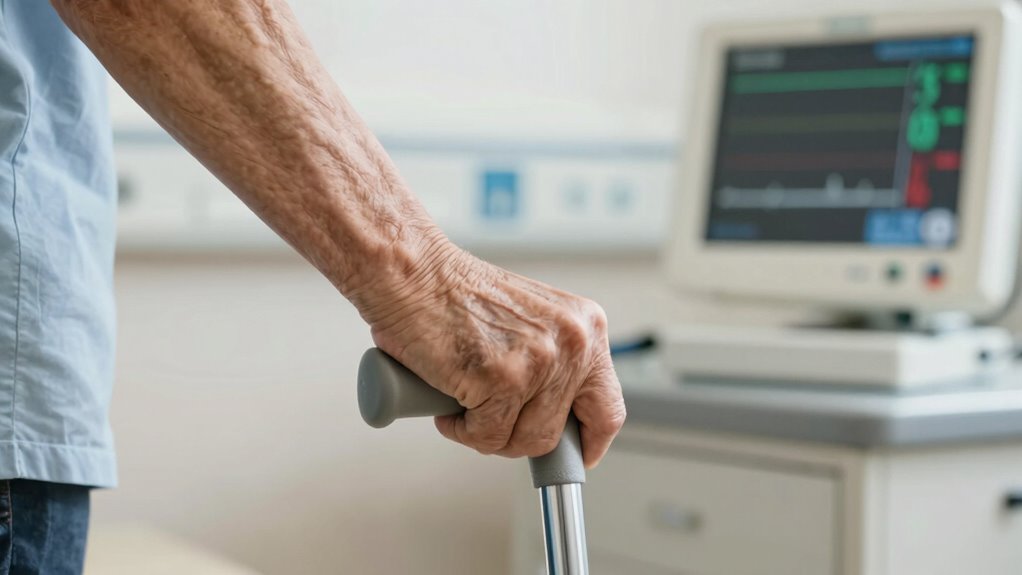
Doctors diagnose orthostatic hypotension primarily by measuring your blood pressure and heart rate while you change positions from lying or sitting to standing. This test reveals how well your blood vessels respond to postural changes, which depends on their flexibility. If blood vessel elasticity is reduced, your vessels may not constrict properly, causing a drop in blood pressure. The test also assesses your autonomic function—how effectively your nervous system controls blood vessel constriction and heart rate. During diagnosis, you’ll typically lie down, then stand while your vital signs are monitored. A significant decrease in blood pressure within three minutes of standing indicates orthostatic hypotension. This combination of measurements helps determine whether your symptoms are due to issues with blood vessel elasticity or autonomic nervous system dysfunction. Proper testing methods are essential for accurate diagnosis and can help identify the underlying cause of your symptoms, guiding effective treatment. Additionally, understanding the role of blood vessel elasticity can aid in developing targeted therapies. Assessing autonomic nervous system function is also crucial for a comprehensive diagnosis.
What Treatment Options and Lifestyle Changes Can Help Manage It?
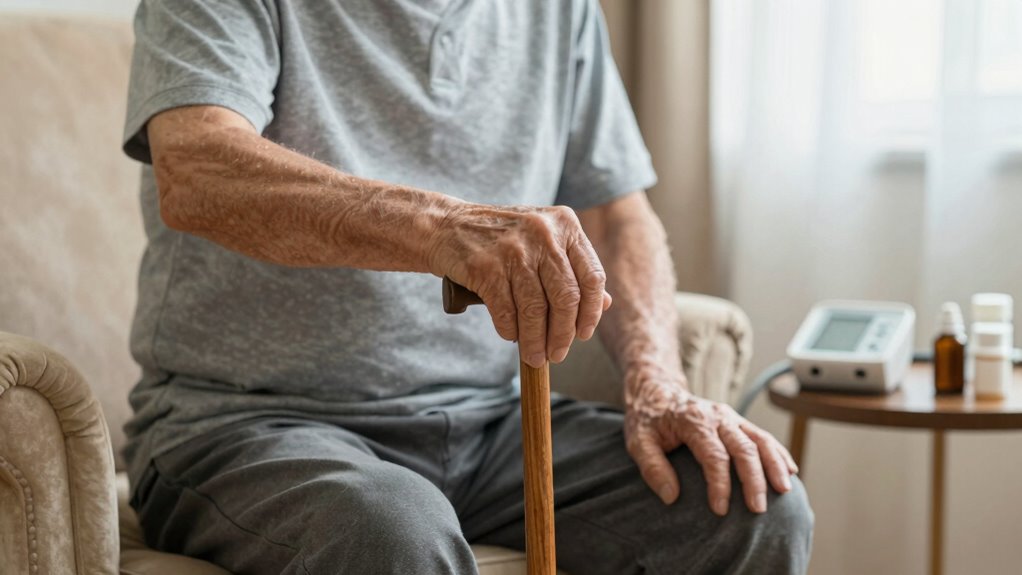
Managing orthostatic hypotension often involves a combination of treatment options and lifestyle changes aimed at reducing symptoms and preventing drops in blood pressure. Here are three effective strategies:
- Medication management: Your doctor may prescribe medications that help increase blood volume or constrict blood vessels, reducing symptoms.
- Lifestyle modifications: Simple changes like rising slowly from sitting or lying down, drinking more water, and avoiding alcohol can make a big difference.
- Physical counterpressure maneuvers: Techniques such as leg crossing or tensing leg muscles when standing help maintain blood pressure.
Implementing these approaches can considerably improve your quality of life and decrease fall risk. Always consult your healthcare provider before making changes or starting new treatments.
Frequently Asked Questions
Can Orthostatic Hypotension Be a Sign of Other Health Problems?
Yes, orthostatic hypotension can be a sign of underlying conditions like dehydration, heart problems, or nervous system disorders. It’s important to recognize it as a symptom indicator rather than just a standalone issue. If you experience frequent dizziness or fainting when standing, you should see a healthcare professional. They can identify any underlying health problems and help develop a treatment plan to prevent falls and improve your overall health.
How Does Medication Affect Orthostatic Blood Pressure Drops?
Medication can markedly affect your blood pressure regulation, leading to orthostatic blood pressure drops. You might experience medication side effects like dizziness or lightheadedness when standing up quickly. Certain drugs, especially blood pressure medications, diuretics, or antidepressants, can interfere with your body’s ability to maintain stable blood pressure levels. Always discuss these potential effects with your doctor, and never adjust your medication without professional guidance.
Are There Specific Exercises to Help Prevent Orthostatic Hypotension?
You can prevent orthostatic hypotension by incorporating balance exercises and leg strengthening into your routine. These workouts boost your muscle tone and improve blood flow regulation, helping your body respond quickly when you stand. Imagine feeling steadier with each session, reducing your fall risk. Start today with simple leg lifts or balance drills—because the secret to staying safe might just be in strengthening your legs and honing your balance skills.
What Role Does Hydration Play in Managing Symptoms?
Hydration plays a vital role in managing orthostatic hypotension symptoms. By maintaining adequate fluid intake, you help support your blood volume, reducing dizziness and falls. Proper hydration also helps keep your electrolyte balance in check, which is essential for stable blood pressure. Make sure to drink enough water throughout the day, especially if you’re feeling dizzy when standing up, to help prevent sudden drops in blood pressure.
Can Orthostatic Hypotension Occur During Sleep or Only When Standing?
Orthostatic hypotension mainly occurs when you stand up quickly, but it can also happen during sleep, known as supine hypotension. During sleep, your nocturnal blood pressure drops, which can cause dizziness or faintness if you’re suddenly upright. If you experience symptoms during the night, it’s important to discuss this with your doctor, as managing your nocturnal blood pressure can help prevent falls and improve overall stability.
Conclusion
Imagine the sudden rush as you stand, feeling the world tilt beneath you. Understanding orthostatic hypotension helps you stay steady and safe, preventing falls and injuries. By recognizing symptoms and making simple changes, you can regain control over your body’s balance. Don’t let dizziness steal your confidence—take action, seek help when needed, and step forward with assurance. Your well-being is worth every cautious step toward stability and peace of mind.
NFL season / tailgating Picks
team gear
As an affiliate, we earn on qualifying purchases.