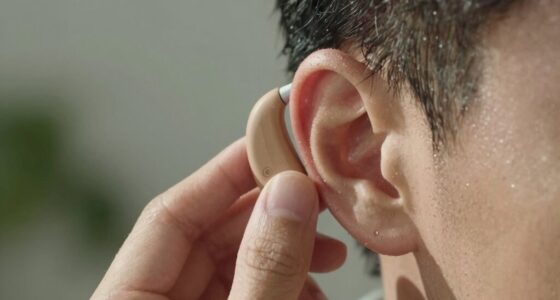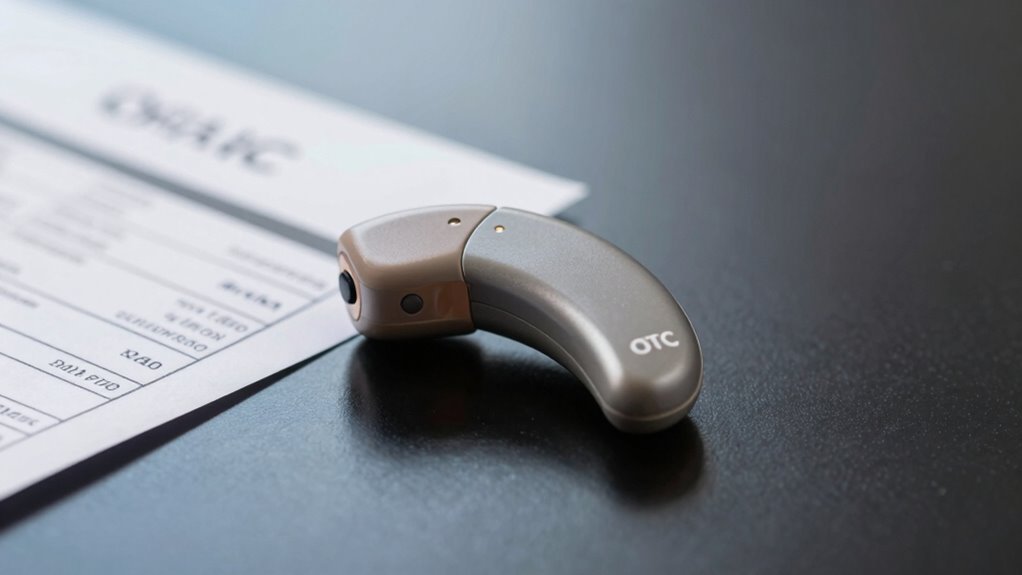

OTC hearing aids are changing how you manage mild to moderate hearing loss by providing accessible technology without the need for a prescription. They offer customizable sound features, user-friendly controls, and the ability to adjust settings via apps. Battery lives vary, with options for rechargeable and disposable types. Plus, Bluetooth connectivity enhances your listening experience. Want to know more about how to choose the right one for you and what features to evaluate?
Listen free for 30 days with Audible
Thousands of audiobooks and originals — cancel anytime.
As an affiliate, we earn on qualifying purchases.
Key Takeaways
- OTC hearing aids are designed for mild to moderate hearing loss and require no prescription or audiologist visit.
- They offer adjustable sound levels and user-friendly controls for easy customization based on the environment.
- Battery options vary, with zinc-air lasting 5-14 days and rechargeable types providing 24-30 hours of use.
- Bluetooth connectivity allows for seamless streaming from smartphones and compatibility with various audio sources.
- Compared to prescription models, OTC aids are more affordable but offer limited support and customization options.
OTC hearing aids with Bluetooth connectivity
As an affiliate, we earn on qualifying purchases.
As an affiliate, we earn on qualifying purchases.
What You Need to Know About OTC Hearing Aids
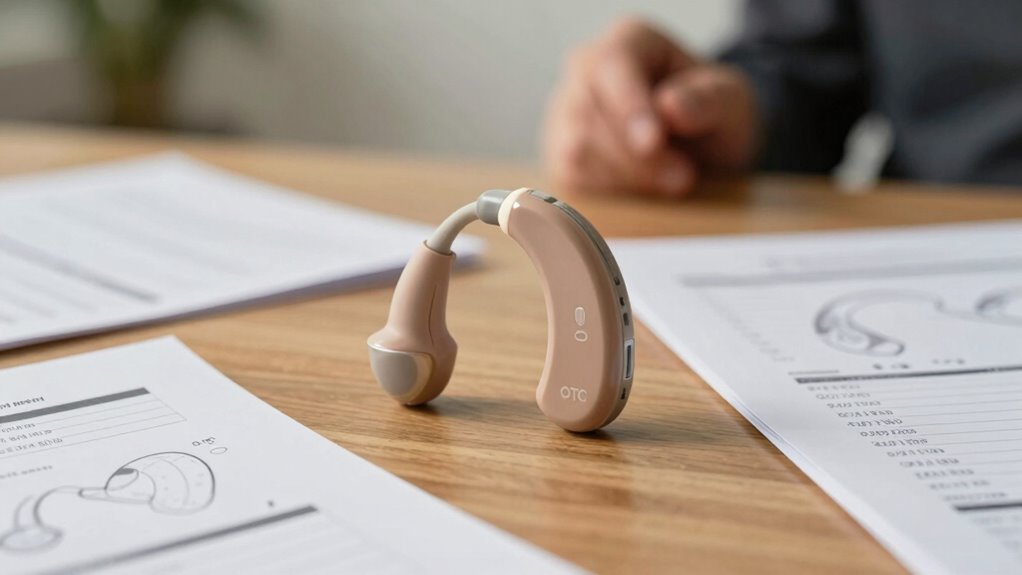
What do you really need to know about OTC hearing aids? If you’re dealing with hearing loss, these devices offer a more accessible option. OTC hearing aids are designed for adults with mild to moderate hearing issues, letting you adjust sound levels based on your environment. Unlike traditional hearing aids, you don’t need a prescription or a visit to an audiologist, which can enhance your user experience.
However, it’s essential to remember that they might not suit everyone. You’ll want to reflect on your specific needs and how comfortable you feel managing technology. While they’re convenient, you should also be prepared to experiment with settings to find what works best for you. Understanding these aspects can make all the difference in your hearing journey.
As an affiliate, we earn on qualifying purchases.
Essential Features to Consider When Choosing OTC Hearing Aids
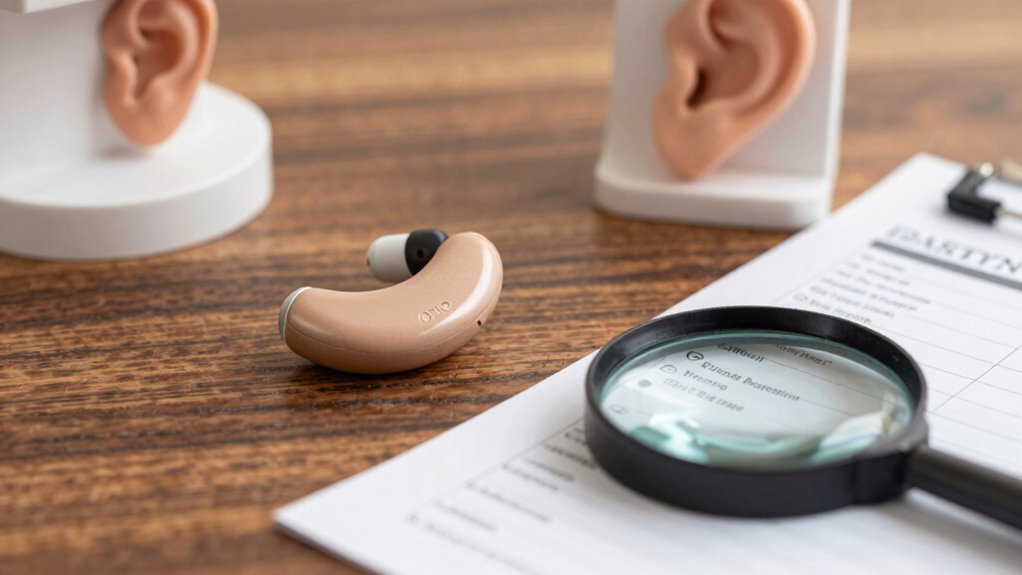
When choosing OTC hearing aids, it’s essential to take into account features that align with your lifestyle and hearing needs. Start by evaluating sound quality; it should be clear and crisp, enhancing your listening experience. Look for devices that minimize background noise while amplifying speech, making daily conversations easier. User reviews can provide valuable insights, helping you gauge real-world performance and reliability. Pay attention to battery life, comfort, and ease of use; you’ll want something that fits well and lasts through your day. Diversification in your selection process can also enhance functionality, allowing you to find a device that best suits your unique hearing profile. Understanding the importance of training concepts is also beneficial, as it can help you choose a device that effectively manages sound quality. Connectivity options, like Bluetooth, can also enhance functionality, allowing you to stream audio directly from your devices. By considering these essential features, you’ll find an OTC hearing aid that truly meets your needs. Additionally, understanding filtration/suction basics can help you choose a device that effectively manages sound quality.
Affordable OTC hearing aids for mild hearing loss
As an affiliate, we earn on qualifying purchases.
As an affiliate, we earn on qualifying purchases.
Sound Amplification and Customization Features
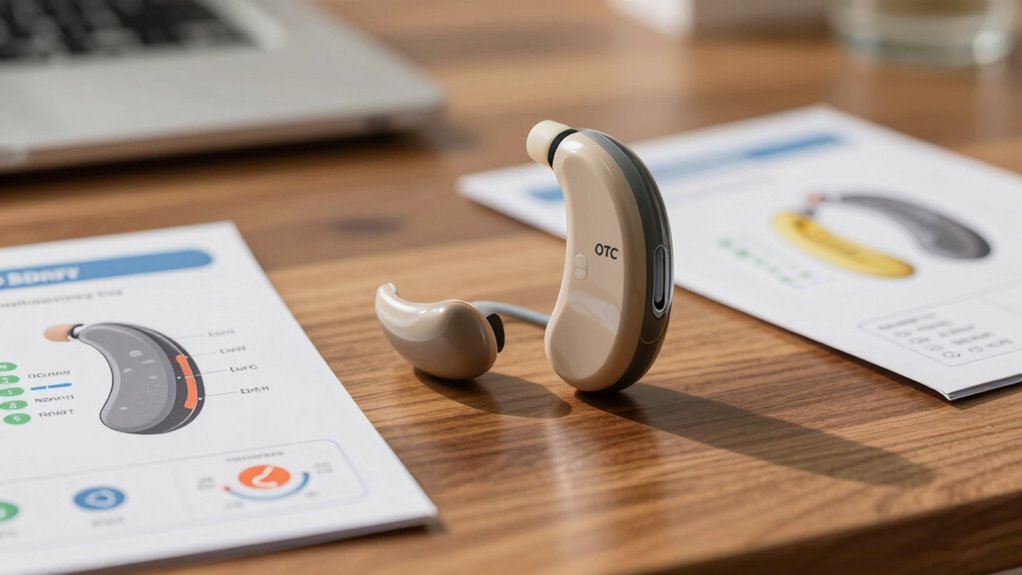
When choosing OTC hearing aids, understanding sound amplification options is essential for your listening experience. You’ll find various customization features that can adapt to your specific needs, ensuring clarity in different environments. Plus, adaptive sound technology can enhance your overall comfort and sound quality.
Types Of Sound Amplification
As you explore the world of OTC hearing aids, it’s essential to understand the various types of sound amplification available. Many devices utilize digital signal processing for enhanced audio clarity and effective noise reduction, making conversations more enjoyable. You’ll find different amplification levels tailored to your hearing needs, ensuring you can hear comfortably in various environments. Look for options with user-friendly controls, allowing you to adjust settings effortlessly. Additionally, consider the frequency response, which affects how sounds are amplified across different pitches. Comfort design is also important, ensuring you can wear your hearing aids for extended periods without discomfort. Finally, keep budget considerations in mind; quality options exist across various price ranges, so you can find what suits you best.
Customization Options Available
Numerous customization options are available to enhance your experience with OTC hearing aids. You can choose from various fitting options that cater to your unique ear shape and comfort preferences. These aids often come with custom tuning features, allowing you to adjust sound settings based on specific environments, whether it’s a quiet room or a bustling café. By fine-tuning the amplification levels, you can guarantee clear sound quality tailored to your hearing needs. Many devices also offer user-friendly apps that let you make real-time adjustments, putting you in control of your listening experience. With these customizable features, you can enjoy a more personalized and effective hearing solution, making your daily activities much more enjoyable.
Adaptive Sound Technology Benefits
While you navigate different environments, adaptive sound technology in OTC hearing aids guarantees you experience ideal sound amplification tailored to your surroundings. This innovative feature automatically adjusts the volume and clarity based on ambient noise levels, ensuring you hear conversations without straining. Whether you’re in a bustling café or a quiet library, adaptive sound helps you focus on what matters most.
Moreover, with smart environments in mind, these hearing aids use sensors to detect changes in sound, providing you with seamless shifts. You’ll appreciate how the device fine-tunes itself, allowing for a more personalized listening experience. This means less hassle for you and more enjoyment in every moment, as you stay connected to the world around you.
Hearing aids with noise reduction
As an affiliate, we earn on qualifying purchases.
As an affiliate, we earn on qualifying purchases.
How Long Will Your Hearing Aid Battery Last?

When it comes to hearing aids, the type of battery you choose plays a big role in how long it lasts. Factors like usage, features, and environmental conditions can also impact battery life. Let’s break down what you need to know about battery types and their longevity.
Battery Types Overview
Understanding the different battery types for hearing aids is essential, as it directly impacts how long your device will function before needing a replacement.
You’ve got a couple of options to evaluate, each with its own battery life and features:
- Zinc-air batteries: These are commonly used, offering around 5-14 days of use.
- Rechargeable options: Convenient and environmentally friendly, they typically last 24-30 hours per charge.
- Lithium-ion batteries: Found in many rechargeable aids, they provide consistent performance over time.
- Disposable batteries: These can last anywhere from a few days to a couple of weeks, depending on usage.
Ultimately, your choice will affect how often you need to replace or recharge your hearing aid batteries, impacting your daily routine.
Longevity Factors Explained
Several factors influence how long your hearing aid battery will last, making it important to take into account your individual usage and lifestyle. Durability expectations vary among different models, so it’s vital to choose one that matches your daily needs. For example, if you use your hearing aids for long hours, you might want a model designed for extended use. Maintenance considerations also play a significant role; keeping your devices clean and dry can help prolong battery life. Additionally, factors like the type of battery and environmental conditions, such as humidity and temperature, can affect performance. By understanding these elements, you can better manage your hearing aid’s battery longevity and guarantee consistent sound quality.
Connectivity Options for OTC Hearing Aids: Bluetooth and More
Sure! Here’s the revised content with your requested modifications:
—
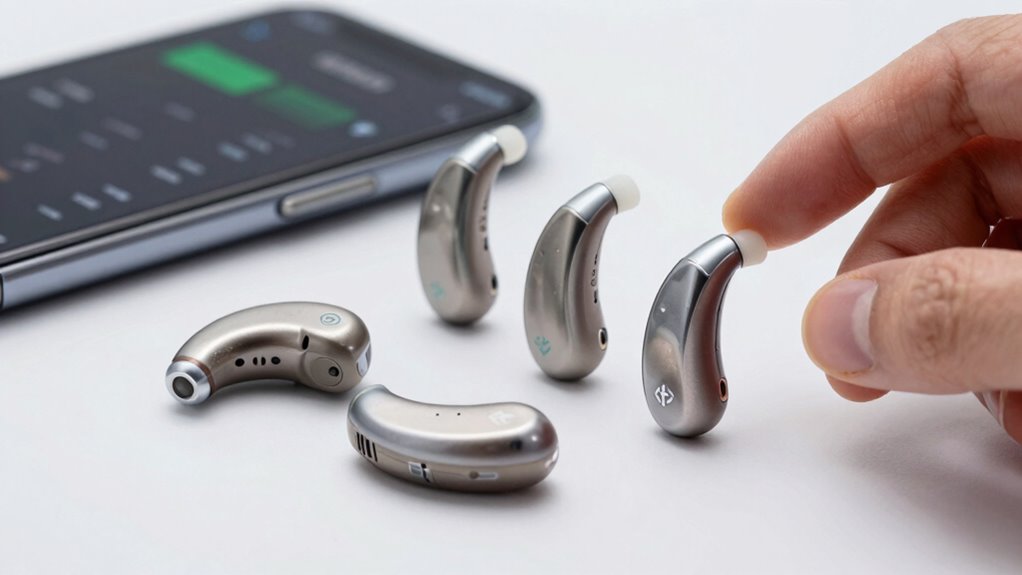
Many people are surprised to learn that OTC hearing aids offer a variety of connectivity options, enhancing your listening experience. With Bluetooth technology, you can enjoy significant Bluetooth benefits, including:
OTC hearing aids surprise many with their Bluetooth connectivity options, greatly enhancing your listening experience.
- Direct streaming from your smartphone, making calls and music clearer than ever.
- Easy pairing with other devices, allowing for seamless shifts between sounds.
- Remote adjustments through apps, so you can customize settings on-the-go.
- Multi-device connectivity, letting you switch between devices without hassle.
These features guarantee exceptional streaming quality, transforming how you interact with the world around you. Whether you’re watching a show or chatting with friends, these connectivity options make your OTC hearing aids more versatile and user-friendly. Embrace the freedom of sound! Additionally, many users find that smart wellness technology can enhance their overall auditory experience, providing more personalized sound management. The integration of smart home technology can further improve your listening environment by optimizing acoustics and lighting for better sound clarity. Understanding strength training fundamentals can also contribute to your overall health, ensuring that you stay fit while enjoying your enhanced auditory capabilities. Moreover, incorporating energy-saving tips into your routine can lead to a more comfortable and efficient home atmosphere, complementing your audio experience. Ergonomic considerations, such as proper seating posture, can also play a crucial role in maximizing comfort during extended listening sessions.
Comparing OTC Hearing Aids to Prescription Models
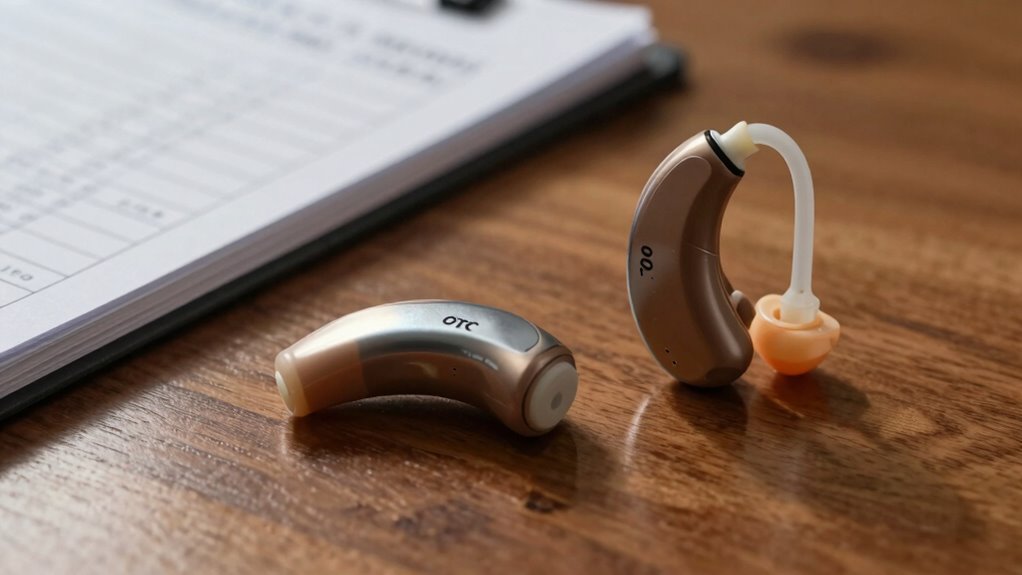
While both OTC hearing aids and prescription models aim to improve your hearing, they cater to different needs and preferences. OTC options typically come at a lower price, making them accessible for many, while prescription models might offer personalized adjustments and professional support.
Here’s a quick cost comparison and user experiences:
| Feature | OTC Hearing Aids | Prescription Models |
|---|---|---|
| Cost | Generally lower | Typically higher |
| Customization | Limited | High |
| Fitting | Self-fitted | Professional fitting |
| Support | Minimal | Extensive |
| User Experience | Varies widely | Tailored to individual |
Understanding these differences can help you choose the right option for your hearing needs.
Tips for Choosing the Right OTC Hearing Aid for You
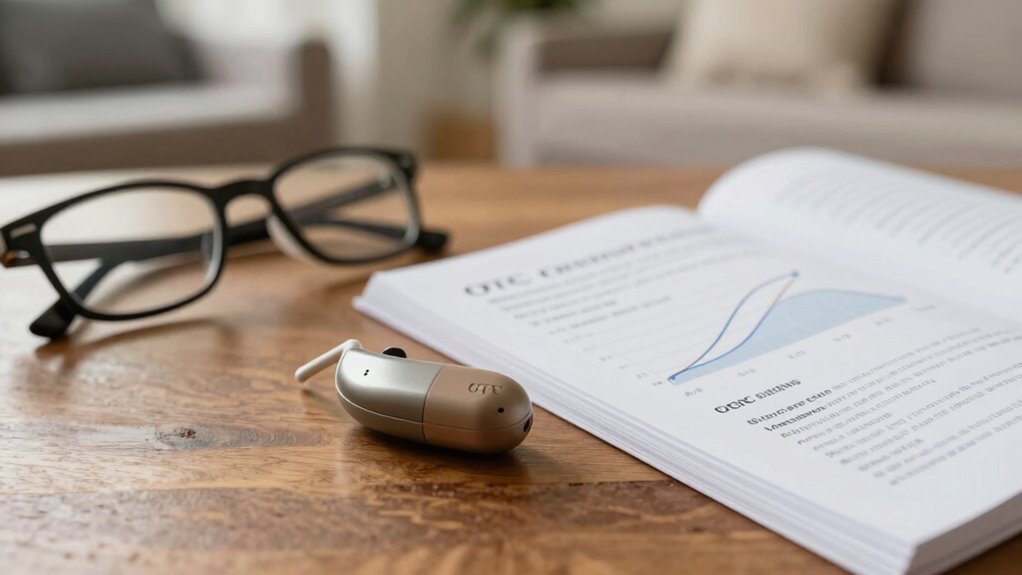
How do you determine which OTC hearing aid is right for you? Start by evaluating your unique needs and preferences. Consider these key factors:
- Budget considerations: Set a price range that fits your finances without compromising quality.
- Lifestyle compatibility: Think about how active you are and where you’ll use the hearing aid—home, work, or outdoors.
- Sound quality: Look for features like noise cancellation or adjustable settings to enhance your listening experience.
- Comfort and fit: Make sure the device feels good during prolonged use, especially if you wear it all day.
Frequently Asked Questions
Are OTC Hearing Aids Suitable for All Types of Hearing Loss?
OTC hearing aids aren’t suitable for all types of hearing loss. They’re designed mainly for mild to moderate hearing loss, offering features like adjustable volume and noise reduction. You’ll enjoy the benefits of affordability and convenience, as you can purchase them without a prescription. However, if you have severe or profound hearing loss, it’s best to consult an audiologist for personalized solutions that meet your specific needs.
Can I Return an OTC Hearing Aid if It Doesn’T Work for Me?
You can’t judge a book by its cover, and the same goes for OTC hearing aids. If they don’t work for you, most retailers offer return policies that let you send them back. Check the specific terms, as they can vary. Many users share their experiences online, highlighting both successes and challenges. It’s wise to read those reviews before buying, ensuring you make an informed choice that suits your needs.
How Do I Clean and Maintain My OTC Hearing Aids?
To clean and maintain your OTC hearing aids, start with daily cleaning techniques. Use a soft, dry cloth to wipe the outer surfaces and remove earwax. Check the microphone and receiver for debris; a small brush can help. For maintenance tips, avoid exposing them to moisture and extreme temperatures. Regularly replace batteries and store them in a cool, dry place. Following these steps will keep your hearing aids in top shape and functioning well.
What Is the Average Cost of OTC Hearing Aids?
You get what you pay for! The average cost of OTC hearing aids typically ranges from $200 to $3,000, depending on features and technology. As market trends evolve, prices have started to drop, making them more accessible. You’ll find options that suit various budgets, so it’s wise to compare features to guarantee you’re getting the best value. Investing in quality can greatly enhance your hearing experience.
Do I Need a Prescription to Buy OTC Hearing Aids?
No, you don’t need a prescription to buy OTC hearing aids. These devices are designed for adults with mild to moderate hearing loss, allowing you to purchase them directly without a doctor’s approval. However, it’s still wise to consult a professional to guarantee you choose the right model for your needs. Understanding your hearing loss and the specifications can help you make an informed decision, enhancing your overall experience with hearing aids.
Conclusion
In the world of OTC hearing aids, knowledge is power. By understanding essential features like sound amplification, battery life, and connectivity options, you can make an informed choice that suits your needs. Remember, it’s not just about hearing; it’s about enjoying life’s sounds again. So, do your homework, and you’ll be well on your way to finding the perfect fit. After all, when it comes to hearing, you don’t want to miss the boat!
Fall Picks
fall essentials
As an affiliate, we earn on qualifying purchases.