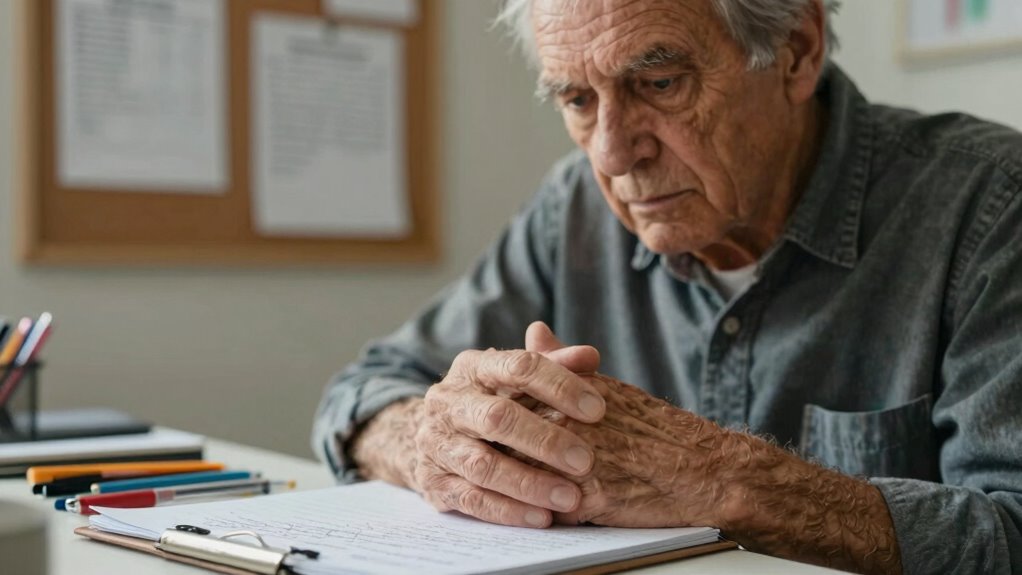

When a senior can’t describe their symptoms, observation notes become essential. You need to watch for behavioral cues like withdrawal or agitation, and physical signs such as changes in posture, facial expressions, or movement. Document what you observe clearly, noting time and context, so patterns emerge. These detailed notes help identify health issues early and support better care. To improve your skills in spotting these signs, keep exploring effective observation techniques and tips.

Turn quiet afternoons into listening time
- Thousands of audiobooks, podcasts and originals
- Listen on your phone, tablet or Echo — also offline
- Cancel anytime
Key Takeaways
- Observation notes capture physical and behavioral cues that seniors may be unable to verbally communicate.
- Document subtle changes in posture, facial expressions, or activity levels to identify potential health issues early.
- Use clear, objective language and record details like time, location, and context for accurate pattern recognition.
- Regularly review notes to detect trends or recurring signs that indicate worsening or emerging symptoms.
- Detailed observation records support timely interventions and improve overall care when seniors cannot describe their symptoms.
senior observation notes journal
As an affiliate, we earn on qualifying purchases.
As an affiliate, we earn on qualifying purchases.
Why Do Seniors Struggle to Describe Their Symptoms?
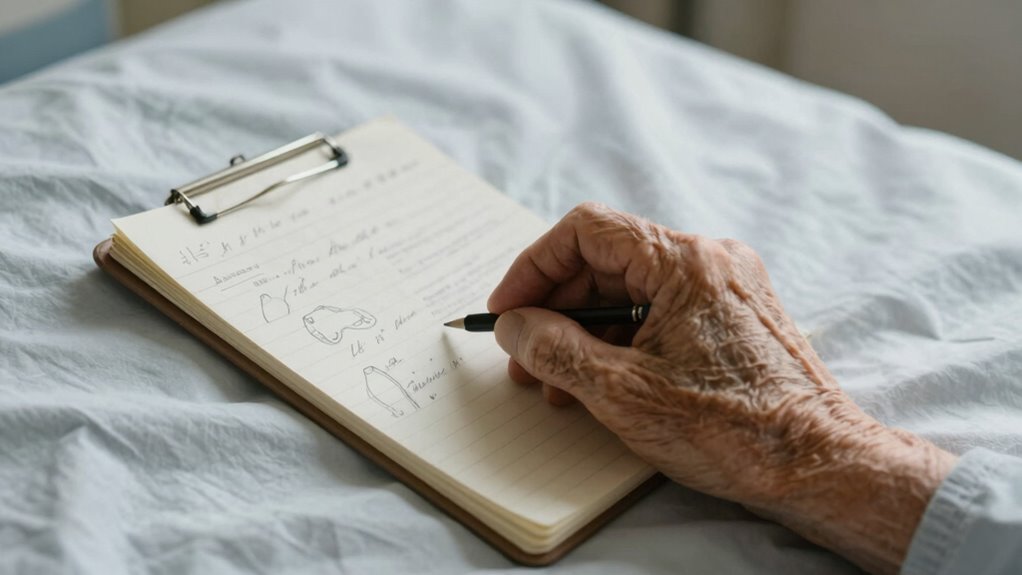
Many seniors find it difficult to accurately describe their symptoms, often because they experience cognitive changes that affect memory and communication. These cognitive declines create communication barriers, making it harder for them to express what they’re feeling. They might forget specific details or struggle to find the right words, leading to incomplete or vague descriptions. As a result, caregivers and family members may find it challenging to understand the true nature of their health issues. This difficulty isn’t due to a lack of awareness but stems from the brain’s changing ability to process and relay information. Recognizing these barriers helps you appreciate why seniors may not always communicate their symptoms clearly, highlighting the importance of attentive observation. Additionally, understanding cognitive decline can guide caregivers in developing more effective observation strategies. Developing observation skills and paying close attention to non-verbal cues can significantly improve symptom recognition and aid in timely interventions. Employing observation notes can serve as a valuable tool to document subtle changes that might otherwise go unnoticed. Moreover, consistent documentation methods can help track the progression of symptoms over time, providing clearer insights for healthcare providers. Being aware of these cognitive limitations encourages caregivers to adopt communication adaptations that facilitate better understanding and support.
elderly behavioral observation chart
As an affiliate, we earn on qualifying purchases.
As an affiliate, we earn on qualifying purchases.
What Behavioral and Physical Cues Signal Health Issues?
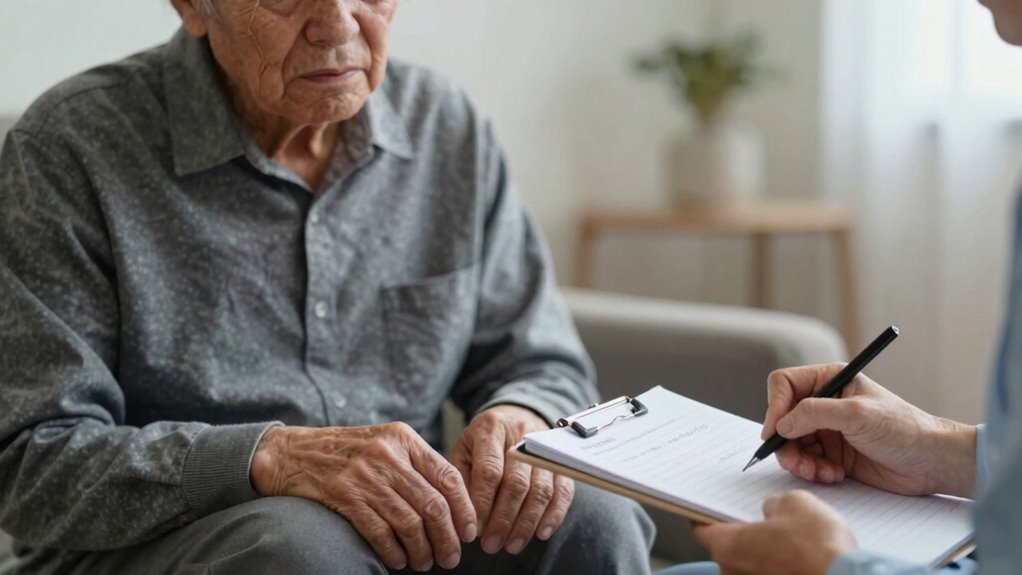
Since seniors often struggle to clearly communicate their symptoms, paying attention to their behavior and physical cues becomes essential. Non verbal communication offers critical insights into their health status, especially when words fall short. Look for subtle behavioral cues like withdrawal, agitation, or confusion, which may indicate discomfort or illness. Physical signs such as changes in posture, facial expressions, or eye contact also signal potential health issues. Notice if they’re avoiding certain movements, exhibiting tremors, or appear more fatigued than usual. These cues often reflect underlying problems like pain, cognitive decline, or infections. Observation techniques can help caregivers systematically identify these signs and respond appropriately. Additionally, understanding common health indicators can improve early detection of serious conditions. Recognizing these signs early can prevent complications and ensure timely medical intervention. Developing a consistent observation routine can further enhance the accuracy of detection and response. Paying close attention to subtle cues and maintaining regular monitoring can make a significant difference in the quality of care. By observing these subtle behavioral cues and physical signals, you can better assess their condition and determine when professional medical attention is necessary.
senior health monitoring notebook
As an affiliate, we earn on qualifying purchases.
As an affiliate, we earn on qualifying purchases.
How Can Caregivers Document Observation Notes Effectively?
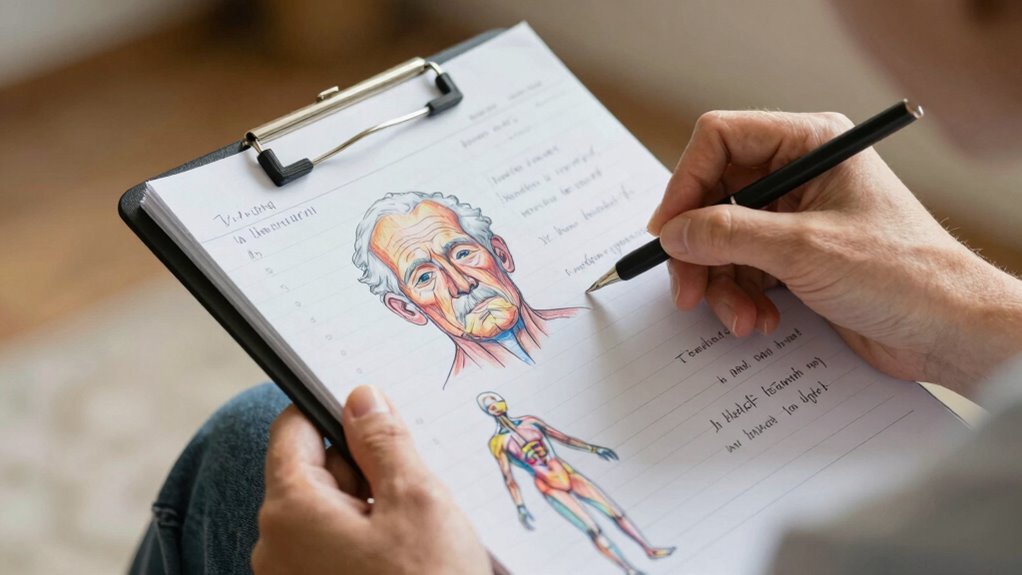
Effective documentation of observation notes is essential for tracking seniors’ health changes and communicating concerns to healthcare professionals. To do this effectively, record specific details about medication side effects, such as dizziness or nausea, and note environmental factors like lighting or noise that may influence behavior. Use clear, objective language and be consistent in your recording methods. Document the time, location, and any relevant context for each observation. Keep notes concise but detailed enough to identify patterns over time. Regularly review and update your notes to catch subtle changes. Incorporating standardized documentation practices ensures clarity and consistency in your records. Applying home design principles, such as good lighting and noise control, can also help create a safer environment that supports accurate observations. Additionally, understanding the regional flavors and how they influence behavior or preferences can provide valuable context in your notes. Maintaining accurate records helps healthcare providers make informed decisions and can be crucial in emergency situations. Consistent, precise notes strengthen your ability to advocate for your loved one’s well-being.
cognitive decline symptom tracker
As an affiliate, we earn on qualifying purchases.
As an affiliate, we earn on qualifying purchases.
How Do Observation Notes Help Improve Diagnosis and Care?
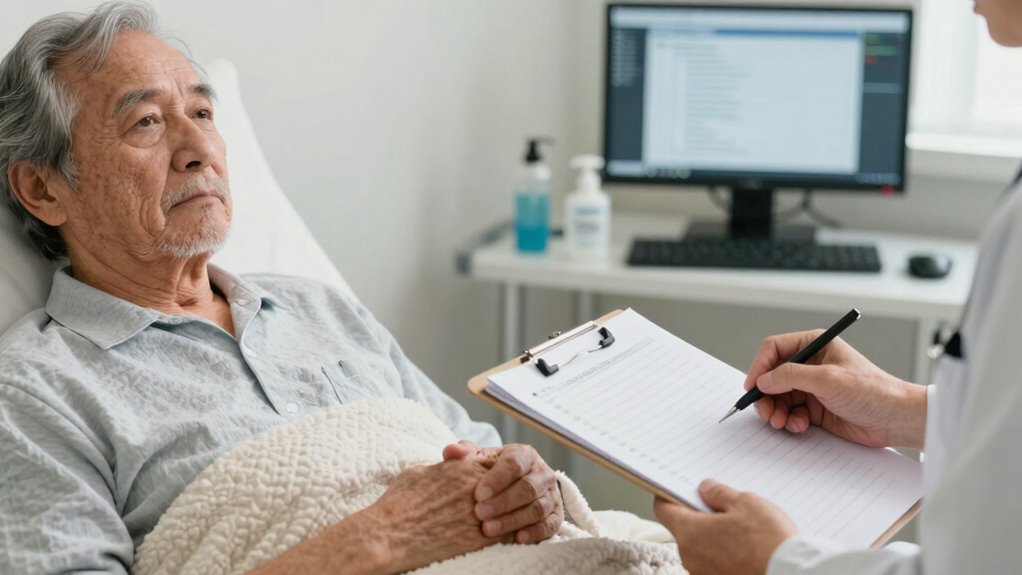
How do observation notes directly contribute to improving diagnosis and care? They are essential for enhancing geriatric communication and accurate symptom interpretation. Observation notes provide a detailed, objective record of a senior’s behaviors, changes, and responses that might not be verbally expressed. This detailed documentation helps healthcare providers identify patterns and subtle signs that could indicate underlying health issues. Here are three ways they improve care:
Observation notes enhance diagnosis by capturing subtle behaviors and changes often unspoken.
- Clarify symptoms that seniors can’t articulate clearly.
- Enable early detection of health changes, prompting timely intervention.
- Support personalized care plans based on consistent, real-world observations. Additionally, incorporating tracking gear such as GPS or Bluetooth devices can assist in monitoring mobility and activity levels, further enriching the observation data and providing a comprehensive understanding of the senior’s health status. Using environmental impact considerations when choosing tools and supplies ensures that care practices remain sustainable and eco-friendly. Incorporating accurate documentation practices can also help healthcare teams communicate more effectively and coordinate care more efficiently, especially when combined with a focus on data accuracy and reliability.
Tips to Enhance Observation Skills in Senior Care
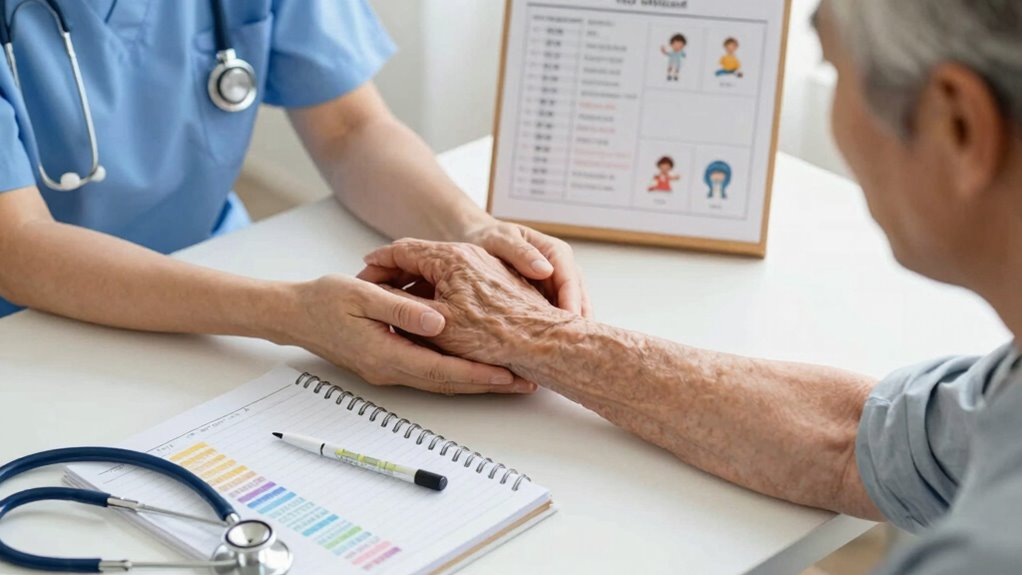
Enhancing your observation skills in senior care requires focused attention and deliberate practice. To overcome communication barriers, pay close attention to non-verbal cues like facial expressions, body language, and changes in posture. Sensory impairments, such as hearing or vision loss, can mask symptoms or cause misinterpretation, so observe how seniors interact with their environment and note any unusual behaviors. Use active listening techniques and ask open-ended questions when possible, even if they can’t fully articulate their feelings. Regularly review and update your notes to identify patterns and subtle shifts. Additionally, understanding essential oils for symptom relief can provide insights into natural approaches to comfort and care, which may be relevant in comprehensive care approaches. Recognizing the importance of Free Floating in maintaining emotional well-being can also help you interpret behavioral changes more accurately. Being familiar with kitchen gear for food lovers can also help you notice changes in appetite or food preferences that might indicate health issues. Recognizing specific body piercing indicators, such as unusual swelling or discomfort, can further aid in early detection of health problems. By sharpening your awareness of these factors, you’ll improve your ability to detect early signs of illness, ensuring timely intervention and better care outcomes.
Frequently Asked Questions
How Can Technology Assist in Capturing Observation Notes Efficiently?
Technology helps you capture observation notes efficiently through digital logging, allowing you to record details quickly and accurately. Voice recognition tools enable you to verbalize observations, reducing manual writing and ensuring real-time documentation. This streamlines the process, minimizes errors, and keeps your focus on the senior. With these tech solutions, you can maintain detailed records effortlessly, improving care quality and communication among caregivers.
What Training Is Recommended for Caregivers to Improve Observation Skills?
Think of caregiving as tuning an instrument—you need sharp communication skills. To sharpen your skills, participate in targeted training programs that focus on observation techniques and non-verbal cues. These programs act like practice sessions, helping you notice subtle changes. Continuous training enhances your ability to interpret behaviors accurately, ensuring you capture precise observation notes, ultimately improving care quality and your confidence in managing seniors who can’t describe symptoms clearly.
How Do Observation Notes Differ Across Various Healthcare Settings?
In different healthcare settings, your observation notes vary based on caregiver communication and documentation standards. For example, in hospitals, notes are detailed and structured to guarantee quick information sharing, while in home care, they’re more informal, focusing on daily changes. You adapt your notes to meet specific standards, assuring consistency and clarity, so all team members understand your observations and can provide the best care possible.
Are There Legal Considerations When Documenting Senior Observation Notes?
You must guarantee legal compliance and documentation accuracy when recording senior observation notes. For example, if a caregiver notes subtle changes in a senior’s mobility, it’s essential to document precisely, avoiding assumptions. Proper, detailed notes protect you legally and support ongoing care. Always follow facility protocols and privacy laws to prevent legal issues, and remember, clear, factual documentation is your best defense if questions arise later.
How Often Should Observation Notes Be Reviewed and Updated?
You should review and update observation notes regularly, ideally daily or whenever there’s a noticeable change in the senior’s condition. Consistent observation frequency guarantees you capture accurate, current information. Note updating should happen promptly after any new observations or concerns arise, keeping records accurate and thorough. This practice helps maintain high-quality care, supports legal compliance, and ensures you can respond effectively to the senior’s evolving needs.
Conclusion
Think of observation notes as your lighthouse in the fog—guiding you through unclear symptoms to safe shores. When seniors can’t speak their pain, your attentive notes illuminate hidden signals, helping you navigate their healthcare journey. By sharpening these skills, you become a steady beacon, ensuring no warning goes unseen. With patience and keen observation, you steer your loved ones toward clearer understanding and better care, transforming uncertainty into a guiding light.
Halloween Picks
halloween
As an affiliate, we earn on qualifying purchases.