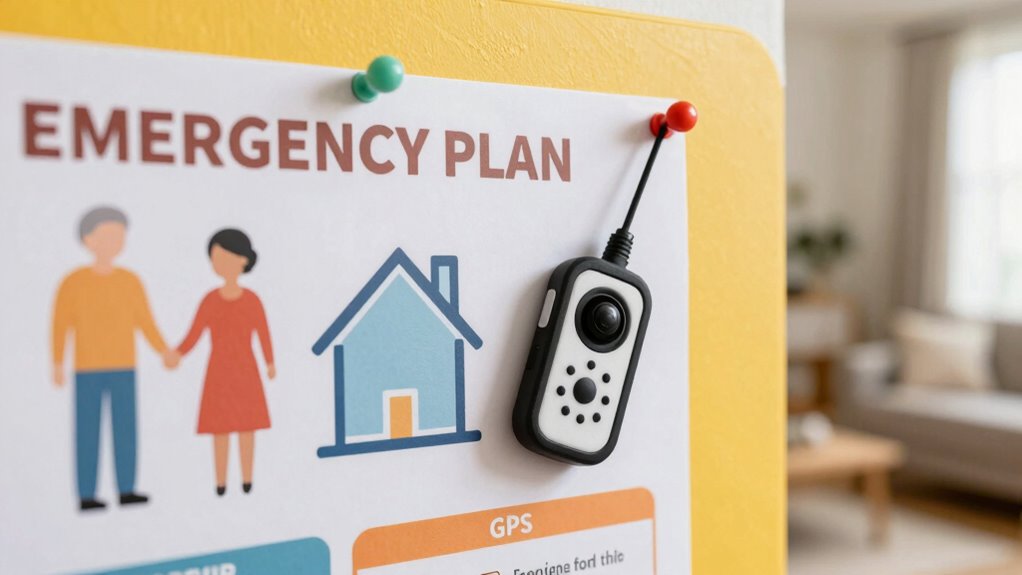

To prepare for a loved one’s wandering, you should identify early warning signs like increased agitation or recent disorientation, then make your home safer by installing locks, alarms, and removing hazards. Develop a clear emergency plan with specific steps, gather essential items like ID and medical info, and consider wearable GPS devices. Train caregivers on response procedures, practice safety drills, and stay connected with community resources. Keep updating your plan to stay ready; more helpful tips await as you continue.
Key Takeaways
- Develop a personalized safety plan that includes home modifications, emergency contacts, and legal documentation.
- Use GPS tracking devices and identification tools to locate the individual quickly during wandering incidents.
- Train caregivers and family members on recognizing early wandering signs and proper emergency response procedures.
- Prepare an emergency kit with recent photos, medical info, and contact details, stored in an accessible location.
- Regularly review, practice, and update the ‘If They Wander’ action plan to ensure effectiveness and readiness.

GPS Tracker for Kids, Real-Time GPS Tracking Device for Kids
- No Subscription or SIM Needed: Real-time GPS updates via Apple Find My
- Compact & Discreet Design: Small, lightweight, secure attachment for children
- Child-Safe & Waterproof: IP68 rated, weather-resistant, tamper-resistant
As an affiliate, we earn on qualifying purchases.
As an affiliate, we earn on qualifying purchases.
Understanding the Risks of Wandering in Dementia
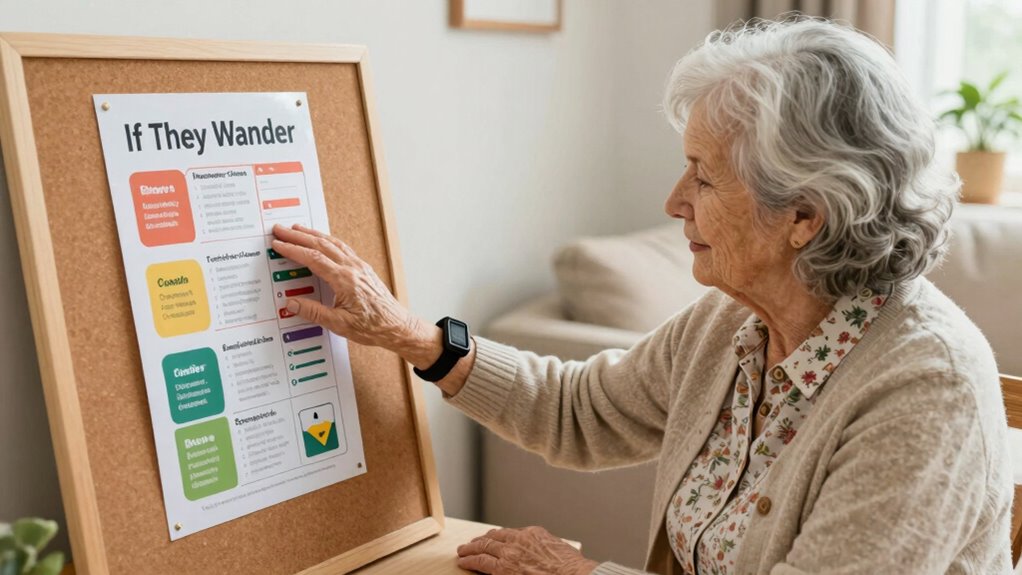
Wandering is a common and dangerous behavior among individuals with dementia, often occurring when they become confused or disoriented. Understanding the risk factors can help you better prepare. Certain environmental triggers, like unfamiliar surroundings, poor lighting, or cluttered spaces, increase the likelihood of wandering. Personal risk factors such as age, history of wandering, or advanced cognitive decline also play a role. Recognizing these risks allows you to make adjustments to the environment, reducing the chances of your loved one wandering away unexpectedly. Implementing safety measures, such as alarms or locks, can significantly enhance their security. Additionally, understanding creative storytelling techniques can help caregivers communicate more effectively and reassure individuals with dementia, potentially reducing agitation that may lead to wandering. By addressing environmental triggers and understanding individual risk factors, you can create a safer space and be better prepared to respond if wandering occurs. Awareness is key to preventing dangerous situations and ensuring safety.

TECKNET Door Alarms for Kids Safety, Window Alarm Pool Alarms Door Alarm for Home Security, 2-in-1 Alarm & Chime, 3-Level Volume Control, Wireless Alarm for House Hotel Cars Sheds Caravans (3 Pack)
- Quick Alarm Activation: Sounds when distance exceeds 0.78 inches
- Adjustable Volume Levels: 3-volume settings for different needs
- Easy Installation: Stick sensors on doors, windows, cabinets
As an affiliate, we earn on qualifying purchases.
As an affiliate, we earn on qualifying purchases.
How to Recognize Early Signs Your Loved One Might Wander
You should watch for changes in your loved one’s behavior, like increased restlessness or confusion. Unusual disappearances or frequently finding them in unexpected places can also be warning signs. Recognizing these early signs helps you act quickly to prevent potential wandering incidents. Being aware of subtle cues such as behavioral changes can significantly improve response times and safety measures. Additionally, understanding water damage risks and implementing proper drying and cleaning techniques can prevent hazards caused by water-related incidents. Monitoring for environmental hazards, such as water damage or unsafe areas, is also crucial in maintaining a safe environment.
Changes in Behavior
Changes in behavior can be subtle but important early signs that your loved one might wander. Watch for sudden restlessness, agitation, or repetitive actions, as these can indicate confusion or unease. They may become more withdrawn or display uncharacteristic irritability, signaling emotional distress. Changes like these often stem from difficulty managing their environment or understanding their surroundings. Effective behavior management involves providing reassurance, maintaining routines, and offering emotional support to reduce anxiety. Notice if your loved one starts asking to go outside more frequently or expresses a desire to leave unexpectedly. Recognizing these shifts early allows you to implement safety measures promptly and address their emotional needs, helping to prevent wandering before it becomes a crisis. Monitoring environmental cues can also help detect early signs of wandering tendencies, which aligns with fostering understanding of behavioral changes, a crucial aspect in supporting mental health. Incorporating regular observation can further enhance your ability to recognize these subtle cues early on. Additionally, staying attentive to environmental triggers can aid in identifying potential stressors that may lead to wandering behaviors.
Unusual Disappearances
Unusual disappearances often serve as one of the earliest warning signs that your loved one might wander. If they start leaving the house unexpectedly or are found in unfamiliar places, it’s time to act. Stay alert to changes in behavior, such as increased restlessness or attempts to leave without explanation. Engaging with your community can help create a support network, making it easier to respond quickly if they go missing. Legal considerations are also crucial; understanding your rights and restrictions, like dementia-specific ID programs, can streamline rescue efforts. Keep detailed descriptions and recent photos handy, and ensure neighbors and community members are aware. Recognizing these early signs enables faster intervention, helping to keep your loved one safe. Additionally, household safety products like door alarms and locks can be effective tools in preventing wandering incidents. Being aware of early warning signs for wandering can also facilitate earlier detection and response, and consulting with healthcare professionals about wandering prevention strategies can further enhance safety measures. Regularly reviewing and updating your wandering safety plan can ensure preparedness in case of emergencies. Incorporating body piercing safety tips, such as ensuring piercings are properly healed and monitored, can prevent complications that might require emergency care.
As an affiliate, we earn on qualifying purchases.
Making Your Home Safer to Prevent Wandering Incidents

To effectively prevent wandering incidents, ensuring your home is as safe and secure as possible is essential. Start with home modifications that eliminate hazards and create clear boundaries. Install locks or alarms on doors and windows to alert you when your loved one tries to leave. Consider adding door covers or painting doors the same color as the walls to make them less noticeable. Remove tripping hazards like loose rugs or clutter, and secure furniture to walls if necessary. Adequate lighting throughout the home helps prevent disorientation. Regularly review and update safety measures as needs change. Creating a safe environment is a crucial step in reducing the risk of wandering. A well-prepared environment provides peace of mind and helps prevent wandering incidents before they occur. Additionally, understanding home safety considerations can guide you in choosing appropriate measures and modifications. Incorporating water safety measures, such as securing pools and ponds, can further enhance your loved one’s safety around water sources. Ensuring your home complies with occupational health and safety standards can also help in creating a secure living space.
emergency preparedness kit for dementia
As an affiliate, we earn on qualifying purchases.
As an affiliate, we earn on qualifying purchases.
Essential Items to Include in a Wandering Emergency Kit
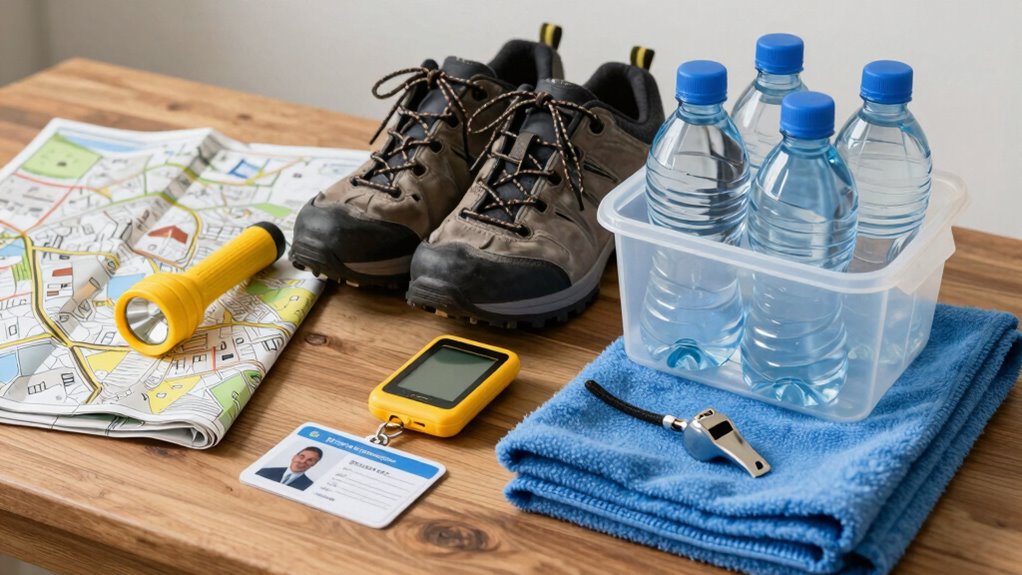
To be prepared for a wandering incident, you need a well-stocked emergency kit. Make sure it includes essential items like identification, recent photos, and medical information. Also, store your kit in a designated, easily accessible location so you can grab it quickly when needed. Incorporate home organization techniques to keep your kit orderly and ensure quick access during emergencies. Regularly review and update the contents to account for any changes in medication or personal details, promoting emergency readiness and peace of mind. Additionally, using medication management strategies can help prevent potential health crises that may lead to wandering. Proper system maintenance of medical devices can also reduce the risk of device failure that could contribute to such incidents, emphasizing the importance of ongoing device upkeep to ensure safety.
Essential Items Checklist
Creating a thorough wandering emergency kit is crucial for guaranteeing your loved one’s safety. It should include essential items that support medication management and facilitate caregiver communication. First, pack a list of current medications, dosages, and schedules to prevent missed doses. Second, include a recent photograph and any physical descriptions to aid in identification. Third, add a fully charged cellphone with important contacts saved, ensuring quick communication with caregivers or emergency services. Fourth, include a medical alert bracelet or ID tag that details critical health information. These items help streamline caregiver communication during an emergency and guarantee your loved one receives appropriate care. Regularly update the kit to keep all information current, minimizing risks if the unexpected occurs. Incorporating advanced filtration systems can also be beneficial for allergy sufferers and improve overall air quality during emergencies.
Proper Kit Storage
Ensuring your wandering emergency kit is stored properly is essential for quick access during an urgent situation. Proper storage helps prevent delays and guarantees you can respond swiftly. Choose a designated, easily accessible location, like a cabinet or a portable container, that everyone in your household knows about. Keep the kit organized with clearly labeled compartments or bags for different items, such as medical supplies, snacks, and important documents. Regularly check the kit to replace expired items and update contact information. Avoid clutter and guarantee the kit isn’t tucked away where it’s hard to reach. Proper storage and kit organization not only save valuable time but also give you peace of mind, knowing you’re prepared to act immediately if your loved one wanders.
How to Use ID and Tracking Devices for Safety
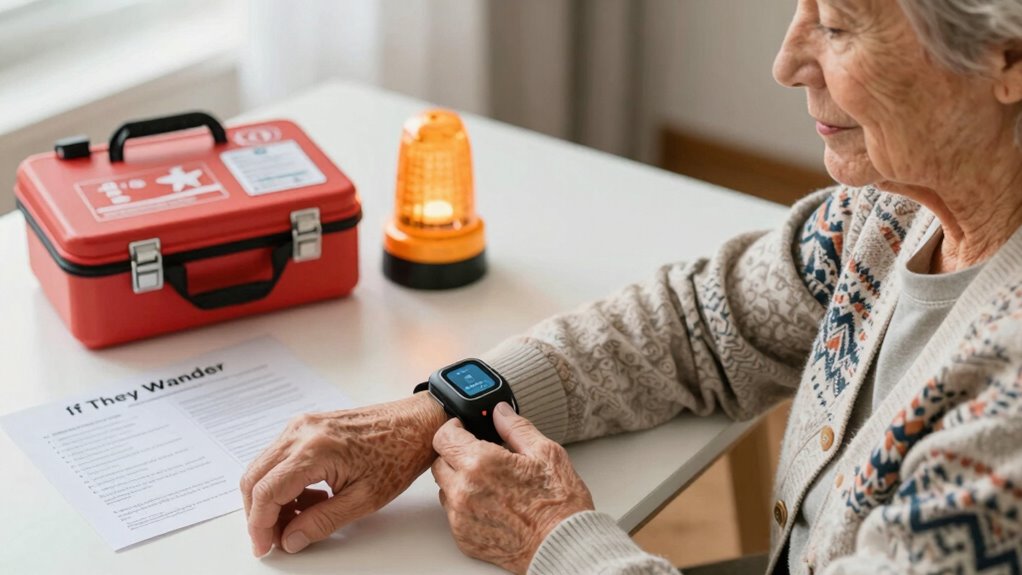
Have you considered how ID and tracking devices can keep your loved one with dementia safe? Wearable devices with GPS tracking offer real-time location updates, providing peace of mind. To use these effectively:
- Confirm the device is comfortable and fits properly.
- Keep the GPS tracking activated and regularly check the battery life.
- Attach ID tags or bracelets with essential contact information.
- Educate your loved one on how to wear and recognize their device.
These steps help quickly locate them if they wander. Using wearable devices with GPS tracking can be a crucial part of your safety plan, giving you immediate access to their whereabouts and reducing response time during emergencies.
Creating an Effective Wandering Emergency Response Plan: Who to Contact and When
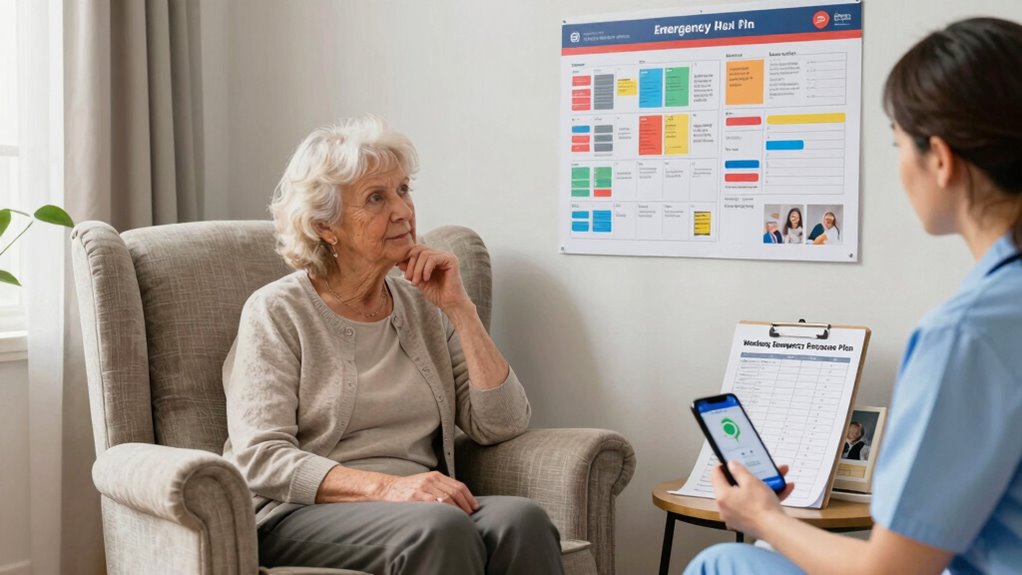
You need a clear plan for when your loved one wanders, starting with establishing emergency contacts who can assist swiftly. Make sure you develop immediate response steps so everyone knows what to do right away. Finally, communicate your plan with local authorities to ensure prompt assistance when needed.
Establish Emergency Contacts
When creating a wandering emergency response plan, establishing a clear list of emergency contacts is essential. You need to guarantee everyone involved knows who to call immediately if your loved one wanders. Keep a list with key contacts, including healthcare providers, local authorities, and nearby family members. Prioritize these four:
- Emergency services and local police
- Primary healthcare provider
- Trusted family or friends familiar with medication management
- Caregiver communication contacts, such as a neighbor or aide
Having these contacts organized helps streamline the response, prevent delays, and ensure medication management issues are quickly addressed. Regularly update this list and share it with all caregivers to maintain clear communication and swift action during an emergency.
Develop Immediate Response Steps
Once emergency contacts are in place, it is crucial to develop clear, immediate response steps to follow if your loved one begins to wander. Effective caregiver communication is key during an emergency, ensuring everyone knows their role. Involving the community can provide additional support and resources. Create a step-by-step plan outlining actions like checking nearby areas, calling emergency contacts, and alerting neighbors or community volunteers. Share this plan with all caregivers and involved community members.
| Step | Action | Responsible Person |
|---|---|---|
| Spot wandering | Locate and assess safety | Caregiver |
| Call emergency contacts | Inform them of the situation | Caregiver |
| Notify neighbors | Request help or sightings | Community involvement |
| Search nearby areas | Check local parks, stores, streets | Caregiver & community |
| Reassure and monitor | Keep in contact until found | Caregiver |
Communicate With Authorities
Effective communication with authorities is vital to guarantee a swift and organized response during a wandering emergency. Establish clear lines of contact and ensure authorities are familiar with your loved one’s details. This fosters effective interagency collaboration and speeds up the search process. Be prepared to share essential information, including medical history and recent photos, to assist responders. Additionally, understand legal considerations, such as consent and privacy laws, to avoid delays. To create an efficient response plan, consider these steps:
- Designate key contacts in local law enforcement and emergency services.
- Share detailed information and updates regularly.
- Clarify legal permissions for search and rescue efforts.
- Maintain an accessible, updated emergency contact list for authorities.
These actions help streamline communication and improve response time when it matters most.
Training Family and Caregivers to Respond Quickly to Wandering
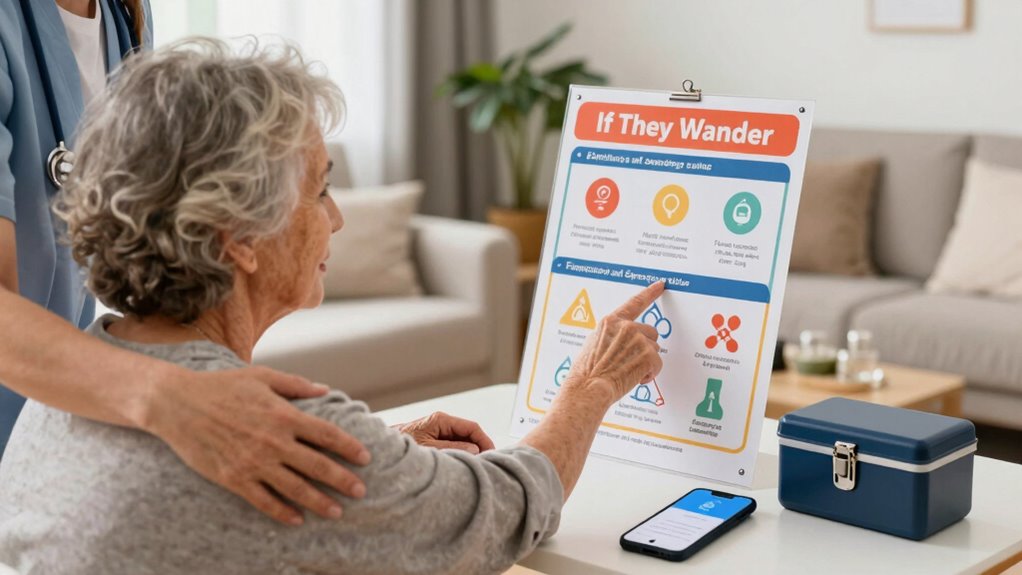
Training family members and caregivers to respond quickly to wandering is essential for ensuring the safety of someone with dementia. Proper training empowers you to act swiftly and confidently during an emergency. Use community resources, such as local support groups or caregiver education programs, to learn effective response strategies. Practice scenarios regularly with your loved one and team members to stay prepared. Make sure everyone knows how to use tools like GPS trackers or identification bracelets. Here’s a quick overview:
| Skill | Action | Resources |
|---|---|---|
| Recognize wandering | Spot early signs and behaviors | Community centers, support groups |
| Emergency response | Call authorities and stay calm | Local emergency services |
| Use tracking tools | Activate GPS or identification devices | Medical supply stores |
| Communicate clearly | Share information with responders | Caregiver education sessions |
| Practice drills | Regularly rehearse response plans | Family meetings |
Practicing and Updating Your Wandering Safety Plan
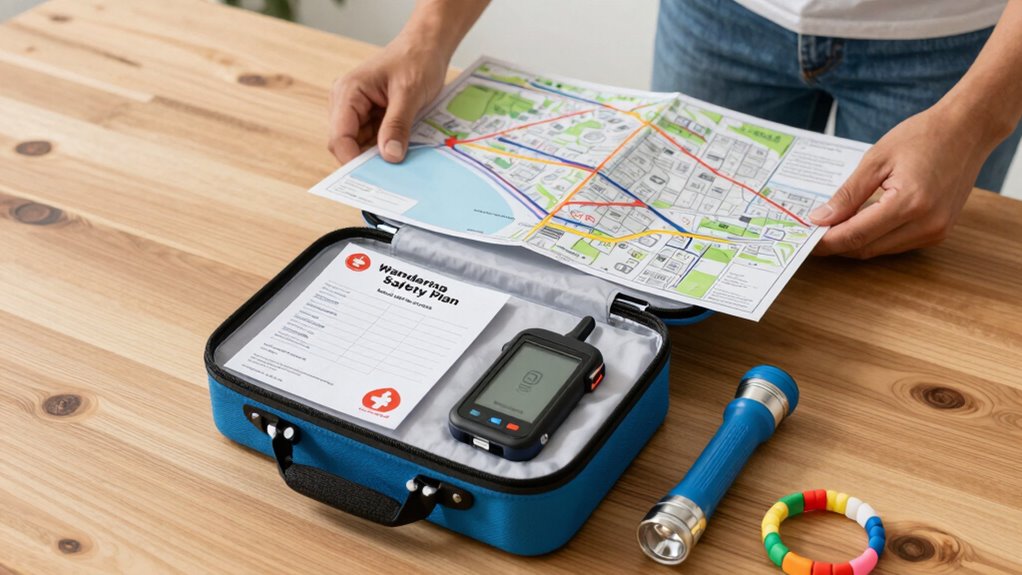
Practicing and updating your wandering safety plan regularly is essential for keeping your loved one safe. It guarantees you’re prepared for new challenges and technological changes. To do this effectively:
- Test your tech gadgets, like GPS trackers and door alarms, to make sure they work properly.
- Review legal considerations, such as consent and privacy laws, to stay compliant.
- Conduct simulated drills with caregivers and family members to identify gaps.
- Update contact information and emergency procedures based on recent experiences.
Resources and Support for Wandering Prevention and Response
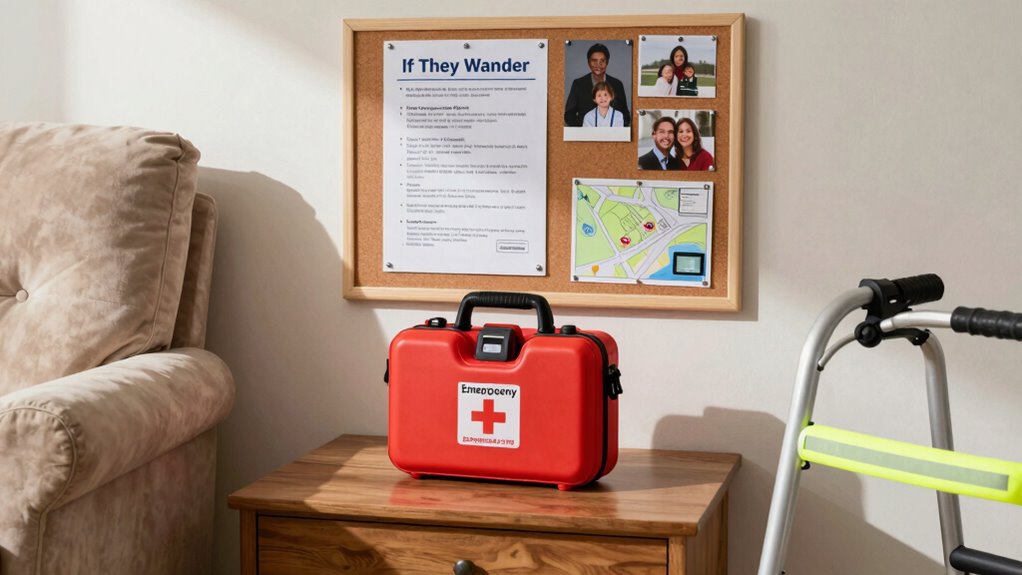
Having a thorough wandering safety plan is a great start, but knowing where to turn when help is needed makes all the difference. Community resources, such as local law enforcement, healthcare providers, and support groups, offer essential assistance in wandering prevention and response. These organizations can provide training, devices, and emergency contacts to ensure your loved one’s safety. Additionally, understanding legal considerations, like creating a power of attorney or registering your loved one’s information with programs such as the Missing Senior Registry, can streamline response efforts. These resources help you navigate emergency situations confidently, ensuring swift action. Connecting with community programs and understanding legal options empower you to act quickly and effectively, reducing risks and offering peace of mind.
Next Steps: Staying Prepared and Safe
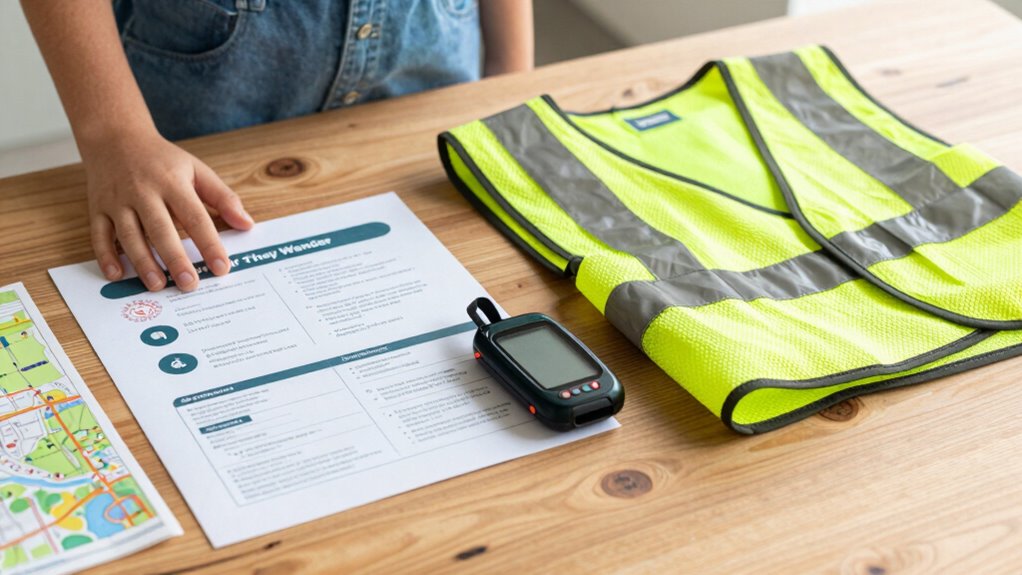
Staying prepared and safe requires ongoing vigilance and proactive planning. To do this effectively, you should focus on four key steps:
Ongoing vigilance and proactive planning are essential for staying safe and prepared.
- Engage with your community to establish support networks and share resources.
- Regularly review and update legal considerations, like guardianship and emergency contacts.
- Maintain open communication with caregivers and local authorities for swift response.
- Develop a clear, written emergency plan tailored to your loved one’s needs and environment.
Frequently Asked Questions
How Can I Differentiate Between Curiosity and Dangerous Wandering Behavior?
You can differentiate curiosity from dangerous wandering by observing behavior patterns through a behavior assessment. Curiosity usually involves short, controlled explorations within safe areas, whereas dangerous wandering often shows persistent attempts to leave familiar environments or ignore safety thresholds. If your loved one repeatedly tries to go beyond safe boundaries or appears disoriented, it’s time to adjust safety measures. Always prioritize their safety and seek professional advice if unsure.
Are There Legal Considerations When Using Tracking Devices for Dementia Patients?
Yes, there are legal considerations when using tracking devices for dementia patients. You need to guarantee legal compliance by obtaining necessary consent from the patient or their legal guardian. Privacy concerns are also critical; you must protect their personal information and only share data with authorized individuals. Always check local laws and regulations regarding surveillance and data privacy to avoid legal issues and respect the patient’s rights.
What Community Resources Are Available for Wandering Prevention Assistance?
You can access local support and caregiver networks that offer wandering prevention assistance. Many communities have specialized programs, support groups, and resources like emergency response teams trained for dementia-related incidents. Reach out to local health departments, Alzheimer’s associations, or senior centers to connect with these services. Joining caregiver networks can provide practical advice, emotional support, and coordinated efforts to keep your loved one safe if they wander.
How Often Should I Update or Review My Wandering Emergency Plan?
You should review your wandering emergency care plan at least every three to six months or whenever there’s a change in your loved one’s condition. Regular care plan updates help make certain the risk assessment frequency remains accurate and relevant. Stay proactive by updating the plan whenever new risks emerge or previous strategies become ineffective. Consistent reviews keep everyone prepared and help prevent wandering incidents effectively.
Can Pets Help in Preventing or Responding to Wandering Incidents?
Pets can be a valuable part of your wandering prevention and response plan. Pet companionship provides comfort and alertness, often noticing changes or signs of distress in your loved one. Animal alert systems, like GPS-enabled collars, can quickly locate someone if they wander. These tools enhance your safety measures, offering reassurance and a quicker response, ultimately helping to prevent dangerous wandering incidents and ensuring prompt assistance when needed.
Conclusion
Did you know that nearly 60% of people with dementia will wander at some point? By understanding the risks, preparing your home, and using safety devices, you can substantially reduce the danger. Practice your plan regularly and keep emergency items handy. Staying proactive and informed helps protect your loved one and gives you peace of mind. Remember, being prepared is your best tool in ensuring their safety and well-being.