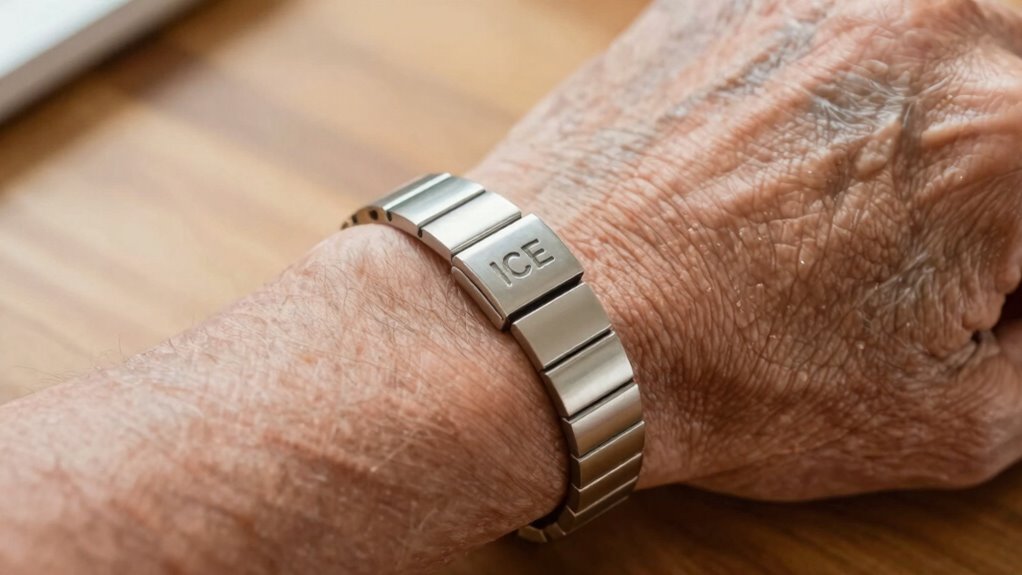

Beyond emergency contacts, your senior ICE card should include detailed medical info like allergies, current medications, medical conditions, and recent surgeries. Add accessibility features such as large print, tactile elements, or symbols for those with visual or sensory challenges. Make sure it has clear instructions for responders and is regularly updated with current health data. Proper placement and caregiver awareness help ensure quick access. Keep exploring for ways to create a thorough safety tool for your loved ones.

Turn quiet afternoons into listening time
- Thousands of audiobooks, podcasts and originals
- Listen on your phone, tablet or Echo — also offline
- Cancel anytime
Key Takeaways
- Detailed medical history, including chronic conditions, recent surgeries, and current medical equipment needs.
- Complete medication list with prescriptions, dosages, and administration schedules.
- Allergy information covering medications, foods, and environmental triggers.
- Special instructions such as oxygen requirements, mobility aids, or early warning signs.
- Up-to-date emergency contacts and healthcare provider details for informed decision-making.
As an affiliate, we earn on qualifying purchases.
What Is a Senior ICE Card and Why Is It Important?
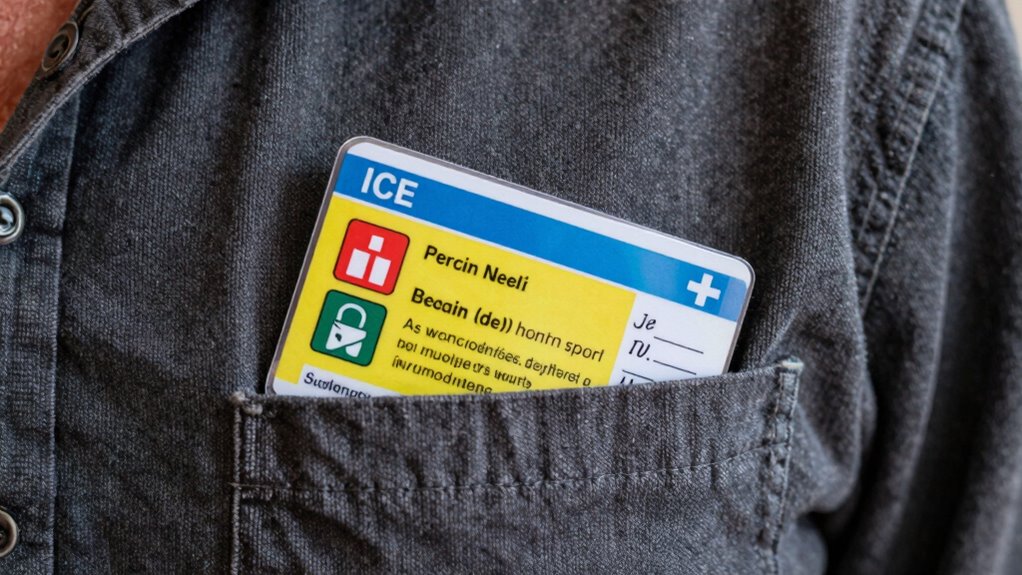
What exactly is a senior ICE card, and why should you consider getting one? An ICE (In Case of Emergency) card for seniors is a small, portable document that provides essential information during emergencies. It helps first responders quickly understand your medical needs, including medication management, and any specific health conditions. Having this card can be especially helpful if you participate in community programs or rely on medications regularly. It also minimizes delays in providing appropriate care by offering clear health information. Having this card ensures responders have immediate access to critical details, which can save valuable time and improve care. Additionally, a well-prepared ICE card can help address ethical considerations related to personal health data sharing. The inclusion of accurate medical history can further assist responders in making quick and informed decisions. Plus, it reassures loved ones that your important health information is accessible when needed. Overall, a senior ICE card is a simple, effective tool to enhance your safety and ensure you get appropriate assistance during emergencies.
large print emergency medical ID card for seniors
As an affiliate, we earn on qualifying purchases.
As an affiliate, we earn on qualifying purchases.
What Information Should You Include on the ICE Card?
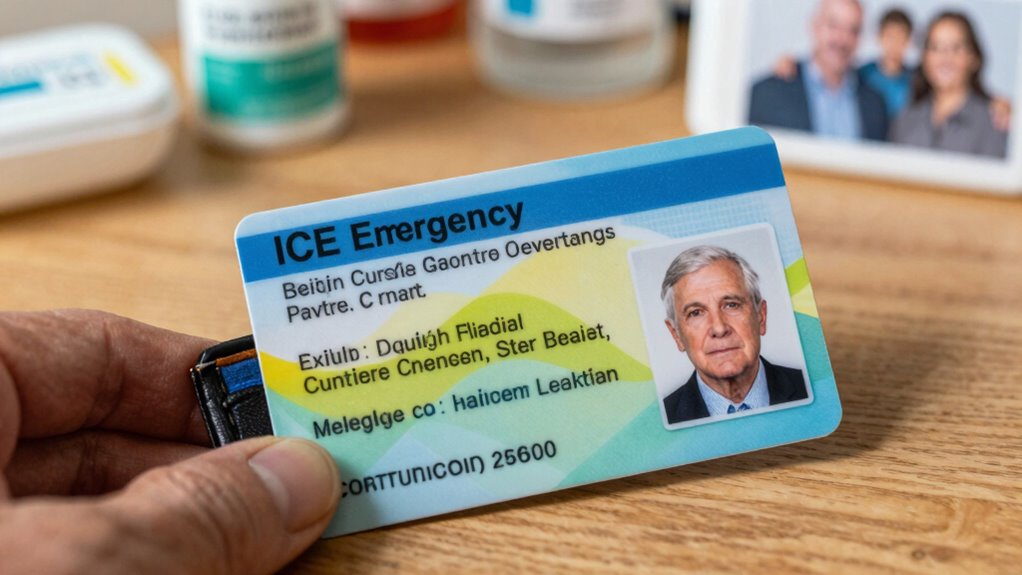
Knowing which information to include on your ICE card is vital for guaranteeing emergency responders quickly access your critical details. Start by listing your full name, date of birth, and any relevant medical conditions. A current medication list is essential, so include all prescriptions, dosages, and frequency. Don’t forget to add allergy info, especially for common allergens like medications, foods, or environmental triggers. Include any special instructions, such as need for oxygen or mobility aids. Keep the information clear and up-to-date, avoiding unnecessary details. The goal is to provide responders with quick, accurate info that can guide immediate care, so focus on what they need to know without cluttering the card. Proper application of the ICE card ensures that emergency personnel can act swiftly and effectively. Understanding the importance of emergency preparedness helps ensure your information remains relevant and useful in critical moments, ultimately enhancing your safety during emergencies. Regularly reviewing and updating your ICE card is crucial to maintaining its accuracy, especially if your health conditions or medications change. This guarantees your emergency kit is both practical and effective. Additionally, incorporating regional health considerations can be beneficial, especially if you travel frequently or live in an area with specific health risks. Being aware of potential environmental factors in your region can help responders provide more tailored care during emergencies.
tactile medical alert card for elderly
As an affiliate, we earn on qualifying purchases.
As an affiliate, we earn on qualifying purchases.
Medical Info and Conditions Emergency Responders Need to Know
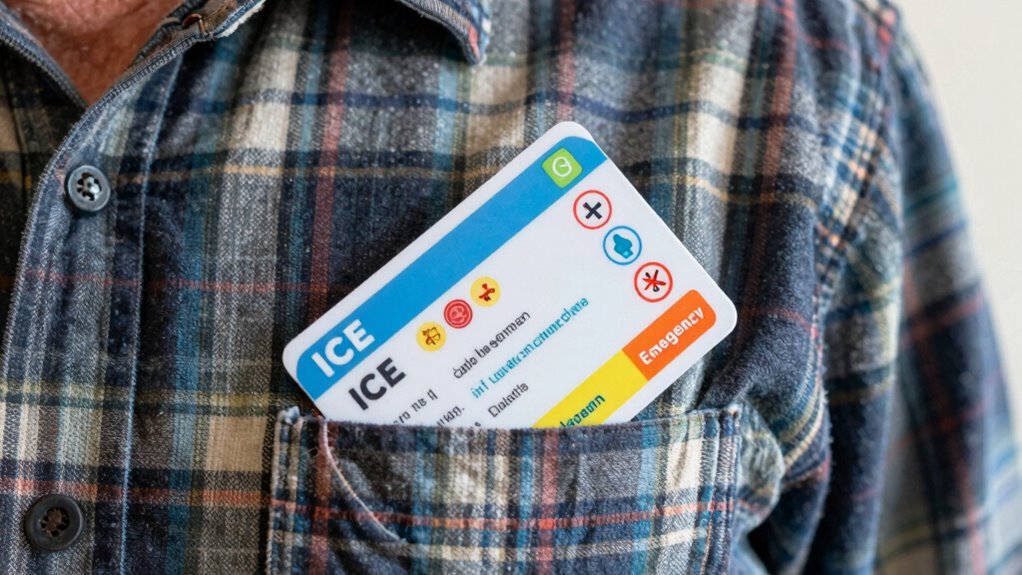
Including your medical conditions on your ICE card helps emergency responders quickly understand your health needs. List any chronic illnesses, allergies, or recent surgeries so they can provide appropriate care without delay. Your medical history offers vital context, especially if you’re unable to communicate. Alongside emergency contacts, this information guides responders in making informed decisions, such as administering medications or avoiding certain treatments. Keep your medical info current and clear—use simple language and update it regularly. This includes noting medical equipment requirements, so responders are prepared to assist with devices like oxygen tanks or mobility aids. Being aware of urban safety measures and potential risks can further improve emergency response effectiveness. Additionally, understanding local emergency protocols can help responders navigate specific community needs more efficiently. This guarantees responders have accurate details during emergencies, reducing risks and improving outcomes. Remember, the more precise your medical info, the better equipped emergency personnel are to support your health and safety fast and effectively.
customizable senior emergency information card
As an affiliate, we earn on qualifying purchases.
As an affiliate, we earn on qualifying purchases.
Notes on Accessibility and Special Needs for Emergencies
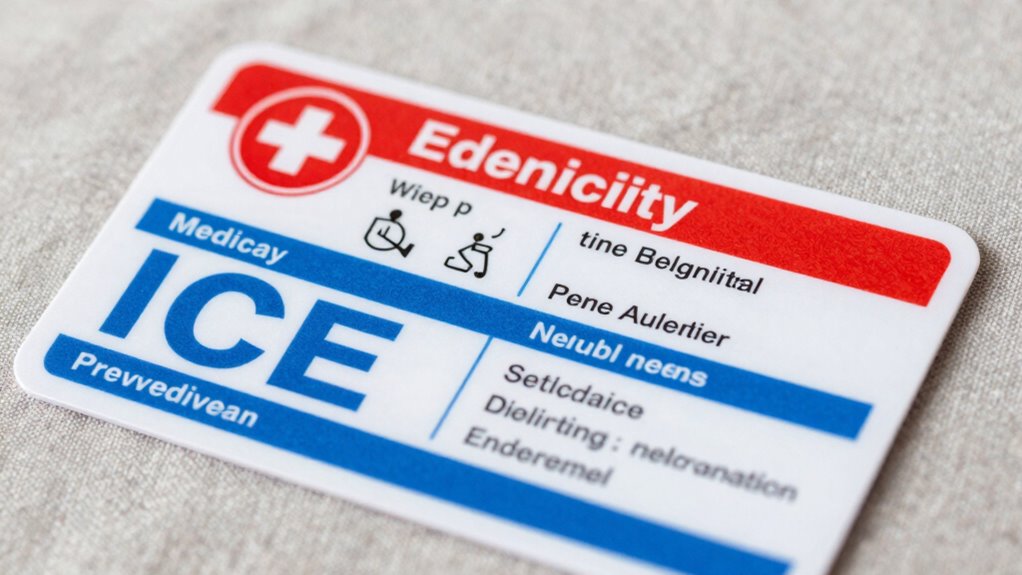
Make certain your ICE card highlights any accessibility features or accommodations you need during emergencies. Clear information helps responders assist you quickly and effectively. Addressing your specific needs ensures you get the right support without delays. Incorporating details about emergency preparedness can further enhance the usefulness of your ICE card. Including information about early warning signs of health issues can also aid responders in providing timely assistance. Additionally, noting any mobility limitations ensures responders can adapt their approach to suit your situation. Regularly updating your ICE card with essential survival gear information can prepare responders with immediate knowledge of your needs in critical moments. Recognizing accessibility considerations can facilitate a more tailored emergency response.
Accessibility Features Needed
To guarantee seniors can quickly access help during emergencies, the ICE card must incorporate essential accessibility features. Clear, large-print text ensures information is legible for those with visual impairments. Including symbols or icons can help overcome communication barriers when language or speech issues exist. Consider adding tactile elements or braille for individuals with significant visual disabilities. The card should be simple, with minimal clutter, so critical details stand out immediately. Use high-contrast colors to improve readability. Ensuring these accessibility features are in place allows emergency responders to quickly understand crucial information without confusion, reducing delays. Incorporating visual impairments considerations ensures the card remains effective for all users. Additionally, designing the card with Free Floating principles in mind can help it blend seamlessly with various environments, making it even more accessible. Incorporating Universal Design principles ensures that the card accommodates diverse needs and abilities, promoting inclusivity. Addressing communication barriers upfront can further enhance the card’s effectiveness, facilitating prompt assistance. Considering adaptive technologies can also optimize the card’s usability for seniors with different needs, ensuring prompt response in emergencies. By addressing communication barriers upfront, you help seniors receive prompt assistance, regardless of their physical or sensory challenges.
Accommodations for Special Needs
Because emergencies can be overwhelming, it’s vital that the ICE card offers accommodations tailored to seniors with special needs. You should include details that enable responders to assist effectively, such as:
- Specific assistive technology — like hearing aids or mobility devices — so help can be provided without delay.
- Communication aids — such as picture cards or speech devices — to ensure clear understanding.
- Instructions for caregivers or family members on how to operate or access these tools during emergencies.
- Consider including tracking gear information to help locate seniors quickly if they are separated from their belongings or in unfamiliar environments.
How to Keep the ICE Card Easy to Find and Up to Date
Keeping your ICE card easy to find and up to date is crucial in an emergency. Start by placing it in a prominent location signage that’s visible, such as on your fridge or near your front door. This helps first responders quickly locate it. Regularly review and update the information on your physical card to reflect any changes in medications, allergies, or emergency contacts. Additionally, take advantage of digital updates by storing your ICE information in secure apps or online profiles. This way, your essential details remain current and accessible from your phone or computer. Combining clear location signage with regular digital updates ensures your ICE card remains both visible and reliable when it’s needed most.
How to Educate Family and Caregivers About the ICE Card
Have you explained the importance of the ICE card to your family and caregivers? It’s essential they understand how it supports medication management and emergency response. To educate them effectively, consider these steps:
Ensuring your loved ones understand the ICE card’s role boosts safety and emergency preparedness.
- Demonstrate how to locate and update the ICE card quickly during emergencies.
- Explain its role in providing critical health details, including allergies and current medications.
- Share community resources that can assist in maintaining and reviewing the ICE card regularly.
Encourage caregivers to keep the card accessible, review it periodically, and integrate its information into daily routines. Clear communication ensures everyone knows how to use the ICE card efficiently, helping to provide better care and faster assistance in emergencies.
Additional Safety Tools to Support Senior Emergency Preparedness
In addition to the ICE card, there are several other safety tools that can enhance your senior’s emergency preparedness. Medication management tools, like organized pill organizers or digital reminders, help prevent missed doses or accidental overdoses during emergencies. Technology integration also plays an essential role—smartphones, emergency alert apps, and wearable devices can provide quick access to help and critical health information. These tools enable seniors to communicate their needs efficiently and stay connected with caregivers or emergency services. Combining medication management with technology ensures that important health data and emergency contacts are readily available. By utilizing these safety tools, you help create a thorough safety network that supports your senior’s well-being during unexpected situations.
Frequently Asked Questions
How Often Should a Senior Update Their ICE Card Information?
You should review and update your ICE card at least once a year or whenever there’s a change in your health, medications, or emergency contacts. Regular review helps guarantee your information stays current and accurate, which can be vital in emergencies. Make it part of your annual health check or medication review to keep your ICE card reliable, giving loved ones and responders confidence that they have the right details.
What Are Common Mistakes to Avoid When Creating an ICE Card?
When creating an ICE card, avoid common mistakes like including incorrect information or missing essential details. Double-check all data for accuracy, especially contact numbers and medical info. Don’t forget to update the card regularly; outdated info can cause delays. Keep it simple and clear, avoiding clutter that might confuse responders. Make certain the card is easily accessible and stored in a consistent, known location for quick reference during emergencies.
Can Seniors Customize ICE Cards for Specific Medical Conditions?
Yes, seniors can customize ICE cards for specific medical conditions. You should include personalized emergency info that highlights your medical conditions, allergies, and medications. This customization helps responders quickly understand your unique health needs, ensuring appropriate care. Make sure the details are clear, up-to-date, and easy to read. By tailoring your ICE card, you provide crucial information that can save your life during emergencies.
Are There Digital Alternatives to Physical ICE Cards?
Yes, there are digital alternatives to physical ICE cards. You can store your emergency information in digital wallets or create online profiles that first responders can access quickly. These digital options are convenient because you can update your details instantly and share them securely with trusted contacts. Make sure to inform your emergency contacts about where your information is stored and how to access it if needed.
How Do Emergency Responders Verify the Information on an ICE Card?
Imagine your life depends on it—emergency responders verify your ICE card by carefully checking the medical history and emergency procedures you’ve listed. They look for critical details like allergies, medications, and pre-existing conditions, cross-referencing with medical databases when possible. This quick, thorough process guarantees they have the right information to act swiftly and confidently, potentially saving your life when every second counts.
Conclusion
Think of your ICE card as a lifeline woven with crucial details—your safety net in emergencies. By including essential info, keeping it current, and sharing its whereabouts, you empower others to help you swiftly. Remember, preparedness isn’t just about having tools; it’s about building a safety story that others can follow when seconds count. Stay proactive, stay protected, and turn your ICE card into a beacon that guides help right to your side.
Fall Picks
fall essentials
As an affiliate, we earn on qualifying purchases.