

To reduce trauma on moving day for seniors, plan early by organizing packing with clear labels and familiar items. Assess their needs, considering mobility and emotional comfort, and include supportive cues like soothing music or aromatherapy. Communicate calmly to ease anxiety and create a safe, clutter-free space in the new home. Using these strategies helps seniors feel secure and cared for during the progression. Keep going to learn more about making this process smoother and more comforting.

Turn quiet afternoons into listening time
- Thousands of audiobooks, podcasts and originals
- Listen on your phone, tablet or Echo — also offline
- Cancel anytime
Key Takeaways
- Develop a detailed, early plan emphasizing organized packing, labeling, and safety features to minimize chaos and emotional stress.
- Assess seniors’ needs and create a supportive environment with familiar items, soothing routines, and accessible home features.
- Communicate clearly, involve seniors in packing, and provide reassurance to ease emotional resistance and promote a sense of control.
- Use professional movers and eco-friendly packing strategies to reduce physical strain and streamline the transition process.
- Establish routines quickly, incorporate calming cues, and foster social connections to support emotional well-being and smooth adjustment.
As an affiliate, we earn on qualifying purchases.
Why Planning Makes Moving Easier for Seniors

Planning ahead makes moving easier for seniors because it reduces last-minute stress and confusion. When you develop packing strategies early, you can sort belongings carefully, label boxes clearly, and avoid rushing. This organized approach helps seniors feel more in control and less overwhelmed. Additionally, having a plan in place allows you to anticipate potential challenges and address them beforehand. Providing emotional support throughout the process is vital, as moving can bring feelings of loss or anxiety. By staying calm and encouraging your loved one, you help make the transition smoother. Overall, thoughtful planning ensures that packing is manageable, emotions are acknowledged, and the move proceeds with less chaos, making the experience more positive for everyone involved. Incorporating home safety considerations into your plan can further prevent accidents and promote comfort during the move. Being aware of mobility safety tips can also help prevent injuries during the transition. To further enhance safety, considering cabling solutions like secure wiring and proper mounting can prevent hazards during setup in the new space. Additionally, implementing organization strategies can streamline the process and reduce confusion during unpacking. For example, understanding the importance of essential oils for safety can help create a calming environment and reduce stress for seniors during this busy time.
As an affiliate, we earn on qualifying purchases.
How to Assess Your Senior’s Moving Needs

Evaluating your senior’s moving needs begins with understanding their current health, mobility, and daily routines. This helps determine their packing priorities, such as essential items for daily living and comfort. Consider how mobility limitations might affect packing and unpacking, and whether they need accessible features in their new home. Emotional readiness also plays a vital role; some seniors may feel anxious or overwhelmed by the move. Recognizing these feelings allows you to plan support and reassurance. Take time to discuss their preferences and concerns, guaranteeing the transition aligns with their comfort and independence. A thorough assessment ensures you address practical needs while respecting their emotional state, making the move smoother and less stressful for everyone involved. Additionally, identifying accessible features early on can facilitate a safer and more efficient move, reducing potential obstacles during the transition.
aromatherapy diffuser for seniors
As an affiliate, we earn on qualifying purchases.
As an affiliate, we earn on qualifying purchases.
Tips for Preparing Your Senior for Moving Day
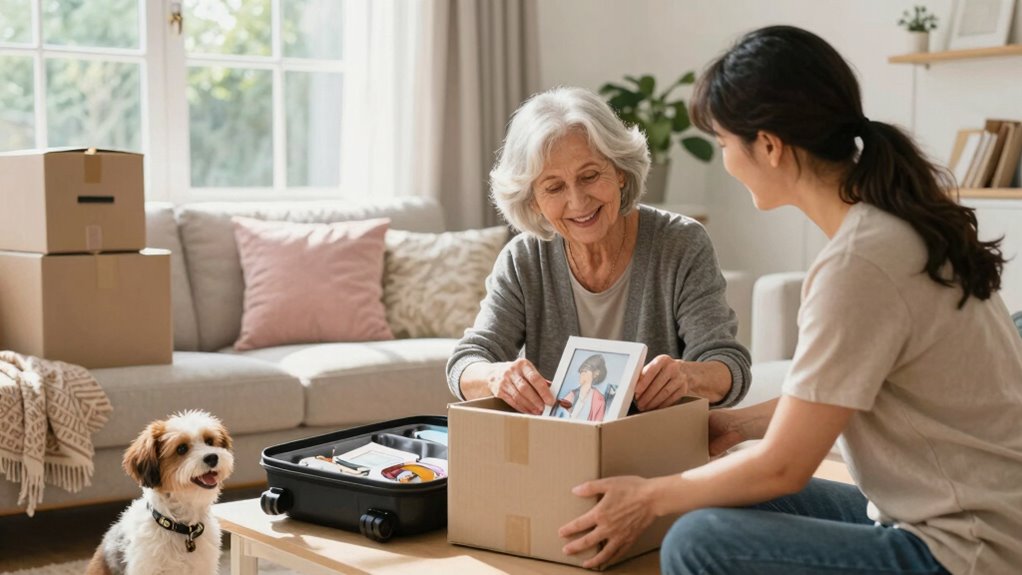
To help your senior feel more prepared for moving day, start by communicating clearly and calmly about what to expect. Focus on building their emotional readiness by discussing the process openly and reassuring them. To make packing smoother, help them gather packing essentials like personal keepsakes, comfortable clothing, and important documents. Consider these tips:
- Involve your senior in packing their favorite belongings to boost emotional readiness.
- Label boxes clearly to reduce confusion during unpacking.
- Create a “moving day kit” with essentials like snacks, water, and necessary medications.
- Incorporate home organization techniques to streamline unpacking and help your senior settle in more efficiently, especially by utilizing smart home safety devices that can make their new environment more secure. Additionally, implementing transition planning strategies can further ease the adjustment process. Using organized storage solutions can also help keep belongings tidy and accessible during the move. Incorporating sustainable textile care practices during packing, such as using eco-friendly packing materials, can also contribute to a more environmentally conscious move.
These steps help ease anxiety and foster a sense of control, making the transition less overwhelming. Clear communication and thoughtful preparation guarantee your senior feels supported and confident for the big day.
As an affiliate, we earn on qualifying purchases.
How to Create a Calm, Supportive Environment on Moving Day

Creating a calm, supportive environment on moving day starts with maintaining a gentle, patient approach. Speak softly, offer reassurance, and give your senior plenty of time to process each step. Incorporate music therapy by playing soothing music to help reduce anxiety and create a relaxing atmosphere. Consider using aromatherapy with calming scents like lavender or chamomile to promote comfort and ease tension. Keep the environment clutter-free and familiar, minimizing chaos that could overwhelm your loved one. Have familiar items nearby, such as a favorite blanket or photo, to provide reassurance. Maintain a steady routine as much as possible, and stay attentive to your senior’s cues. Additionally, anti-fatigue mats can be used in the new space to help reduce physical discomfort and promote safety during the transition. Using household safety tips can further ensure a secure environment as your loved one adjusts to the new setting. Incorporating simple adjustments like accessible pathways and clear signage can significantly help your loved one feel safe and supported throughout this passage. Being mindful of golf heritage and incorporating familiar, comforting elements can also ease the transition and promote a sense of familiarity.
Helping Seniors Adjust and Thrive in Their New Home

To help seniors adjust and thrive in their new home, focus on establishing routines quickly to create familiarity and stability. Encourage social connections by introducing them to neighbors and community groups, which can boost their confidence and happiness. Supporting these efforts helps seniors feel more comfortable and engaged in their new environment. Utilizing signaling devices can also be beneficial in ensuring they can alert others if they need assistance during this transition period. Providing home safety products such as grab bars or emergency alert systems can further enhance their sense of security and independence. Additionally, understanding the importance of emotional well-being can help caregivers tailor support strategies for a smoother adjustment. Recognizing cryptid mysteries and other paranormal phenomena can also offer a comforting distraction or conversation starter, reducing feelings of loneliness or anxiety during this time. Incorporating hydrating ingredients into their daily routine can improve skin health and overall comfort as they settle into their new environment.
Establishing Routines Quickly
When seniors move into a new home, establishing routines quickly can make a significant difference in helping them feel comfortable and secure. To do this effectively, focus on three key steps:
- Create a simple daily schedule to provide structure and predictability. Incorporating familiar activities can help reduce anxiety and foster a sense of normalcy.
- Prioritize consistent meal and sleep times to support health and stability.
- Use emotional support to reassure them during adaptations, easing anxiety. Additionally, engaging in music therapy or other calming activities can enhance their emotional well-being.
- Incorporate digital tools and resources to help seniors stay connected and engaged during their transition.
Fostering Social Connections
Building social connections is essential for seniors to feel at home and thrive in their new environment. You can encourage community engagement by introducing them to local groups, events, or activities that match their interests. Facilitating regular visits from family members helps strengthen bonds and provides emotional support. You might also organize small gatherings or outings that promote interaction with neighbors and staff. When seniors feel connected, they’re more likely to settle in comfortably and develop a sense of belonging. Be proactive in fostering these relationships, as social engagement reduces feelings of loneliness and boosts overall well-being. Incorporating natural settings into outdoor spaces can further enhance their comfort and promote relaxation. Remember, your involvement and encouragement can make a significant difference in helping seniors adjust and thrive in their new community.
Common Moving Challenges and How to Overcome Them

Moving can be overwhelming for seniors, especially because it often involves emotional and physical challenges. You might face packing challenges, emotional resistance, and logistical hurdles. To overcome these, start early to avoid rushing and stress. Break down packing into manageable steps, such as sorting, packing, and labeling. Address emotional resistance by discussing feelings openly and involving loved ones to provide reassurance. Keep familiar items accessible to create a sense of comfort. Consider hiring professional movers to ease physical strain. Staying organized and maintaining open communication helps reduce anxiety and makes the transition smoother. Remember, acknowledging these challenges and planning ahead can turn a formidable move into a positive new beginning.
Frequently Asked Questions
How Early Should the Planning Process Start for Senior Moves?
You should start planning for a senior move at least two to three months in advance. This allows ample time to contemplate timing considerations, coordinate logistics, and involve family or caregivers. A well-structured planning timeline helps reduce stress for everyone involved, guaranteeing a smoother transition. Starting early makes certain you have enough time to address potential challenges, organize belongings, and make necessary arrangements for a successful and trauma-free move.
What Legal Considerations Are Involved in Senior Relocations?
Think of legal considerations as the blueprint for your move. You need to guarantee legal compliance by reviewing estate planning documents, powers of attorney, and guardianship arrangements. It’s vital to update these legal papers to reflect the new living situation and protect your assets. Consulting an elder law attorney helps you navigate regulations, avoid legal pitfalls, and confirm the transition respects your rights, making the move smoother and more secure.
How Can Technology Facilitate a Smoother Moving Experience for Seniors?
You can make the move easier for seniors by using technology like virtual tours, helping them explore new spaces remotely and feel more comfortable. Digital checklists keep everything organized, ensuring nothing gets overlooked during the progression. These tools reduce stress, improve communication, and give seniors a sense of control, making moving less overwhelming and more manageable for everyone involved.
What Role Do Professional Movers Play in Reducing Relocation Trauma?
Think of professional movers as the steady captain guiding you through stormy seas. They play a crucial role in reducing relocation trauma by providing expert packing assistance and handling logistics, so you feel less overwhelmed. Their experience guarantees a smoother shift, minimizing stress for seniors. With their help, you can focus on settling into your new home comfortably, knowing you’re in capable hands to make the move as gentle as possible.
How to Handle Emotional Attachment to Old Home During the Move?
To handle emotional attachment to your old home, focus on emotional coping strategies like sharing memories and expressing feelings. Create a memory preservation plan by taking photos, keeping keepsakes, or writing about your experiences. Allow yourself time to grieve and celebrate the good times. Staying connected to your past while embracing your new environment helps ease the shift, making it a meaningful part of your journey.
Conclusion
Moving can feel overwhelming, but with proper planning, you can make the process smoother and less stressful for your senior loved one. Remember, taking small steps and staying patient helps ease anxiety and creates a positive experience. If you think your loved one might struggle, seeking support from professionals or support groups can make all the difference. With your care and preparation, their shift will be safer, calmer, and more comfortable.
Evergreen bestsellers Picks
bestsellers
As an affiliate, we earn on qualifying purchases.