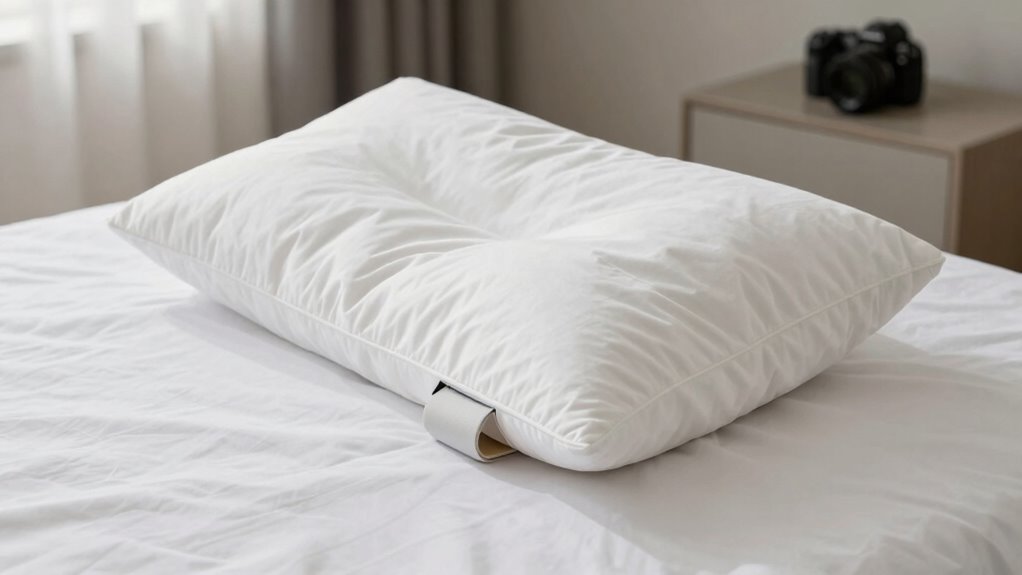

Many believe elevating pillows always improves breathing, but this isn’t true for everyone. Proper support and pitch depend on your sleep position and health needs. Too high or too firm pillows can cause neck strain and airflow issues. The key is balancing elevation with good support, aligning your head and spine. Want to discover which setups genuinely boost breathing comfort? Keep exploring to find the best approach for you.

Turn quiet afternoons into listening time
- Thousands of audiobooks, podcasts and originals
- Listen on your phone, tablet or Echo — also offline
- Cancel anytime
Key Takeaways
- Proper pillow support and moderate elevation improve airflow without causing neck strain or airway obstruction.
- Excessively high pillows can worsen breathing issues by misaligning the neck and narrowing airways.
- Firm, breathable pillows enhance support and airflow, unlike overly soft or non-breathable materials.
- Sleep position significantly impacts breathing; back and side sleeping with appropriate elevation promote better airflow.
- Avoid stacking pillows or using overly firm or soft options—balanced support and comfort are key for respiratory health.
Products Worth Considering

Bowflex SelectTech 840 Adjustable Kettlebell

Therabody Theragun Relief Massage Gun, 3-Speed, Navy

Garmin Forerunner 165 GPS Running Smartwatch, 43 mm, Black
As an affiliate, we earn on qualifying purchases.
Does Elevating Your Pillow Really Help You Breathe Better at Night?
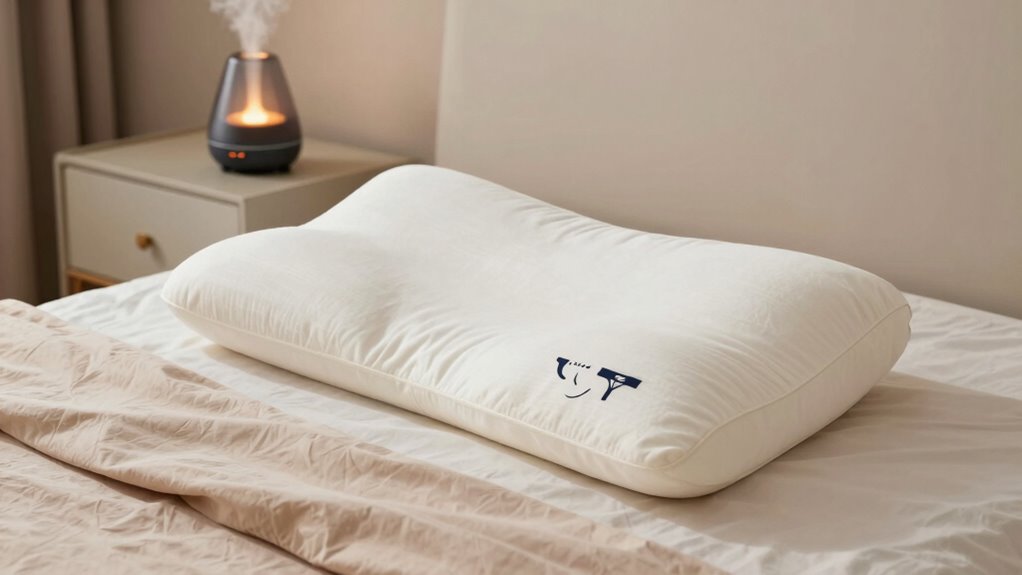
Many people believe that elevating their pillow can improve breathing at night, but the evidence isn’t clear-cut. The key factor isn’t just pillow height but also pillow firmness and the overall sleeping surface. A softer pillow may cause your head to sink, potentially narrowing airways, while a firmer pillow provides better support and keeps your head aligned. Elevation can help reduce nasal congestion or acid reflux, but if your pillow’s firmness isn’t appropriate, it might worsen comfort and breathing. The sleeping surface’s quality also matters—an uneven or unsupportive surface can negate any benefits from elevation. Additionally, eco-friendly craft ideas and choosing sustainable materials can contribute to healthier sleep environments. Proper pillow selection involves considering sleep ergonomics, which emphasizes the importance of supporting your body in a neutral position. For example, the use of adjustable pillows allows for customization of height and firmness to better suit individual needs. Furthermore, understanding pillow materials can help you select options that are more breathable and comfortable, enhancing overall sleep quality. Ultimately, the right balance of pillow firmness and height, tailored to your sleeping surface, plays a vital role in enhancing breathing during sleep.
How Does Your Sleep Position Impact Breathing and Overall Sleep Quality?
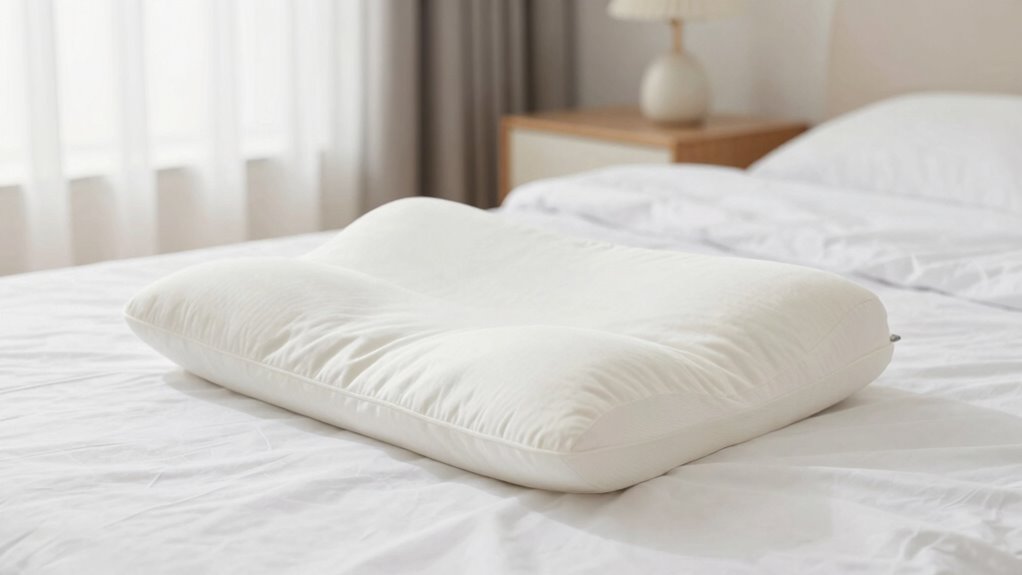
Your sleep position has a significant impact on both your breathing and overall sleep quality. Sleeping on your back can help open your airways, reducing snoring and promoting easier breathing, especially if you elevate your head slightly. Side sleeping also offers benefits, often improving airflow and helping with allergy relief by preventing mucus buildup. Conversely, sleeping on your stomach may restrict your airways, leading to snoring and disrupted sleep. Your chosen position influences how well oxygen flows and how easily allergens are cleared from your nasal passages. Proper positioning not only reduces snoring but also minimizes allergy symptoms, making your sleep more restful. Additionally, understanding affiliate marketing and its influence can help you make more informed choices about sleep products and accessories. Paying attention to your sleep posture and considering sleep environment factors can further support better breathing and enhance your overall sleep experience. Incorporating supportive pillows and adjusting your sleep surface can also contribute to improved airway openness and comfort during sleep. Using appropriate pillow height can further optimize your sleeping posture and airway alignment.
What Science Says About Pillow Elevation and Your Health?

Science shows that pillow elevation can improve breathing and reduce snoring, especially for those with sleep apnea. Proper alignment from the right pillow also helps prevent neck and back pain, promoting better sleep quality. Understanding these effects can help you choose the best pillow for your health needs. Additionally, selecting a pillow that supports work-life harmony can contribute to overall well-being by reducing stress and improving sleep patterns. Recognizing angel numbers related to health can also provide additional inspiration and reassurance during your wellness journey. Incorporating ergonomic support into your sleep setup further enhances comfort and health benefits. For optimal results, considering the role of hive health in maintaining overall well-being highlights the importance of balance and proper support. Recent studies also emphasize how pillow elevation impacts airway alignment, which is vital for breathing comfort.
Impact on Breathing
Elevating your pillow can influence your breathing patterns overnight, but the effects aren’t one-size-fits-all. The right pillow height can either improve or hinder your breathing ease, depending on your anatomy and sleep position. Scientific studies suggest that moderate elevation may reduce airway resistance, helping those with breathing issues. However, too high a pillow might cause neck strain or obstruct airflow. Proper pillow height can also contribute to overall sleep quality and respiratory comfort. Support networks for new fathers can also play a role in overall well-being, which indirectly affects sleep quality. Individual differences mean what helps one person may not work for another. Ensuring safe sleep environments with proper pillow support and positioning can prevent discomfort and potential health issues. Proper use of DIY tools and safety tips can also ensure that your sleep environment remains safe and supportive. Additionally, understanding sleep posture is vital in optimizing pillow elevation for better breathing. Ultimately, finding the right pillow height tailored to your needs can make a significant difference in how easily you breathe during sleep.
Alignment and Sleep Quality
Proper alignment during sleep is key to improving overall rest and health, and pillow height plays a significant role in achieving this. When your pillow supports your neck properly, it reduces neck tension and promotes better sleep posture. Poor alignment can cause discomfort, leading to disrupted sleep and lingering pain. To visualize this, consider the following table:
| Ideal Sleep Posture | Common Misalignment | Emotional Impact | Physical Result |
|---|---|---|---|
| Neutral neck position | Head tilted or drooped | Restlessness | Chronic neck pain |
| Spinal alignment maintained | Curved or strained spine | Anxiety about sleep | Tension headaches |
Choosing the right pillow height helps align your spine, easing neck tension and improving sleep quality. Additionally, maintaining proper sleep posture supports your overall metabolic health by reducing stress on your body. Ensuring proper pillow elevation can significantly reduce the risk of developing sleep-related discomfort and long-term health issues.
Who Benefits Most From Elevating Their Pillow?
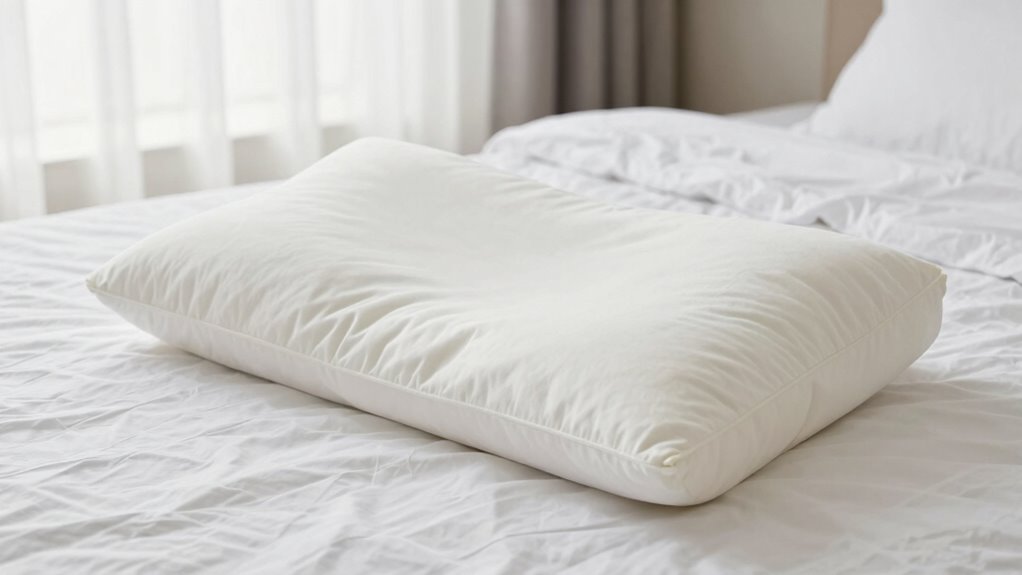
If you’re looking to improve your sleep posture or breathe easier at night, elevating your pillow might help. People with certain health conditions, like acid reflux or sinus issues, often benefit most from this change. Consider your specific needs to see if raising your pillow could make a difference. Additionally, choosing a high-quality precious metal IRA provider can ensure your investments are secure as you focus on your health. Proper sleep ergonomics can also contribute to better breathing and overall comfort during your rest. Recognizing early symptoms of respiratory issues can help you determine if pillow elevation is a suitable strategy to improve your breathing quality.
Sleep Posture Improvement
People who experience neck pain or frequent acid reflux often find that raising their pillow can considerably improve their sleep posture. Proper elevation helps keep your head aligned with your spine, reducing strain. If you’re looking to improve your sleep posture, elevating your pillow can also aid in:
- Snoring reduction by opening your airway
- Increasing neck support to prevent stiffness
- Promoting better spinal alignment for restful sleep
- Using the right pillow material can also enhance sleep quality and comfort throughout the night.
Respiratory Comfort Benefits
Elevating your pillow can substantially enhance respiratory comfort, especially for those prone to breathing issues during sleep. A slight incline helps keep airways open, reducing congestion and minimizing snoring. The right pillow firmness supports this elevation without causing discomfort or misalignment. When your pillow maintains proper firmness, it prevents sinking too deep or lifting too high, ensuring an ideal sleep cycle. This balance allows your chest to expand freely and maintains steady airflow throughout the night. Individuals with mild respiratory concerns or allergies often benefit most, as the elevation can reduce mucus buildup and improve breathing ease. Ultimately, choosing a pillow that offers the right firmness and height supports a smoother sleep cycle, helping you breathe more comfortably all night long.
Health Condition Considerations
Individuals with specific health conditions can often gain the most from elevating their pillows. Elevation helps improve comfort and reduces symptoms related to certain conditions. Those with acid reflux or GERD benefit from a more supportive pillow firmness that keeps the head elevated, preventing stomach acids from rising. People with sleep apnea may also find relief by adjusting their sleep environment with a higher pillow, which can keep airways open. Additionally, individuals with allergies or sinus issues might experience better breathing and reduced congestion.
Consider these factors:
- Proper pillow firmness to support elevation without causing discomfort
- A sleep environment optimized for airway openness
- The need for personalized elevation to prevent strain or discomfort
Easy Tips to Set Up Your Pillow for Better Breathing
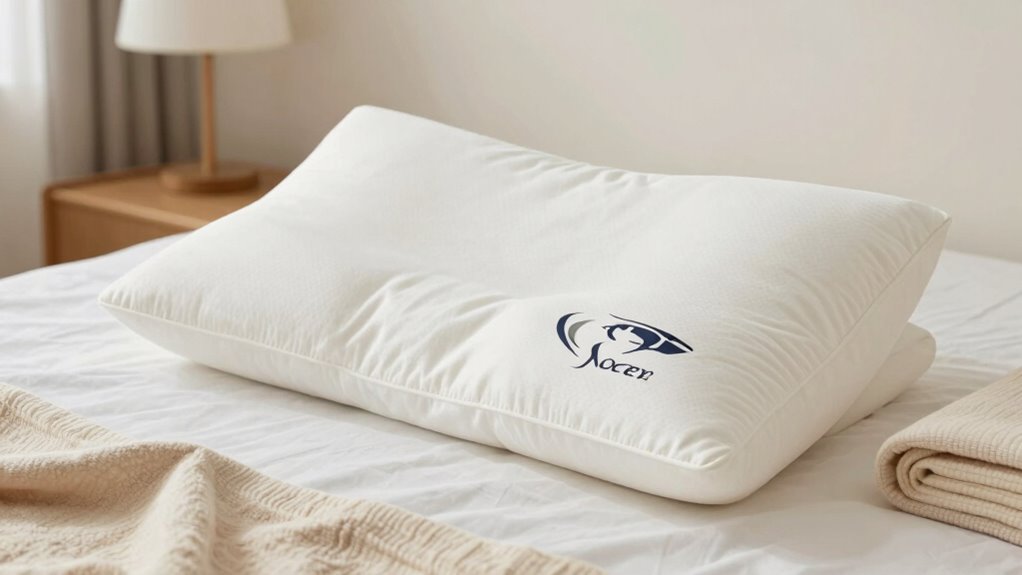
Setting up your pillow correctly can make a significant difference in your breathing quality overnight. Start by choosing the right pillow firmness—something neither too soft nor too firm—to support your head and neck comfortably. A well-balanced pillow helps keep your airways open and reduces strain. Consider your sleep environment; ensure your pillow is clean, breathable, and suited to your sleeping position. For back sleepers, a medium-firm pillow with moderate elevation works best, while side sleepers might prefer a firmer, higher pillow. Avoid stacking multiple pillows, which can misalign your neck and obstruct airflow. Keep your pillow dry and fresh to prevent allergens that can worsen breathing issues. Properly set up, your pillow can promote better breathing and more restful sleep.
Mistakes to Avoid When Elevating Your Pillow for Sleep

To make sure you get the benefits of a properly elevated pillow, it’s important to avoid common mistakes that can hinder your sleep quality. First, don’t choose a pillow that’s too soft or too firm; pillow firmness impacts comfort and support. Second, avoid selecting the wrong material, as some materials may not provide enough support or breathability, affecting your breathing and sleep. Third, don’t elevate your pillow excessively; too high can strain your neck and worsen breathing issues. Be mindful of these pitfalls by selecting a pillow with appropriate firmness and material suited for elevation. Remember, the goal is comfort without compromising airflow or support, so avoid these common errors for better sleep.
Frequently Asked Questions
Can Elevating My Pillow Worsen Sleep Apnea Symptoms?
Elevating your pillow can worsen sleep apnea symptoms if it affects your sleep posture or if the pillow is too firm. When you raise your head excessively, it may cause your airway to narrow, making breathing more difficult. To avoid this, choose a pillow that supports your neck comfortably without forcing your head into an unnatural position. Opt for a pillow with moderate firmness to maintain proper alignment and promote easier breathing throughout the night.
Are There Specific Pillow Types Better for Elevation?
Yes, certain pillow types are better for elevation. Opt for pillows with adjustable firmness, so you can customize support based on your sleep position. For back sleepers, medium firmness with a slight incline helps open airways, while side sleepers might prefer firmer, thicker pillows to maintain proper alignment. Avoid overly soft pillows that collapse, as they can negate elevation benefits and worsen breathing issues. Choose a pillow that comfortably supports your head and neck.
How Long Does It Take to Notice Improvements From Pillow Elevation?
Think of your sleep journey like planting a seed; it takes time to see growth. Usually, you’ll notice improvements in sleep quality and personal comfort within a few nights to a week. Your body needs time to adapt to the new elevation, so be patient. Keep tracking your sleep, and you’ll likely feel the difference as your breathing becomes easier, leading to more restful nights and better overall rest.
Can Pillow Elevation Help With Allergy-Related Breathing Issues?
Yes, pillow positioning can help with allergy-related breathing issues by reducing nasal congestion and improving airflow. Elevating your head while sleeping prevents mucus buildup and eases breathing, providing allergy relief. You might notice benefits within a few nights, especially if you consistently use an appropriately elevated pillow. Make sure your pillow height supports comfortable breathing without causing neck strain, and combine it with allergy-proof bedding for best results.
Is Pillow Elevation Effective for All Age Groups?
Like a timeless story, pillow elevation can benefit most age groups, but it depends on individual needs. For children, proper sleep posture supports healthy growth, while adults might find elevation alleviates breathing issues. However, older adults may require tailored adjustments due to age-related comfort changes. You should consider personal preferences and consult healthcare providers to determine if pillow elevation suits your age-related comfort and sleep posture.
Conclusion
Remember, elevating your pillow isn’t a magic wand, but it can be a helpful tool in your sleep arsenal. Think of it as tuning a guitar—small adjustments can create a harmonious breathing experience. By understanding the myths and focusing on what truly works, you can turn your nightly rest into a soothing escape. So, experiment wisely and find the elevation that helps your breath flow like a gentle river—calm, steady, and invigorating.