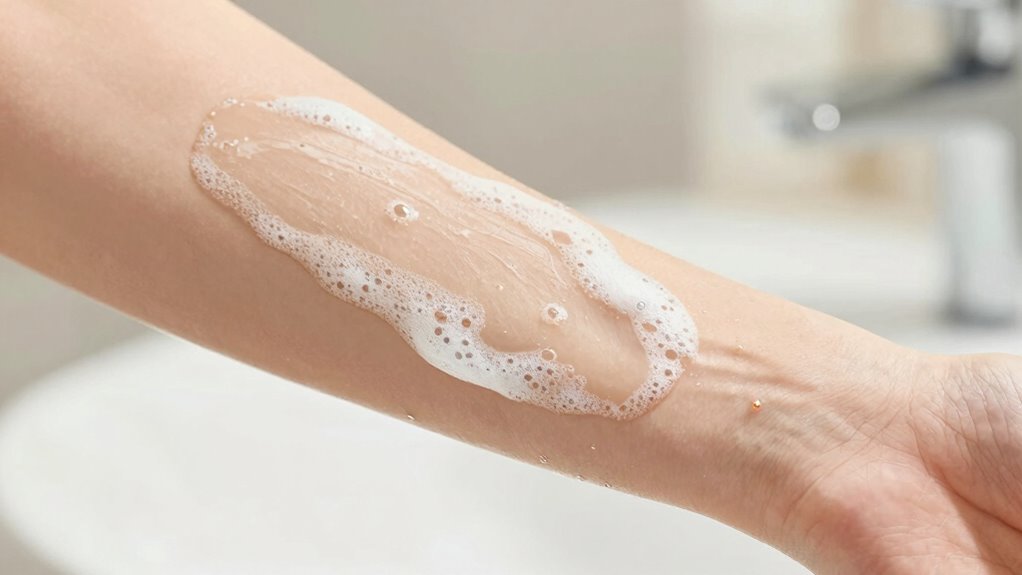

To protect fragile skin from breakdown, practice gentle hygiene routines using mild, pH-balanced cleansers and lukewarm water. Pat skin dry carefully and apply moisturizers immediately to lock in hydration. Wear soft, breathable clothing and bedding, and avoid irritants like harsh chemicals and fragrances. Proper bathing techniques, consistent hydration, and skin barrier support are essential. If you want to learn more about maintaining healthy, resilient skin, keep exploring these tips further.
Key Takeaways
- Use gentle, fragrance-free cleansers with lukewarm water to prevent irritation and maintain skin integrity.
- Apply moisturizers immediately after bathing to lock in hydration and support the skin barrier.
- Choose soft, breathable fabrics and hypoallergenic detergents to reduce irritation from clothing and bedding.
- Limit bath duration and avoid hot water to protect the skin’s natural moisture and prevent dryness.
- Regularly monitor skin for signs of irritation or infection, and seek medical advice for persistent issues.
Why Fragile Skin Needs Gentle Hygiene Practices
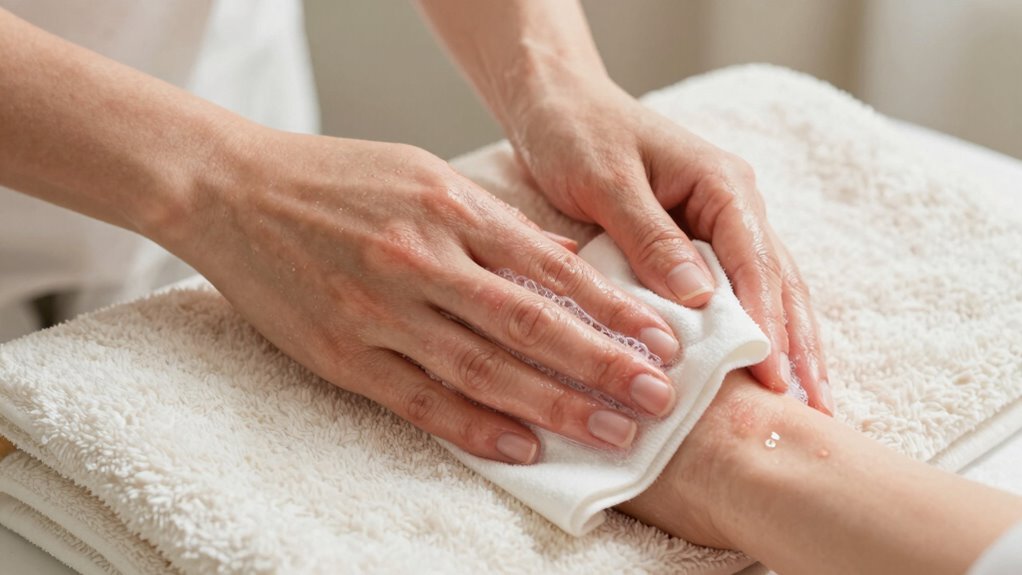
Fragile skin requires gentle hygiene practices because it is more sensitive and prone to irritation. When you use harsh cleansers or scrubbing, you risk damaging your skin barrier, which is essential for protection against environmental stressors and bacteria. Maintaining your skin’s pH balance is equally important; overly alkaline products can disrupt this delicate equilibrium, leading to dryness, redness, and increased vulnerability. Gentle cleansers that support your skin’s natural acidity help preserve the integrity of your skin barrier. By avoiding aggressive ingredients and opting for mild, pH-balanced products, you safeguard your skin’s health. Using appropriate skincare products specifically formulated for sensitive skin can further enhance your skin’s resilience. Incorporating natural skincare ingredients that are gentle and nourishing can provide additional protection and support your skin’s recovery. This approach reduces irritation, keeps your skin hydrated, and helps prevent further damage, ensuring your skin remains resilient and comfortable throughout the day. Additionally, understanding the importance of skin barrier health can guide you in choosing the right products and routines to maintain optimal skin integrity. Being mindful of skin pH levels can also help prevent imbalances that compromise your skin’s defenses. Paying attention to environmental factors such as humidity and temperature can further support your skin’s delicate balance and overall health.
How to Choose the Best Cleansers for Sensitive, Fragile Skin
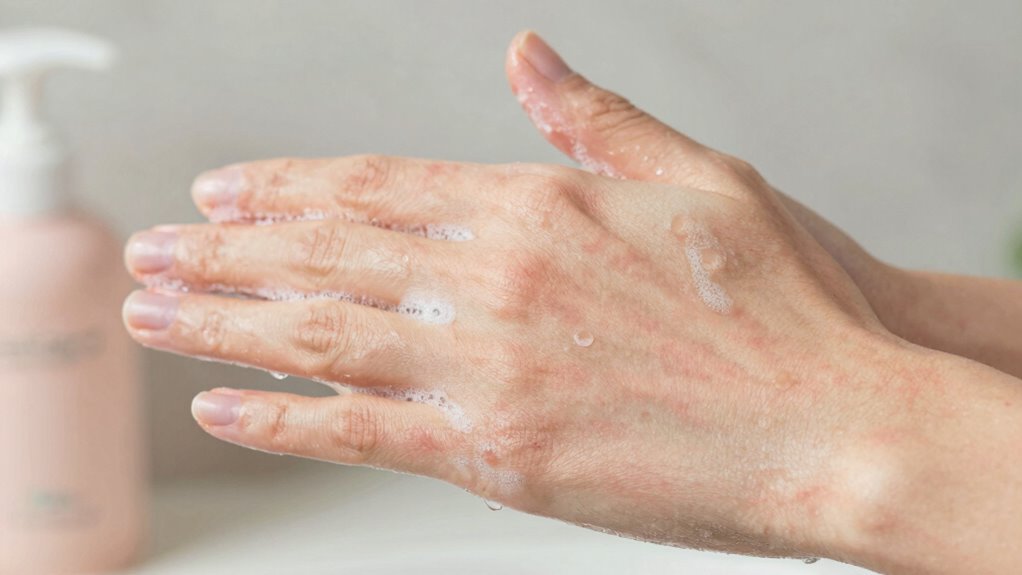
When selecting cleansers for sensitive, fragile skin, you should focus on gentle ingredients that soothe rather than irritate. Look for formulas that are pH-balanced to maintain your skin’s natural barrier. This way, you can keep your skin clean without compromising its delicate condition. Additionally, being aware of ethical considerations in ingredient sourcing can help you choose products that align with responsible consumer habits. Incorporating soothing essential oils like lavender or chamomile in your skincare routine can further support your skin’s health by calming irritation and reducing inflammation. Regularly checking filter maintenance protocols in your skincare tools can also help ensure they remain effective and safe for sensitive skin.
Gentle Ingredient Selection
Choosing the right cleanser for sensitive, fragile skin begins with understanding the importance of gentle ingredients. Look for fragrance free products, as fragrances can cause irritation and exacerbate skin issues. Opt for formulas that include natural remedies, which often contain soothing botanicals and fewer chemicals. These ingredients help cleanse without stripping away essential moisture or disrupting your skin’s delicate barrier. Avoid harsh surfactants and preservatives that can cause dryness or redness. Instead, select products with calming ingredients like aloe vera or chamomile, which work to soothe irritation. Additionally, choosing cleansers with hypoallergenic formulations can reduce the risk of allergic reactions and further protect sensitive skin. Always read labels carefully, prioritizing products specifically designed for sensitive skin. By choosing cleansers with gentle, natural ingredients, you protect your skin’s health and maintain its fragile balance.
pH-Balanced Formulas
Since your skin’s natural barrier functions best within a specific pH range, selecting cleansers with the right pH balance is essential for sensitive, fragile skin. Look for pH balanced formulas that support your skin’s protective layer and reduce irritation. When choosing a cleanser, prioritize:
- Fragrance free products to avoid unnecessary irritants
- Products labeled as pH balanced formulas to maintain skin stability
- Gentle, sulfate-free options that won’t strip your skin’s natural oils
- Soothing ingredients that help strengthen your skin barrier
- pH balance plays a crucial role in maintaining your skin’s overall health and resilience. Additionally, selecting products that help minimize microplastic accumulation can further support skin health and reduce potential irritants. Incorporating skincare products with environmentally friendly ingredients aligns with sustainable practices that benefit both your skin and the planet.
Proper Bathing Techniques to Avoid Skin Damage
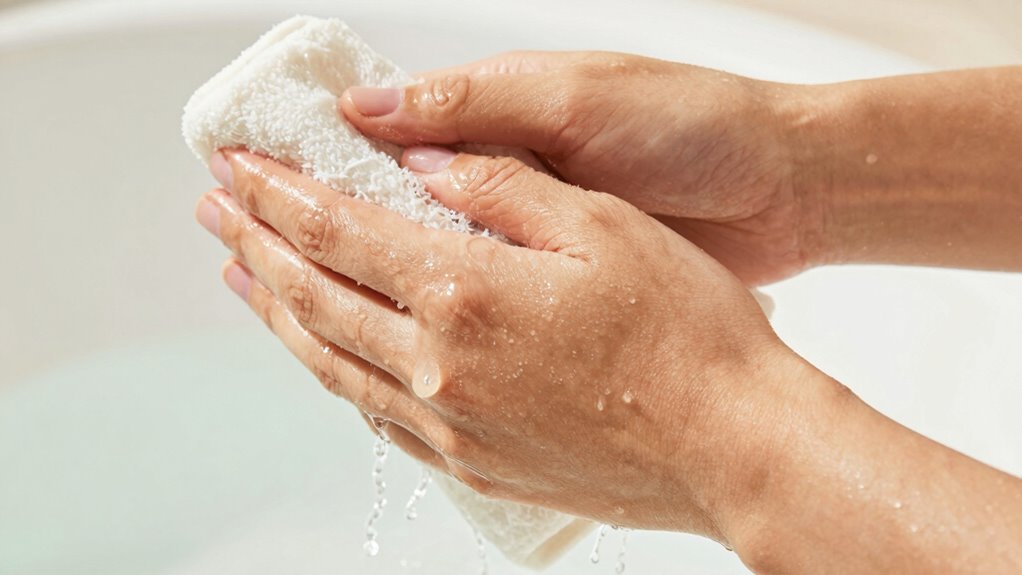
To protect your skin, use lukewarm water instead of hot, which can strip away natural oils. Keep your bath short—around 10 to 15 minutes—to prevent dryness and irritation. Choose gentle cleansers that are formulated for sensitive skin to avoid unnecessary damage.
Use Lukewarm Water
Using water that’s too hot can strip your skin of its natural oils, leading to dryness and irritation. Instead, opt for lukewarm water to protect your fragile skin. This temperature helps you achieve gentle rinsing without causing damage. Here are four reasons why this matters: 1. Keeps your skin soft and moisturized. 2. Prevents redness and inflammation. 3. Reduces risk of skin tears and breakdown. 4. Maintains the skin’s natural barrier, promoting healing. Proper bathing techniques, such as selecting the right water temperature, are essential for maintaining skin health. Additionally, choosing appropriate bathing products can further support skin integrity and prevent irritation. Using humidity control measures can also help preserve your skin’s moisture levels, especially in dry indoor environments. Incorporating gentle cleansing practices can further minimize irritation and protect sensitive skin.
Limit Bath Duration
Prolonged bathing can strip your skin of its natural oils, leading to dryness and irritation. To maintain skin safety, keep your bath time short—about 10 to 15 minutes is ideal. Longer baths can weaken the skin’s barrier, making it more vulnerable to damage. When you soak too long, you risk removing essential oils that keep your skin hydrated and protected. Be mindful of how long you stay in the water, especially if your skin is fragile or sensitive. Using a timer can help you stick to a safe duration. Remember, quick baths can still be effective for cleansing while preserving your skin’s natural moisture. Limiting your bath time is a simple but vital step in protecting delicate skin from breakdown. Incorporating proper bathing techniques and understanding skin barrier health can further enhance your skin’s health and resilience. Additionally, skin barrier repair strategies can help restore and maintain your skin’s protective layer after exposure to water. Regularly applying emollients can also support your skin’s moisture retention, especially after bathing. Furthermore, choosing gentle skin care products can prevent unnecessary irritation and support barrier function.
Gentle Cleansers Preferred
Choosing gentle cleansers is essential for maintaining healthy skin during bathing. Opt for fragrance-free products and alcohol-free cleansers to minimize irritation and preserve your skin’s natural barrier. When selecting a cleanser, keep these in mind:
- Feel confident knowing you’re using products that won’t cause allergic reactions or dryness.
- Protect your delicate skin with formulas free from harsh chemicals and artificial scents. Incorporating skin-friendly ingredients can further enhance your skin’s resilience.
- Feel empowered by choosing gentle cleansers that nurture your skin, not strip it of moisture. Additionally, understanding skin barrier functions can help you select the most suitable products. Knowing how the skin’s protective barrier works is key to preventing damage.
- Enjoy peace of mind, knowing your bathing routine promotes healing and prevents breakdown. Considering gentle cleaning methods can also help reduce skin stress.
- Incorporate proper bathing techniques to further safeguard fragile skin from damage and irritation. Regularly evaluating your routine can help you identify potential irritants and adapt accordingly.
Switching to these mild options helps you avoid unnecessary damage and keeps your skin resilient and comfortable. Remember, gentle cleansing is a crucial step in skin care—treat your skin kindly.
Tips to Keep Fragile Skin Hydrated and Strengthen Its Barrier
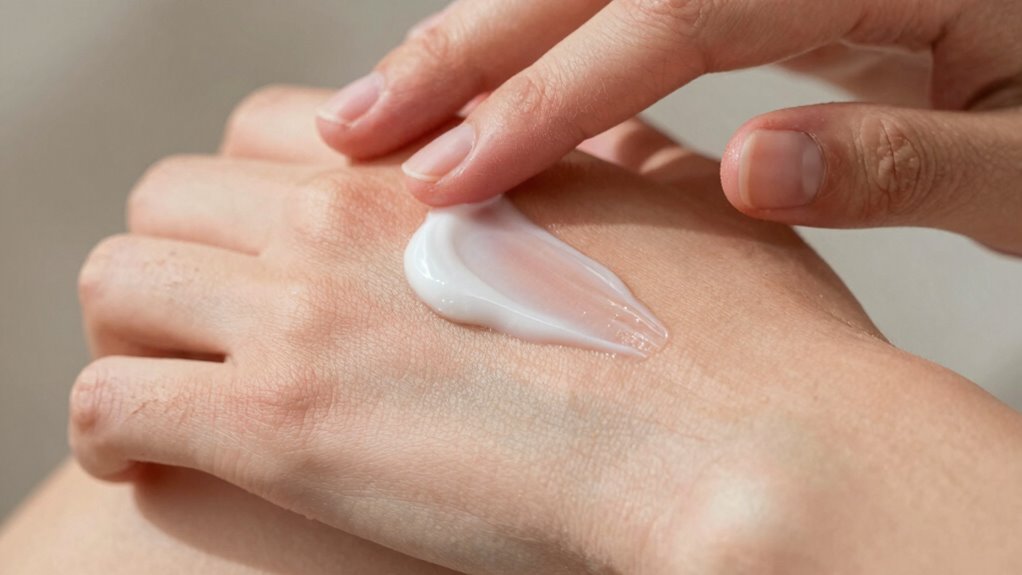
Fragile skin needs extra care to stay hydrated and maintain its protective barrier. To do this, use a gentle skin moisturizer regularly to lock in moisture and prevent dryness. Look for products containing ingredients like ceramides or hyaluronic acid, which support barrier repair. Avoid harsh soaps and hot water, as they strip natural oils and weaken your skin’s defense. Instead, wash with lukewarm water and a mild cleanser designed for sensitive skin. Applying moisturizer immediately after cleansing helps seal in hydration and promotes barrier strength. Consistent hydration and barrier repair are essential for preventing skin breakdown. By keeping your skin well-moisturized and protected, you support its natural ability to defend against irritants and maintain a healthy, resilient surface.
The Importance of Soft, Clean Clothing and Bedding for Sensitive Skin

Choosing soft, breathable fabrics can help prevent irritation on sensitive skin. Make sure to wash your clothing and bedding regularly to remove dirt and allergens. Using hypoallergenic detergents further reduces the risk of reactions and keeps your skin comfortable. Additionally, selecting vetting processes from reputable providers can offer you a secure way to diversify your financial portfolio.
Choose Gentle Fabric Types
Since your skin can be sensitive to rough or irritating fabrics, selecting soft, gentle materials for your clothing and bedding is essential. Fabric softness directly impacts your comfort and helps prevent skin breakdown. When choosing clothing, consider these important points:
- Opt for natural fibers like cotton or bamboo, which feel gentle against your skin.
- Avoid rough or synthetic fabrics that can cause irritation.
- Ensure clothing layers are lightweight and breathable to reduce friction.
- Look for labels indicating hypoallergenic or sensitive-skin-friendly materials.
Wash Clothing Regularly
Washing your clothing regularly helps maintain the softness and cleanliness that your sensitive skin needs. Use gentle laundry methods, including appropriate laundry temperature, to guarantee dirt and bacteria are effectively removed without damaging delicate fabrics. Incorporate fabric softeners to help keep clothing smooth and reduce friction that can irritate fragile skin. Be cautious with the amount you use, as some softeners can cause irritation if over-applied. Regular washing prevents buildup of sweat, oils, and allergens that can trigger skin issues. Aim for a routine that balances thorough cleaning with gentle care, maintaining the integrity of your fabrics. Clean, soft clothing and bedding create a protective barrier that minimizes skin breakdown and promotes overall skin health.
Use Hypoallergenic Detergents
To protect sensitive skin, using hypoallergenic detergents is essential because they minimize the risk of irritation caused by harsh chemicals and fragrances. Opting for skin friendly cleaning guarantees your clothing and bedding stay soft and safe for delicate skin. Consider these key benefits:
- You reduce itching and redness caused by irritants.
- Your skin stays calm and less prone to flare-ups.
- Soft, clean fabrics feel soothing against your skin.
- You create a safe environment, lowering the chance of infections or allergic reactions.
Common Irritants and Chemicals to Avoid on Fragile Skin
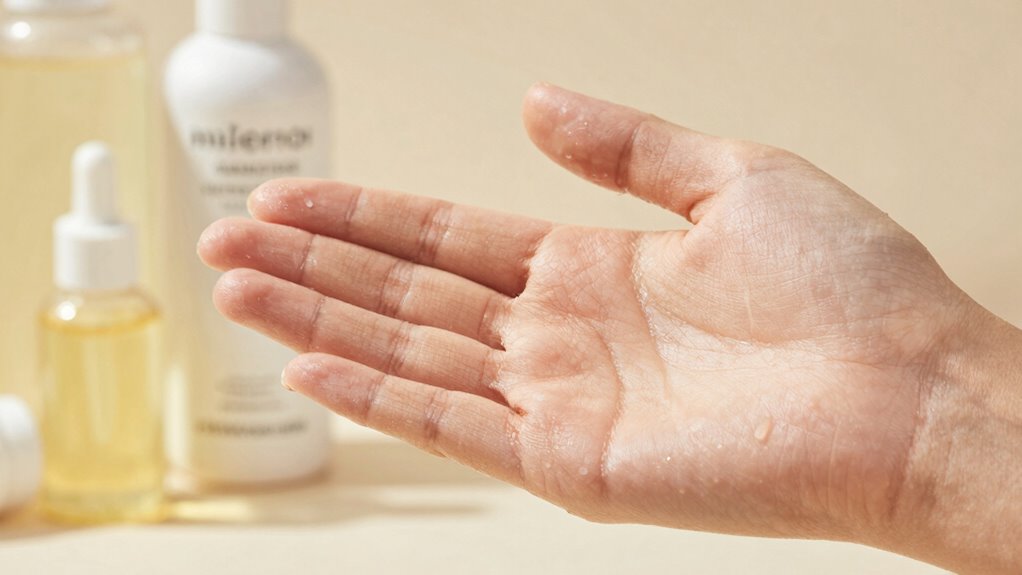
Fragile skin can easily react to certain irritants and chemicals, making it essential to be vigilant about ingredient lists and product labels. Avoid products with harsh chemicals that can strip natural oils or cause irritation. Synthetic fragrances are common culprits, often triggering redness and discomfort. Check labels thoroughly and opt for gentle, fragrance-free options whenever possible. Be cautious about ingredients like alcohol, sulfates, and parabens, which can worsen skin sensitivity. Here’s a quick guide:
| Irritants to Avoid | Alternatives |
|---|---|
| Harsh chemicals | Natural, soothing ingredients |
| Synthetic fragrances | Fragrance-free products |
| Alcohol-based formulas | Alcohol-free formulations |
| Sulfates | Gentle cleansers |
| Parabens | Paraben-free options |
Staying aware helps protect your fragile skin from unnecessary damage.
How to Manage Skin Breakouts and Sores Safely
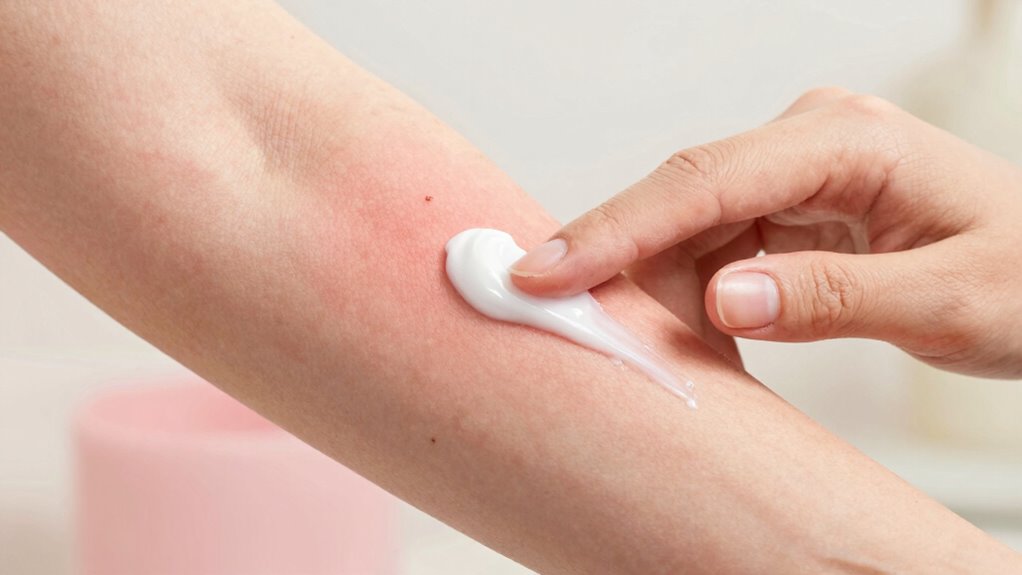
When managing skin breakouts and sores, choosing gentle, non-irritating products becomes even more important, especially if your skin is sensitive or prone to reactions. Proper care involves balancing moisture to prevent dryness or excess oil, which can worsen breakouts. It’s vital to manage infections carefully, avoiding harsh scrubbing that can worsen sores. Here are four essential steps:
- Use mild, fragrance-free cleansers to soothe your skin.
- Keep sores clean and dry, applying prescribed topical treatments.
- Avoid picking or scratching to prevent scarring and further infection.
- Moisturize with gentle, non-comedogenic products to maintain balance and protect your skin’s barrier.
Following these tips helps you manage breakouts safely while supporting your skin’s healing process and preventing further damage.
Best Practices for Skin Care When You Have Incontinence

Managing skin care with incontinence requires consistent and gentle practices to prevent irritation and infections. Focus on maintaining your skin barrier by gently cleaning the affected area with mild, fragrance-free products. Pat your skin dry carefully to support moisture retention without rubbing, which can cause damage. Applying a barrier cream or ointment can help protect your skin from moisture and irritants. It’s essential to change soiled clothing or pads promptly to reduce prolonged exposure to moisture. Keep the skin dry and well-ventilated to foster healing and prevent breakdown. Regular monitoring of your skin’s condition allows early detection of issues. By following these best practices, you help preserve your skin’s integrity and comfort, reducing the risk of skin breakdown caused by incontinence.
When Should You See a Doctor About Skin Concerns?
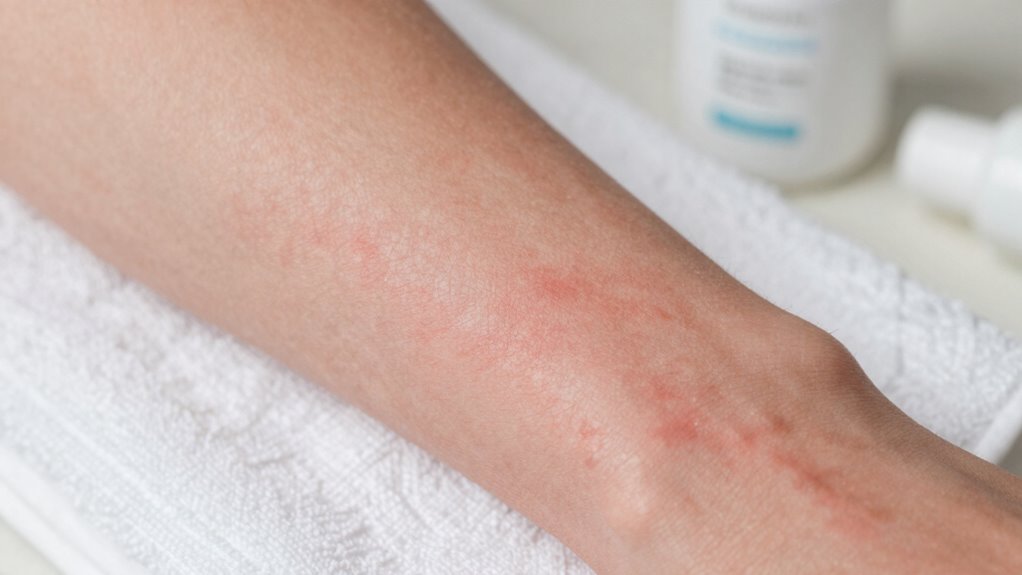
While good skin hygiene practices can often resolve minor irritations, it’s important to recognize when a skin concern warrants professional attention. You should see a doctor if:
- You notice a persistent or worsening skin rash that doesn’t improve with basic care.
- There are signs of a skin infection, such as increased redness, swelling, warmth, or pus.
- The skin becomes painful, blistered, or starts to break down, risking further damage.
- You experience fever or chills alongside skin issues, indicating a possible systemic infection.
Ignoring these symptoms can lead to serious complications or delayed healing. Trust your instincts—timely medical intervention can prevent minor issues from turning into major health concerns.
Creating an Easy Daily Hygiene Routine for Fragile, Sensitive Skin
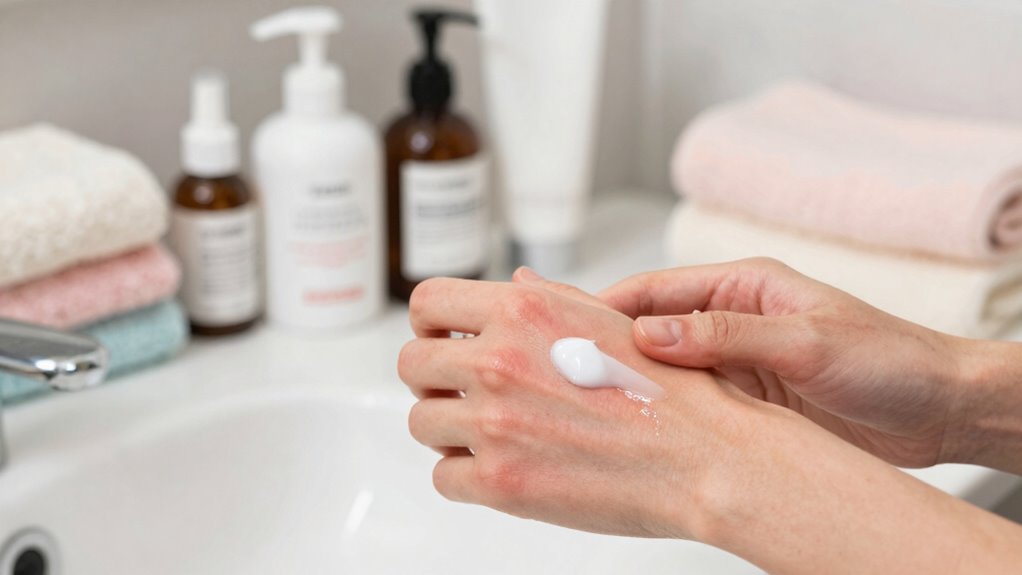
If you have fragile or sensitive skin, establishing a gentle and consistent hygiene routine is essential to prevent irritation and discomfort. Start by choosing a moisturizer suited for sensitive skin; look for products with minimal fragrances and soothing ingredients like aloe or ceramides. When cleansing, use lukewarm water and a mild, fragrance-free cleanser to avoid stripping your skin’s natural oils. After bathing, gently pat your skin dry and apply your moisturizer to lock in moisture. Don’t forget sun protection—apply a broad-spectrum, mineral-based sunscreen daily, even on cloudy days, to shield your skin from UV damage. Consistency is key, so stick to this routine every day to maintain healthy, protected skin and reduce the risk of irritation or breakdown.
Frequently Asked Questions
Can Certain Foods Impact Fragile Skin’s Health and Appearance?
Yes, your diet influence can markedly impact fragile skin’s health and appearance. Consuming foods rich in vitamins C, E, and omega-3s helps strengthen skin. However, food sensitivities may trigger inflammation, worsening skin fragility. Avoid processed foods and excessive sugars, which can harm your skin. Focus on a balanced diet with fresh fruits, vegetables, and healthy fats to support skin resilience and reduce the risk of breakdown.
How Does Stress Affect Skin Vulnerability and Healing?
Stress impacts your skin by increasing inflammation, which makes it more vulnerable and harder to heal. When you’re stressed, your body releases hormones that can impair cell repair and slow down healing challenges. This means your fragile skin becomes more prone to breakdown and takes longer to recover from irritations or injuries. Managing stress through relaxation techniques and proper skincare helps support your skin’s resilience and speeds up healing.
Are There Specific Supplements Beneficial for Fragile Skin?
Yes, certain nutritional supplements can benefit fragile skin. You should consider taking skin vitamins like biotin, vitamin E, and vitamin C, which support skin strength and repair. These supplements help boost collagen production, improve elasticity, and protect against environmental damage. Incorporating these into your routine can strengthen fragile skin, reduce the risk of breakdown, and promote faster healing. Always consult your healthcare provider before starting new supplements to guarantee they’re right for you.
What Role Do Environmental Factors Play in Skin Breakdown?
Environmental factors like humidity levels and pollution exposure profoundly impact your skin’s health. Low humidity can dry out your skin, making it more prone to breakdown, while high humidity may cause irritation. Pollution introduces harmful particles that can damage your skin’s barrier. By protecting your skin from harsh environmental elements—using moisturizers and barrier creams—you help prevent skin breakdown and keep your skin healthier and more resilient.
How Can I Tell if My Skincare Products Are Causing Irritation?
Like a knight wary of treacherous waters, you should watch for signs of product irritation. If your skin turns red, itchy, or feels burning after using a skincare product, it might be due to ingredient sensitivity. To identify if your products cause irritation, stop using them one at a time and observe your skin’s response. Patch testing new products on a small area first can also help prevent adverse reactions.
Conclusion
By nurturing your delicate skin with gentle habits, you become a vigilant gardener tending to a fragile bloom. Every careful cleanse, soft fabric, and hydration boost fortifies your skin’s fragile fortress against the storms of daily life. Remember, your routine is the gentle rain that sustains this precious bloom—patience and kindness are your best tools. With mindful care, you’ll keep your skin resilient, vibrant, and resilient, blooming beautifully despite the challenges it faces.