
TL;DR

Turn quiet afternoons into listening time
- Thousands of audiobooks, podcasts and originals
- Listen on your phone, tablet or Echo — also offline
- Cancel anytime
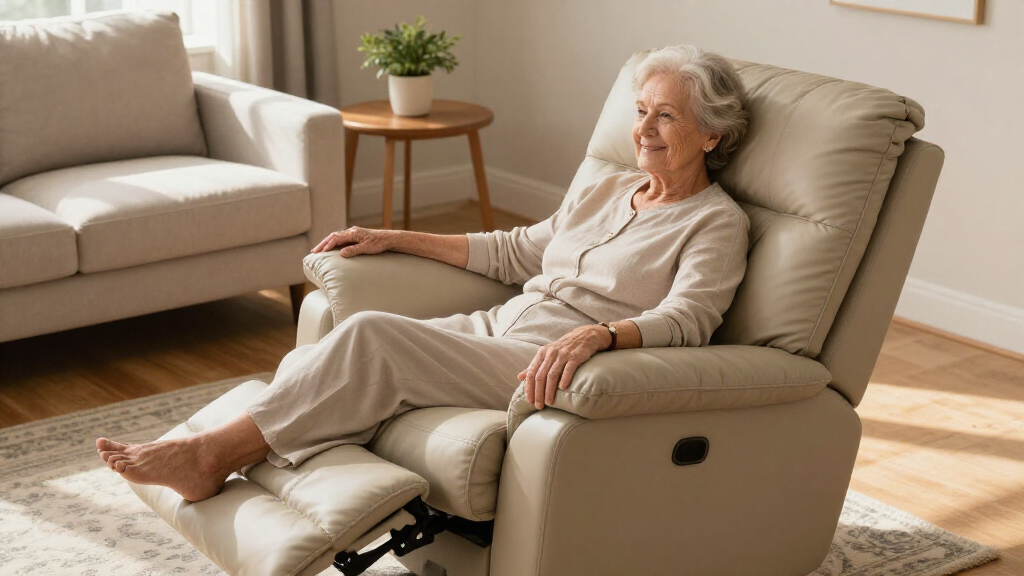
The best recliners for seniors provide ergonomic support, safety features, and adjustable positioning. Focus on fit, support, and safety to ensure comfort and independence.
Imagine a chair so comfortable, it becomes the highlight of your day. Now, picture that chair supporting your every move — easing pain, helping you stand, and making relaxation effortless. That’s the power of a well-chosen recliner, especially for seniors who need extra support.
In this guide, you’ll learn what features create a truly supportive recliner, how to pick the right fit, and which extras make a difference. Whether you’re shopping for yourself or a loved one, understanding these key points will help you find a chair that boosts comfort, safety, and independence.
Prioritize ergonomic support — firm cushioning and lumbar support are key for comfort and safety.
Measure carefully or test chairs in person to find the perfect fit, especially seat height and depth.
A power lift recliner can make standing easier and reduce fall risk for seniors with mobility challenges.
Safety features like stable frames, slow operation, and emergency backups are non-negotiable.
Optional features like heat, massage, and USB ports should be evaluated for real benefits, not just bells and whistles.
Why Support and Comfort Matter More Than Style
A senior-friendly recliner should do more than look good — it must support the body where it counts. Think of it like a trusted friend who hugs your lower back, cradles your neck, and cushions your hips without sinking too deep.
Imagine sitting for hours. Soft cushions feel cozy but can make standing up a struggle. Conversely, firm yet plush padding helps maintain good posture and reduces pressure points. Effective lumbar support keeps the spine aligned, while a high backrest and padded headrest cradle your neck comfortably.
For example, a senior woman I know switched to a recliner with firm support and found her chronic back pain eased within days. The key is balance — support without rigidity, softness without sinking.
Proper support not only enhances comfort but also plays a crucial role in safety. A well-designed chair prevents postural issues and reduces the risk of falls caused by instability or discomfort. When support is lacking, seniors may compensate by awkwardly shifting or trying to adjust their position, increasing the chances of accidents. Therefore, ergonomic design is a fundamental consideration that impacts both daily comfort and long-term health.
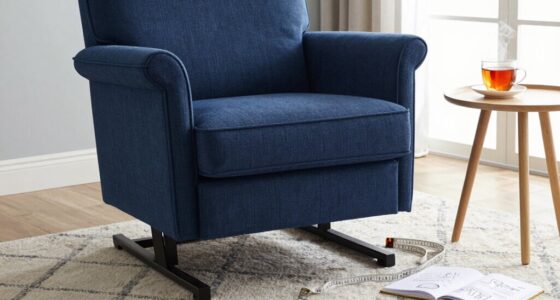
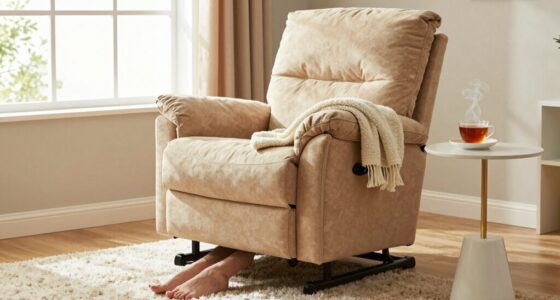
recliner chair for seniors with lift assist
As an affiliate, we earn on qualifying purchases.
As an affiliate, we earn on qualifying purchases.
How to Pick the Perfect Size — Fit Is Everything
Choosing a recliner that fits your body is more important than choosing the biggest or most luxurious model. An ill-fitting chair can cause discomfort, pressure sores, and increase fall risk. When seated upright, your feet should rest flat on the floor, providing a stable base, while your knees should be at or just below hip level, ensuring proper posture and reducing strain.
For example, a petite senior might find a chair with a seat height of 16-17 inches offers better support and easier standing, whereas a taller individual may need a 20-inch seat to avoid slouching or discomfort. The seat depth is equally important; sitting back comfortably without pressing behind the knees prevents circulation issues and pressure sores. Armrests should support relaxed shoulders, not be tight or overly high, which can restrict movement or cause discomfort.
Measuring your current chair’s dimensions or testing different models in person helps you find the best fit. Remember, a larger chair isn’t inherently better — it must match your body’s proportions. Proper fit directly influences safety, as a poorly sized chair can lead to falls or difficulty transitioning from sitting to standing. Tailoring the chair to your body ensures that every movement is supported and safe, reducing strain and promoting independence.
Understanding the implications of fit means recognizing that a small misalignment can lead to discomfort, fatigue, or even injury over time. For example, a seat that’s too deep can cause your legs to hang and reduce circulation, increasing fatigue and risk of pressure sores. Conversely, a seat that’s too shallow might not support your thighs properly, leading to poor posture and back pain. These tradeoffs highlight why careful measurement and testing are essential for long-term safety and comfort.
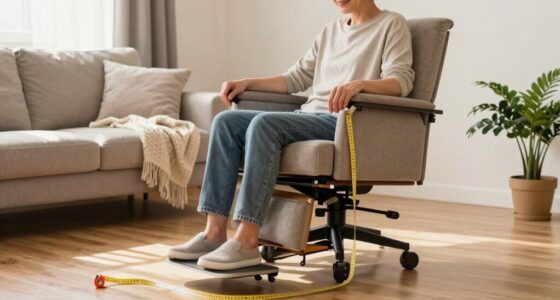
ergonomic recliner chair with lumbar support
As an affiliate, we earn on qualifying purchases.
As an affiliate, we earn on qualifying purchases.
Power Lift Recliners: Making Standing Easier
Power lift recliners use a motorized mechanism to gently tilt the seat forward, raising the entire chair to assist seniors in standing up without exerting excessive effort. This feature is especially valuable for those with arthritis, weak knees, or balance challenges, as it reduces the physical strain involved in transitioning from sitting to standing.
For instance, a man recovering from hip surgery found that a lift chair transformed his mornings; instead of struggling to get up, he could stand smoothly and safely. The different types of lift chairs include:
- Two-position chairs for basic sitting and reclining functions
- Three-position chairs with additional recline options for comfort
- Infinite-position chairs that allow for precise adjustment of back and footrest independently
- Multi-motor models that offer customizable positioning for tailored support
Choosing the right model involves considering the user’s mobility level, preferred sitting positions, and space constraints. While lift chairs significantly aid in mobility, they should complement, not replace, proper movement and professional medical advice. A stable frame and appropriate weight capacity are critical to ensure safety and durability, especially if the user has a tendency to shift or move suddenly while seated.
Understanding the implications of different lift chair types helps in selecting a model that best supports the user’s specific needs. For example, a basic two-position chair might suffice for someone who primarily needs assistance standing, but someone with varying mobility levels might benefit from an infinite-position model that offers more flexibility. Tradeoffs include cost, space requirements, and complexity of operation, all of which should be balanced carefully to match the user’s lifestyle and safety needs.
As an affiliate, we earn on qualifying purchases.
Safety First: Features That Keep Seniors Secure
Safety features in recliners are essential to prevent accidents and provide peace of mind. A sturdy frame and appropriate weight capacity help prevent tipping or collapsing, especially when getting in or out of the chair. Controls should be simple, clearly labeled, and operate smoothly to avoid sudden jerks or unexpected movements that could cause falls.
Imagine a chair equipped with a slow, gentle lift mechanism, an emergency battery backup, and a remote with large, easy-to-press buttons. These details significantly enhance safety, especially during power outages or emergencies. Upholstery with textured surfaces provides grip, reducing the chance of slipping, while the placement of power cords should be carefully managed to prevent tripping hazards.
Always supervise or assist when necessary, especially with new chairs or unfamiliar users. Children and pets should be kept away from moving parts to prevent injury. Encouraging seniors to sit fully back before operating lift functions minimizes the risk of pinched fingers or accidental falls. Ultimately, a combination of robust construction, thoughtful design, and user awareness creates a safer environment for seniors using recliners.
Understanding the implications of safety features involves recognizing that even the best-designed chair cannot eliminate all risks. Proper training on operation, regular maintenance, and awareness of potential hazards are crucial. For example, a chair with a slow, controlled lift reduces sudden movements that could startle or destabilize the user, while emergency backup power ensures safety during outages. These tradeoffs highlight that safety is a multi-layered consideration that must be integrated into both design and user habits.
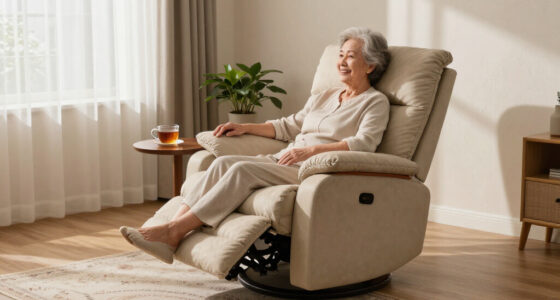
senior-friendly recliner with safety features
As an affiliate, we earn on qualifying purchases.
As an affiliate, we earn on qualifying purchases.
Finding the Right Position — More Than Just Sitting
Adjustable backrest and footrest controls allow seniors to find positions that suit different activities, such as reading, watching TV, or elevating their legs to reduce swelling. Some models feature “zero-gravity” positions, where the recliner tilts in a way that distributes body weight evenly, reducing pressure on the heart and improving circulation. While not true weightlessness, this position can provide a sensation of floating, easing muscle tension and discomfort.
For example, a retired teacher used a zero-gravity recliner to help manage swelling in her legs after surgery. She appreciated how she could effortlessly elevate her feet and relax in a position that alleviated pain and promoted circulation.
Understanding how these positions impact health is important because improper positioning can lead to increased strain on the heart, poor circulation, or discomfort if not chosen carefully. For instance, elevating legs too high for extended periods might cause blood pooling or dizziness, especially in individuals with certain medical conditions. Conversely, insufficient elevation might not provide the desired relief or health benefits. Recognizing these tradeoffs helps seniors and caregivers select the most appropriate settings, balancing comfort with medical considerations to support overall well-being.
Upholstery Choices and Easy Maintenance
Picking the right fabric is crucial for durability, ease of cleaning, and comfort. Breathable fabrics like microfiber or performance textiles resist stains and moisture, making them ideal for everyday use. Leather, while luxurious, can be slippery and temperature-sensitive, feeling cold in winter and hot in summer, which may affect comfort for seniors with sensitive skin or circulation issues.
For example, a senior with incontinence switched to a microfiber recliner with removable covers, enabling quick cleanup and reduced stress over spills. Synthetic leather is wipeable and resistant to stains, but over time, it may peel or crack, especially if quality is low. Investing in high-quality materials can extend the lifespan and maintain appearance longer.
Look for chairs with moisture-resistant barriers or easy-to-clean surfaces, especially if spills or incontinence are concerns. Regular vacuuming and spot cleaning with appropriate products will keep the fabric fresh and prevent buildup of dust or allergens. Choosing the right upholstery not only enhances longevity but also contributes to overall comfort and hygiene.
Understanding the implications of upholstery choices means recognizing that some fabrics may offer better long-term support and hygiene, but might come at a higher initial cost. For example, while leather may be more durable and easier to wipe clean, it can be uncomfortable in extreme temperatures and may require special conditioners to prevent cracking. Conversely, microfiber offers breathability and stain resistance but might be less durable over years of heavy use. Weighing these tradeoffs helps in selecting a material that balances comfort, maintenance, and longevity for the specific needs of the user.
Extras That Make Life Easier — Are They Worth It?
Optional features like heat, massage, USB ports, cup holders, and storage pockets can significantly enhance comfort and convenience. Imagine sitting with a heated seat on a chilly morning or charging your phone while watching TV — these features add a layer of luxury and practicality to daily routines. However, they are not essential for safety or core support and should be evaluated based on individual needs and preferences.
Heat and massage functions may help relax muscles and improve circulation, but they should not replace medical treatment or physical therapy. For users with circulation issues, reduced sensation, or skin sensitivity, these features might pose risks such as burns or discomfort. Always consult healthcare professionals before using such features regularly.
When considering extras, prioritize those that offer genuine benefits—like easy-to-reach USB ports or convenient storage—over purely aesthetic or unnecessary gadgets. Balancing features with your budget ensures you invest in options that truly improve daily life without complicating operation or maintenance.
Understanding the implications of optional features involves recognizing that while they can add convenience, they may also introduce maintenance requirements, potential points of failure, or safety concerns if not used correctly. For example, a built-in massager might be beneficial for muscle relaxation but could cause discomfort or burns if improperly regulated. Weighing these tradeoffs ensures the added features genuinely enhance the user experience without unintended drawbacks.
How to Choose and Test Your New Recliner
Testing a recliner thoroughly before purchasing is essential to ensure it meets your safety and comfort needs. When shopping, sit down and assess several key aspects:
- Ease of sitting and standing — does the chair support natural movements without strain?
- Support in upright and reclined positions — does it cradle your back, neck, and hips properly?
- Control placement and readability — are the buttons within easy reach and clearly labeled?
- Motor noise and motion smoothness — does it operate quietly and without jerks?
- Room fit — does the chair require enough space behind and around for safe operation?
- Delivery options, warranties, and repair services — are they convenient and reliable?
For instance, a senior couple tested several chairs in-store, focusing on how easily they could transition from sitting to standing and whether the remote was accessible without straining. These practical tests help ensure the chair supports daily routines safely and comfortably, reducing the risk of future issues and enhancing long-term satisfaction.
Latest Trends and Features in Recliner Design
Recent innovations aim to make recliners smarter, more compact, and highly adaptable to modern living spaces. Multi-motor systems now allow independent adjustment of the back, legs, head, and lumbar support, customizing comfort to individual preferences. This level of control can significantly improve quality of life by targeting specific areas of discomfort or medical needs.
Manufacturers are also designing furniture-style recliners that blend seamlessly into home decor, making them more aesthetically pleasing and less institutional. Additional features like USB charging ports, memory presets, and app-controlled functions enhance convenience and usability, especially for tech-savvy seniors.
While these advancements add value, they should not overshadow core priorities such as support, safety, and proper fit. A high-tech feature is worthless if the chair does not adequately support the body or if safety mechanisms are lacking. Prioritize functional and ergonomic benefits over flashy extras to ensure the recliner genuinely improves daily comfort and independence.
Frequently Asked Questions
What is the best type of recliner for an elderly person?
The ideal recliner provides firm, supportive cushioning with adjustable features, such as a power lift and recline functions. It should fit the person’s body size and support safe sitting and standing movements. A sturdy frame and safety features are essential.
How do I choose the correct seat height and depth?
Measure from the floor to the back of your knees — the seat height should be 1-2 inches below that. The seat depth should allow you to sit back comfortably without pressing behind the knees. Always test the chair in person if possible.
Is a firm or soft recliner better for seniors?
Most seniors benefit from a balance — firm enough to support the spine and hips, but cushioned enough to prevent pressure points. Too soft can make standing difficult, while too firm might be uncomfortable. The goal is supportive comfort.
What is the difference between a power recliner and a power lift chair?
A power recliner adjusts the back and footrest for comfort, while a power lift chair includes a mechanism to gently tilt the entire chair forward, aiding standing. Some models combine both functions for maximum support and mobility assistance.
Are lift chairs safe for seniors who live alone?
Yes, with safety features like slow, smooth operation, emergency backup power, and sturdy construction, lift chairs can be safe and highly beneficial for seniors living alone. Proper use and supervision are always recommended.
Conclusion
Choosing a recliner for a senior isn’t about finding the fanciest model — it’s about finding one that offers support, safety, and comfort. Think of it as a tool that helps maintain independence and improves everyday life.
Remember: a well-fitting, supportive recliner can be a game-changer, turning daily routines into moments of genuine comfort. Invest time in testing and selecting carefully — your loved one’s quality of life depends on it.
Cold & flu season Picks
humidifiers
As an affiliate, we earn on qualifying purchases.