

To effectively describe your problems to clinicians using the ‘symptom story’ method, focus on clear, detailed communication about your symptoms. Track when they occur, how they feel, and what triggers them. Organize this information systematically, highlighting the most disruptive or persistent symptoms. Avoid vague language like “feeling off” and use specific descriptions. By focusing on these details, you’ll help your healthcare team understand your experience better—if you keep going, you’ll discover how to craft a compelling symptom story that supports your care.

Turn quiet afternoons into listening time
- Thousands of audiobooks, podcasts and originals
- Listen on your phone, tablet or Echo — also offline
- Cancel anytime
Key Takeaways
- Use detailed, specific descriptions of symptoms, including timing, severity, and location, to provide clarity.
- Organize symptoms systematically by frequency, triggers, and impact to identify patterns easily.
- Highlight core symptoms that most affect daily life and focus on persistent or worsening issues.
- Track environmental factors, activities, and emotional responses related to symptom onset for trigger identification.
- Avoid vague language; communicate in clear, plain terms to ensure accurate understanding by clinicians.
As an affiliate, we earn on qualifying purchases.
Why Clear Communication of Symptoms Matters

Clear communication of symptoms is essential because it directly influences how accurately healthcare providers can diagnose and treat your condition. When you describe your symptoms with clarity, you help ensure your clinician understands exactly what you’re experiencing. Good patient communication involves sharing details like when symptoms started, their severity, and how they affect your daily life. Including detailed symptom descriptions can help clinicians differentiate between various potential causes, leading to more targeted interventions. Symptom clarity reduces misunderstandings and prevents misdiagnoses. If you’re vague or imprecise, important details may be missed, delaying effective treatment. By focusing on clear, precise descriptions, you empower your healthcare provider to develop the right plan for you. Additionally, understanding indoor air quality factors can provide valuable context for your symptoms, leading to more targeted interventions. Recognizing the impact of environmental factors like air quality can help identify external influences on your health. For example, specific symptom details can help distinguish between different causes of respiratory issues. Remember, your ability to communicate symptoms effectively is a crucial part of your care, making the entire process more efficient and accurate. Effective communication also helps build trust and rapport with your clinician, leading to better overall care.
As an affiliate, we earn on qualifying purchases.
How to Gather and Organize Your Symptom Details
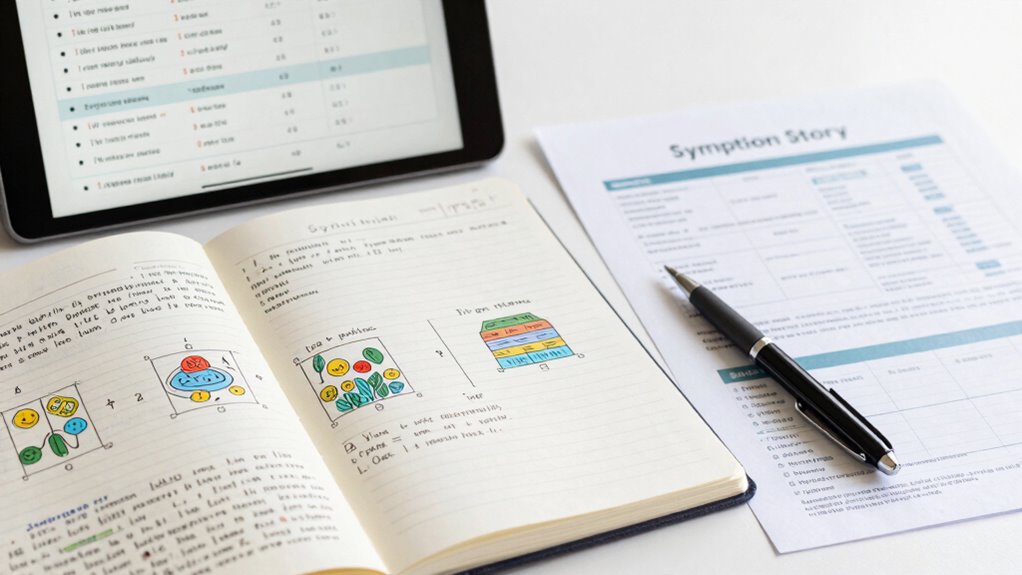
Gathering and organizing your symptom details might seem overwhelming at first, but taking a systematic approach can make it much easier. Start with symptom tracking: keep a daily log of what you experience, noting the time, intensity, and any triggers. This passive voice detection technique helps you see patterns and provides concrete data for your provider. Next, focus on symptom prioritization—identify which symptoms are most disruptive or concerning. List them in order of importance, so you can communicate your main issues clearly. Use categories like frequency, duration, and severity to organize your notes. Incorporating water-based therapies such as aquatic exercises or hydrotherapy can also be beneficial in managing symptoms, and noting any relief or aggravation during these activities may provide valuable insights. Additionally, recording environmental factors or activities related to your symptoms can help identify potential triggers, making it easier for your clinician to understand your situation and develop an effective plan. Recognizing symptom patterns through consistent tracking can further enhance your understanding of your health condition. Consistent and detailed tracking, including noting environmental factors or activities, enhances your understanding of potential symptom triggers and makes it easier for your clinician to understand your situation and develop an effective plan.
As an affiliate, we earn on qualifying purchases.
How to Identify and Highlight Your Most Important Symptoms

To identify your most important symptoms, start by prioritizing the core issues that affect your health most. Use clear, specific descriptions to capture how each symptom feels and when it occurs. Don’t forget to highlight how these symptoms impact your daily life to make their significance stand out. Incorporating symptom categorization can help organize and present your symptoms more effectively to clinicians. Additionally, understanding home decor tips can assist in creating a comfortable environment that supports your well-being. Recognizing the gold IRA market options available can inform your decisions about financial health, just as highlighting key symptoms informs your medical care. Paying attention to emotional regulation strategies can further help in managing symptoms associated with BPD. Being aware of safety precautions for portable oil radiators can also ensure you communicate any safety-related symptoms or concerns effectively to your healthcare provider.
Prioritize Core Symptoms
How can you determine which symptoms are truly the most important to focus on? Start with symptom prioritization by asking yourself which issues most impact your daily life or persist despite treatment. Core symptom identification involves recognizing patterns that consistently cause distress or limit your activities. Focus on symptoms that are new, worsening, or particularly different from past experiences. Highlight those that seem to trigger other issues or worsen over time. When you clarify your core symptoms, you help clinicians understand what’s most urgent and relevant. Remember, not every symptom carries equal weight. By consciously prioritizing, you ensure your story stays clear, targeted, and impactful, making it easier for healthcare providers to understand your situation and develop effective treatment plans. Paying attention to symptom patterns can also help you identify underlying issues that may require different approaches. Additionally, understanding cybersecurity vulnerabilities in your health data can protect your privacy during the diagnostic process. Recognizing symptom clusters can further streamline communication with your clinicians and lead to more accurate diagnoses. Exploring patient-centered communication strategies can also enhance your ability to convey your core concerns effectively. You can also consider tracking your symptoms over time to better observe longitudinal trends and how they relate to different factors.
Use Clear Descriptions
Using clear descriptions of your symptoms helps you communicate what’s really happening. Avoid medical jargon; instead, use straightforward language to describe sensations and feelings. Focus on emotional language to express how symptoms impact you emotionally and physically. Be specific: describe timing, intensity, and location. Highlight your most important symptoms first, so clinicians understand what matters most. Here’s a simple way to organize your thoughts:
| Symptom | Description | Impact |
|---|---|---|
| Fatigue | Constant tiredness, worse in mornings | Affects daily tasks |
| Headache | Severe, pounding, behind eyes | Disrupts concentration |
| Nausea | Persistent, sometimes triggers vomiting | Causes anxiety |
| Dizziness | Feeling unsteady, worsens when standing | Limits mobility |
| Sleep issues | Trouble falling asleep or staying asleep | Leads to irritability |
Additionally, clear symptom descriptions facilitate more effective problem-solving during clinical assessments. Being aware of symptom patterns can help you identify triggers and improve communication with your healthcare provider. Recognizing regional flavor variations can also assist in understanding how certain symptoms may be influenced by environmental or dietary factors. Understanding personal health history can further enhance the accuracy of your symptom report.
Highlight Impact on Life
Identifying and highlighting the most important symptoms requires focusing on how they affect your daily life. Think about how your symptoms interfere with routines, work, relationships, and hobbies. Consider the emotional impact too—do they cause stress, frustration, or anxiety? By pinpointing which symptoms most disrupt your daily life, you help clinicians understand what truly matters to you. Describe not just the physical sensations but also how they influence your mood and emotional well-being. This clarity guides your healthcare provider to prioritize treatments effectively. Remember, emphasizing the impact on your daily life makes your story more compelling and actionable. Your goal is to help clinicians see the full picture, including the emotional toll, so they can provide the best care possible.
As an affiliate, we earn on qualifying purchases.
How to Write a Clear and Concise Symptom Story

To write a clear and concise symptom story, focus on including only the most important details that highlight your experience. Use straightforward language to avoid confusion and make certain your story is easy to understand. Keep your descriptions precise, so your story effectively communicates your symptoms without unnecessary details.
Focus on Key Details
Have you ever struggled to clearly communicate your symptoms? Focusing on key details helps you create a precise symptom story. Use specific medical terminology when describing your condition to avoid confusion and guarantee accuracy. Highlight the most important information first, such as when symptoms started, how they progress, and their severity. Organize your details in a logical symptom chronology, so clinicians can easily follow the timeline. Avoid unnecessary details that don’t add to understanding your problem. Instead, stick to the facts that paint a clear picture of your experience. Being concise and focused allows your healthcare provider to quickly grasp the core issues, leading to better diagnosis and treatment. Remember, clarity and precision are your best tools when describing your symptoms.
Use Clear Language
Using clear language is essential for making your symptom story easy to understand. When you communicate with your clinician, clear language improves symptom clarity and enhances patient communication. Avoid medical jargon and overly complex terms; instead, use simple, straightforward descriptions. Focus on concrete details like what you felt, when it started, and how it changed. This helps your provider grasp the problem quickly and accurately. To strengthen your story, consider these tips:
- Highlight the most relevant symptoms without unnecessary details
- Use precise timing and frequency descriptions
- Stick to plain language to avoid confusion and misinterpretation
Clear, concise language ensures your experience is accurately conveyed, leading to better diagnosis and care. Remember, the goal is to make your symptom story easy to understand for both you and your clinician.
Common Mistakes Patients Make When Sharing Symptoms and How to Avoid Them
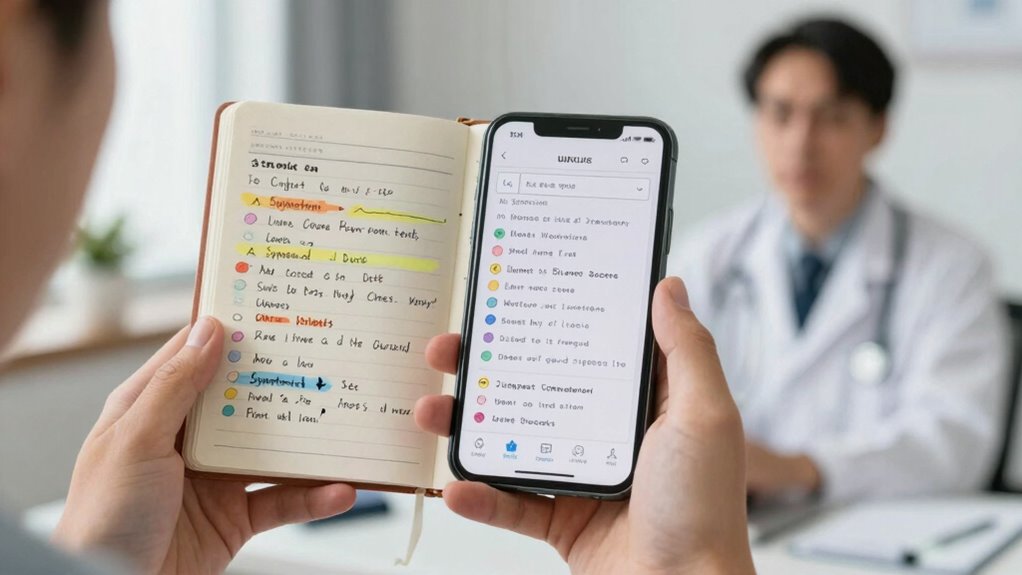
What are the common pitfalls patients encounter when describing their symptoms? Many use vague descriptions or fall into medical jargon that confuses rather than clarifies. This can lead to misunderstandings and delayed diagnoses. Avoid vague descriptions like “feeling off” or “bad pain,” which don’t convey specifics. Instead, focus on precise details: location, intensity, duration, and triggers. Here’s a quick comparison:
| Mistake | How to Avoid |
|---|---|
| Using vague descriptions | Be specific about what, where, and how long |
| Relying on medical jargon | Use simple, everyday language |
| Forgetting to mention frequency | Track how often symptoms occur |
| Ignoring related symptoms | Note accompanying signs or changes |
| Overlooking timing details | Describe when symptoms started and vary |
Clear, specific communication helps clinicians understand your experience better and provide effective care.
Examples of Effective Symptom Stories That Help Clinicians

Providing a clear and detailed symptom story can make a significant difference in how quickly and accurately your healthcare provider understands your condition. Effective examples illustrate how combining specific details with simple language enhances symptom clarity and reduces medical jargon confusion. For example:
- Describing the onset as “suddenly waking up at 3 a.m. with sharp chest pains” instead of vague complaints.
- Mentioning frequency and duration, like “lasting about 10 minutes, occurring twice a week for the past month.”
- Including relevant context, such as “after eating greasy foods or during stressful moments.”
These examples help clinicians pinpoint issues faster, ensuring you’re not misunderstood or misdiagnosed. Clear, focused symptom stories allow your provider to interpret your experience accurately, leading to better care.
How Using a Symptom Story Can Improve Your Medical Appointments
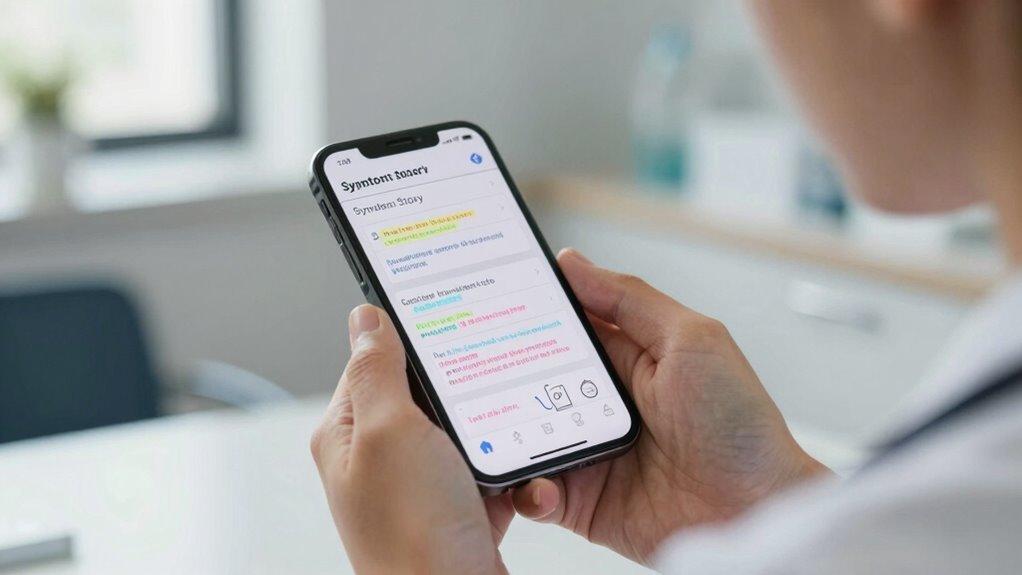
When you share a detailed symptom story during your appointment, it helps your healthcare provider understand your condition more quickly and accurately. Using clear patient narratives improves symptom clarity, making it easier to identify patterns and underlying causes. A well-structured story highlights key details like timing, severity, and triggers. To keep your story organized, consider this framework:
| Symptom Description | When It Occurs | How It Affects You |
|---|---|---|
| Location | Morning/Evening | Daily Tasks |
| Intensity | Mild/Severe | Work/Rest |
| Duration | Hours/Minutes | Sleep/Activity |
| Triggers | Stress/Fatigue | Lifestyle Changes |
| Relief Measures | Medication/Rest | Symptom Fluctuation |
This approach ensures your narrative is thorough, providing your clinician with the clarity needed for accurate diagnosis and effective treatment.
Frequently Asked Questions
How Can I Tailor My Symptom Story for Different Medical Specialists?
You should tailor your symptom story to each specialist by focusing on relevant details and using appropriate medical jargon. Highlight symptoms that relate to their field, and include visual aids like diagrams or timelines to clarify complex issues. Keep your explanations clear and concise, emphasizing the aspects most pertinent to their expertise. This approach helps specialists quickly grasp your condition and provides more accurate guidance or treatment options.
What Are Common Pitfalls When Describing Symptoms to Clinicians?
You might trip over medical jargon or gloss over emotional expression, which can confuse or frustrate clinicians. Don’t assume they understand your terms or your feelings; be precise and clear. Avoid vague descriptions like “pain” or “discomfort” without details. Instead, describe how symptoms affect your life emotionally and physically. This clarity helps specialists see the full picture, making your story a powerful tool for accurate diagnosis and effective care.
How Detailed Should My Symptom Timeline Be?
Your symptom timeline should be detailed enough to capture key symptom clusters and their progression, but avoid overwhelming with unnecessary medical jargon. Include when symptoms started, their frequency, severity, and any patterns you notice. Focus on clarity, so clinicians understand the sequence and connections between symptoms. This balance helps them accurately diagnose and tailor treatment, ensuring your story is both thorough and concise.
How Do I Handle Symptoms That Vary Over Time?
Did you know that over 60% of patients experience symptom variability? When describing symptoms that vary over time, focus on noting the temporal patterns, like when symptoms worsen or improve. Be specific about triggers, duration, and intensity changes. This helps clinicians understand the fluctuation, identify underlying causes, and develop effective treatment plans tailored to your symptom variability, ensuring your concerns are accurately communicated.
Can Using a Symptom Story Improve Diagnostic Accuracy?
Yes, using a symptom story can improve diagnostic accuracy by empowering you to clearly communicate your experiences. It helps you organize symptoms over time, providing clinicians with detailed, symptom clarity. When you share your story, you actively participate in your care, making it easier for doctors to identify patterns and underlying issues. This collaborative approach increases the chances of accurate diagnosis and effective treatment.
Conclusion
Mastering the ‘symptom story’ isn’t just about clear communication—it can genuinely improve your medical care. Studies suggest that patients who share detailed, organized symptoms often receive faster and more accurate diagnoses. By crafting a well-structured story, you help clinicians see the full picture, increasing the chances of effective treatment. So, take charge of your health, tell your story confidently, and remember: a well-told symptom story makes all the difference.
Halloween Picks
halloween
As an affiliate, we earn on qualifying purchases.