

When visiting the doctor, bringing the right questions helps you understand your condition and feel confident in your care. Ask about your symptoms, diagnosis, treatment options, risks, follow-up plans, costs, and when to seek emergency care. Organize your concerns and discuss environmental factors or recent activities that might affect your health. This way, you’ll leave feeling clearer about your health journey. Keep exploring to discover the full list of essential questions you should ask.

Turn quiet afternoons into listening time
- Thousands of audiobooks, podcasts and originals
- Listen on your phone, tablet or Echo — also offline
- Cancel anytime
Key Takeaways
- Prepare a list of specific questions about your diagnosis, treatment options, and follow-up care before your appointment.
- Organize your symptoms with details on location, severity, duration, and triggers to clarify your concerns.
- Include questions about medication usage, side effects, interactions, and lifestyle modifications to understand your treatment plan.
- Ask about signs that require urgent care and how to report symptoms between visits for effective monitoring.
- Review and prioritize your questions to ensure all important topics are covered during your doctor visit.
medical question organizer notebook
As an affiliate, we earn on qualifying purchases.
As an affiliate, we earn on qualifying purchases.
Why Preparing Questions Before Your Doctor Visit Matters

Preparing questions before your doctor visit is essential because it guarantees you address all your concerns and don’t forget important details during the appointment. It also helps you navigate medical jargon more effectively, ensuring you understand your diagnosis and treatment options. Appointment preparation allows you to organize your thoughts, making it easier to communicate symptoms clearly and avoid misinterpretation. When you arrive with a list of questions, you’re less likely to leave feeling confused or overwhelmed. This proactive approach empowers you to take control of your health and ensures the doctor has all the information needed to provide accurate advice. Understanding the importance of clear communication can significantly enhance the quality of your healthcare experience. By preparing questions in advance, you make the most of your time with your healthcare provider and foster a more productive, informed discussion. Additionally, being aware of patient engagement can help you feel more confident during your visit and improve overall health outcomes. Recognizing how astrological signs may influence your confidence and self-image can also be useful when discussing your mental well-being with your doctor. Being aware of effective communication techniques can further improve your interactions and ensure your concerns are fully understood. Moreover, considering medical history and how it impacts your current health can help you ask more targeted questions.
As an affiliate, we earn on qualifying purchases.
What Are Your Main Symptoms and Concerns?

When describing your symptoms, be specific about what you’re experiencing and how often it happens. Mention how long you’ve had these issues and if they’ve been getting worse over time. This information helps your doctor understand your condition and determine the best course of action. Additionally, consider whether your symptoms are related to any outdoor activities or environmental factors, such as exposure to natural pools or landscaping, which could be relevant to your overall health. If you’ve recently visited water parks or engaged in aquatic exercise, make sure to mention any reactions or discomfort experienced during or after these activities.
Describe Your Symptoms Clearly
Clearly describing your symptoms is essential for accurate diagnosis and effective treatment. When you provide symptom clarity, your doctor can better understand your condition, leading to clear communication and better care. Be specific about what you’re experiencing, including the location, intensity, and any patterns. Use the table below to organize your thoughts:
| Symptom Description | Details |
|---|---|
| Location | Where do you feel it most? |
| Severity | How bad is the pain or discomfort? |
| Frequency | How often does it happen? |
| Triggers | What seems to cause or worsen it? |
Preparation like this helps you convey your main symptoms efficiently, ensuring your doctor fully understands your concerns. This makes your visit more productive and your diagnosis more accurate. Additionally, being aware of privacy and consent considerations can help you understand how your data may be used during the process. Recognizing the importance of data privacy can help you feel more confident about sharing sensitive health information. Understanding medical terminology can also help you communicate more effectively with your healthcare provider.
Mention Duration and Frequency
Understanding how long your symptoms last and how often they occur is essential for your doctor to determine the cause. This is where duration planning and frequency tracking come into play. Keep track of when your symptoms start and end, noting if they happen daily, weekly, or sporadically. Accurate details help your doctor identify patterns or triggers that might be contributing to your condition. If your symptoms fluctuate, note any changes in intensity or duration over time. Being precise about the timing allows your healthcare provider to develop a clearer picture of your health issue. Remember, the more detailed your records on duration and frequency, the better your doctor can craft an effective diagnosis and treatment plan.
Highlight Any Worsening Factors
Noticing what makes your symptoms worse is essential for your doctor to identify the underlying cause. Worsening factors and symptom escalation can reveal important details about your condition’s progression. Be prepared to share when and how your symptoms intensify, such as specific activities, times of day, or other triggers. Tracking these worsening factors ensures your doctor understands the full picture, leading to more accurate diagnosis and effective management. Don’t overlook changes that seem minor—they can be key to your health. Recognizing symptom escalation early can help prevent further complications and guide timely adjustments to your care. Paying attention to regional flavor variations and other subtle signs can provide valuable clues about underlying issues. Monitoring seasonal changes in symptoms can also offer insights into environmental or allergenic influences on your health. Additionally, noting environmental triggers like weather or pollution levels can further enhance your doctor’s understanding of your condition. Recognizing how regional differences impact symptom patterns can help tailor your treatment plan more effectively.
As an affiliate, we earn on qualifying purchases.
How Can You Understand Your Diagnosis?

Have you ever felt overwhelmed trying to make sense of a medical diagnosis? It’s common, but improving your health literacy helps. To better understand, ask your doctor clear questions about what your diagnosis means, its impact, and next steps. Remember, patient advocacy is key—you’re your best supporter. Use this simple table to clarify your diagnosis:
| Term | Explanation | Action Item |
|---|---|---|
| Diagnosis | Your medical condition | Confirm understanding with doctor |
| Symptoms | Signs indicating illness | Note and discuss concerns |
| Treatment Plan | Recommended actions and medications | Clarify how it works |
| Follow-up | Next appointments or tests | Schedule and prepare |
Additionally, understanding medical terminology can greatly enhance your ability to communicate effectively with healthcare providers. Knowing how to ask the right questions about your diagnosis can lead to better care and peace of mind. Developing health literacy empowers you to participate actively in your healthcare decisions, which can reduce confusion and improve outcomes. Building your communication skills with healthcare professionals ensures you receive comprehensive explanations and feel confident in your care. Recognizing patient advocacy as a vital part of your health journey ensures you leave with clear, actionable knowledge. This approach boosts your confidence and guarantees you leave with clear, actionable knowledge.
As an affiliate, we earn on qualifying purchases.
What Treatment Options Are Available for Your Condition?

There are various treatment options available for your condition, each with its own benefits and drawbacks. You’ll want to contemplate different modalities and approaches to find what works best for you. You can also explore traditional Indonesian home decor principles to create a calming and culturally enriching environment that may support your overall well-being. Incorporating eco-friendly disposal tips into your routine can help reduce environmental impact and promote sustainable practices. Your doctor can help you understand the next steps and recommend the most suitable treatment plan. Ensuring software quality and compliance through effective traceability can help you keep track of treatment decisions and improve overall outcomes. Additionally, understanding home safety tips can be crucial in preventing accidents and supporting ongoing recovery at home. Incorporating holistic SEO strategies into your healthcare research can also help you access trustworthy information more effectively.
Treatment Modalities and Approaches
When managing your condition, understanding the available treatment options can make a significant difference in your recovery. You might explore traditional medical treatments, but also consider alternative therapies and holistic approaches. These options can complement your overall care plan and offer personalized solutions. Exploring regional cultural influences can also provide insights into local health practices and community support systems. Some treatment modalities include:
- Physical therapy and medications prescribed by your doctor
- Alternative therapies like acupuncture, massage, or herbal remedies
- Holistic approaches focusing on nutrition, stress management, and lifestyle changes
Additionally, being aware of shipwreck preservation techniques can inform how environmental factors are managed to prevent further health issues related to mold or damp conditions. Incorporating water damage prevention strategies can also play a role in maintaining a healthy environment and avoiding future health issues related to mold or damp conditions.
Pros and Cons of Options
Choosing the right treatment options involves weighing their advantages and disadvantages carefully. Treatment alternatives vary, and considering your preferences is vital. Some options may offer quick relief but come with potential side effects, while others might be slower but safer long-term. Understanding these pros and cons helps you make informed decisions aligned with your goals.
| Treatment Alternative | Pros | Cons |
|---|---|---|
| Medication | Fast relief, easy to use | Side effects, dependency risk |
| Surgery | Permanent solution | Risks, recovery time |
| Physical therapy | Non-invasive, promotes healing | Time-consuming, cost |
| Lifestyle changes | No side effects, sustainable | Requires commitment |
Next Steps and Recommendations
Understanding your available treatment options is essential for making informed decisions about managing your condition. You should explore current treatments along with future treatments that may become available, giving you a broader perspective on your options. Consider alternative therapies, which might complement traditional approaches or offer relief when standard treatments aren’t effective. Consulting your healthcare provider about personalized recommendations ensures you choose the best plan for your needs. Be proactive in asking about the effectiveness, risks, and potential side effects of each option. Staying informed helps you feel empowered and prepared to navigate your treatment journey confidently. Remember, your doctor can guide you through the latest research, emerging treatments, and innovative therapies tailored to your condition.
- The latest research on future treatments
- Benefits and risks of alternative therapies
- Personalized recommendations based on your health history
What Are the Risks and Benefits of Each Treatment?

Have you ever wondered why each treatment option comes with its own set of risks and benefits? When considering medication management, there’s a chance of side effects or interactions, but benefits like symptom relief often outweigh these risks. Lifestyle modifications, such as diet and exercise, can improve your health with fewer side effects, though they may require ongoing effort and commitment. Some treatments may offer quick results but carry higher risks, while others provide gradual improvement with fewer dangers. It’s essential to weigh the potential benefits against the risks involved. Your healthcare provider can help you understand these trade-offs, ensuring you make informed decisions. Remember, every treatment plan should be tailored to your specific health needs and lifestyle.
How Do You Use Medications Safely and Effectively?

To use medications safely and effectively, it’s essential to follow your healthcare provider’s instructions carefully and read all labels and informational leaflets. Proper medication adherence guarantees you get the full benefits and minimize risks. Pay close attention to dosage timing, taking your meds at the recommended times to maintain consistent levels in your body. Skipping doses or taking extra can reduce effectiveness or cause side effects. To stay on track, consider these tips:
Follow your healthcare provider’s instructions and read labels carefully to ensure safe and effective medication use.
- Set reminders or alarms for medication times.
- Use a pill organizer to keep track of doses.
- Ask your provider about any specific instructions for food or other medications.
What Side Effects and Interactions Should You Know About?

Are you aware of the potential side effects and interactions that can occur with your medications? Knowing about medication interactions helps prevent serious complications and guarantees safe use. Some drugs may cause side effects like nausea, dizziness, or fatigue, which you should report to your doctor immediately. It’s also important to understand how different medications might interact, reducing effectiveness or causing harmful reactions. To manage side effects effectively, follow your healthcare provider’s instructions and ask about possible adverse effects before starting new medicines. Keep a list of all medications you’re taking, including over-the-counter drugs and supplements, and review it during each visit. Being informed about side effect management and medication interactions empowers you to stay safe and get the most benefit from your treatments.
How Will Your Condition Affect Your Daily Life and Work?

Your condition can substantially impact your daily routines and work responsibilities, making it essential to understand how it might alter your usual activities. You may find that tasks you once completed easily now require extra effort or adjustments. The emotional impact can also be significant, affecting your mood and motivation. To prepare, consider how your symptoms could interfere with your schedule and productivity.
- Changes in energy levels may lead to fatigue or difficulty concentrating
- You might need to modify or limit physical activities at work and home
- Emotional stress could influence your interactions with colleagues and loved ones
Understanding these effects helps you plan better and communicate your needs clearly during your doctor visit.
What Questions Should You Ask About Follow-Up and Monitoring?

When discussing follow-up and monitoring with your doctor, it’s important to ask specific questions to stay informed about your condition’s progress. Clarify how often you’ll need appointments or tests, and what signs indicate you should seek immediate care. Ask about the role of patient communication—how you should report symptoms or concerns between visits. Understanding medical recordkeeping is also key; confirm how your records will be updated and shared, ensuring you’re aware of any changes in your treatment plan. Find out if additional tests or monitoring methods are necessary and what the expected timeline is for reviewing your progress. Being proactive in these conversations helps you stay engaged and confident in managing your health effectively.
How Can You Discuss Costs and Insurance Coverage?
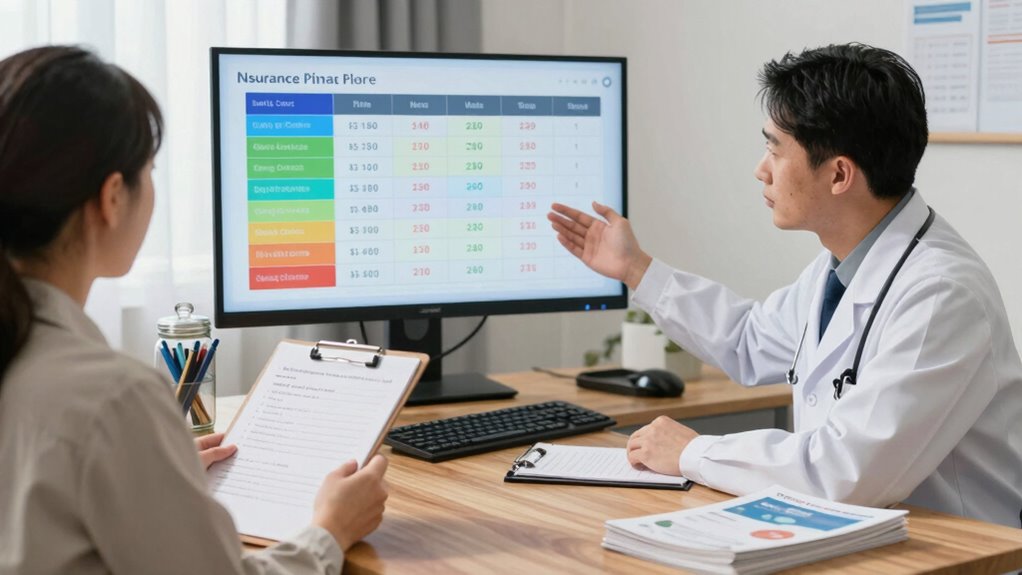
Discussing costs and insurance coverage can feel overwhelming, but addressing these topics upfront guarantees there are no surprises later. By understanding your insurance plan and medical billing process, you can better navigate costs. Ask your provider about what services are covered and whether they accept your insurance. Clarify if you’ll be responsible for any copays or deductibles. When it comes to insurance claims, confirm how they’ll be handled and how long reimbursement might take. To deepen your understanding, consider:
- Asking for an estimate of total costs before your appointment
- Confirming if the provider accepts your insurance plan
- Inquiring how medical billing and insurance claims are processed
Being proactive helps avoid unexpected expenses and ensures smoother coverage.
When Should You Seek Emergency Care or Additional Tests?

Knowing the signs that indicate you need emergency care or additional tests can be life-saving. Pay attention to symptom severity—if your symptoms suddenly worsen or become unmanageable, don’t wait it out. Warning signs like chest pain, difficulty breathing, severe abdominal pain, weakness, or sudden dizziness require immediate medical attention. Also, if you experience symptoms that persist or escalate despite initial treatment, it’s a sign you should seek further evaluation. Trust your instincts; if something feels critically wrong, don’t hesitate to get emergency help. Prompt action can prevent complications and ensure you get the right tests or care when it’s most needed. Recognizing these warning signs early can make all the difference in your health outcomes.
How Can You Keep Track of Your Health Questions and Next Steps?

Keeping track of your health questions and next steps is essential for staying organized and guaranteeing you get the care you need. It helps you recall important details like your medical history and lifestyle habits. To stay on top, consider using a dedicated notebook or digital app to jot down questions before your visit. Keep a record of your symptoms, medications, and any changes in your health. Bring a list of concerns and follow-up steps discussed with your doctor, so nothing gets overlooked. Regularly updating this information ensures you’re prepared for your appointments. Staying organized empowers you to communicate effectively and make informed decisions about your health.
- Write down questions as they come up, including details about your medical history and lifestyle habits
- Maintain a health journal or app to log symptoms, medications, and doctor recommendations
- Review and update your notes before each appointment to clarify next steps
Frequently Asked Questions
How Can I Prepare My Questions for a Complex Diagnosis?
To prepare your questions for a complex diagnosis, write down specific symptoms and medical jargon you’re unsure about. Bring visual aids like diagrams or photos to clarify your concerns. Prioritize your questions so you cover the most important topics first, and ask your doctor to explain complex concepts in simple terms. This approach helps you understand your diagnosis better and guarantees you leave the appointment confident in your knowledge.
What Should I Do if I Don’t Understand My Doctor’s Explanation?
If you don’t understand your doctor’s explanation, don’t stay silent. Ask them to break down complex medical jargon into simple terms or use visual aids—diagrams or models—that can clarify things instantly. Imagine the fog lifting as you’re handed a clear map of your health. Speak up, request clarification, and take notes. Your understanding is crucial; never leave a consultation feeling lost or overwhelmed.
How Can I Prioritize Treatment Options Based on My Lifestyle?
You should prioritize treatment options by discussing treatment scheduling that fits your lifestyle and considering necessary lifestyle adjustments. Talk openly with your doctor about your daily routines, work commitments, and personal goals. This way, you can find a plan that’s manageable and effective. Being honest about your lifestyle helps your doctor recommend treatments that won’t disrupt your life, making adherence easier and outcomes better.
What Are Alternative or Complementary Therapies Available?
You should ask your healthcare provider about alternative or complementary therapies like herbal remedies and acupuncture treatments. These options can often support your main treatment plan and may help manage symptoms or improve overall well-being. Make sure to discuss any herbal remedies you’re considering, especially if you’re on medication, and inquire about the safety and effectiveness of acupuncture treatments suited to your condition.
How Do I Ensure My Health Records Are Accurate and up to Date?
Think of your health records as your personal story—make certain it’s accurate and current. To do that, regularly review your medical record accuracy with your healthcare provider, especially after visits or treatments. Keep your health data updates by notifying your doctor about any changes in medications, allergies, or health status. This proactive approach ensures your records truly reflect your current health, helping you get the best care possible.
Conclusion
Being prepared with questions can greatly improve your doctor visits, ensuring you leave informed and confident about your health. Studies show that patients who ask questions are 50% more likely to follow through with treatment plans. So, take charge of your health by preparing ahead, understanding your options, and communicating openly. Remember, your questions matter—because your health is worth it. Stay proactive, and don’t hesitate to seek clarity whenever you need it.
Fall Picks
fall essentials
As an affiliate, we earn on qualifying purchases.