
The ‘little loops’ plan helps you build walking endurance gradually and confidently by starting with short, manageable walks around your neighborhood or park. As you consistently repeat these small loops, you increase your distance slowly, boosting your confidence and fitness over time. This approach prevents burnout and injury while reinforcing a habit of regular walking. Keep progressing steadily, and you’ll discover more tips to make your walking journey even easier.
Key Takeaways
- The ‘Little Loops’ plan gradually increases walking distances through short, manageable loops, building endurance over time.
- Consistent, small progress boosts confidence and helps establish a sustainable walking routine.
- Breaking walks into mini sessions throughout the day prevents fatigue and injury while reinforcing habit formation.
- Proper footwear, pacing, and hydration are essential for comfortable, injury-free endurance development.
- Tracking progress and celebrating small victories motivate continued effort and reinforce confidence in walking ability.

Skechers Women's Max Cushioning Endeavour Canova Sneaker, Blue/Orange, 9
MAXIMUM CUSHIONING TECHNOLOGY: Experience superior comfort with max cushioning for women design featuring Air-Cooled Goga Mat insole and…
As an affiliate, we earn on qualifying purchases.
As an affiliate, we earn on qualifying purchases.
Why Building Walking Endurance Matters for Your Health

Building walking endurance is essential because it directly improves your overall health and well-being. As you increase your stamina, you’ll notice better energy levels and enhanced heart health. Improving your stamina means your heart becomes more efficient at pumping blood, reducing the risk of cardiovascular issues. Walking consistently helps lower blood pressure and cholesterol, supporting long-term heart health. This endurance boost also strengthens your lungs and muscles, making everyday activities easier and less tiring. When you focus on building your walking stamina, you’re actively taking control of your health, preventing chronic illnesses, and fostering a stronger, healthier body. The more you walk and improve your endurance, the more you’ll enjoy the physical and mental benefits that come with a heart-healthy lifestyle. Building stamina can also boost your mental resilience, making it easier to stay committed to your health goals.

NESKLA 838 3D Pedometer for Walking, Simple Step Counter and Tracker with Large Digital Display, Removable Clip Lanyard, Accurately Track Steps for Men, Women, Kids, Adults, Seniors, Black
SIMPLE & EASY TO USE: 3D Pedometer for Steps Only. No Bluetooth, no app or smartphone connections required….
As an affiliate, we earn on qualifying purchases.
As an affiliate, we earn on qualifying purchases.
How the ‘Little Loops’ Plan Builds Your Walking Endurance
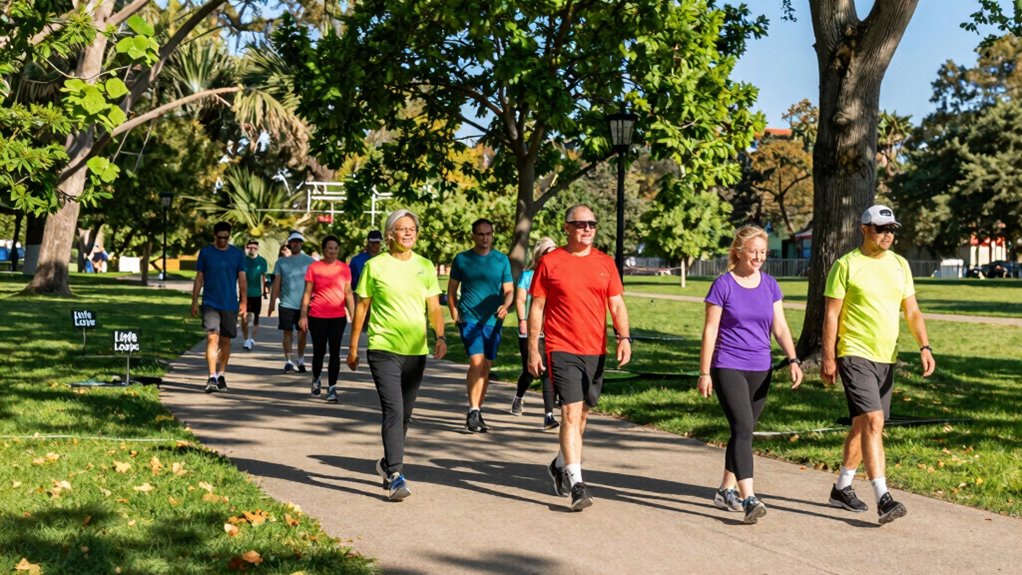
The ‘Little Loops’ plan helps you steadily increase your walking distance, so you build endurance without feeling overwhelmed. Sticking to a consistent routine makes progress feel natural and achievable. As you repeat the loops, you gain confidence that encourages you to keep moving forward. Incorporating Victorian-inspired proper etiquette can also enhance your walking experience by fostering respectful and mindful interactions along your route.
Gradual Distance Progression
To effectively increase your walking endurance, you should focus on gradual distance progression through the ‘Little Loops’ plan. Start by setting small, manageable goals and slowly increase your distance each session. Pacing strategies are essential; walk at a steady, comfortable pace that allows you to maintain consistency without overexerting. Choose footwear that provides proper support and cushioning, reducing fatigue and preventing injury as you extend your walks. Avoid rushing the process—incremental increases help your body adapt safely. Track your progress to stay motivated and identify when you’re ready to add a little more distance. Incorporating progression strategies ensures a structured approach to building endurance. This steady approach builds confidence while minimizing setbacks, ensuring your endurance improves sustainably and comfortably over time. Additionally, paying attention to body signals can help prevent overtraining and guide your progression. Recognizing early signs of fatigue can help you adjust your pace and avoid injury, making your training safer and more effective. Remember that understanding training principles can optimize your progress and help you reach your walking goals more efficiently.
Consistent Routine Benefits
Maintaining a consistent routine with the ‘Little Loops’ plan helps your body adapt gradually, which is key to building lasting walking endurance. By sticking to regular morning routines, you signal to your body that walking is a priority, making it easier to stay motivated. Preparing your walking gear the night before guarantees you’re ready to go without hesitation, reinforcing your commitment. Consistency helps your muscles and cardiovascular system strengthen over time, leading to improved stamina. When you walk regularly, your body becomes more efficient at energy use and recovery. This steady approach prevents burnout and injuries, encouraging you to keep progressing. Establishing a routine also supports home comfort by creating a predictable schedule that minimizes disruptions. Additionally, a consistent walking schedule can improve your mobility and balance, making daily activities easier and safer. Building confidence through regular practice encourages you to push further and enjoy the process more fully. Incorporating proper survival gear practices, such as carrying essentials and knowing how to use your gear effectively, can also boost your preparedness and peace of mind during walks. Consistency also fosters habit formation, making walking a natural part of your daily life. Ultimately, establishing a routine makes walking feel more natural and enjoyable, setting a strong foundation for long-term endurance growth.
Confidence Through Repetition
Building confidence in your walking routine comes from repeated practice with the ‘Little Loops’ plan. Each time you complete a loop, you reinforce your ability to walk longer and more comfortably. This consistency fosters mindset shifts, helping you see progress instead of focus on setbacks. As you repeat these small loops, your confidence builds naturally—each successful loop proves you’re capable of more. These small wins create a positive feedback loop, encouraging you to push slightly further next time. Confidence isn’t built overnight; it’s cultivated through steady repetition. By trusting the process and celebrating these incremental achievements, you’ll develop a stronger belief in your walking potential. Incorporating home design principles such as clear pathways and safe, accessible spaces can support your walking routine and overall well-being. Over time, this confidence will motivate you to extend your endurance and enjoy the journey more fully.
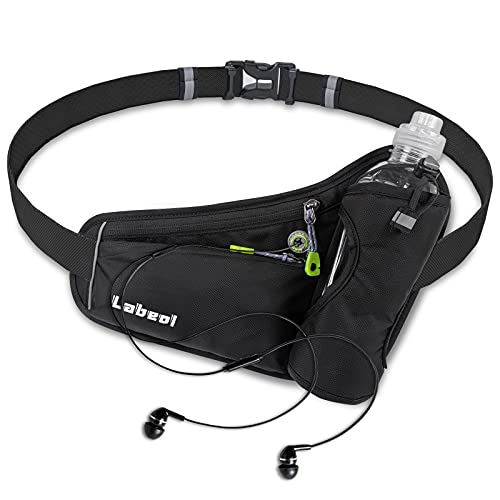
Labeol Waist Pack, Waterproof Hydration Belt with Water Bottle Holder, Adjustable Fanny Pack for Running, Hiking, Walking, Cycling, Black
Note: Water bottle is not included. 🏃【 Adjustable Size】 : The running belt with water bottle holder can…
As an affiliate, we earn on qualifying purchases.
As an affiliate, we earn on qualifying purchases.
Start Small: Choose Your First Little Loop Around the Neighborhood or Park

Starting small is the best way to kick off your walking endurance journey. Choose a simple loop around your neighborhood or a nearby park that feels manageable. Focus on pacing strategies—start at a comfortable pace that you can sustain without feeling exhausted. This approach helps prevent overexertion and encourages steady progress. Equally important are footwear choices; wear supportive, comfortable shoes suited for walking, which reduce the risk of discomfort or injury. Keep your first loop short enough to complete without strain, then gradually extend it as your endurance improves. Remember, the goal is consistency and confidence, not speed or distance. By starting small, you set a strong foundation for long-term walking success. Additionally, paying attention to walkable environment factors such as terrain and safety can make your walks more enjoyable and sustainable. Being mindful of natural terrain variations can help you adapt your pace and prevent fatigue. Incorporating proper hydration and nutrition during your walks can also support your endurance and overall well-being. Incorporating adequate rest and recovery periods between walks helps your body adapt and build stamina more effectively.

Quenteen Women's High Waisted 7'' Bermuda Athletic Shorts with Pockets Comfortable Workout Shorts for Running Yoga Walking Dark Grey
Buttery Soft & 4-Way Stretch Fabric: Made of 75% nylon and 25% spandex, this fabric feels ultra-soft and…
As an affiliate, we earn on qualifying purchases.
As an affiliate, we earn on qualifying purchases.
Increase Your Little Loops Gradually Over Time

As your body adapts to regular walking, gradually increasing the length and intensity of your loops helps improve your endurance without risking injury. To do this safely, vary your pace during each walk, alternating between brisk and relaxed speeds. This pace variation challenges your muscles and boosts stamina over time. Additionally, pay attention to your footwear choice; wearing supportive, comfortable shoes reduces strain and prevents discomfort as you extend your loops. As you build confidence, slowly add a few extra minutes or slightly longer loops, avoiding sudden jumps. Incorporating progressive overload into your walking routine ensures steady and safe endurance development. Consistency is key—by steadily increasing your walking duration and intensity, your endurance will grow naturally and safely, helping you enjoy longer walks with greater ease.
Set Realistic Goals and Track Your Walking Progress

Setting realistic goals gives you a clear roadmap and helps keep you motivated as you walk regularly. To succeed, choose achievable distances and incorporate pacing strategies that match your current fitness level. Use tracking tools like apps, journals, or pedometers to monitor your progress daily. These tools help you see improvements and identify areas to adjust. Visualize your goals with this simple table:
| Goal | Pacing Strategy | Tracking Tool |
|---|---|---|
| Walk 1 mile comfortably | Start slow, increase gradually | Smartphone app |
| Walk 2 miles in a week | Maintain a steady pace | Pedometer |
| Build confidence | Set small milestones | Walking journal |
Regular progress tracking keeps you focused, and setting achievable goals boosts confidence. Remember that walking endurance builds over time with consistent effort and patience. Additionally, gradually increasing your distance reduces the risk of injury and helps your body adapt effectively. Incorporating recovery routines, such as foam rolling, can further enhance your endurance and overall well-being. It’s also helpful to understand how training tools can optimize your walking plan for better results.
Tips to Stay Motivated and Keep Walking Consistently

Maintaining motivation is key to turning your walking routine into a lasting habit. To stay inspired, find motivational quotes that resonate with your goals and remind yourself why you started. Visualizing success can boost your confidence and keep you committed. Social support is also essential; walking with friends or joining a local walking group creates accountability and makes the experience more enjoyable. Sharing progress and encouraging each other fosters a sense of community and keeps you engaged. Celebrate small victories to reinforce your commitment and remind yourself of your progress. Remember, consistency is built through positive reinforcement and connection. Keep your eyes on the long-term benefits, and let these motivational tools help you stay on track daily.
Troubleshooting Common Challenges in Building Endurance

Building endurance can sometimes feel frustrating when progress stalls or setbacks occur. You might notice discomfort, fatigue, or even minor injuries. To troubleshoot, focus on hydration tips—drink water consistently before, during, and after walks to stay energized. Check your footwear choices: supportive, well-fitted shoes reduce pain and prevent blisters. Consider this emotional table to identify your challenge:
| Challenge | Solution |
|---|---|
| Feeling exhausted early | Hydrate well; pace yourself |
| Foot pain or blisters | Invest in proper footwear |
| Lack of motivation | Track progress; celebrate small wins |
Address these issues directly, adapt your routine, and remember that setbacks are part of progress. Patience and adjustments will help you build endurance successfully. Additionally, understanding feature Buddies can provide motivation and community support to keep you on track.
Incorporate the ‘Little Loops’ Plan Into a Busy Schedule

Even with a busy schedule, you can seamlessly incorporate the ‘Little Loops’ plan by breaking your walks into short, manageable segments throughout the day. This approach improves your time management, making it easier to fit walking into busy days. By dedicating just a few minutes at different times—morning, lunch, evening—you keep your energy levels steady and avoid burnout. These mini walks add up, gradually building endurance without overwhelming you. Planning ahead helps identify the best times to fit in these loops, ensuring you stay consistent. Remember, even brief walks contribute to your overall progress, and staying flexible allows you to adapt your schedule as needed. This way, you make steady gains without sacrificing other commitments.
Celebrate Your Milestones and Plan Your Next Walking Goals

Celebrating your milestones keeps you motivated and reinforces your progress, making walking a rewarding habit. When you acknowledge each achievement, no matter how small, you build confidence and stay inspired to keep going. Take time to recognize your accomplishments—whether it’s completing a certain number of laps or walking a set distance. Celebrating milestones helps you see tangible proof of your efforts, boosting your motivation. Afterward, planning next goals keeps your momentum alive. Set new targets based on your progress, like increasing your distance or duration. This continuous cycle of celebrating milestones and planning next goals creates a sense of purpose and keeps your walking routine fresh and engaging. Remember, every step forward is a step toward greater endurance and confidence.
Frequently Asked Questions
How Can I Prevent Injuries While Increasing My Walking Distance?
To prevent injuries as you increase your walking distance, focus on proper footwear selection with supportive shoes that fit well. Pay attention to walking surface considerations—choose flat, even terrain to reduce strain. Gradually increase your pace and distance, allowing your body time to adapt. Stretch before and after walks, stay hydrated, and listen to your body’s signals. These steps help you build endurance safely and prevent common injuries.
What Should I Wear for Comfortable and Safe Walking?
You’ll want to wear appropriate footwear and comfortable clothing to make your walks enjoyable and safe. Think lightweight, breathable fabrics that wick away sweat, and shoes with good support to prevent injuries. Imagine feeling confident with each step, knowing your gear won’t hold you back. Layer up if needed, and choose clothes that move with you, turning every walk into a comfortable, injury-free experience.
How Do Weather Conditions Affect My Walking Plan?
Weather conditions influence your walking plan considerably. When it rains, make sure to wear rain gear to stay dry and comfortable. Wet sidewalks can be slippery, so prioritize sidewalk safety by walking carefully and avoiding puddles. Adjust your schedule if needed, and opt for well-lit, safe routes. Staying informed about weather updates helps you plan better, ensuring your walks are enjoyable and safe regardless of the weather.
Can Walking Help With Specific Health Conditions or Weight Loss?
Walking benefits your health conditions and can support weight loss efforts. Regular walking helps improve cardiovascular health, reduce joint pain, and boost your mood. It’s a low-impact exercise, making it suitable for various health issues like arthritis or diabetes. Plus, walking burns calories, aiding weight loss. By sticking to a consistent plan like the ‘Little Loops,’ you’ll build confidence and see steady progress toward your fitness goals.
How Do I Stay Motivated During Periods of Slow Progress?
Imagine a gentle river carving its path—slow, steady progress still shapes greatness. When progress feels sluggish, use motivation strategies like celebrating small wins and visualizing your goals. Keep track of your progress with a journal or app to see how far you’ve come. Remember, persistence beats speed; every step builds confidence. Stay patient and focus on the journey, knowing that consistency ultimately leads to success.
Conclusion
As you embrace the ‘Little Loops’ plan, you’ll soon discover your confidence growing with every step. But what’s next? Will you push further or explore new routes? Your journey is just beginning, and each small victory sets the stage for bigger achievements. Stay committed, keep tracking, and watch how these simple loops transform your health—and maybe even reveal surprises along the way. The next chapter of your walking adventure awaits—are you ready to take the leap?