Understanding the turning radius is key to ensuring your “perfect” chair fits smoothly in your hallway. If your chair has a standard turning radius of about 36 inches, you’ll need enough space to avoid getting stuck. It’s essential to measure the width of your hall and check for any obstacles. Remember, the right chair can enhance your comfort and mobility. Stick around to discover more tips for fitting chairs into tight spaces effectively.
Key Takeaways
- The standard turning radius for most chairs is around 36 inches, crucial for navigating tight spaces like hallways.
- Wider chairs and bulky armrests require more space to turn, potentially causing maneuverability issues.
- Measure hallway width and identify obstacles to ensure the chair can rotate without obstruction.
- Swivel chairs can enhance maneuverability in compact areas, requiring less space to turn effectively.
- Accurate measurements before purchasing prevent surprises and ensure the chair fits comfortably within your space.
Understanding Turning Radius: Why It Matters for Chair Selection
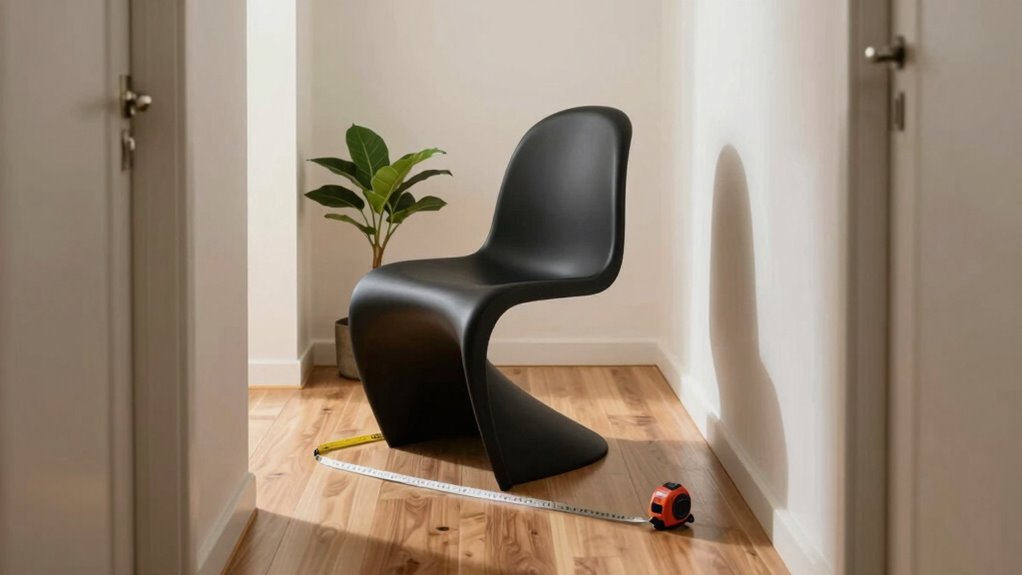
When choosing a chair, understanding the turning radius can make a significant difference in your overall comfort and mobility. The turning radius directly impacts chair maneuverability, especially in tight spaces. If you live in a compact area or navigate narrow hallways, a chair with a smaller turning radius will help you move freely without constant adjustments. This not only enhances your daily experience but also aids in space optimization, ensuring you can utilize every inch of your home effectively. A chair that turns easily allows you to access different areas without hassle, making your environment more accessible. So, before making a decision, consider how the turning radius aligns with your living space and movement needs.
How to Measure Turning Radius Like a Pro
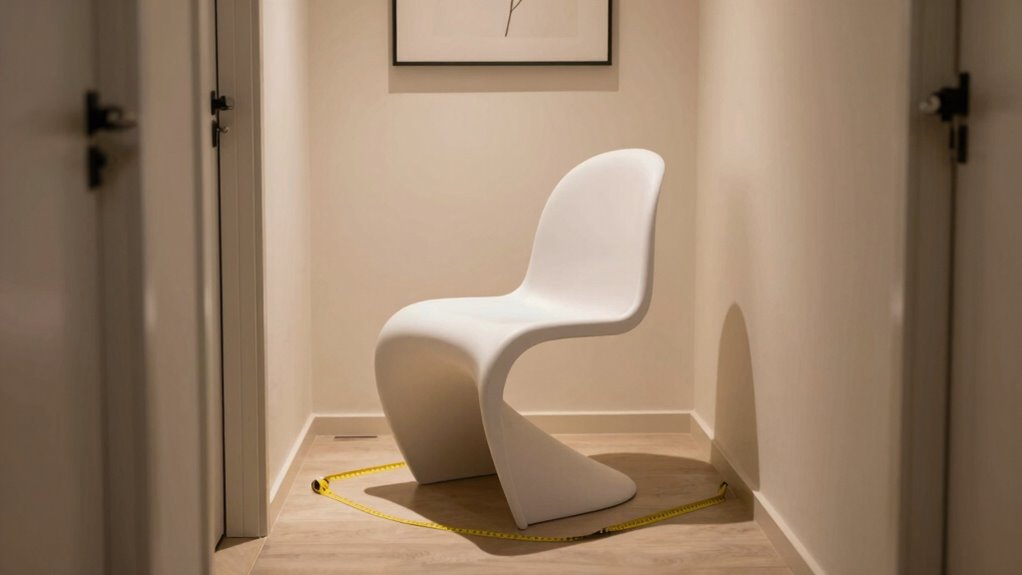
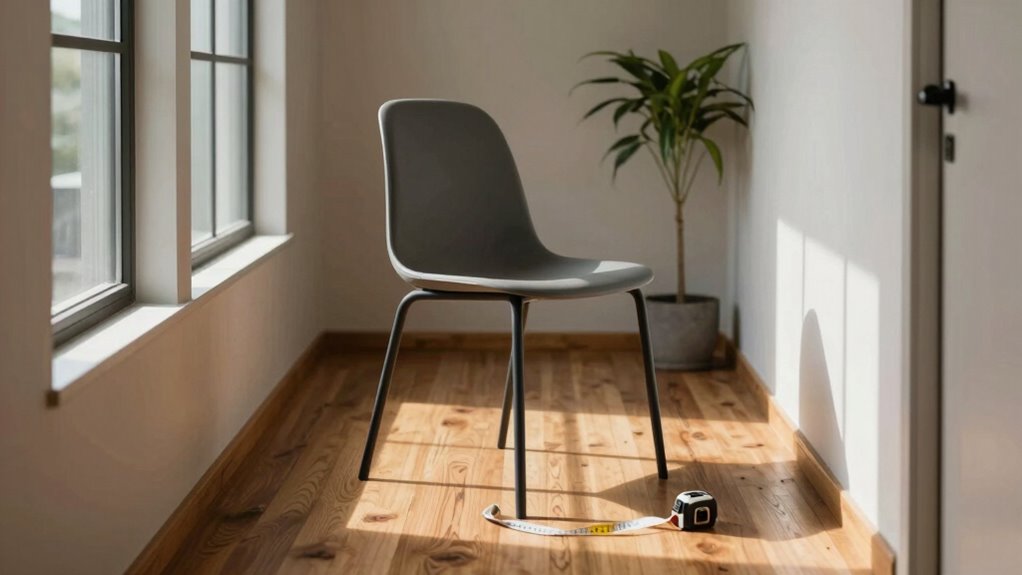
To measure turning radius like a pro, you need to understand your chair dimensions and the space in your hallway. Start by checking the width and depth of your chair, then assess the clearance in your hallway. This way, you’ll guarantee smooth navigation without any hiccups.
Understanding Chair Dimensions
Measuring the turning radius of a chair is essential for guaranteeing it fits comfortably in your space and allows for easy movement. To get it right, consider these key chair dimensions:
- Chair Width: This affects how easily the chair can navigate tight spots.
- Seat Height: Affects your comfort and how well you can get in and out of the chair.
- Armrest Design: Confirm armrests don’t interfere with movement or fit.
When measuring, also think about cushion depth, backrest angle, and leg space. These factors contribute to the chair’s ergonomic features and overall comfort, which can enhance your overall well-being. Additionally, understanding kitchen science can help you choose materials that withstand everyday wear and tear. Keep in mind material durability and style compatibility to match your décor while guaranteeing it meets your weight capacity needs. Additionally, consider how filtration/suction basics can enhance your cleaning routine to maintain the chair’s condition over time.
Measuring Your Hallway Space
As you navigate the process of measuring your hallway space, understanding how the turning radius impacts mobility is essential. Start by measuring the hallway width at various points to guarantee consistency. A standard turning radius for most chairs is around 36 inches, so make certain your hallway can accommodate this. Additionally, consider that acoustic treatments can enhance the overall environment, making it more inviting. Proper air circulation is also crucial, as it can affect the overall comfort of the space, especially with humidity control in mind. Maintaining indoor air quality is vital since it can impact your health and comfort. According to recent studies, reducing microplastics in dust can significantly improve the air quality in your home. Next, consider how your furniture placement affects movement; items like coat racks or side tables can create obstacles. Mark where your chair will be positioned and visualize its path to turn smoothly. Additionally, keeping your space clutter-free can help maintain an optimal HEPA filter environment for better air quality. By taking these steps, you’ll confirm your hallway is not just a passage but a functional space that allows for easy navigation with your newly chosen chair. Don’t forget to account for any additional space needed for maneuvering.
Chair Designs and Their Turning Radii
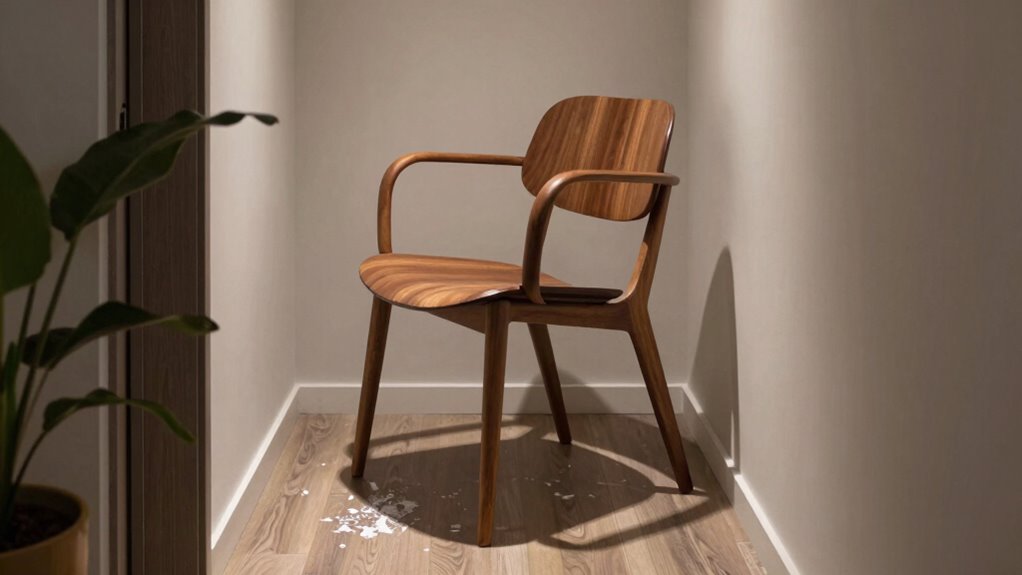
When choosing a chair, understanding its turning radius can make a big difference in your space and comfort. An ergonomic design isn’t just about how the chair feels; it also impacts how it moves within your environment. Here are three key factors to take into account:
Understanding a chair’s turning radius is essential for comfort and space efficiency, influencing both design and movement in your environment.
- Chair Width: Wider chairs may require more space to turn, limiting your options in tight areas.
- Seat Height: Higher seats can affect how easily you maneuver the chair, especially in narrow hallways.
- Armrests: Fixed or bulky armrests can impede movement, complicating space optimization. Additionally, considering smart furniture solutions can help maximize your available space while keeping comfort in mind.
Practical Tips for Fitting Chairs in Tight Spaces
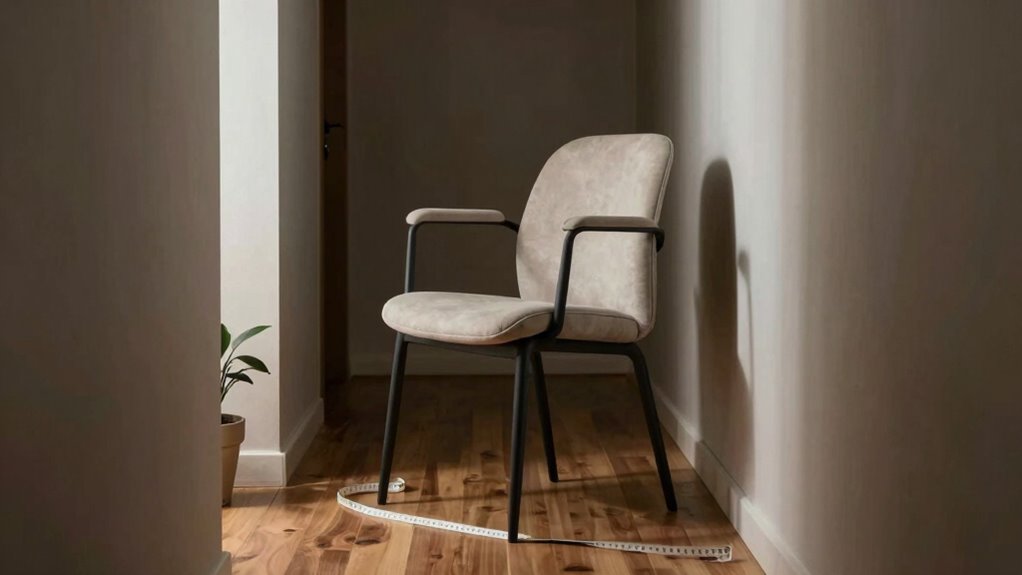
When you’re fitting chairs in tight spaces, measuring before you buy is essential. This way, you’ll know exactly what will work without any surprises. Also, consider swivel options—they can make maneuvering small areas much easier. Additionally, understanding smart choices when selecting furniture can enhance both functionality and style in compact areas.
Measure Before Purchase
Sure! Here’s your revised article subheading content with the requested changes:
—
Measuring your space before purchasing a chair can save you a lot of headaches. Here are three key aspects to take into account:
- Hallway Width: Make sure the chair can navigate through narrow spaces without causing damage or frustration. Consider integrating smart home security systems to monitor these areas for added safety. Additionally, be aware that recumbent bikes for seniors can also require similar space considerations when ensuring safe navigation. Implementing effective privacy practices can also help protect your personal space from unwanted intrusions.
- Ergonomic Considerations: Choose a chair that fits your body and promotes personal comfort, especially if it’ll be used frequently. Proper ergonomics can help prevent discomfort and enhance your overall well-being.
- Furniture Arrangement: Reflect on how the chair will fit with existing pieces, making certain it complements your design aesthetics and style versatility. Additionally, consider how smart home technology can optimize your living space, making it more functional and comfortable. Thoughtful arrangement can enhance mobility and accessibility, ensuring a safer environment.
—
Let me know if you need any further modifications!
Consider Swivel Options
—
How can you make the most of tight spaces while ensuring comfort? Considering swivel options is key. Swivel chairs utilize advanced swivel mechanics, allowing you to turn without requiring excessive space. This can be a game-changer in cramped areas, making it easier to navigate around furniture. Remember that ergonomics play a crucial role in maintaining comfort and productivity in any workspace, and incorporating smart programming can further enhance your overall seating experience. Additionally, understanding air circulation can help ensure your space remains comfortable and inviting. In tight spaces, it’s also important to consider portable power solutions that can keep your devices charged without cluttering the area. Furthermore, investing in connected equipment can offer new ways to optimize your fitness routine while utilizing limited space effectively.
Here’s a quick table to help you visualize your options:
| Chair Type | Space Required | Best Use |
|---|---|---|
| Standard Chair | 3 ft | General seating |
| Swivel Chair | 2 ft | Tight spaces |
| Recliner Swivel | 3.5 ft | Comfort with flexibility |
| Ottoman Swivel | 2 ft | Footrest or extra seat |
—
Feel free to ask if you need any more adjustments!
Common Chair Sizing Mistakes to Avoid
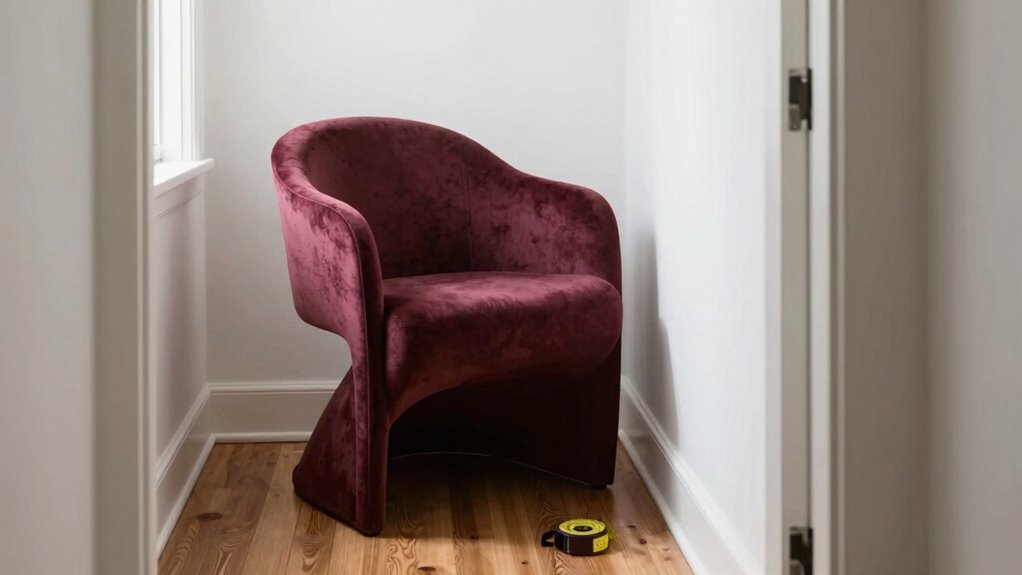
Here’s the revised content with the addition as per your instructions:
—
Choosing the right size chair can make or break a space, yet many people overlook essential details. Here are three common mistakes to avoid:
- Ignoring Chair Width: Confirm your chair fits comfortably in your space without crowding other furniture. A poorly sized chair can disrupt sleep hygiene by creating an uncomfortable environment. Additionally, consider how anti-fatigue mats can enhance comfort if you’re using a standing desk.
- Neglecting Comfort Considerations: A stylish chair might look great, but if it’s not comfortable, it won’t serve its purpose.
- Overlooking Material Durability: Choose materials that withstand daily use while maintaining design aesthetics and style versatility. Additionally, consider the door swings in your layout, as they can significantly impact your chair’s placement and function.
—
Feel free to ask for any further modifications!
How to Overcome Real-Life Turning Radius Challenges
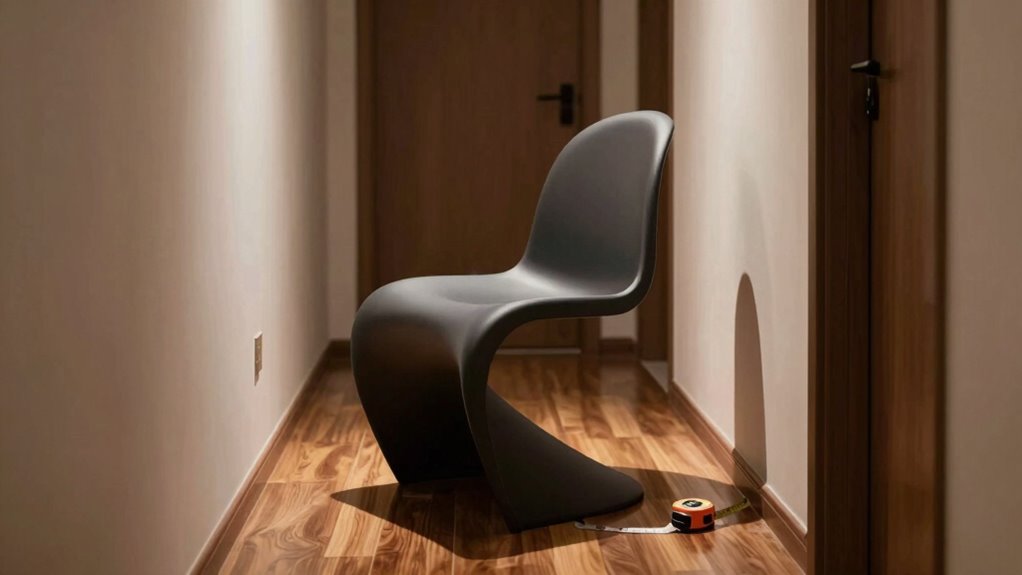
Ever wondered how to navigate tight spaces with ease? Overcoming real-life turning radius challenges requires smart space optimization strategies and effective mobility solutions. Start by evaluating your environment. Measure your hallways and doorways to understand your limits. Additionally, consider how portable pizza ovens can inspire creative layouts in your outdoor spaces.
Here’s a quick reference table to help you:
| Strategy | Description |
|---|---|
| Choose Compact Designs | Opt for smaller furniture pieces. |
| Use Swivel Bases | Consider chairs with swivel options. |
| Declutter Spaces | Remove obstacles that limit movement. |
| Plan Layouts | Arrange furnishings for better flow. |
Applying Your Measurements: Choosing the Right Chair

Certainly! Here’s your revised content:
—
When it comes to selecting the perfect chair for your space, understanding your measurements is essential. You’ll want to guarantee that your chair not only fits comfortably but also enhances your room’s functionality. Consider these key factors for effective space optimization:
- Width and Depth: Measure the area where you plan to place the chair to guarantee it fits without crowding. Using space-saving techniques can help you visualize how the chair will fit in your room.
- Height: Check the seat height against your table or desk to promote good chair ergonomics.
- Turning Radius: Guarantee the chair can rotate smoothly without obstruction, especially in tight spaces. A chair with a high refresh rate can ensure smoother movement when navigating tight areas.
—
Let me know if you need any further adjustments!
Finding the Perfect Chair for Your Home’s Layout
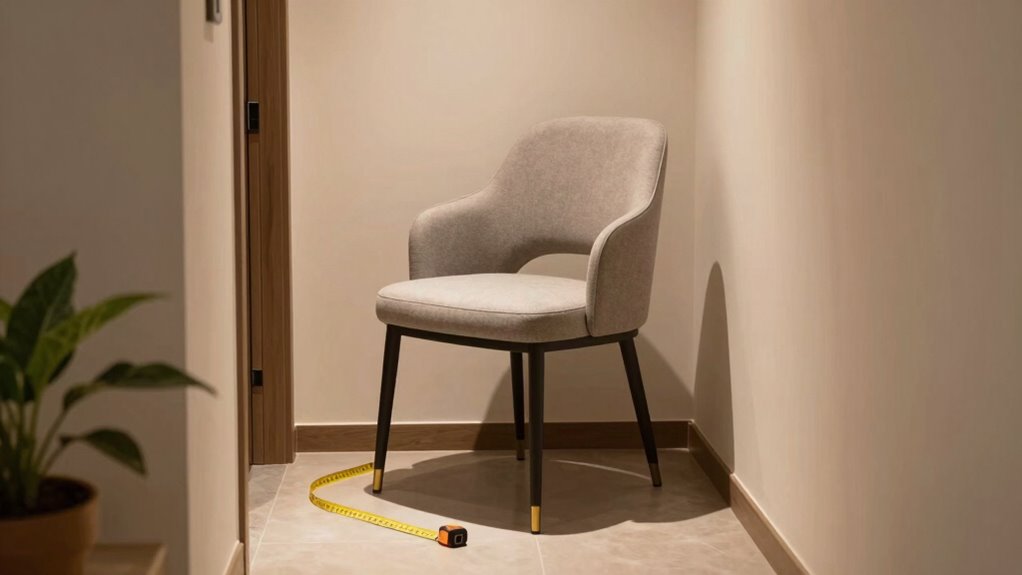
Finding the right chair for your home’s layout can transform a space, making it not only more functional but also more inviting. When you choose a chair, consider various factors to guarantee it fits seamlessly into your design. Here’s a quick guide to help you:
| Feature | Considerations | Importance |
|---|---|---|
| Design Aesthetics | Match with existing decor | Enhances overall look |
| Comfort Preferences | Choose based on how you sit | Increases usability |
| Space Optimization | Measure for fit | Prevents clutter |
| Material Durability | Look for quality fabrics | Assures longevity |
Don’t forget about style versatility and color coordination to elevate your space. Prioritize ergonomic support for health, and think about maintenance considerations for long-term satisfaction.
Frequently Asked Questions
Can Turning Radius Affect Wheelchair Accessibility in My Home?
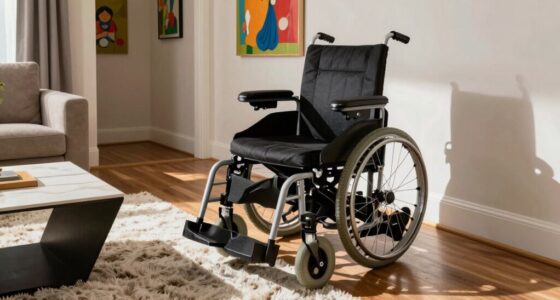
Absolutely, turning radius can greatly affect wheelchair accessibility in your home. If your wheelchair dimensions exceed the available hallway width, you’ll face maneuverability challenges. Make sure your hallways and doorways accommodate both the turning radius and accessibility features you need. Consider measuring spaces and potentially modifying areas to avoid tight spots. This way, you’ll create a more accessible environment, allowing smooth navigation throughout your home without obstacles.
What Is the Standard Turning Radius for Most Office Chairs?
Most office chairs have a standard turning radius of about 24 to 36 inches, depending on their chair dimensions and design. This radius is essential for ensuring you can maneuver easily in tight spaces. When considering space requirements, make sure to account for this turning radius to avoid any obstacles. A chair that doesn’t fit your available area can limit your mobility and comfort, so choose wisely!
How Does Furniture Arrangement Influence Turning Radius?
Furniture arrangement directly influences turning radius by affecting space optimization and movement flow. If you place items too close together, it limits how freely you can turn your chair or navigate through the area. To enhance movement flow, make certain there’s enough clearance around your furniture, allowing for smooth shifts. By thoughtfully arranging your space, you’ll create a more functional environment, making it easier to maneuver without feeling cramped or restricted.
Are There Specific Chairs Designed for Small Turning Radii?
When you’ve got a small space, you’ve gotta think smart! Yes, there are specific chairs designed for small turning radii. Look for space-saving chairs with swivel options; they make maneuvering easier in tight areas. These designs often feature compact dimensions and enhanced mobility, allowing you to enjoy comfort without sacrificing space. Choosing the right piece can truly maximize your room’s functionality while keeping it stylish. So, go ahead and explore those options!
Can Turning Radius Impact Chair Stability on Uneven Floors?
Yes, turning radius can impact chair stability on uneven floors. If a chair’s design doesn’t account for uneven surfaces, you might face stability concerns while using it. A tighter turning radius could make the chair more prone to tipping or wobbling. When choosing a chair, consider design considerations that enhance stability, ensuring a better user experience even on challenging floors. Always test it out in your space before making a decision.
Conclusion
In your quest for the quintessential chair, don’t dismiss the importance of the turning radius. By measuring meticulously and mindfully considering your space, you can avoid the frustration of furniture faux pas. Remember, it’s not just about style; it’s about suitability. So, select smartly, ensuring your chair can glide gracefully through your home’s nooks and crannies. With the right choice, you’ll create a cozy, comfortable corner that complements your living space beautifully.