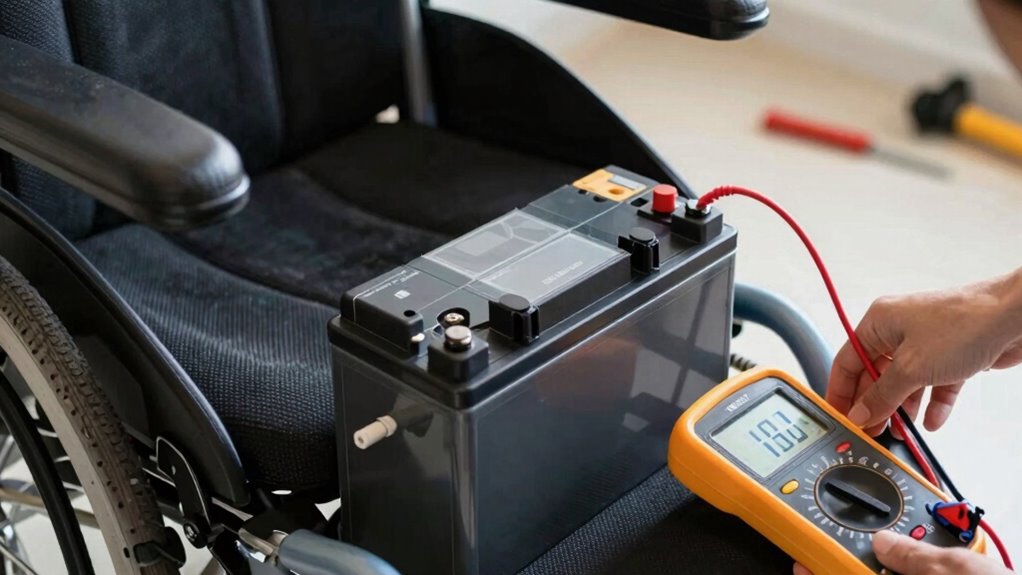

When it comes to power wheelchair batteries, choosing the right type is key. Lithium batteries are lighter and last longer, while lead acid ones are bulkier and need more upkeep. Battery capacity affects your range, so consider your travel needs. Regular maintenance and smart charging practices can boost battery life considerably. Plus, many common myths could lead you astray. There’s a lot more to know about optimizing your battery for peak performance.
Key Takeaways
- Battery Type Selection: Choose between lithium and lead acid based on weight, maintenance needs, and your mobility lifestyle for optimal performance.
- Capacity and Range: Higher battery capacity increases travel range, but consider discharge rates for efficiency in various conditions.
- Maintenance Practices: Regular inspections and proper storage can significantly enhance battery longevity and performance.
- Charging Habits: Charge batteries after each use and avoid overcharging to extend lifespan and ensure reliability.
- Debunking Myths: Understand the truths about battery care, like avoiding full discharges, to maintain performance and reduce stress.
Choosing the Right Battery Type for Your Power Wheelchair
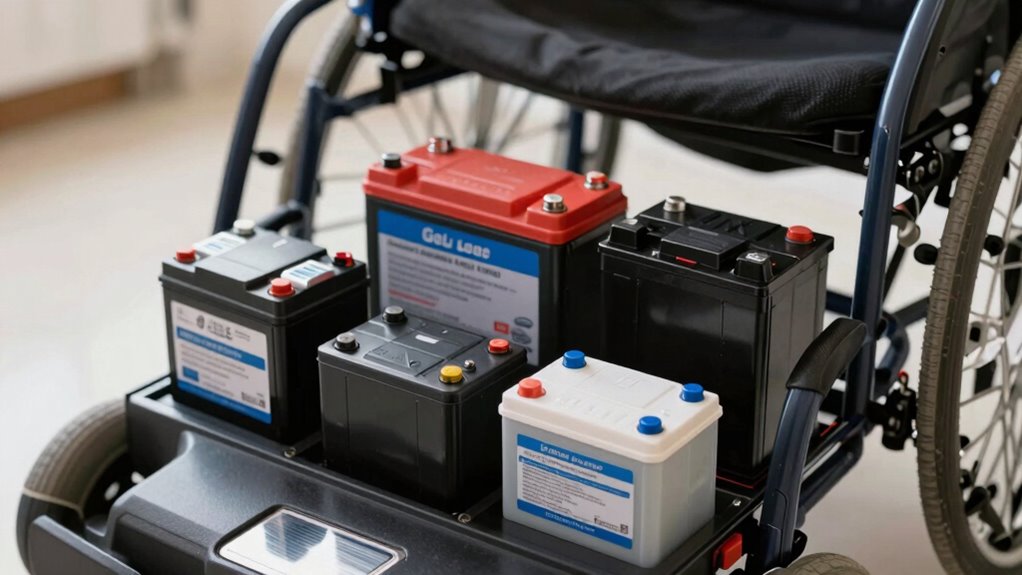
When it comes to selecting the right battery type for your power wheelchair, understanding your needs is essential. You’ll find that lithium batteries offer significant advantages. They’re lighter, charge faster, and last longer than traditional options. Plus, they require less maintenance, so you can focus more on your mobility and less on battery upkeep. On the other hand, lead acid batteries have some notable drawbacks. They’re heavier and bulkier, which can affect your chair’s overall weight and maneuverability. Additionally, lead acid batteries often need more frequent replacements and maintenance, which can be a hassle. So, weigh these factors carefully to choose the battery that best suits your lifestyle and guarantees you’re always ready to move. Moreover, considering the impact of weight on your wheelchair’s performance is crucial in making your decision.
How Battery Capacity Affects Power Wheelchair Performance

Battery capacity plays an essential role in your power wheelchair’s performance, as it directly impacts how far and how efficiently you can travel. A higher capacity means you’ll enjoy an increased battery range, allowing for longer trips without the need for frequent recharging. However, keep in mind that discharge rates play an important part too. If your wheelchair uses power too quickly—whether due to steep inclines or heavy loads—you might drain the battery faster than expected. Balancing battery capacity with these discharge rates guarantees optimal performance for your needs. By understanding how these factors interact, you can make informed choices, ensuring a smoother and more reliable ride every time you head out.
Top Maintenance Practices to Extend Your Battery’s Life
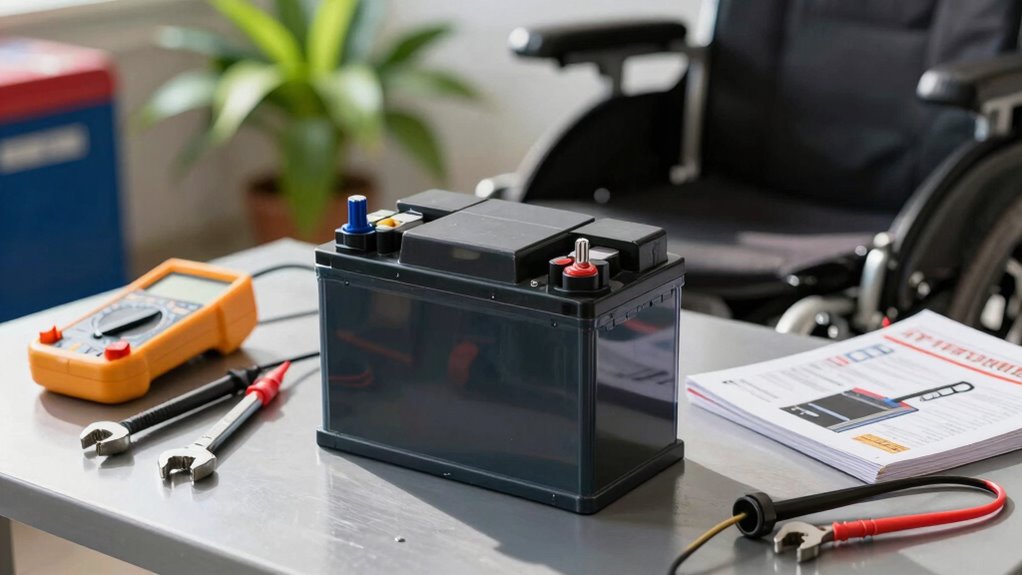
To guarantee your power wheelchair’s battery lasts as long as possible, regular maintenance is essential. Start with regular inspections to check for any signs of wear or corrosion on terminals and cables. Clean connections as needed to maintain peak performance. Next, focus on ideal storage; keep your wheelchair in a cool, dry place when not in use. Extreme temperatures can damage the battery, so avoid leaving it in hot cars or damp areas. Additionally, make it a habit to check the battery charge level frequently. A well-maintained battery not only extends its lifespan but also boosts your wheelchair’s overall performance. By following these practices, you’ll ensure your battery remains reliable for years to come. Regularly monitor low-voltage cutoff settings to prevent deep discharges, which can harm your battery.
Top Charging Tips for Battery Life

Maintaining your power wheelchair’s battery involves more than just regular inspections; how you charge it plays a crucial role in its longevity. To maximize your battery life, pay attention to your charging frequency. Ideally, charge your battery after each use, especially if you’ve drained it considerably. This helps prevent deep discharges that can shorten its lifespan. Different battery brands may have specific charging recommendations, so always check the manufacturer’s guidelines. Avoid overcharging, as this can lead to overheating and damage. Finally, keep your charger and battery connections clean to promote efficient charging. By following these tips, you’ll not only extend your battery life but also enhance the overall performance of your power wheelchair.
Debunking Myths About Power Wheelchair Batteries

Have you ever wondered what myths surround power wheelchair batteries? It’s time to clear the air and debunk some common misconceptions that could impact your battery lifespan.
- Charging overnight damages the battery.
- Bigger batteries always last longer.
- You should fully discharge your battery before recharging.
These myth misconceptions can lead to unnecessary stress and maintenance issues. In reality, many modern batteries are designed to handle overnight charging without damage. Size doesn’t always equate to longevity; battery quality matters more. Plus, fully discharging your battery can actually shorten its lifespan. Understanding these truths helps you make informed decisions, ensuring your power wheelchair remains reliable and efficient for years to come.
Frequently Asked Questions
How Do I Dispose of Old Power Wheelchair Batteries Safely?
To dispose of old power wheelchair batteries safely, find local battery recycling options. Many retailers and recycling centers accept batteries for proper disposal. By recycling, you reduce the environmental impact of hazardous materials ending up in landfills. Always check with your municipality for specific guidelines and drop-off locations. Taking these steps guarantees you’re handling your old batteries responsibly, protecting both your community and the planet.
Can I Use a Car Battery in My Power Wheelchair?
You wouldn’t want to mix apples and oranges, right? Similarly, you can’t use a car battery in your power wheelchair. Car batteries aren’t designed for wheelchair power requirements and may not meet the necessary voltage or compatibility. This mismatch could lead to poor performance or even damage your wheelchair. Stick with the recommended batteries for your device to guarantee reliability and safety. It’s just not worth the risk to try alternatives!
What Signs Indicate My Battery Needs Replacement?
If you notice your power wheelchair’s battery lifespan is shorter than usual or it struggles to hold a charge, it’s time for a replacement. You might also see warning lights or experience slower speeds. Regular maintenance tips, like keeping terminals clean and checking connections, can help extend battery life, but ultimately, if these signs appear, don’t wait too long to replace it. Your mobility depends on a reliable battery!
Are There Warranties Available for Power Wheelchair Batteries?
Yes, there are warranties available for power wheelchair batteries! Think about it: just like your car battery, these batteries deserve some protection, too. Most manufacturers offer warranty coverage that can range from one to three years, depending on the brand and model. To make the most of it, keep up with battery maintenance. Regular checks and proper care can extend your battery’s life and guarantee you’re covered when you need it most.
How Do Temperature Extremes Affect Battery Performance?
Temperature extremes can greatly impact your battery’s performance. High heat can cause the battery to overheat, reducing its lifespan and efficiency. On the other hand, cold temperatures can lead to diminished power output and slower charging times. To maintain ideal performance, try to keep your battery within the recommended temperature range. Taking these precautions can help extend your battery’s lifespan and guarantee it operates effectively when you need it most.
Conclusion
In the world of power wheelchairs, understanding battery basics can feel overwhelming, but it doesn’t have to be. While the right battery type fuels your mobility, proper maintenance and charging practices keep you rolling smoothly. You might think myths hold some truth, but debunking them reveals the real facts. Balancing knowledge and care makes all the difference. So, equip yourself with the right info, and you’ll not only extend your battery’s life but also enhance your independence.