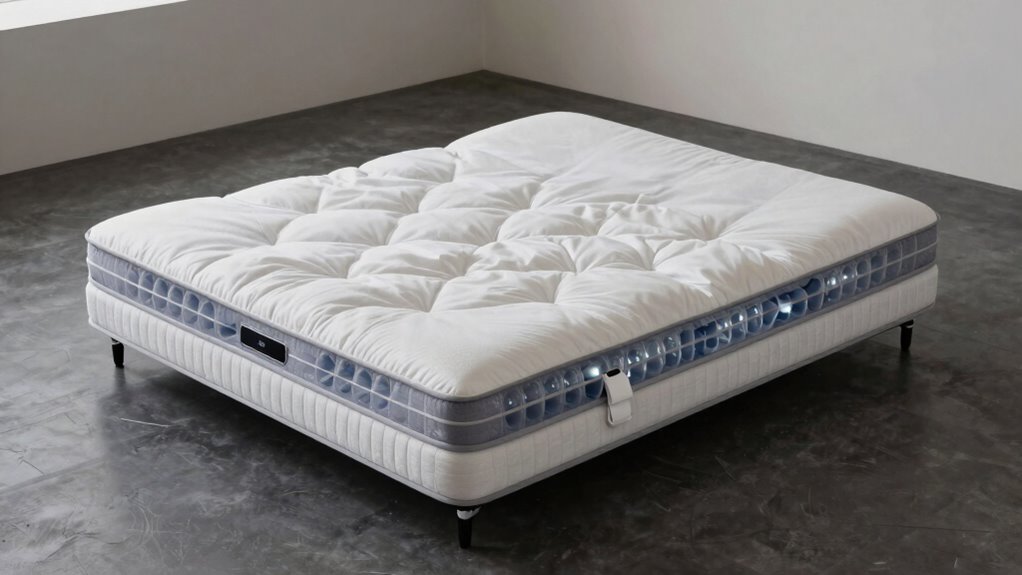

For those seeking effective pressure relief at home, a low air loss mattress system can significantly improve comfort and skin health, especially for long-term users or those with pressure sore risks. The Protekt Aire 4000 stands out as the best overall choice thanks to its reliable performance and user-friendly features. For more budget-conscious options, the Vive 8″ Alternating Pressure Mattress offers solid pressure redistribution without high costs. However, these systems often involve tradeoffs between ease of setup, noise levels, and maintenance needs. Keep reading to explore detailed reviews and find the right fit for your specific requirements.

Give the gift of listening to someone you love
- Choose a 1-, 3-, 6- or 12-month membership
- They pick the audiobooks they love
- Easy to send by email
Complete the kit


Key Takeaways
- The top models balance effective pressure relief with ease of use, especially for non-professional caregivers.
- Noise levels and pump durability are critical but often overlooked factors impacting daily comfort.
- Bigger or bariatric-compatible systems tend to be more expensive but offer necessary support for heavier users.
- Features like remote controls and static modes add convenience but can increase complexity and cost.
- Price ranges vary widely; investing more generally improves durability and advanced features, but budget options can still provide reliable relief.
| Protekt Aire 4000 Low Air Loss/Alternating Pressure Mattress System |  | Best Overall for Medical-Grade Pressure Relief | Brand: ProTEKt | Model Number: 22017 | Included Components: Mattress cover, air pump, tubing/connectors | VIEW ON AMAZON | See Our Full Breakdown |
| MedVance Medical Alternating Air Mattress with Remote Control – 8″ Thick |  | Best for Quiet Operation and Digital Control | Thickness: 8 inches | Size: 80″ x 36″ x 8″ | Weight Capacity: 450 pounds | VIEW ON AMAZON | See Our Full Breakdown |
| Lunderg Alternating Air Pressure Mattress Pad with Static Mode & Quiet Pump |  | Best for Bedsores Prevention and Home Care | Maximum Weight Support: 300 lbs | Pump Noise Level: 23 dBA | Modes: Alternating and Static | VIEW ON AMAZON | See Our Full Breakdown |
| Vive 8″ Alternating Pressure Mattress – Low Air Loss Hospital Replacement |  | Best for Preventing Pressure Ulcers at Home | Size: 8 inches | Number of Air Chambers: 16 | Weight Capacity: 350 pounds | VIEW ON AMAZON | See Our Full Breakdown |
| Invacare MA500 microAIR Alternating Pressure Mattress System, 350 lb. Capacity |  | Best for Low to Medium Risk Pressure Sore Prevention | Weight Capacity: 350 lbs | Intended Use: Low to medium risk of pressure sores | Cycle Type: Two-cell cycle (inflates and deflates in 2:1 cycle) | VIEW ON AMAZON | See Our Full Breakdown |
| Drive Medical Med-Aire Low Air Loss Mattress Replacement System |  | Best Overall for Reliable Pressure Relief and Monitoring | Material: Polycarbonate | Made in: USA | Number of Bladders: 20 | VIEW ON AMAZON | See Our Full Breakdown |
| Drive Medical Med-Aire Melody Alternating Pressure and Low Air Loss Mattress Replacement System |  | Best for Dynamic Pressure Redistribution and Microclimate Control | Air Cells: 20 | Depth of Air Cells: 8 inches | Features: Alternating pressure, low air loss, adjustable weight, visual alarm | VIEW ON AMAZON | See Our Full Breakdown |
| Drive Medical Med Aire Plus Bariatric Low Air Loss Mattress, 80 x 42 Inch |  | Best for Bariatric Support and Heavy-Duty Pressure Relief | Dimensions: 80″ x 42″ x 10″ | Weight Capacity: 600 lbs | Pump Airflow: 12 LPM | VIEW ON AMAZON | See Our Full Breakdown |
| ProHeal Low Air Loss Alternating Pressure Mattress – 36” x 80” x 8″ |  | Best for Bed Sore Prevention and Home Use with Safety Features | Dimensions: 36” x 80” x 8″ | Number of Bladders: 20 | Cycle Options: 10, 15, 20, 25 minutes | VIEW ON AMAZON | See Our Full Breakdown |
More Details on Our Top Picks
Protekt Aire 4000 Low Air Loss/Alternating Pressure Mattress System
The Protekt Aire 4000 stands out for its comprehensive pressure relief capabilities, combining low air loss with alternating pressure functions tailored for adult patients. Unlike the MedVance mattress, which offers quieter operation and easier digital controls, the Protekt Aire’s moderate customer ratings suggest it may lack durability or user-friendly features. Its included components—pump, cover, and tubing—make setup straightforward, but limited details about long-term use or adjustment ease mean it’s best suited for users with some familiarity with medical equipment. The system excels in delivering effective pressure redistribution but may fall short in durability and ease of use for casual or infrequent home users.
Pros:- Effective combination of low air loss and alternating pressure
- Complete package with cover, pump, and connectors
- Designed specifically for adult medical needs
Cons:- Limited info on durability and long-term ease of use
Best for: Adults requiring continuous, reliable pressure relief with a focus on medical-grade support
Not ideal for: Home users seeking a simple, low-maintenance mattress, due to limited durability info and moderate ratings
- Brand:ProTEKt
- Model Number:22017
- Included Components:Mattress cover, air pump, tubing/connectors
- Number of Items:1
Our verdict“This system is best for users who prioritize comprehensive pressure therapy over ease of use or affordability.”
MedVance Medical Alternating Air Mattress with Remote Control – 8″ Thick
The MedVance Medical Alternating Air Mattress makes a strong case for home use by combining ultra-quiet operation, digital controls, and a sturdy water-resistant cover, compared with the Protekt Aire’s more basic setup. Its 8-inch thickness and digital diagnostics make it easier to operate and troubleshoot, ideal for caregivers seeking convenience. However, its size—bulky for small bedrooms—and requirement for a power outlet mean it may not suit spaces with limited room or portable needs. Although it offers high patient comfort and safety, its higher price point and bulkiness can be drawbacks for those with minimal space or budget constraints.
Pros:- Ultra-quiet pump operation (less than 20 dB)
- Digital controls with diagnostic alarms
- Removable, water-resistant cover for easy maintenance
Cons:- Bulky design may be difficult to store in small spaces
- Requires continuous power access
Best for: Caregivers or users who need a quiet, easy-to-adjust system with advanced controls in a spacious environment
Not ideal for: Small apartments or users with limited storage space due to its bulk and size
- Thickness:8 inches
- Size:80″ x 36″ x 8″
- Weight Capacity:450 pounds
- Material:Hospital grade nylon cover
- Pump Noise Level:Less than 20 dB
Our verdict“This pick suits those who want sophisticated control and quiet operation in a larger, more accessible setting.”
Lunderg Alternating Air Pressure Mattress Pad with Static Mode & Quiet Pump
The Lunderg Alternating Air Pressure Mattress Pad is designed for effective prevention and treatment of bedsores, with a quiet pump and dual modes—alternating and static—that support long-term use. Compared to the MedVance, it is easier to set up with a shorter inflation time of around 20 minutes, making it more convenient for home caregivers. Its support up to 300 lbs makes it suitable for most adult users, but less ideal for heavier patients or those at very high risk of pressure ulcers. While durable and straightforward, the setup process and need for a power connection may pose challenges for users seeking a quick, portable solution.
Pros:- Helps prevent and heal bedsores effectively
- Quiet pump with adjustable pressure control
- Supports long-term use in hospital or home settings
Cons:- Inflation takes about 20 minutes
- Requires connection to a power outlet
Best for: Home caregivers managing patients prone to bedsores or needing pressure redistribution with minimal complexity
Not ideal for: Users requiring higher weight capacity or a system for very high-risk pressure ulcer prevention
- Maximum Weight Support:300 lbs
- Pump Noise Level:23 dBA
- Modes:Alternating and Static
- Setup Time:Approximately 20 minutes
- Material:Waterproof and durable
Our verdict“This mattress pad is well-suited for users focused on pressure sore prevention in a stable, home environment.”
Vive 8″ Alternating Pressure Mattress – Low Air Loss Hospital Replacement
The Vive 8″ Alternating Pressure Mattress is designed with 16 air chambers, offering customizable pressure settings ideal for preventing pressure ulcers in home care or hospital-like settings. Compared to the Lunderg pad, it provides more chambers for finer pressure adjustments, but may require more maintenance and setup time. Its waterproof vinyl cover ensures durability, yet the multiple chambers mean a more complex setup process, which could be daunting for casual users. Its 350-pound capacity makes it versatile for a range of users, although the need for regular maintenance and chamber management adds complexity.
Pros:- Helps prevent pressure ulcers effectively
- Multiple chambers for personalized comfort
- Quiet pump operation and waterproof cover
Cons:- Requires setup and maintenance of multiple chambers
- Limited warranty (60 days)
Best for: Home users or caregivers needing a reliable, hospital-style mattress with adjustable pressure zones
Not ideal for: Users seeking a simple, plug-and-play solution or with limited time for maintenance
- Size:8 inches
- Number of Air Chambers:16
- Weight Capacity:350 pounds
- Cover Material:Waterproof vinyl
- Pump:Variable pressure, ultra-quiet
Our verdict“This mattress is best for caregivers who want a hospital-grade solution capable of detailed pressure management in a home setting.”
Invacare MA500 microAIR Alternating Pressure Mattress System, 350 lb. Capacity
The Invacare MA500 microAIR system provides targeted pressure redistribution for users at low to medium risk of pressure ulcers, incorporating a cell-in-cell design that maintains therapy during power outages. Its specialized design makes it less suitable for high-risk or stage IV pressure ulcers but excellent for those with early-stage concerns. Compared with the Vive mattress, it offers more advanced safety features and a breathable cover, though its focus on lower-risk patients limits its versatility for more severe cases. The system’s cycle times and safety features support consistent therapy, but it relies on continuous power and might be overkill for users with minimal needs.
Pros:- Effective pressure redistribution
- Cell-in-cell safety design during power failure
- Breathable, easy-to-clean cover
Cons:- Limited to low and medium risk patients
- Requires continuous power
Best for: Individuals at low to medium risk of pressure sores seeking a reliable, safe therapy system at home
Not ideal for: High-risk patients or those with severe stage IV ulcers needing more intensive pressure management
- Weight Capacity:350 lbs
- Intended Use:Low to medium risk of pressure sores
- Cycle Type:Two-cell cycle (inflates and deflates in 2:1 cycle)
- Cover Material:Vapor permeable quilted nylon
- Safety Feature:Cell-in-cell design for power failure safety
Our verdict“This system is ideal for users with early-stage pressure concerns who want safety features for peace of mind at home.”
Drive Medical Med-Aire Low Air Loss Mattress Replacement System
The Drive Medical Med-Aire system stands out for its effective pressure relief thanks to its adjustable air cell design, which helps prevent pressure ulcers better than simpler static mattresses. Its built-in automatic pressure monitoring and alarm system provide peace of mind, especially compared to basic low air loss models without safety alerts. However, its complex setup and maintenance needs may be challenging for users unfamiliar with medical equipment, and the higher cost reflects its advanced features. This model is ideal for caregivers seeking reliable, monitored support for at-risk patients at home, but less suitable for those who prefer a straightforward, low-maintenance solution.
Pros:- Provides effective pressure relief and comfort
- Includes automatic pressure monitoring and alarm system
- Breathable and moisture-reducing surface
Cons:- Complex setup may require training
- Potentially high cost for advanced features
Best for: Caregivers or families needing a high-tech, monitored system for at-home pressure ulcer prevention.
Not ideal for: Individuals seeking an easy-to-install, budget-friendly mattress without active monitoring features.
- Material:Polycarbonate
- Made in:USA
- Number of Bladders:20
- Bladder Size:8-inch
- Cover Material:Vapor permeable
Our verdict“This pick makes the most sense for users who prioritize safety and monitoring in a pressure relief system, despite a steeper learning curve and price.”
Drive Medical Med-Aire Melody Alternating Pressure and Low Air Loss Mattress Replacement System
Compared with the Med-Aire system, the Melody model enhances comfort with alternating pressure and low air loss, providing superior pressure redistribution and shear reduction. Its adjustable weight settings and removable air cells make maintenance easier, but the setup can be challenging for users unfamiliar with complex systems. The visual low air pressure alarm adds safety, although regular performance checks are necessary. This mattress suits caregivers who want a versatile solution that combines pressure relief with climate control, yet it might be overkill for those needing only basic support.
Pros:- Provides effective pressure redistribution and microclimate control
- Adjustable weight settings for personalized comfort
- Easy to service with removable air cells and cover
Cons:- May require regular maintenance to ensure optimal performance
- Complex setup might be challenging for some users
Best for: Families or caregivers looking for a versatile, adjustable system with microclimate benefits.
Not ideal for: Users preferring a simple, low-cost mattress without features like alternating pressure or alarms.
- Air Cells:20
- Depth of Air Cells:8 inches
- Features:Alternating pressure, low air loss, adjustable weight, visual alarm
Our verdict“Ideal for those wanting a flexible, comfort-focused system with climate management, but expect some setup complexity and upkeep.”
Drive Medical Med Aire Plus Bariatric Low Air Loss Mattress, 80 x 42 Inch
The Med Aire Plus Bariatric mattress is designed specifically for larger patients, supporting up to 600 lbs with its cell-on-cell design that minimizes bottoming out risks. Its digital pump with diagnostic alarms offers reliable operation, but the weight and size may make installation and daily handling more complicated compared to standard models like the Melody. The inclusion of a pillow function adds comfort, but the device’s bulkiness limits portability. It’s a strong choice for heavy-duty pressure relief at home, especially for bariatric patients, though it demands space and professional setup for optimal use.
Pros:- Effective pressure redistribution for bariatric patients
- Cell-on-cell design prevents bottoming out
- Digital pump with diagnostic alarms for troubleshooting
Cons:- Heavy and bulky for some users
- Requires regular maintenance and professional setup
Best for: Bariatric patients or caregivers needing a high-capacity, durable pressure redistribution system.
Not ideal for: Those with limited space or seeking a lightweight, portable mattress for occasional use.
- Dimensions:80″ x 42″ x 10″
- Weight Capacity:600 lbs
- Pump Airflow:12 LPM
- Cycle Time:10, 15, 20, 25 Minutes
- Number of Air Cells:20
- Power Outage Protection:24 hours
Our verdict“Best suited for heavy patients requiring durable, high-capacity support, though its size demands careful handling and space planning.”
ProHeal Low Air Loss Alternating Pressure Mattress – 36” x 80” x 8″
The ProHeal mattress excels at preventing and treating bed sores, with 20 customizable bladders and multiple pressure modes. Its cell-on-cell design ensures safety during power failures and rapid deflation, offering peace of mind alongside effective pressure redistribution. The moisture-wicking, fluid-resistant cover promotes skin health, making it suitable for long-term home or clinical use. However, its reliance on consistent power and higher price point might deter those seeking a more affordable or portable solution. This mattress fits well for users who prioritize safety features and advanced pressure management, but less so for those in need of a lightweight or budget-friendly option.
Pros:- Effective pressure ulcer prevention and treatment
- Customizable alternating cycle durations
- Safety features include alarms and rapid deflation
Cons:- Requires power supply for operation
- May be bulky for some users
Best for: Patients at risk of pressure ulcers requiring advanced safety features and customizable pressure cycles.
Not ideal for: Home users with limited space or those who prefer a basic, manual-pressure mattress without alarms or power dependence.
- Dimensions:36” x 80” x 8″
- Number of Bladders:20
- Cycle Options:10, 15, 20, 25 minutes
- Cover Material:Stretch-nylon, fluid resistant
- Alarm Features:Low pressure, power failure, alternating failure
- Design:Cell-on-cell, two-layer
Our verdict“This mattress offers comprehensive safety and pressure relief for at-risk patients, though its complexity and cost may limit accessibility for some users.”

How We Picked
This lineup was selected based on performance, reliability, user-friendliness, and value. Products had to demonstrate consistent pressure redistribution, quiet operation, and durable build quality suitable for home environments. Ease of setup and maintenance was also considered, as these systems are intended for non-professional users. We ranked the options by how well they meet these core needs, with a premium model for those seeking advanced features and budget models for basic pressure relief. The goal was to identify options that effectively balance functionality with affordability for home use.Factors to Consider When Choosing Low Air Loss Mattress System For Home Use
Choosing the right low air loss mattress system for home use involves evaluating several key factors. Beyond basic features, it’s important to consider how the system fits into your living space, your specific medical needs, and your budget. Making an informed decision can prevent costly mistakes and ensure the system provides long-term comfort and support.Pressure Redistribution and Support Level
Look for systems that offer consistent pressure redistribution to prevent bedsores and promote skin health. The best models actively adjust to the user’s movements, providing even support and reducing pressure points. Cheaper units may lack continuous adjustment or have uneven pressure zones, which can diminish their effectiveness over time. Consider your specific needs—more advanced systems often include multiple pressure zones and modes for enhanced customization.
Ease of Use and Setup
For home use, simplicity matters. Choose systems with straightforward setup and intuitive controls, ideally with remote operation. Complex or bulky systems can be challenging to maintain, especially for caregivers with limited technical skills. Some models include features like automatic pressure adjustments or preset programs, adding convenience but potentially increasing complexity. Balance the need for advanced features with your comfort level operating the system daily.
Noise Level and Operating Quietness
Since these systems are used in a home environment, noise can be a significant factor. Quiet pumps and minimal operational sounds improve the user experience, especially during nighttime use. Cheaper or older models may generate distracting noise, which can interfere with sleep or daily activities. Reading reviews about noise levels before purchasing helps ensure the system will not become a source of disturbance.
Durability and Maintenance
Durability is essential for long-term value. Look for systems with sturdy construction and reliable components, especially if the device will see daily use. Maintenance requirements, such as replacing filters or cleaning, should be manageable without professional help. Higher-end models often have longer warranties and better build quality, but they come at a higher price point. Budget options may need more frequent repairs or replacements, which impacts overall value.
Size, Compatibility, and Support for User Weight
Ensure the mattress system fits your bed size and supports your weight comfortably. Bariatric users require larger, sturdier systems, which tend to be more expensive but necessary for safety and effectiveness. Also, check dimensions and compatibility with existing furniture to avoid size mismatches. A system that supports your weight properly can significantly improve comfort and prevent equipment failure.
Frequently Asked Questions
How do I know if a low air loss mattress system is suitable for my home?
Assess your specific needs, such as pressure sore risk, mobility level, and available space. These systems are ideal for individuals who require consistent pressure relief and have the space for the equipment. If you have limited mobility or need frequent repositioning, look for models with remote controls or automatic adjustments. Consulting with a healthcare professional can also clarify whether a home low air loss system is appropriate for your situation.
Are low air loss mattresses noisy, and will that disturb sleep?
While some models can generate noise during operation, many newer systems are designed to operate quietly, minimizing sleep disruption. Noise levels depend on the pump quality and design; reading user reviews can provide insights into real-world operation. If noise is a concern, opt for models explicitly labeled as quiet or with noise-reduction features. Proper placement of the system away from the bed can also help reduce disturbance.
How often should I perform maintenance on a low air loss system?
Routine maintenance includes checking for leaks, cleaning filters (if applicable), and ensuring the pump operates correctly. Most systems require inspection every few months, with some needing filter replacements annually. Proper upkeep prolongs system life and maintains optimal performance. Always follow the manufacturer’s maintenance instructions to prevent issues and ensure consistent pressure redistribution.
Can I use a low air loss mattress system on any bed frame?
Most low air loss systems are designed to fit standard bed frames, but size and support requirements vary. It’s important to verify the system’s dimensions and weight capacity before purchase. Some models are portable and adaptable to different bed types, while others are more integrated with hospital beds. Confirm compatibility with your existing furniture to avoid installation problems or safety concerns.
Is a more expensive low air loss system worth the investment?
Higher-priced systems often offer better durability, quieter operation, more advanced features, and greater customization, which can justify the higher cost for long-term use. If the system is critical for health reasons or daily comfort, investing in a premium model can provide peace of mind and better support. However, for occasional or short-term use, a mid-range or budget model may suffice, balancing cost and functionality effectively.
Conclusion
For most users seeking comprehensive pressure relief and ease of operation, the Protekt Aire 4000 offers the best overall value, combining reliability and user-friendly features. Those on a budget can consider the Vive 8″ Alternating Pressure Mattress for effective relief without high costs. If premium features and advanced customization are priorities, the Invacare MA500 microAIR stands out as a top choice. Beginners or caregivers unfamiliar with technical setups will benefit from models with remote controls and simple interfaces. Meanwhile, users requiring bariatric support should focus on larger, reinforced systems. Carefully weigh your specific needs against these options to make an informed choice that improves comfort and health at home.