
Using patient lifts can be tricky, and beginner mistakes can lead to serious injuries for everyone involved. Always check safety features, inspect slings for wear, and confirm weight limits to prevent mishaps. Positioning matters, so guarantee proper alignment to avoid strain. You’ll also want to maintain the equipment regularly for peak performance. By avoiding these common errors, you can enhance safety and comfort. There’s much more to discover about best practices and training techniques.
Key Takeaways
- Neglecting to inspect slings and straps for wear can lead to equipment failure and patient injury during transfers.
- Failing to follow weight limits may cause equipment malfunction and increase the risk of accidents.
- Improper alignment during lifts can strain caregivers and discomfort patients, leading to potential injuries.
- Not engaging brakes during loading and unloading can result in unintended movement, posing hazards to both patients and caregivers.
- Inadequate training for caregivers on lift operation can lead to unsafe practices and accidents during patient transfers.
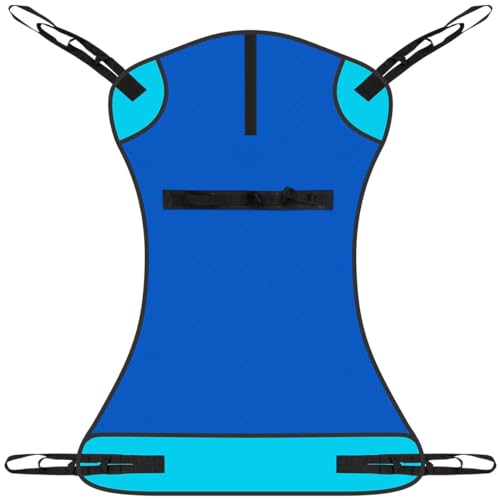
Vive Patient Lift Sling – Full Body Mesh Transfer Sling for Showering & Home Use – Hoyer Lift Pad for Elderly, Disabled, Bariatric – Patient Transfer Assist Device Blanket for Bed Positioning, Lifting
LIFT, REPOSITION AND TRANSFER: Aiding in lifting and repositioning patients and loved ones, the Vive light transfer sling…
As an affiliate, we earn on qualifying purchases.
As an affiliate, we earn on qualifying purchases.
Essential Safety Checks for Patient Lifts
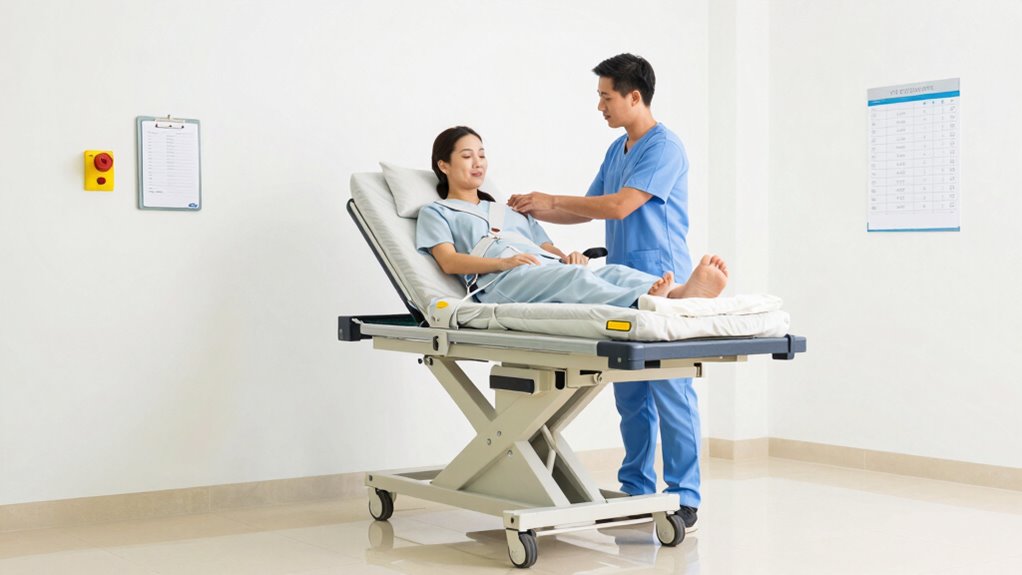
When you’re using a patient lift, guaranteeing safety is essential, especially since even small oversights can lead to serious accidents. Start by reviewing the user manual to familiarize yourself with the lift’s specific features and safety protocols. Check that all components, including slings and straps, are in good condition and free from wear and tear. Before each use, inspect the lift for any signs of damage or malfunction, and verify it’s on a flat, stable surface. Confirm that the brakes are engaged while loading or unloading the patient. Finally, always ensure proper communication with your team to maintain a smooth lifting process. By following these essential safety checks, you can help prevent accidents and ensure a secure environment for everyone involved. Additionally, proper maintenance routines can extend the life of your equipment and enhance safety.
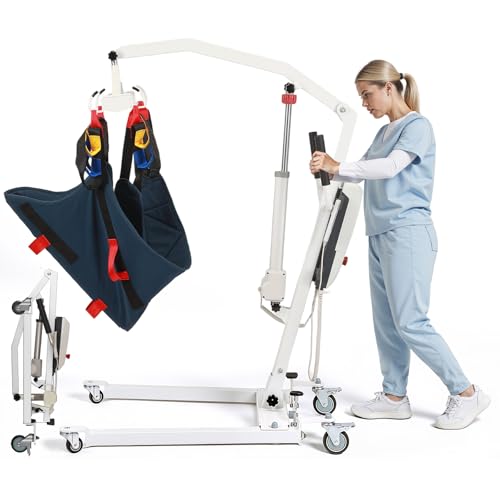
Electric Patient Lift, Foldable Patient Lift for Home Use, Portable Electric Patient Transfer Lift, 500lbs Electric Body Transfer Lift w/Commode Sling, Installation Free,Emergency Stop
Foldable and Portable for Home Use: This electric folding Patient Lift is ideal for home care. Its foldable…
As an affiliate, we earn on qualifying purchases.
As an affiliate, we earn on qualifying purchases.
Why Weight Limits Matter in Patient Lifts

Why Weight Limits Matter in Patient Lifts
Understanding weight limits in patient lifts is essential for ensuring safety and efficiency during transfers. Exceeding these limits can lead to equipment failure and injury. Proper techniques, including maintaining balanced weight distribution, are vital. Additionally, caregivers should be aware of financial considerations for elderly care to ensure they have the necessary resources for safe equipment use. Using equipment designed for acoustic performance can also help mitigate risk during transfers. Furthermore, employing safety checklists can ensure that all equipment is in proper working condition before each use.
| Weight Limit | Impact of Exceeding Limit |
|---|---|
| 150 lbs | Increased risk of equipment failure |
| 300 lbs | Greater chance of caregiver injury |
| 500 lbs | Potential for serious accidents |
Always check the lift’s specifications before use. Using the right weight limits not only protects patients but also keeps caregivers safe. Remember, following guidelines and employing proper techniques can make all the difference in a successful transfer.
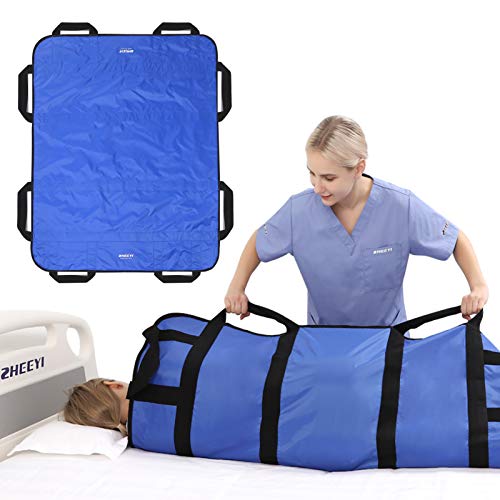
ZHEEYI Multipurpose 48" x 40" Positioning Bed Pad with Reinforced Handles – Reusable & Washable Transfer Sheet for Turning, Lifting & Repositioning – Double-Sided Nylon Fabric, Blue
【US PATENTED ZHEEYI PRODUCT】HELP YOUR LOVED ONES SIT UP & MOVE WITH CONFIDENCE with the ZHEEYI patented innovative…
As an affiliate, we earn on qualifying purchases.
As an affiliate, we earn on qualifying purchases.
Identifying Common Positioning Mistakes and Their Consequences

Although positioning may seem straightforward, many caregivers frequently make mistakes that can compromise both patient safety and comfort. One common error is failing to guarantee proper alignment during lifts, which can lead to unnecessary strain or injury for both you and the patient. It’s essential to follow safety protocols meticulously; neglecting these can result in accidents. Caregiver awareness is important—understanding the specific needs of each patient helps avoid missteps. Additionally, equipment familiarity plays a significant role; if you don’t fully understand how to operate the lift, you might inadvertently cause discomfort. Prioritizing patient comfort and adhering to best practices will enhance safety and effectiveness, securing a smoother experience for everyone involved.

Transfer Nursing Sling for Patient Elderly Safety Lifting Aids Home Bed Assist Handle Back Lift Mobility Belt Gait Belts for Disabled Injured 31 Inch
Widened Design: Transfer sling 79 x 23.8cm, providing a comfortable experience, and maximum contact to easily disperse pressure.
As an affiliate, we earn on qualifying purchases.
As an affiliate, we earn on qualifying purchases.
Equipment Maintenance: Keeping Your Patient Lift in Top Shape
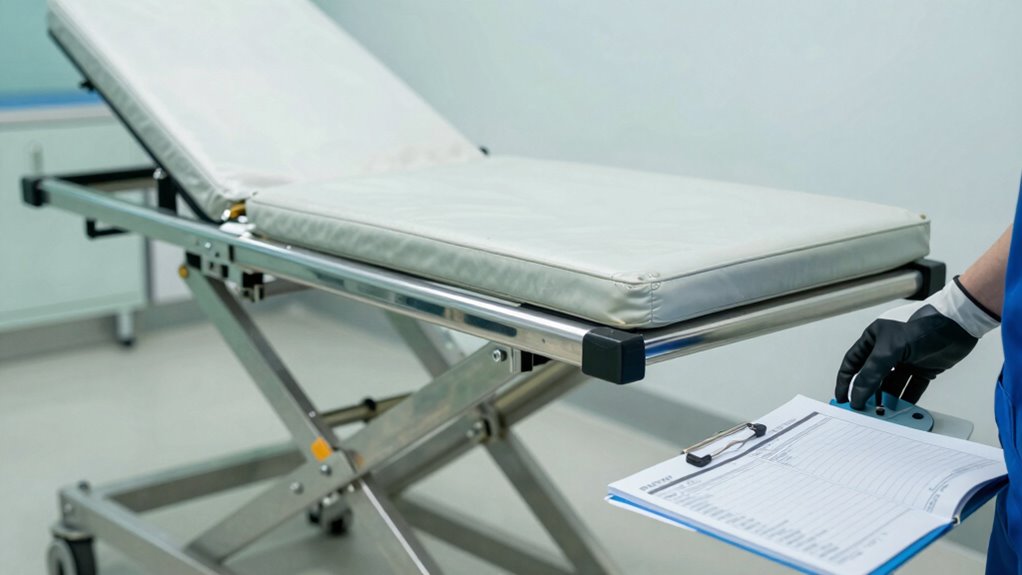
To guarantee your patient lift operates safely and effectively, regular maintenance is essential. Neglecting this can lead to serious accidents. Establish a routine that includes lift inspections and adheres to maintenance schedules. Here are three key maintenance tasks to prioritize:
Regular maintenance of your patient lift is crucial to prevent accidents and ensure safe operation. Establish a routine for inspections and upkeep.
- Inspect the Lift: Check for wear and tear, ensuring all components function properly. Regular inspections can also help reduce the presence of microplastics in dust, which may be a concern in healthcare settings. Additionally, ensuring that all equipment is free from potential side effects can enhance patient safety. Incorporating HEPA filters in your environment can further improve air quality during inspections.
- Test Safety Features: Regularly verify that emergency brakes and alarms work as intended.
- Clean and Lubricate: Keep moving parts clean and lubricated to prevent wear and extend the lift’s lifespan.
Additionally, smart lifestyle choices can enhance safety protocols and improve overall care quality.
How to Train Caregivers for Safe Patient Lift Use
Sure! Here’s your revised text with the requested changes:
—
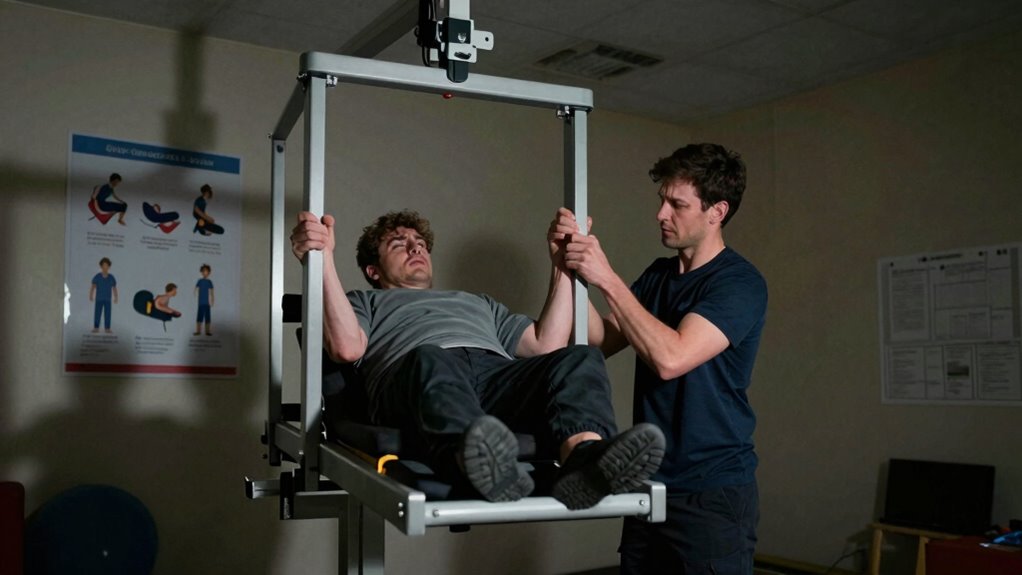
When it comes to ensuring the safety of both patients and caregivers, effective training on patient lift use is essential. Start with thorough caregiver training that covers the fundamentals of lift operation. Make sure to include lift demonstrations, allowing caregivers to practice with supervision. This hands-on experience builds confidence and reinforces safe techniques. Emphasize the importance of communication among team members during lifts to prevent accidents. Regularly update training materials to reflect any new equipment or protocols, as safety standards can evolve over time. Additionally, safety measures for babies and pets can provide insights into creating a secure environment for all involved. Integrating emotional well-being strategies into training can help caregivers manage stress effectively. Encourage caregivers to ask questions and share their experiences, fostering a culture of safety. Finally, consider conducting refresher courses periodically to keep skills sharp and promote ongoing awareness of best practices. A well-trained caregiver is key to a safe lifting environment. Additionally, incorporating self-care practices can enhance caregivers’ overall well-being, enabling them to provide better support. Regularly reviewing charging setups can also ensure caregivers understand how to manage their energy levels effectively during long shifts.
—
Let me know if you need any further adjustments!
Frequently Asked Questions
What Types of Patient Lifts Are Available on the Market?
You’ll find several types of patient lifts on the market, including manual lifts, hydraulic lifts, and electric lifts. Each has different sling types for comfort and safety. Portable lifts are great for mobility, while bariatric options cater to heavier patients. Ceiling track systems offer a space-saving solution and enhance safety features. Consider your needs carefully to choose the best option that guarantees both ease of use and patient security.
How Do I Choose the Right Patient Lift for My Needs?
Choosing the right patient lift is like picking the perfect tool for a job; it needs to fit your specific needs. Start by considering lift features such as weight capacity, ease of use, and portability. Make sure it prioritizes patient safety, with secure straps and a sturdy base. Think about the environment where you’ll use it, whether at home or in a facility. Test different options to find the one that feels just right for you and your patients.
Can I Use a Patient Lift Alone Without Assistance?
No, you shouldn’t use a patient lift alone without assistance. Safety precautions are vital when operating these devices. Always have someone nearby to help, as it guarantees both your safety and the patient’s. Before using a lift, make certain you’ve received proper lift training; it’s fundamental for understanding how to operate the equipment correctly. By working as a team, you minimize risks and create a safer environment for everyone involved.
What Signs Indicate a Patient Lift Needs Repair?
If you notice unusual noises when using the lift, how can you ignore that? Signs a patient lift needs repair include excessive wear indicators, like frayed straps or rust on metal parts. Always check for leaks in hydraulic components and guarantee the controls function smoothly. Regular lift maintenance tips suggest inspecting these elements frequently to prevent accidents. Don’t wait for a breakdown; addressing issues early keeps everyone safe and assures reliable operation.
Are There Specific Regulations for Patient Lift Usage in Facilities?
Yes, there are specific regulations for patient lift usage in facilities. You need to confirm regulatory compliance by following safety standards set by organizations like OSHA and ANSI. These standards dictate how lifts should be maintained, operated, and inspected. Regular training for staff is essential, too, as it helps everyone understand the importance of proper lift usage, guaranteeing both patient and caregiver safety. Adhering to these regulations minimizes risks and promotes a safer environment.
Conclusion
In the world of patient lifts, ignoring safety checks is like trying to juggle flaming swords—it’s just a disaster waiting to happen! Always mind those weight limits; they’re your lifeline, not a suggestion! Positioning mistakes can turn a simple lift into a scene from a slapstick comedy, and neglected equipment? That’s just asking for trouble. So, train your caregivers well, because when it comes to patient lifts, a little knowledge can prevent a whole lot of chaos!