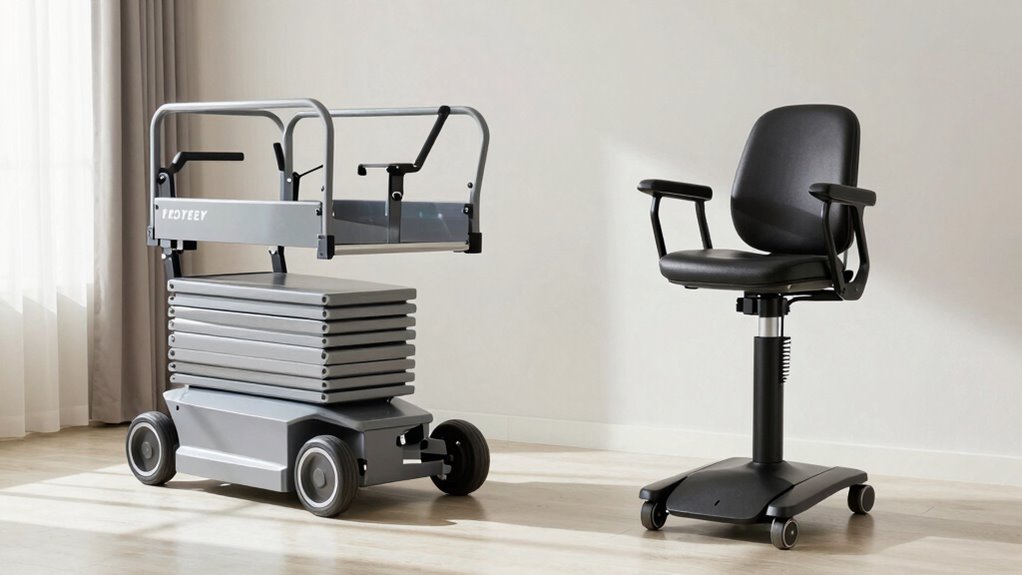

When deciding between a Hoyer lift and a sit-to-stand lift, consider the user’s mobility needs and comfort. Hoyer lifts provide full support for those with limited mobility, while sit-to-stand lifts encourage independence for those who can bear some weight. Evaluate safety features and ease of use for caregivers, as well as costs and long-term maintenance. Each option has unique benefits, and understanding these can guide your choice. There’s more to explore about these lifts and their features.
Key Takeaways
- User Needs: Assess the user’s mobility level; Hoyer lifts suit non-weight-bearing individuals, while sit-to-stand lifts support partial weight-bearing users.
- Design Differences: Hoyer lifts provide full support for transfers, whereas sit-to-stand lifts promote independence during standing transitions.
- Comfort and Safety: Hoyer lifts offer more stability and comfort, while sit-to-stand lifts empower users, enhancing confidence in mobility.
- Cost Considerations: Hoyer lifts range from $800 to $2,500, while sit-to-stand lifts start at $1,000, affecting budgetary decisions.
- Maintenance Factors: Hoyer lifts require less frequent maintenance, whereas sit-to-stand lifts may incur higher repair costs over time.

Hi-Fortune Patient Lift Hydraulic Body Hoyer Lift with Medium Sling for Home Use 400lbs Weight Capacity (Unfoldable Manual)
Easy to Operate: Convenient push-handle controls and rear pedal adjustable legs can be operated by foot. Simply step…
As an affiliate, we earn on qualifying purchases.
As an affiliate, we earn on qualifying purchases.
Key Considerations for Choosing a Mobility Lift
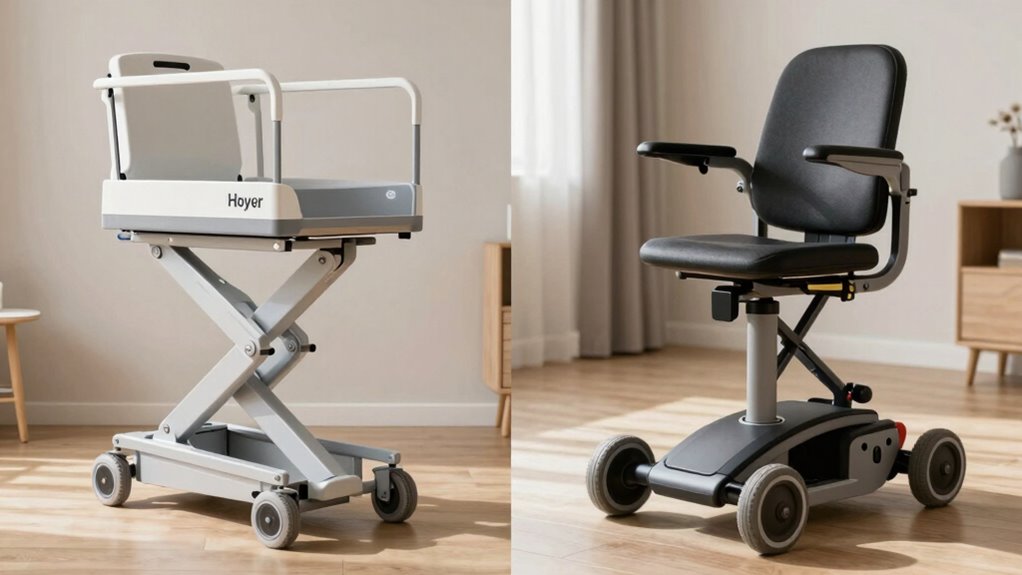
When choosing a mobility lift, what factors should you consider to guarantee safety and comfort? First, assess the user’s needs, including their weight and physical condition. You want a lift that accommodates their mobility range effectively. Look for features like adjustable heights and secure harnesses to promote safety during transfers.
Next, consider the lift’s design—whether it’s a Hoyer lift or a sit-to-stand model—and how it aligns with the user’s abilities. Ease of use is essential; make certain the lift can be operated by caregivers without excessive strain. Finally, think about the environment where the lift will be used. Space constraints can affect your choice, so measure the area to make certain of a good fit.

Vive Mobility Sit to Stand Patient Lift for Handicapped – Stand Assist Lift Aid for Home Care Use – Elderly Lift Assist Transfer Device – Transport Chair Stand Assist for Seniors, Adults & Disabled
EASILY TRANSFER & LIFT PATIENTS: Designed to help transfer patients who can stand enough to support 60-70% of…
As an affiliate, we earn on qualifying purchases.
As an affiliate, we earn on qualifying purchases.
Comparing Use Cases: When to Choose a Mobility Lift?
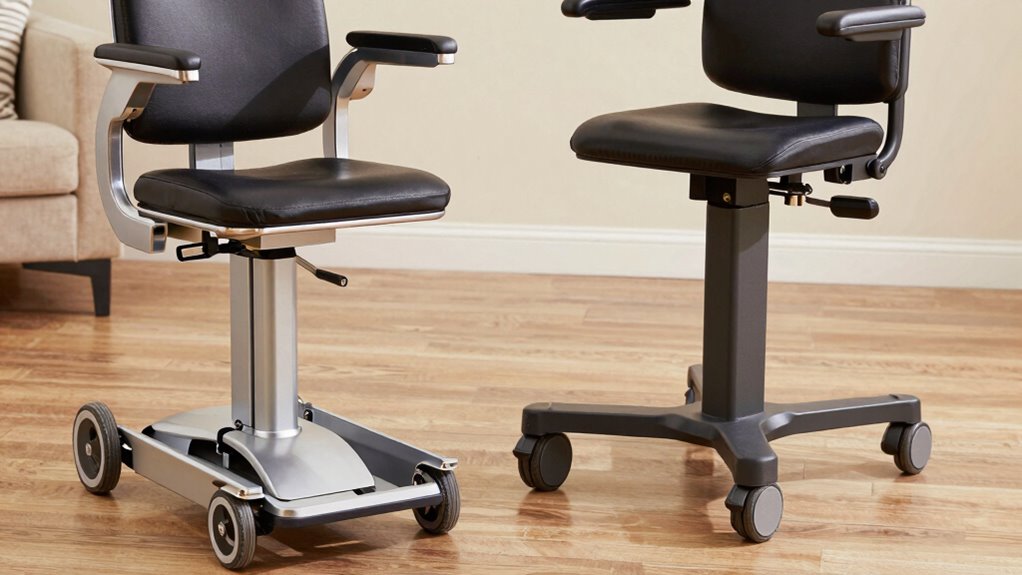
Choosing the right mobility lift depends on specific use cases that suit the user’s needs. Understanding these scenarios can help you make an informed decision. Here’s a quick guide to help you evaluate your options based on patient needs:
| Use Case | Best Lift Type | Reason |
|---|---|---|
| Limited mobility | Hoyer Lift | Ideal for full lifting support |
| Partial weight-bearing | Sit-to-Stand Lift | Encourages independence |
| Transfers from chair | Hoyer Lift | Safe and secure lifting |
| Toileting assistance | Sit-to-Stand Lift | Quick and efficient transfers |
| Rehabilitation support | Sit-to-Stand Lift | Promotes muscle engagement |

VOCIC Electric Patient Lift for Home, Floor-to-Bed Transfer Aid for Elderly, Foldable Patient Lift with Wireless Lithium Handset, Manual Emergency, 330lbs Capacity, Includes Full Body Mesh Sling, AY05
[2-in-1 Detachable Lithium Handset] – No Heavy Battery Box! Engineered for effortless operation, the AY05 features a revolutionary…
As an affiliate, we earn on qualifying purchases.
As an affiliate, we earn on qualifying purchases.
Benefits and Features of Hoyer Lifts
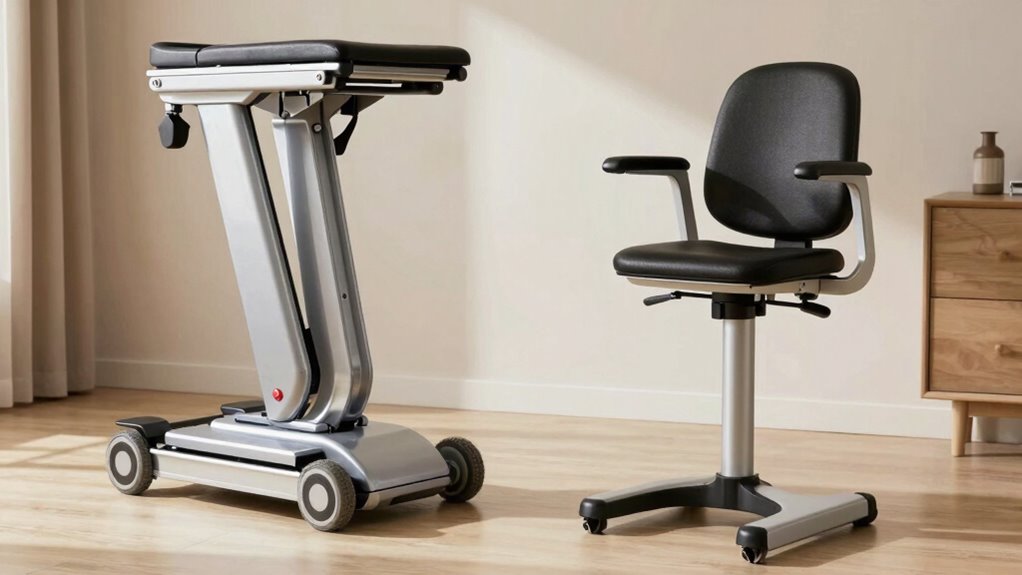
Hoyer lifts stand out for their ability to provide safe and reliable support for individuals with limited mobility. One of the key Hoyer lift features is its sturdy design, which guarantees stability during patient transfers. You’ll appreciate the significant patient transfer benefits, as these lifts minimize the risk of injury for both users and caregivers. With adjustable straps and a comfortable sling, you can enhance mobility and make transfers smoother and more dignified. Caregiver assistance becomes easier, allowing you to focus on patient comfort rather than struggling with manual lifting. Overall, Hoyer lifts not only promote independence but also provide a safer environment, enhancing the quality of care for everyone involved.

Mosfer Electric Patient Lift Transfer Chair Lift,Chair Lift Assist Devices for Home Seniors and Disabled with Adjustable Height, Folding Bathroom Wheelchair Move from Bed to Chair,Toilet,Car,Outdoor
【One-Button Electric Lift】 Mosfer electric home patient lift chair adjusts from 40 to 54"" with one button, saving…
As an affiliate, we earn on qualifying purchases.
As an affiliate, we earn on qualifying purchases.
Benefits and Features of Sit-to-Stand Lifts
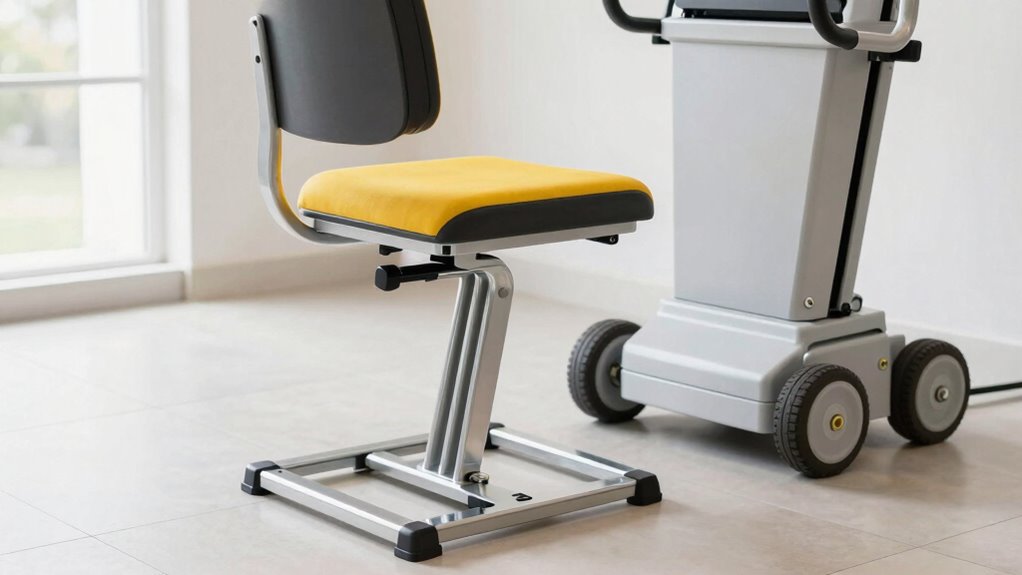
Sit-to-stand lifts offer enhanced mobility support, making it easier for you to shift from sitting to standing. Their user-friendly operation means you won’t struggle with complicated controls, allowing for a smoother experience. You’ll appreciate how these lifts promote independence while ensuring safety.
Enhanced Mobility Support
When it comes to enhancing mobility support, sit-to-stand lifts offer remarkable benefits that can transform daily routines. These devices not only promote mobility independence but also provide an enhanced user experience. Here are some key benefits:
- Improved Safety: Reduces the risk of falls during transfers.
- Increased Comfort: Supports users in a natural standing position.
- Enhanced Posture: Encourages better alignment while standing.
- Easy Transfers: Simplifies moving from sitting to standing for caregivers.
- Boosted Confidence: Empowers users to engage in daily activities with ease.
Incorporating mobility support products can further enhance safety and comfort in your home environment. Additionally, these lifts can significantly contribute to overall well-being, ensuring that users maintain their physical health and emotional balance.
With these features, sit-to-stand lifts can greatly improve your quality of life, making everyday tasks more manageable and enjoyable.
User-Friendly Operation
User-friendly operation is a standout feature of sit-to-stand lifts, making them accessible for both users and caregivers. Their ergonomic design guarantees comfort during transfers, allowing you to maintain a natural posture. With simple controls, you can easily adjust the lift’s height and position, minimizing strain on both yourself and the caregiver. This ease of use means that even those with limited mobility can participate in the transfer process, fostering independence and dignity. Additionally, many sit-to-stand lifts come with safety features, like secure footrests and padded supports, enhancing your overall experience. By choosing a sit-to-stand lift, you’re not just opting for a practical solution; you’re embracing a tool designed for comfort and efficiency in daily life. Furthermore, wellness technology plays a crucial role in improving user experience and safety in mobility aids. Incorporating smart home safety measures can also enhance the overall security of your environment while using these lifts. It’s also important to consider pet-friendly gear, as a supportive space benefits both users and their furry companions. Additionally, integrating energy management systems can optimize the operation of these lifts, ensuring they function efficiently in your home. Moreover, investing in acoustic solutions can create a more serene environment, enhancing the overall atmosphere while using these lifts.
How Safe Are Hoyer and Sit-to-Stand Lifts?
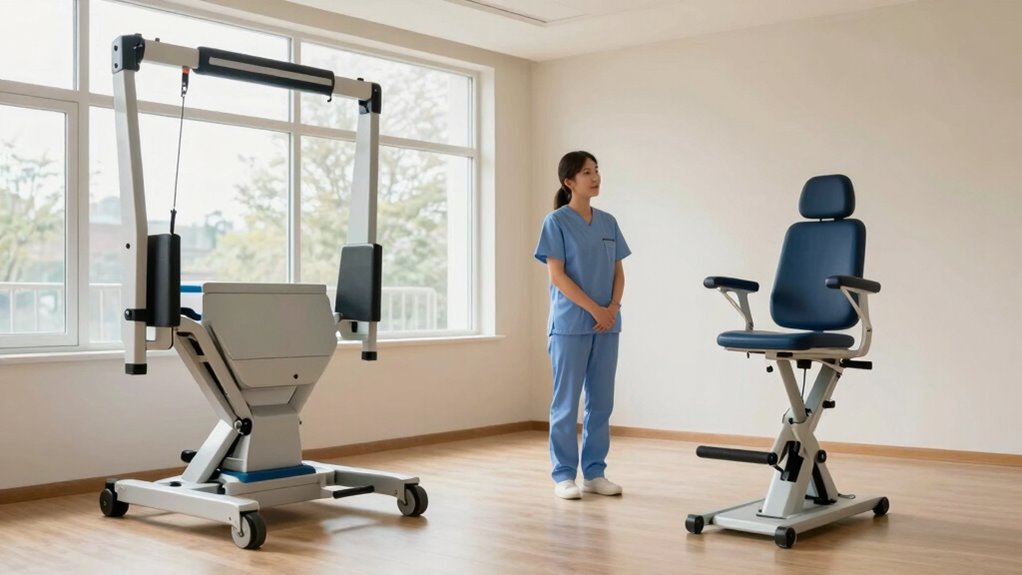
While both Hoyer lifts and sit-to-stand lifts offer essential support for individuals with mobility challenges, their safety features can vary considerably. Understanding these differences is important for guaranteeing safety.
- Adherence to safety standards is critical for reliable operation. Regular maintenance routines can ensure that the lifts function optimally. Additionally, ensuring support and boundaries in caregiving can further enhance safety and comfort. Implementing simple exercises can also improve users’ strength and stability, contributing to safer lifting experiences.
- Proper user training can greatly reduce risks. Additionally, maintaining indoor air quality is crucial for a safe environment, as it can impact overall health and mobility.
- Conducting a risk assessment helps identify potential hazards.
- Effective fall prevention measures enhance user security.
- Awareness of weight limits guarantees safe usage and patient comfort.
Choosing the right lift involves considering caregiver support and the specific needs of the user. By prioritizing safety, you can make an informed decision that promotes both mobility and well-being for everyone involved. Additionally, understanding financial considerations for elderly care can help you budget for necessary equipment and support services.
How Comfortable Are Hoyer and Sit-to-Stand Lifts?
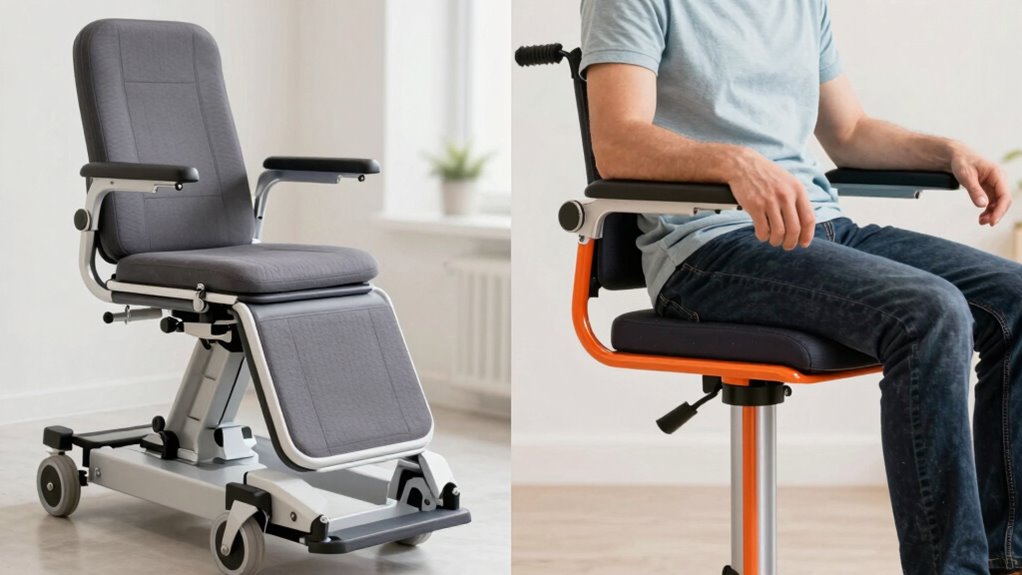
How comfortable are Hoyer lifts and sit-to-stand lifts for users? User comfort is vital for a positive user experience. Hoyer lifts generally provide more support, as they fully lift users off the ground, which can be reassuring for those with limited mobility. However, some might find the sling uncomfortable if it’s not fitted properly. On the other hand, sit-to-stand lifts promote a more natural standing position, which many users find more comfortable. Lift ergonomics play a significant role in both options; if designed well, they can minimize pressure points and support users effectively. Patient feedback often highlights the importance of comfort, so it’s important to take individual needs into account when choosing between these lifts.
Cost Comparison: Hoyer vs. Sit-to-Stand Lifts
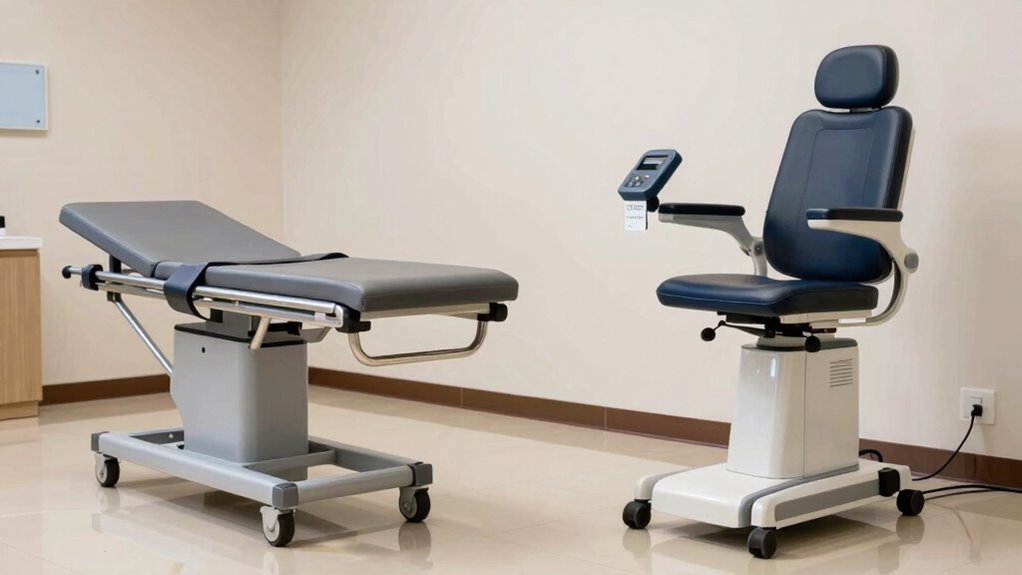
When comparing Hoyer lifts and sit-to-stand lifts, you’ll want to contemplate both the initial purchase price and long-term maintenance costs. Each option has its own financial implications that can impact your budget. Understanding these costs can help you make the best choice for your needs.
Initial Purchase Price
Choosing between a Hoyer lift and a sit-to-stand lift often hinges on initial purchase prices. You’ll want to weigh your initial investment and budget considerations carefully. Here’s a quick breakdown of what to expect:
- Hoyer lifts typically range from $800 to $2,500.
- Sit-to-stand lifts usually start around $1,000 and can go up to $3,000.
- Features can greatly influence the price.
- Brand reputation often plays a role in cost.
- Warranty and support options can affect long-term value.
Long-Term Maintenance Costs
While initial purchase prices are a key factor, long-term maintenance costs can considerably impact your overall investment in a lift. Hoyer lifts typically require less frequent maintenance, meaning you might save on repair costs over time. Their design is generally robust, leading to fewer mechanical issues. In contrast, sit-to-stand lifts may need more regular upkeep due to their moving parts, which can lead to higher repair costs. It’s essential to evaluate how often you’ll need to service each type. If you opt for a sit-to-stand lift, budget for those maintenance frequency increases. Ultimately, understanding these costs will help you make a more informed decision about which lift best fits your long-term needs.
Frequently Asked Questions
How Much Weight Can Hoyer and Sit-To-Stand Lifts Support?
Hoyer lifts typically support between 300 to 600 pounds, depending on the model, assuring lift stability during transfers. Sit-to-stand lifts usually have a weight capacity of around 300 to 450 pounds. When choosing a lift, consider the user’s weight and the lift’s stability features to confirm safety. It’s essential to select the right lift for your needs to guarantee effective and secure transfers. Always check the specifications for precise weight limits.
Are There Any Maintenance Requirements for These Lifts?
Yes, both lifts need regular maintenance to guarantee safety and functionality. You should conduct safety checks on the lift’s components, such as the battery, slings, and straps, at least once a month. Additionally, inspect for any wear and tear, and keep the lift clean to prevent malfunctions. If you notice any issues, address them immediately or consult a professional for repairs. Proper lift maintenance keeps you and the user safe.
Can Both Lifts Be Used Outdoors?
Yes, both lifts can be used outdoors, but you need to keep outdoor safety in mind. Did you know that nearly 30% of outdoor accidents involve equipment misuse? Weather considerations are essential; rain or wind can make surfaces slippery, increasing the risk of falls. Always verify the area is stable and dry before using a lift outside. Regularly check for any damage caused by exposure to the elements to keep everyone safe.
Do Insurance Plans Typically Cover Mobility Lifts?
Insurance plans often cover mobility lifts, but it depends on your specific policy. You’ll want to check for coverage limitations, as some plans might only reimburse for certain types or brands. It’s a good idea to get your doctor’s recommendation and any necessary documentation to support your claim. Always review your insurance benefits to understand what’s included and guarantee you maximize your insurance reimbursements for these essential mobility aids.
What Accessories Are Available for Each Lift Type?
You’ll find a variety of lift accessories designed to enhance both functionality and safety. Picture yourself effortlessly gliding with padded slings that cradle you securely, or using transfer boards that bridge the gap between surfaces. Safety features like adjustable footrests and anti-slip grips guarantee you feel stable and secure. Whether it’s a Hoyer or a sit-to-stand lift, these accessories make your experience smoother and more comfortable, allowing you to focus on what matters most.
Conclusion
Choosing between a Hoyer lift and a sit-to-stand lift can feel like picking the right tool for a delicate job. Imagine you’re a sculptor, selecting between a chisel and a hammer. Each has its strengths, just like these lifts. A Hoyer lift cradles your loved one gently, while a sit-to-stand lift offers independence. Ultimately, it’s about finding the lift that best supports their journey, ensuring safety, comfort, and dignity every step of the way.