TL;DR

Turn quiet afternoons into listening time
- Thousands of audiobooks, podcasts and originals
- Listen on your phone, tablet or Echo — also offline
- Cancel anytime
Podiatrist Steven Thomas identifies plantar fasciitis, Achilles tendinopathy and toenail trauma as three common injuries he sees among walkers and runners. He advises gradual training increases, recovery, strengthening and properly fitted footwear, and says worsening or persistent pain should be assessed.
A podiatrist featured in a Fit&Well report has identified plantar fasciitis, Achilles tendinopathy and toenail trauma as three common injuries among walkers and runners, describing their warning signs and steps that may help reduce risk. Steven Thomas says increasing training too quickly without enough recovery can raise injury risk; the report presents his clinical observations and advice, not a population-wide ranking of injury rates.
Plantar fasciitis commonly causes pain beneath the heel, Thomas says. It may be worse when a person first stands after resting, ease after a few steps, then return following longer periods of walking, running or standing. He recommends building mileage gradually and working on lower-leg flexibility and strength, including calf raises with both straight and bent knees two or three times a week. Comfortable, well-fitting footwear is also advised.
Achilles tendinopathy can cause pain at the back of the heel, either where the tendon attaches to the heel bone or along its middle section. Thomas describes morning stiffness or tenderness as possible symptoms; the tendon may look thickened, and pain may ease during activity before returning afterwards or the next morning. His suggestions include progressive calf strengthening, gentle calf stretching and recovery between sessions. He also cautions against sudden increases in distance, speed or hill work, and abrupt changes to substantially flatter or more minimalist shoes.
Toenail trauma may show up as pain, throbbing, bruising beneath the nail, ridges, splitting or a nail that lifts. Thomas links the problem to shoe fit and says runners should have enough room in the toe box while the heel and midfoot remain secure. He also recommends keeping toenails short and filed, using well-fitted moisture-wicking socks, and testing the shoe-and-sock combination before a long outing. Feet can swell during activity, so fit should account for that.
How Training Choices Affect Foot Injury Risk
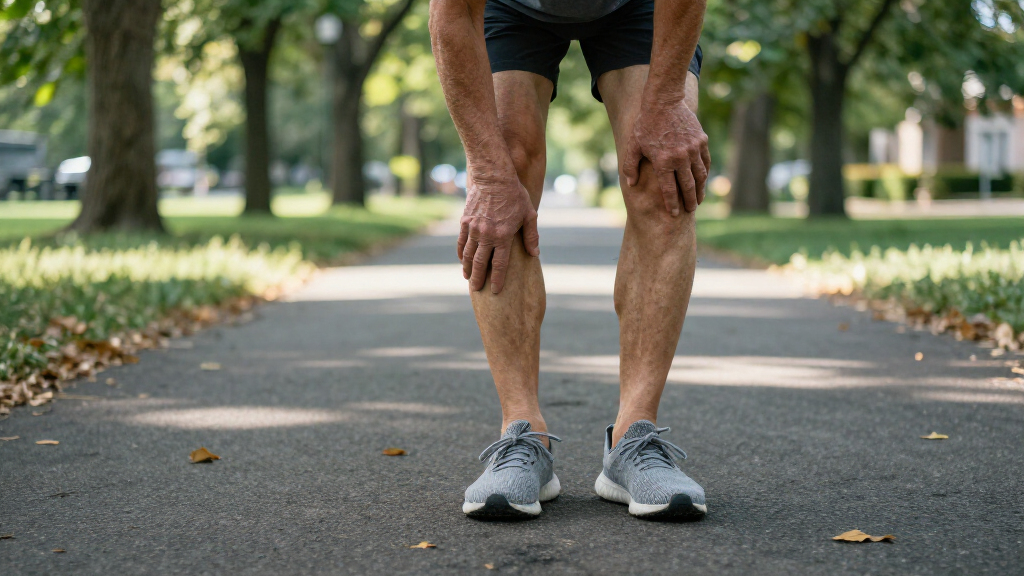
The advice matters because walking and running are routine activities, and pain can change how a person moves or make ordinary walking difficult. Thomas’s central point is that training load, footwear and recovery all affect the demands placed on the feet and lower legs. A gradual increase in activity may give the body time to adapt, while a sudden jump in mileage, speed or hills can outpace recovery.
The recommendations are practical risk-reduction measures, not guarantees that an injury will be prevented. The report does not compare the three conditions by frequency across a defined group, nor does it provide population statistics. Thomas is describing injuries he encounters in clinical practice, so readers should not treat the list as a definitive ranking or use it to diagnose pain.
running shoes with wide toe box secure heel fit
As an affiliate, we earn on qualifying purchases.
As an affiliate, we earn on qualifying purchases.
The Three Conditions Thomas Describes
The report frames the injuries around overuse, tendon loading and shoe fit. Plantar fasciitis affects tissue under the heel; Achilles tendinopathy involves the tendon at the back of the ankle; toenail trauma can follow repeated pressure or movement inside footwear. Similar symptoms can have different causes, which is why the article advises assessment when problems persist or affect normal walking.
Thomas is identified in the source as a podiatrist and foot-and-ankle specialist based in London, with podiatry and podiatric surgery qualifications and registration with the UK Health and Care Professions Council. The source provides his guidance, but does not cite a clinical study establishing the prevalence of these injuries or testing the effectiveness of each prevention measure.
“The body adapts to increased activity, but only when the increase is matched by sufficient recovery.”
— Steven Thomas, podiatrist, as quoted by Fit&Well
As an affiliate, we earn on qualifying purchases.
What the Report Does Not Establish
The supplied report does not state its publication date, provide rates for how often the injuries occur, or define a study population. Its description of these as common injuries reflects Thomas’s experience in clinic, not a statistical comparison showing that they are the three most frequent conditions among all walkers and runners. It also does not establish that the suggested exercises or footwear changes will prevent injury for every person.
Symptoms such as heel pain or nail damage can have more than one cause. The report does not diagnose any individual reader, and it gives no threshold for how long to wait before seeking care beyond advising assessment when symptoms persist or begin to affect normal walking. The appropriate evaluation depends on the person’s symptoms and circumstances.
slant board calf stretch and Achilles tendon exercises
As an affiliate, we earn on qualifying purchases.
As an affiliate, we earn on qualifying purchases.
When Pain Calls for Assessment
Thomas advises monitoring symptoms during exercise, afterwards and the following day. If pain worsens progressively, changes a person’s gait or fails to settle between sessions, he says the current training load may be too high. Persistent symptoms, or pain that affects normal walking, should be assessed by a qualified health professional rather than repeatedly pushed through.
Readers who develop foot or ankle pain can seek an examination to clarify its cause and discuss suitable care. Thomas says a clinician may use a physical examination and gait analysis, and in some cases a weight-bearing X-ray. The report does not announce a new study, policy or clinical guideline; its development is the publication of his practical advice for identifying warning signs and managing training-related risk.
foot roller for plantar fasciitis heel pain
As an affiliate, we earn on qualifying purchases.
As an affiliate, we earn on qualifying purchases.
Key Questions
What three injuries does the podiatrist describe?
Steven Thomas names plantar fasciitis, Achilles tendinopathy and toenail trauma among the injuries he commonly encounters in walkers and runners. The report does not give population data ranking their frequency.
What are possible signs of plantar fasciitis?
Thomas describes pain beneath the heel that may be worse when standing after a period of rest. It may ease after a few steps and return after longer periods of walking, running or standing. These symptoms alone do not confirm a diagnosis.
How does the report suggest reducing risk?
Thomas recommends increasing training gradually, allowing recovery, strengthening the calves and choosing footwear that fits comfortably. For toenail trauma, he also advises short, filed nails and testing socks and shoes before long distances.
When should a walker or runner seek an assessment?
The report advises getting persistent pain assessed, particularly when it affects normal walking. Thomas also flags pain that worsens, changes a person’s walking or running pattern, or does not settle between sessions.
Source: rss
Cold & flu season Picks
humidifiers
As an affiliate, we earn on qualifying purchases.