

Gait changes, like limping, uneven steps, or dragging feet, can signal underlying health issues such as neurological problems, musculoskeletal injuries, or balance disorders. Recognizing these patterns early and understanding their causes helps prevent falls and further injury. Paying attention to your walk and making adjustments can improve mobility. If you notice persistent changes, seeking professional help is essential. Keep exploring to learn how to identify and address gait issues effectively.
Key Takeaways
- Altered stride length or walking speed can indicate underlying musculoskeletal or neurological issues.
- Asymmetrical gait patterns, such as favoring one side or uneven foot placement, signal potential health problems.
- Changes like limping, dragging feet, or reduced arm swing often reflect injury, pain, or neurological conditions.
- Unusual wear patterns on shoes help identify gait imbalances and early signs of abnormal walking patterns.
- Persistent gait deviations should prompt professional assessment to prevent falls, injuries, and further health deterioration.
What Is Normal Gait and Why Does It Matter?

Have you ever wondered what makes a gait normal? It all comes down to walking biomechanics—how your muscles, joints, and bones work together smoothly. A normal gait involves consistent stride length, proper foot placement, and balanced weight transfer. Gait optimization means your movements are efficient, reducing fatigue and injury risk. When your gait is normal, your body conserves energy and maintains stability with minimal effort. Recognizing these patterns helps you understand your body’s natural rhythm. Small deviations can signal underlying issues, but a well-functioning gait keeps you moving confidently through daily activities. Additionally, gait analysis can help identify early signs of mobility problems before they become more serious. Proper biomechanical alignment plays a key role in maintaining gait efficiency and preventing long-term joint issues. Regular movement assessments are essential for detecting subtle gait changes early on, which can help prevent more significant problems later. Improving muscle strength and flexibility can also positively impact gait stability and overall mobility. Basically, a normal gait is the foundation for mobility, independence, and overall health. Maintaining gait stability is crucial for preventing falls and long-term joint problems. Keeping it optimized ensures you stay active and pain-free for years to come.
How Can You Recognize Changes in Your Walk?
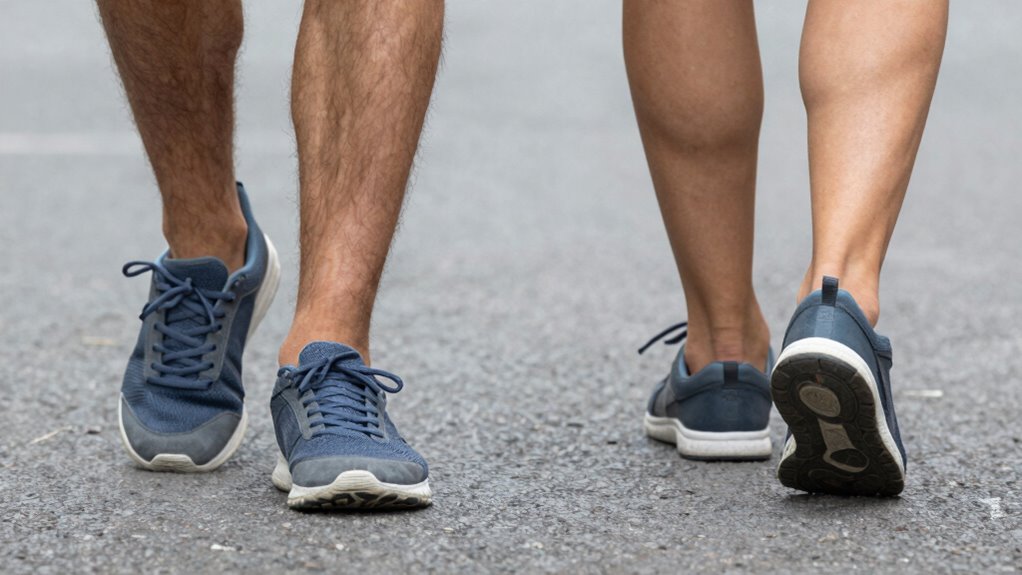
Noticing changes in your walk is essential for catching potential health issues early. Pay attention to alterations in your gait, such as limping, uneven steps, or dragging feet. Conducting a basic gait analysis can help you identify irregularities, like overusing one side or sudden hesitations. Observe your walking biomechanics—are your hips shifting, or do your knees wobble? Are you leaning to one side or taking shorter strides? Recognizing these signs early allows you to address underlying problems before they worsen. Keep track of any new discomfort or imbalance during movement. Additionally, tracking gear such as GPS or Bluetooth devices can assist in monitoring your activity levels and identifying unusual movement patterns. Using wearable technology can provide real-time feedback on your gait, helping you detect issues sooner. Regular movement assessments are also recommended to monitor changes over time. If you notice persistent changes, consult a healthcare professional for a thorough gait assessment. Early detection of gait abnormalities can prevent falls, improve mobility, and signal broader health concerns. Understanding gait analysis techniques is a vital step in maintaining overall well-being and preventing further complications.
How to Assess Your Gait at Home: Simple Tests to Try
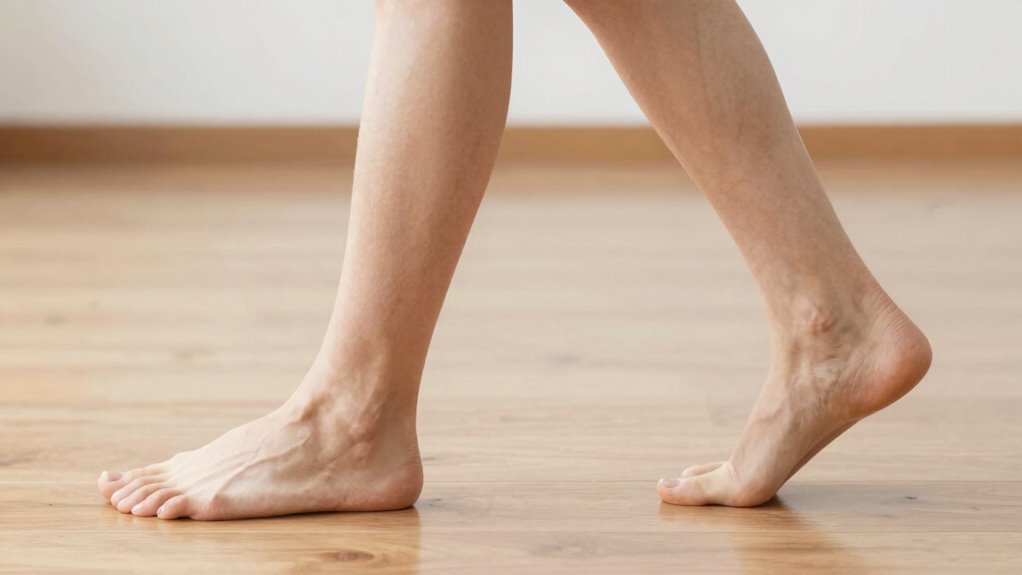
Start by carefully observing how you walk to spot any irregularities. Check your shoes for uneven wear, which can indicate gait issues. Then, try simple balance and stability tests to see how well you can stand and move without support. Additionally, paying attention to soundproofing techniques in your environment can help create a quieter space to better monitor your gait at home. Incorporating gait assessment methods can also help identify potential problems early. Using proper footwear and considering water-resistant options can further support healthy gait patterns during outdoor activities.
Observe Walking Style Carefully
To accurately assess your gait at home, you need to observe your walking style carefully and look for any irregularities. Pay attention to how your feet strike the ground, your stride length, and balance. Understanding basic gait terminology and walking biomechanics helps you recognize issues like overpronation or limping. Use a mirror or record yourself walking to spot asymmetries. Here’s an easy way to keep track:
| Aspect to Observe | What to Look For |
|---|---|
| Foot placement | Are your feet pointing straight or inward? |
| Step length | Is one step noticeably shorter? |
| Heel strike | Does your heel hit the ground smoothly? |
| Posture | Are you leaning or wobbling side to side? |
| Balance | Do you wobble or sway excessively? |
Being aware of gait terminology helps you identify signs of gait abnormalities early. Recognizing gait issues can indicate underlying health problems and prompt timely consultation with a healthcare professional. Additionally, understanding walking biomechanics can improve your ability to detect subtle gait deviations. Developing awareness of support support systems in the body can also aid in identifying areas of weakness that affect walking stability.
Check Shoe Wear Patterns
Examining the wear patterns on your shoes offers valuable insights into how you walk. Look closely at the tread patterns—notice where the sole is most worn down. If the wear is mainly on the outer edge, you might have a supinated gait, rolling outward when walking. Conversely, inner-edge wear suggests overpronation, where your foot rolls inward. Even wear across the entire sole indicates a neutral gait. Also, check for uneven wear or excessive smoothing in specific areas, which can signal imbalances or gait issues. Keep in mind that shoes often wear unevenly based on activities or foot shape, so use this as a guide, not a diagnosis. Regularly inspecting shoe wear patterns helps you identify potential gait problems early, prompting you to seek further assessment if needed. Understanding gait biomechanics can help you better interpret these wear patterns and their implications for mobility. Additionally, paying attention to foot alignment during daily activities can provide further clues to gait health. Recognizing these patterns can also inform appropriate footwear choices, promoting better support and reducing discomfort. Being aware of musculoskeletal imbalances can also enhance your understanding of gait irregularities and prevent related injuries. Maintaining proper posture and balance during movement can further influence gait health and overall mobility.
Perform Balance and Stability Tests
Performing simple balance and stability tests at home can give you valuable clues about your gait and overall lower limb function. Start with basic balance exercises like standing on one foot for 30 seconds, then switch to the other. Notice if you wobble or feel unsteady, which may indicate underlying issues. Check your shoe fitting; worn-out or poorly fitting shoes can affect your balance and gait. When testing, wear supportive, comfortable shoes to ensure accurate results. You can also try walking heel-to-toe in a straight line, focusing on stability. If you find these exercises challenging or notice instability, consider consulting a specialist. Regularly performing these simple tests can help you identify early gait changes and address potential problems before they worsen. For better safety, appropriate gear can help support your balance exercises and prevent falls.
What Causes Gait Changes? Common Medical and Musculoskeletal Factors
Gait changes often stem from underlying medical or musculoskeletal issues that affect the way you walk. These factors can disrupt your postural alignment and create muscle imbalances, leading to abnormal gait patterns. For example, poor posture may cause uneven weight distribution, while muscle imbalances can weaken certain muscles, making you compensate with others. Recognizing these causes helps target the root problem. Here’s a quick overview:
| Cause | Effect on Gait | Example |
|---|---|---|
| Postural misalignment | Changes walking stability | Slouching alters stride |
| Muscle imbalances | Uneven muscle strength | Weak hip muscles cause limp |
| Injury or pain | Protective gait adjustments | Limping after ankle sprain |
| Arthritis or joint issues | Reduced joint mobility | Stiff knees affect stride |
Addressing these factors improves gait and reduces discomfort. Additionally, musculoskeletal health plays a crucial role in maintaining proper gait patterns.
Which Neurological Disorders Can Affect How You Walk?
Neurological disorders can considerably impact how you walk by disrupting the signals between your brain, spinal cord, and muscles. These neurological impacts often alter your gait, making movements unsteady or inefficient. Conditions like Parkinson’s disease can cause shuffling steps and rigidity, while multiple sclerosis may lead to weakness or coordination issues. Stroke survivors might experience hemiparesis, resulting in uneven steps and difficulty lifting one side of the body. Cerebral palsy can cause spasticity, affecting muscle control and balance. To understand these changes, gait analysis becomes essential—it helps identify specific abnormalities caused by neurological issues. Recognizing these patterns allows for targeted treatment plans, improving mobility and reducing fall risks. If you notice persistent gait changes, consulting a healthcare professional for thorough evaluation is vital.
How Do You Know if Gait Changes Are Temporary or Persistent?
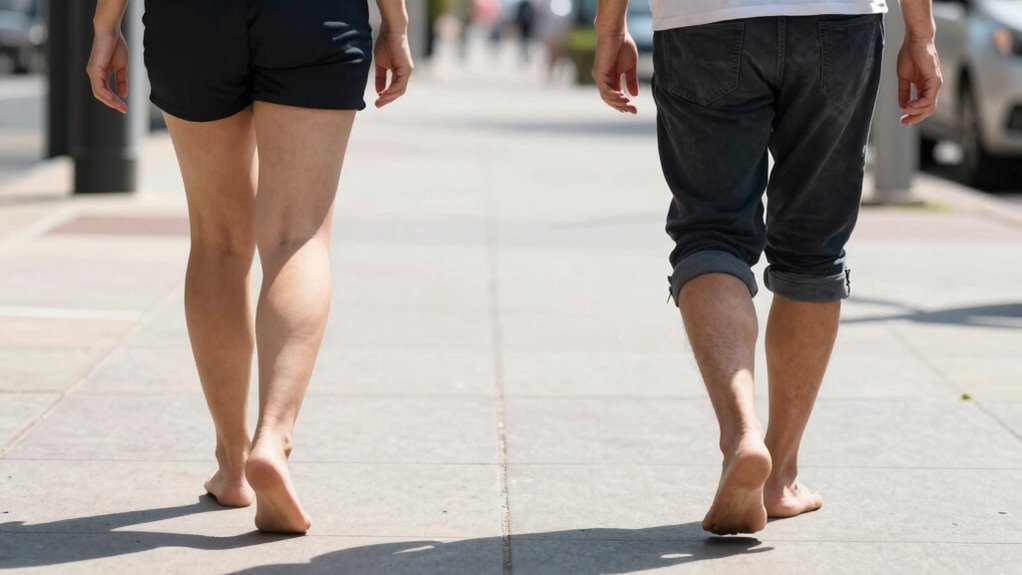
When you notice changes in how you walk, it’s important to determine whether they are temporary or likely to persist. One way to gauge this is by observing gait symmetry. If your stride becomes uneven or one side favors the other, it could signal a lasting issue rather than a temporary slip. Pay attention to foot biomechanics—if your foot positioning or movement patterns seem altered and don’t improve over time, these are signs that the gait change might be persistent. Temporary issues often resolve with rest, stretching, or minor adjustments, while persistent changes tend to stay or worsen. Monitoring these aspects helps you decide whether the change is a passing problem or something that needs further evaluation.
When Should You See a Doctor About Gait Problems?
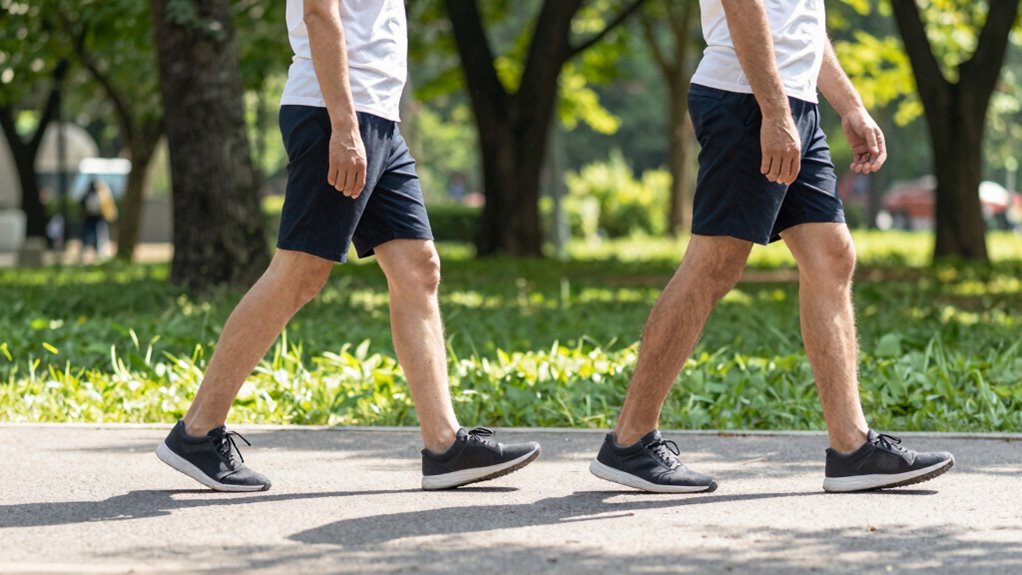
If you notice persistent or worsening problems with your walking, it’s important to see a doctor promptly. Ignoring gait issues can increase your risk of falls and injury. Seek medical advice if you experience:
- Frequent falls or near-falls
- Sudden or severe pain while walking
- Significant changes in gait or balance
- Numbness or weakness in your legs
- Issues with footwear choices that don’t support stability
Addressing gait problems early can improve fall prevention and help identify underlying health issues. Proper footwear choices play a key role in maintaining stability and preventing falls. A healthcare professional can assess your gait, recommend appropriate footwear, and suggest interventions to keep you safe and mobile. Don’t delay if your walking pattern worsens or if you notice new symptoms.
What Treatments and Lifestyle Changes Can Help Improve Gait?
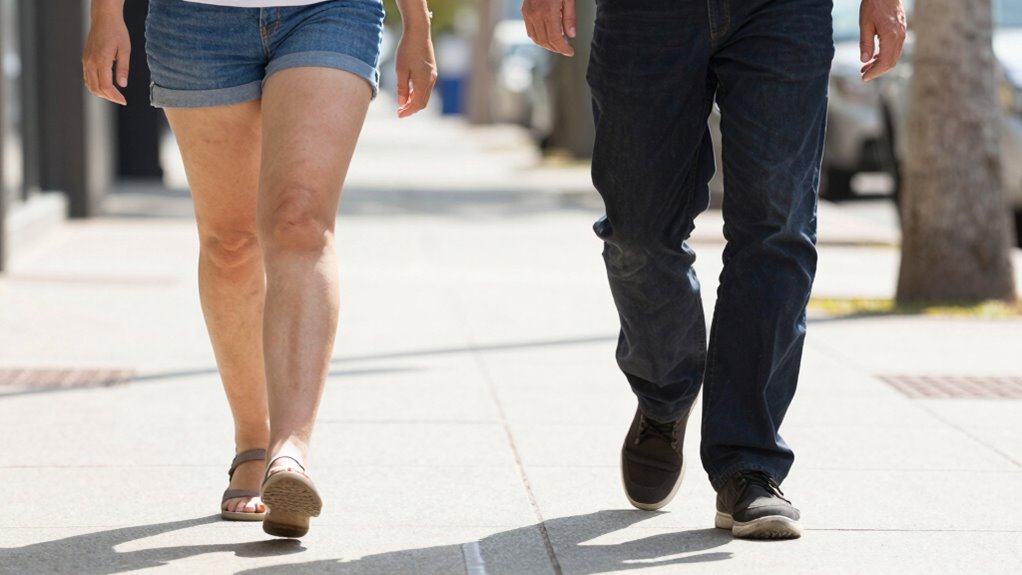
Implementing targeted treatments and making intentional lifestyle changes can considerably improve your gait. Regular exercise tailored to strengthen leg muscles and improve balance boosts your exercise motivation, making it easier to stay consistent. Stretching routines can also enhance flexibility and reduce discomfort. Your footwear choices play a vital role; opt for supportive shoes with proper arch and heel support to promote better alignment and reduce strain. Avoid worn-out or unsupportive footwear that can exacerbate gait issues. Additionally, working with a physical therapist can help develop personalized exercises and gait correction strategies. By staying motivated and choosing appropriate footwear, you can actively work toward better stability, comfort, and overall gait improvement, reducing the risk of further problems.
How Can You Prevent Gait Issues From Developing or Worsening?
You can help prevent gait issues by maintaining good posture and staying mindful of how you walk. Strengthening your core muscles provides stability and support, reducing the risk of problems. If you notice any changes, seek a professional evaluation early to address issues before they worsen.
Maintain Proper Posture
Maintaining proper posture is essential in preventing gait issues from developing or worsening. When you stay mindful of your posture, you support proper alignment and reduce strain on muscles and joints. Posture awareness helps you identify and correct imbalances before they cause problems. Core stability plays a key role in maintaining this proper alignment, providing a solid foundation for your movements. To improve your posture, consider these tips:
- Keep your shoulders relaxed and back
- Engage your core muscles regularly
- Avoid slouching or leaning forward
- Distribute weight evenly on both feet
- Take breaks to stretch and reset your posture
Focusing on these habits can help you develop better posture awareness and prevent gait issues from escalating, ensuring a smoother, healthier walk.
Strengthen Core Muscles
Strengthening your core muscles is a vital step in preventing gait issues from developing or worsening. A strong core enhances core stability, which supports proper alignment and movement efficiency when walking. Focus on muscle strengthening exercises that target your abdominals, obliques, back, and pelvis. Incorporate activities like planks, bridges, and abdominal curls into your routine to build a solid foundation. When your core is strong, it reduces strain on your lower limbs and helps maintain balanced gait patterns. Consistent core training improves posture and stability, making you less prone to gait abnormalities caused by muscle weakness or imbalance. Remember, a well-developed core is essential for smooth, confident walking and can markedly lower your risk of gait-related problems over time.
Seek Professional Evaluation
Seeking professional evaluation is a crucial step in preventing gait issues from developing or worsening. A gait analysis performed by a specialist can identify biomechanical flaws and movement patterns that might lead to problems. Understanding your walking biomechanics helps catch issues early, reducing the risk of injury and chronic pain. During an assessment, experts observe how you walk, identify imbalances, and recommend targeted interventions.
- Get a thorough gait analysis to pinpoint specific weaknesses
- Receive personalized exercises to improve walking biomechanics
- Address underlying issues like joint or muscle dysfunction
- Incorporate corrective footwear or orthotics if needed
- Follow expert advice to maintain ideal gait health and prevent future problems
Frequently Asked Questions
Can Gait Changes Indicate Early Signs of Neurological Diseases?
Yes, gait changes can indicate early neurodegenerative indicators. You might notice gait asymmetry or unsteady walking, which often signals underlying neurological issues. These early signs are vital for timely diagnosis and intervention. Pay attention to uneven steps, shuffling, or balance problems, as they could be your body’s way of alerting you to neurodegenerative conditions. Addressing these gait changes early can improve management and outcomes.
Are There Specific Exercises to Correct Abnormal Gait Patterns?
Did you know that targeted exercises can improve abnormal gait patterns in over 70% of cases? You should focus on hip flexibility exercises and core strengthening routines. Incorporate stretches like hip circles and bridges, along with core workouts such as planks and leg lifts. These exercises help stabilize your pelvis and improve overall gait. Consistency is key, so make these a part of your regular routine to see positive changes.
How Does Aging Influence Gait Stability and Balance?
As you age, your gait stability and balance decline because muscle strength and joint flexibility naturally decrease. You may notice it’s harder to stand or walk steadily, increasing fall risk. To combat this, focus on strength training and stretching exercises that improve muscle power and joint mobility. Maintaining these areas helps you stay balanced and safe, ensuring your gait remains steady and confident even as you get older.
Can Gait Analysis Technology Predict Future Mobility Issues?
Gait analysis technology can predict future mobility issues by identifying subtle changes in your walking pattern. With tools like robotic gait systems, you get detailed data that highlights early signs of decline. This insight helps healthcare professionals tailor gait rehabilitation programs effectively, preventing further deterioration. By catching problems early, you can maintain better mobility longer and reduce fall risks, making robotic gait analysis a powerful tool in proactive care.
What Role Does Footwear Play in Maintaining Healthy Gait?
Footwear impact is significant in maintaining a healthy gait. Your shoe selection influences foot alignment, balance, and shock absorption, which all affect how you walk. Choosing supportive, well-fitted shoes helps prevent gait abnormalities and reduces strain on your joints and muscles. Avoid worn-out or improper footwear, as it can lead to discomfort and long-term issues. Prioritize proper shoe selection to promote steady, natural movement and protect your overall mobility.
Conclusion
Pay attention to your walk; it’s the compass guiding you through health’s landscape. When your gait shifts, it’s like a warning light flickering on the dashboard, signaling deeper issues beneath the surface. Don’t ignore these signs—listen closely. By staying proactive, you can steer your journey back onto smooth, confident paths. Remember, your stride isn’t just movement; it’s a story told by your body—make sure it’s a story worth telling.