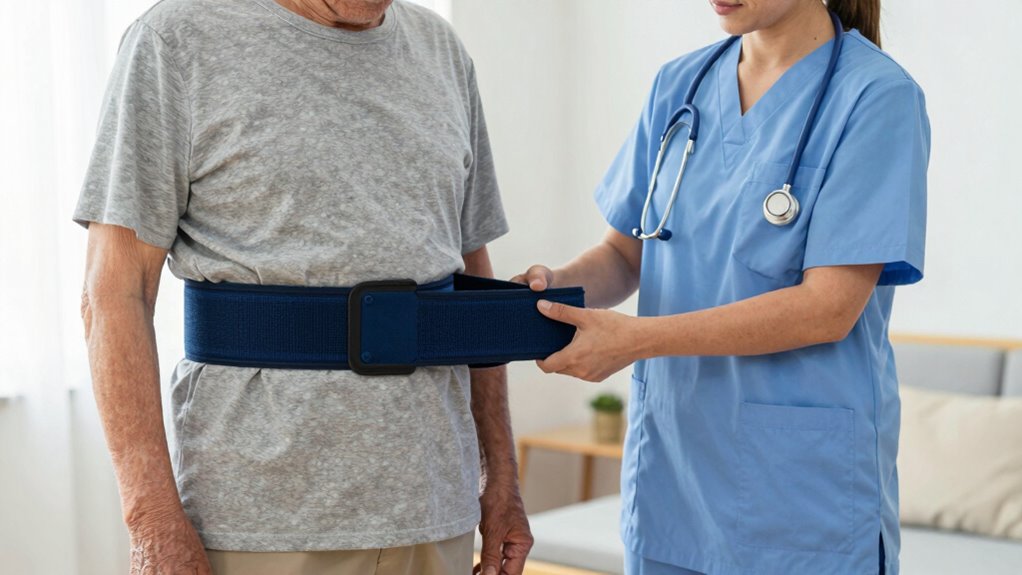

To use a gait belt safely, make certain it’s placed snugly around the narrowest part of the waist, with enough room for two fingers between the belt and skin. Secure the buckle tightly and check regularly for comfort and fit. Avoid using it if the patient resists, has severe cognitive impairment, or shows signs of medical instability. Proper application prevents injuries; knowing when not to use one ensures everyone’s safety—continue to learn how to do it right.
Key Takeaways
- Ensure the gait belt fits snugly at the waist, allowing two fingers between belt and skin for safety and comfort.
- Position the belt correctly around the narrowest waist, above hips and below the rib cage, avoiding hips or low on the waist.
- Use proper grip and support techniques, guiding the patient smoothly while maintaining good posture and environment safety.
- Avoid using a gait belt if the patient resists, shows anxiety, or has severe cognitive or medical instability.
- Regularly inspect and maintain the gait belt for wear, proper fit, and ensure the patient is comfortable and cooperative during use.

Gait Belt with Plastic Buckle by LiftAid – Transfer and Walking Aid with Belt Loop Holder for Assisting Therapist, Nurse, Home Care – 60"L x 2"W (Purple)
Lightweight and Affordable 60" x 2" gait belt designed to aid in walking and transferring fall-risk patients. Features…
As an affiliate, we earn on qualifying purchases.
As an affiliate, we earn on qualifying purchases.
Why Proper Gait Belt Use Keeps Patients Safe
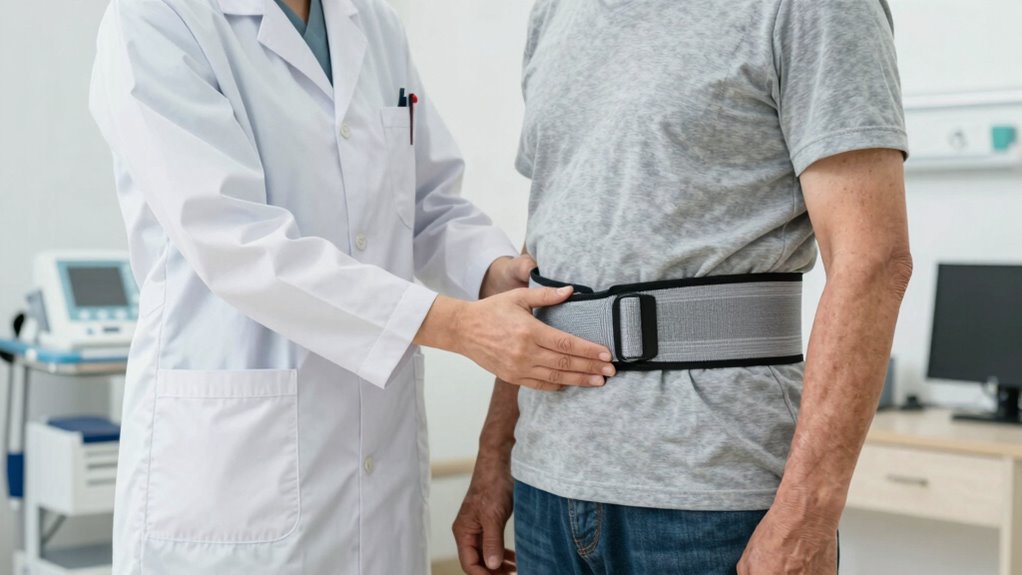
Proper gait belt use is essential because it directly prevents falls and injuries during patient transfers or ambulation. When you use a gait belt correctly, you help maintain the patient’s safety while respecting their dignity. Proper staff training ensures you know how to select the right size and position the belt correctly, reducing discomfort and embarrassment for the patient. When patients feel secure and respected, they’re more willing to cooperate, making transfers smoother and safer. Consistent training also helps you identify when a gait belt is appropriate and when alternative methods are better, preventing unnecessary risks. Additionally, knowing how to use basic safety techniques safely can be beneficial in emergency situations or when performing home care tasks. Recognizing regional variations in gait belt practices can improve overall safety standards. Understanding proper gait belt application is crucial for effective use and patient comfort. Being aware of patient-specific considerations ensures that each individual’s unique needs are met, further enhancing safety and comfort. Ultimately, proper gait belt use creates a safer environment for everyone involved, safeguarding patients from preventable harm while preserving their dignity.

Vive Gait Belt (300lbs) Transfer Belt with Handles – Medical Nursing Safety Patient Assist – Bariatric, Elderly, Handicap, Physical Therapy – PT Gate Strap Quick Release Metal Buckle, Grabbing Teeth
EASY MOVEMENT & TRANSFERS FROM A TRUSTED BRAND: Safely assist patients or loved ones with ease using our…
As an affiliate, we earn on qualifying purchases.
As an affiliate, we earn on qualifying purchases.
How to Properly Position and Secure a Gait Belt
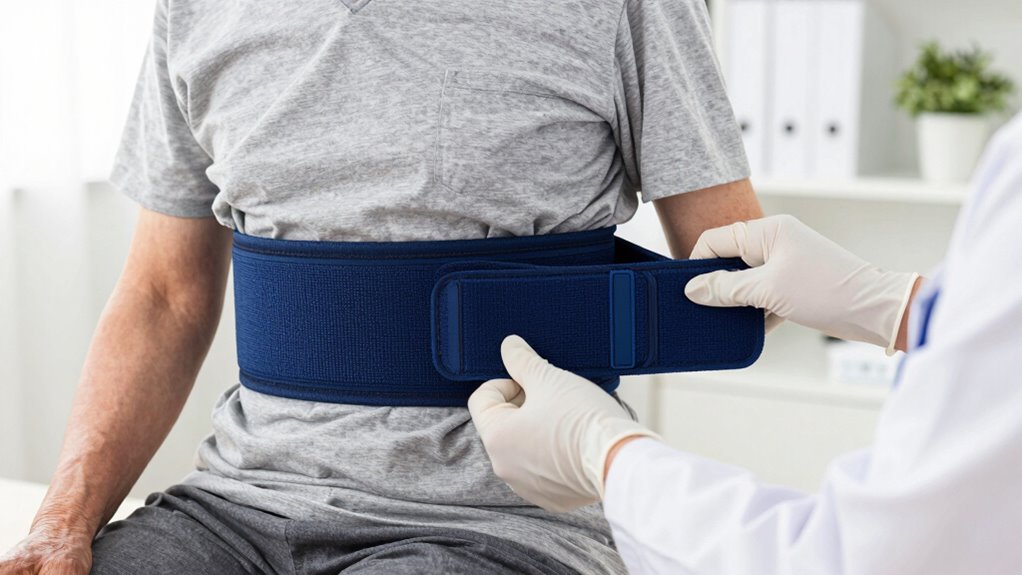
To guarantee a gait belt is secure and effective, you need to position it correctly on the patient’s waist. Proper belt placement means placing the belt around the narrowest part of the waist, usually above the hips and below the rib cage. Confirm the belt is snug but not too tight—you should be able to insert two fingers between the belt and the patient’s skin. Use securing techniques that involve fastening the buckle securely, making sure it lies flat against the body. Verify the belt’s position by checking for comfort and stability, avoiding any twisting or uneven placement. Proper positioning and securing techniques are essential to prevent slipping and ensure safety during movement. Additionally, regularly inspecting the belt for signs of wear can help maintain its safety and reliability. Being aware of belt material and its properties can also aid in selecting the most durable options for patient safety. Choosing belts made from high-quality materials can further reduce the risk of unexpected failures during use. Being aware of wear and tear signs can help prevent unexpected failures during use. Moreover, understanding proper cleaning and maintenance procedures can prolong the lifespan of the gait belt and ensure ongoing safety.

Gait Belt for Seniors, Transfer Belt with 7 Nylon Padded Handles, Medical Belt for Lifting Patients, Safety Gait Belt for Elderly Easy to Use Quick Release Buckle(Blue)
Jacobable Gait Belt is designed for people who need walking assistance and who are unable to get up…
As an affiliate, we earn on qualifying purchases.
As an affiliate, we earn on qualifying purchases.
Step-By-Step: Assisting Patients With a Gait Belt
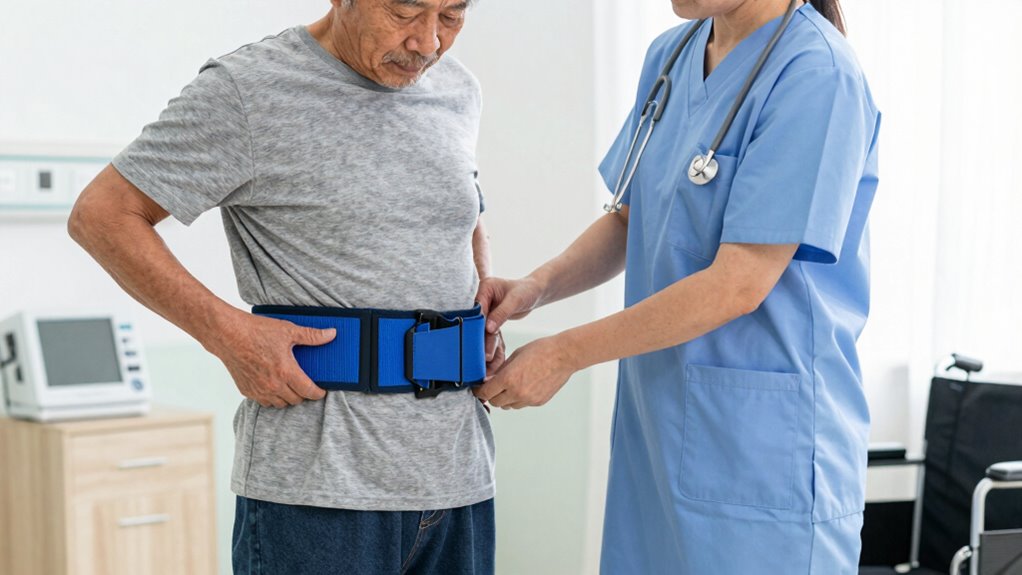
To assist your patient safely with a gait belt, start by preparing the belt and ensuring it’s properly secured. Next, position the patient correctly to maintain balance and comfort. Additionally, understanding proper grip techniques can help prevent injury during assistance. Being aware of patient safety considerations ensures that you are taking all necessary precautions. Ensuring the environment is free of obstacles can further prevent falls and promote safe mobility. Incorporating proper body mechanics can also reduce caregiver strain and enhance safety. Using a gait belt with appropriate fit can improve control and reduce discomfort for the patient. Finally, guide their movements carefully to prevent falls and promote safe mobility.
Preparing the Gait Belt
Before helping a patient with mobility, you need to guarantee the gait belt is ready and properly positioned. Start by inspecting the belt for equipment maintenance issues, such as tears or fraying, to ensure safety. Confirm the belt’s size fits the patient comfortably, not too loose or tight, to prevent discomfort or slips. Proper staff training is essential; familiarize yourself with the manufacturer’s instructions for correct application. Place the belt around the patient’s waist, ensuring it’s snug but not restrictive. Secure the buckle firmly, making sure the excess strap is manageable. Taking these steps guarantees the gait belt is prepared for use, reducing risks and promoting a safe, effective assistive process. Proper preparation is vital for both patient safety and your confidence. Additionally, understanding leash etiquette can help ensure safe and respectful handling of mobility aids. Being aware of water safety principles is also crucial when working with patients in aquatic environments or during hydrotherapy sessions. Recognizing the importance of proper fit can further enhance the safety and comfort of the gait belt during use.
Proper Patient Positioning
Proper patient positioning is essential for a safe and effective gait belt assist. You want the patient to sit or stand with good posture, which helps prevent falls and injuries. Check that their shoulders are aligned, back straight, and feet flat on the floor. To guarantee safety, adjust the equipment so the gait belt fits snugly but comfortably around the waist. Use posture correction techniques by gently guiding the patient into proper alignment if needed. Keep the gait belt at the waist level, not the hips or chest, for ideal support. Using proper positioning techniques also minimizes the risk of injury or discomfort during transfer. Ensuring correct body mechanics can further enhance safety and reduce strain for the caregiver. Proper positioning also promotes better patient stability throughout the transfer process. Additionally, maintaining proper body alignment helps prevent musculoskeletal strain for both patient and caregiver. Paying attention to proper body mechanics during transfers is crucial for safety and injury prevention. Use this table to guide your positioning:
| Step | Action | Purpose |
|---|---|---|
| 1 | Correct posture | Prevents imbalance |
| 2 | Adjust gait belt snugly | Ensures safety and comfort |
| 3 | Confirm equipment fit | Avoid slipping or discomfort |
| 4 | Position feet flat | Maintain stability |
Assisting Movement Safely
When assisting a patient with movement using a gait belt, your goal is to provide support while minimizing the risk of falls or injuries. Gait belt training helps you learn proper techniques to stabilize the patient safely. Start by explaining the process to the patient, emphasizing the importance of cooperation. Secure the gait belt snugly but comfortably around their waist, ensuring it’s positioned correctly. As you assist, keep your body aligned, use smooth motions, and avoid sudden pulls. Throughout the process, practice patient education by reassuring them and encouraging active participation. Always monitor their responses, adjusting your support as needed. Properly assisting movement with a gait belt promotes safety and builds patient confidence in their mobility.
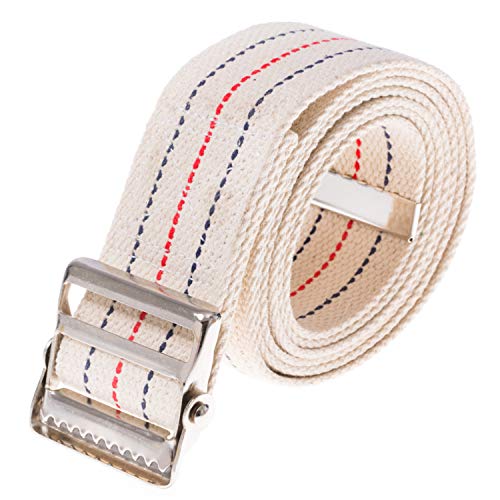
COW&COW Transfer and Gait Belt with Metal Buckle – Transfer Walking and Standing Assist Aid For Caregiver Nurse Therapist 2 inches (Beige with Stripes, 60")
COW&COW Gait Belt
As an affiliate, we earn on qualifying purchases.
As an affiliate, we earn on qualifying purchases.
Signs You’re Using a Gait Belt Incorrectly and How to Fix It
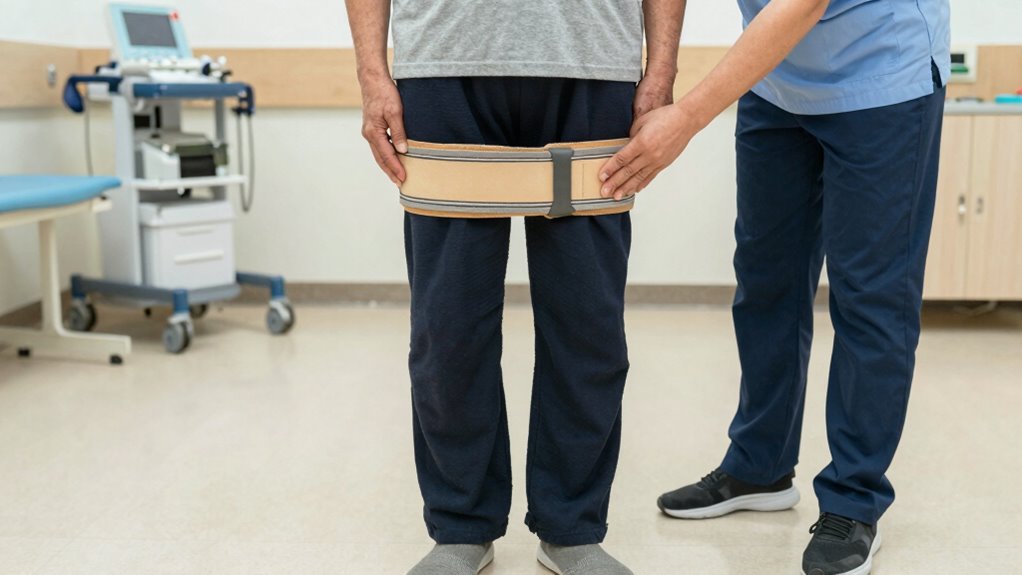
Using a gait belt incorrectly can compromise safety and increase the risk of falls or injuries. One common sign is incorrect placement — if the belt is too high on the waist, it won’t provide proper support; too low, and it may slide off. Verify the belt is snug but not too tight, as improper tension can cause discomfort or restrict breathing. If the belt feels loose or slips during movement, you’re likely using it with improper tension or placement. Additionally, avoid placing the belt on the hips if the patient has difficulty standing or sitting; instead, use the waist area. Regularly check the fit, making sure it’s secure but comfortable, to maintain safety and effectiveness during assistance. Proper gait belt positioning is essential to prevent injury and ensure effective support.
When Should You Avoid Using a Gait Belt?
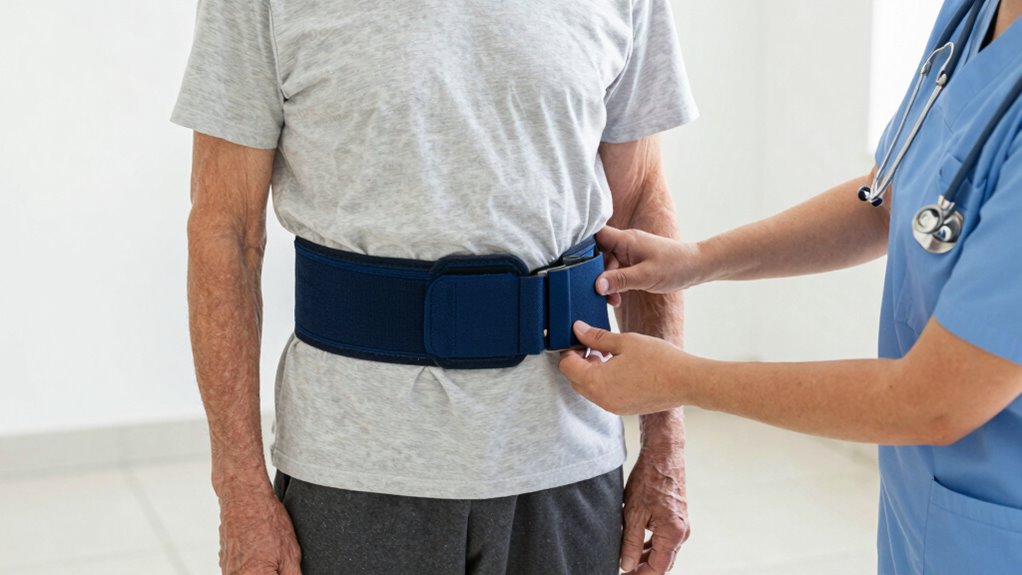
You should avoid using a gait belt if the patient shows resistance or anxiety, as forcing it can cause distress or injury. If they have severe cognitive impairment, using a gait belt might lead to confusion or unsafe behaviors. Additionally, do not use a gait belt if the patient has an unstable medical condition that could worsen with mobility assistance.
Patient Resistance or Anxiety
Patient resistance or anxiety can substantially impact the safety and effectiveness of gait belt use. When a patient is hesitant or fearful, their lack of cooperation can increase the risk of falls or injury. In such cases, providing emotional support is essential to help ease their fears and build trust. If a patient is visibly anxious or refuses assistance, forcing the gait belt may do more harm than good. Instead, take time to communicate, reassure, and gain their confidence before proceeding. If emotional distress persists, consider alternative methods of assistance or delay mobilization until the patient feels more comfortable. Prioritizing patient cooperation and emotional well-being ensures safer, more effective use of the gait belt.
Severe Cognitive Impairment
When a patient has severe cognitive impairment, caution is essential before applying a gait belt, as their limited understanding and memory can increase the risk of injury. Conduct a thorough cognitive assessment to determine their level of awareness and ability to follow instructions. Behavior management becomes critical, as disoriented or agitated patients may resist or react unpredictably. If they cannot comprehend or cooperate with positioning, using a gait belt might escalate confusion or lead to falls. In such cases, alternative transfer methods or additional support should be considered. Always prioritize safety, and if you’re unsure about their cognitive capacity to cooperate, consult with healthcare professionals or caregivers experienced in managing severe cognitive impairment.
Unstable Medical Condition
Using a gait belt is unsafe when a patient has an unstable medical condition, as their health status can quickly deteriorate during transfers. Medical instability increases the risk of sudden drops in blood pressure, bleeding, or arrhythmias, making gait belt use risky. If your patient shows signs of medical instability—such as uncontrolled pain, severe dizziness, or recent surgery—it’s best to avoid using a gait belt. Gait belt contraindications also include conditions like unstable fractures or active infections. In these cases, transferring the patient without proper stabilization can lead to serious injury. Always assess the patient’s current health status and consult with healthcare providers if you’re unsure. Prioritizing safety helps prevent complications caused by medical instability during transfers.
Tips to Keep Patients Comfortable During Gait Belt Use
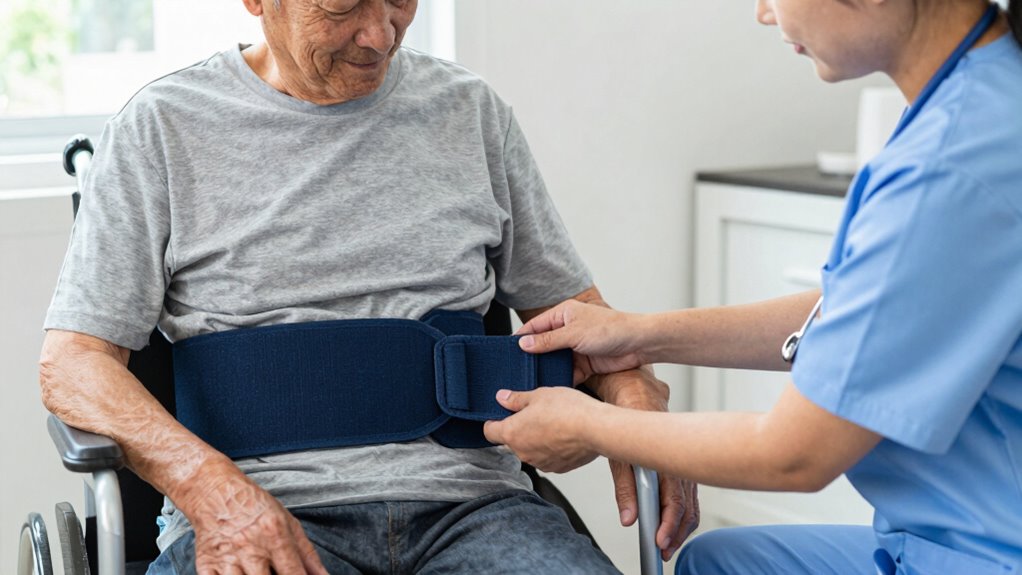
Ensuring comfort during gait belt use is essential for a safe and positive experience. To promote patient comfort, communicate clearly and gently before securing the belt. Adjust the gait belt snugly but not too tight to avoid discomfort or restricted circulation. Consider clothing when applying the belt—loose or bulky garments may interfere with proper placement, so advise patients to wear fitted clothing that allows easy access. Always check for pressure points or pinching and reposition the belt if needed. Supporting the patient with a reassuring tone helps ease anxiety and makes the process smoother. Remember, comfort and safety go hand in hand; paying attention to clothing considerations and gentle handling guarantees a more comfortable and effective gait belt experience for your patient.
Frequently Asked Questions
Can Gait Belts Be Reused on Multiple Patients Safely?
Yes, gait belts can be reused on multiple patients if you follow proper procedures. You should always check patient hygiene and verify the belt is thoroughly cleaned and sterilized between uses. Use appropriate cleaning agents, and let the belt dry completely before reuse. This helps prevent cross-contamination and maintains safety. Always adhere to your facility’s infection control policies to protect your patients and staff.
Are There Specific Patient Conditions Where Gait Belts Should Never Be Used?
Using a gait belt on certain patients can be a recipe for disaster. You should avoid it with patients who have patient contraindications like severe osteoporosis, skin infections, or spinal injuries. Gait belt restrictions apply when patients have fragile bones or open wounds. In these cases, using a gait belt could cause serious harm. Always assess the patient’s condition first to guarantee safety, because ignoring these restrictions is like playing with fire.
How Often Should Gait Belts Be Inspected for Wear and Tear?
You should inspect your gait belt for wear and tear at least once a week to guarantee safety. Regular belt maintenance involves checking the stitching, buckle, and fabric for any signs of damage or fraying. If you notice any issues during inspection, replace the belt immediately. Consistent inspection frequency helps prevent accidents and keeps both you and your patient secure during transfers. Always prioritize safety through proper belt maintenance.
What Are Alternative Transfer Aids if a Gait Belt Isn’t Suitable?
If a gait belt isn’t suitable, you can use alternative assistive devices like slide sheets, transfer boards, or mechanical lifts to guarantee safe patient transfer. These options help improve patient comfort and reduce the risk of injury for both of you. Always assess the patient’s needs and mobility level before choosing an aid, and ensure proper technique to maintain safety and comfort during transfers.
How Do I Handle Emergency Situations While Using a Gait Belt?
Think of the gait belt as your anchor in stormy seas. During emergencies, stay calm and act swiftly, maintaining clear patient communication to reassure and inform. Your emergency preparedness means knowing the protocols and having quick access to assistance. Keep a firm grip, support the patient securely, and call for help immediately if needed. Your calm, confident response can prevent further injury and ensure safety for everyone involved.
Conclusion
Using a gait belt correctly keeps your patients safe, maintains their dignity, and prevents injuries. Proper positioning, secure fastening, and attentive support ensure comfort and stability. Recognize when not to use a gait belt to avoid unnecessary harm. Stay vigilant, communicate clearly, and adapt your approach to each patient’s needs. With careful technique and thoughtful care, you foster trust, promote safety, and help your patients move confidently and comfortably every step of the way.