
If your loved one with dementia resists bathing, the ‘choice illusion’ technique can help by offering simple, guided options that foster independence and reduce anxiety. By giving small choices—like whether to sit or stand, or which scent to use—you empower them and build trust. This respectful approach minimizes resistance and creates a calmer experience. Keep exploring to discover effective steps and tips to make bathing more comfortable and respectful for your loved one.

Turn quiet afternoons into listening time
- Thousands of audiobooks, podcasts and originals
- Listen on your phone, tablet or Echo — also offline
- Cancel anytime
Key Takeaways
- The ‘Choice Illusion’ technique offers simple, limited options to promote autonomy and reduce resistance during dementia bathing.
- Providing choices at each step fosters trust, enhances cooperation, and diminishes anxiety in individuals with dementia.
- Using the technique involves respectful communication, positive reinforcement, and sensory stimulation to create a calming environment.
- Limiting choices prevents overwhelm, while offering control helps maintain dignity and emotional comfort.
- Incorporating ‘Choice Illusion’ aligns with person-centered strategies to improve bathing experiences and reduce behavioral resistance.
dementia bathing assistive devices
As an affiliate, we earn on qualifying purchases.
As an affiliate, we earn on qualifying purchases.
Why Do Loved Ones Resist Bathing in Dementia Care?
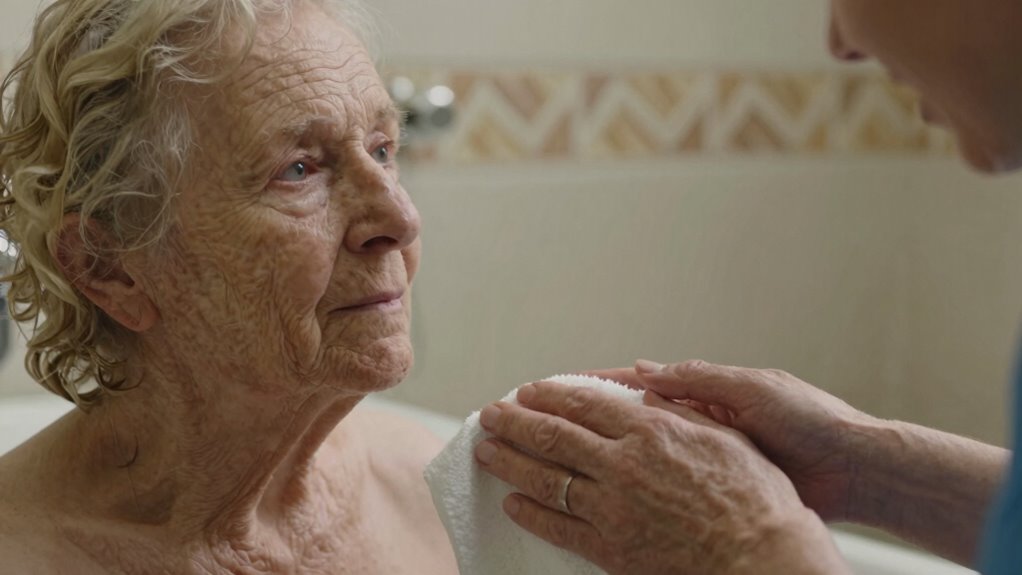
When caring for a loved one with dementia, understanding why they resist bathing can be challenging. Emotional triggers play a significant role, as they may associate bathing with discomfort, fear, or loss of control. Environmental cues, such as noisy or unfamiliar surroundings, can heighten anxiety and resistance. Your loved one might feel overwhelmed by the water temperature, the sound of running water, or the unfamiliar scent of soap. Past negative experiences or a fear of being restrained can also intensify their reluctance. Recognizing these factors helps you approach bathing with empathy. By identifying emotional triggers and environmental cues, you can create a calmer, more comforting setting that reduces resistance and makes the experience less stressful for both of you. Additionally, understanding how contrast ratio impacts visual clarity can help you adjust lighting and environment to make the space more soothing and less intimidating. Proper lighting with optimal visual contrast can significantly ease the bathing process by making hazards more visible and reducing visual confusion. Considering the lighting environment ensures that visual cues are clear and less likely to cause distress. Paying attention to environmental adjustments can further support a positive bathing experience by minimizing sensory overload and promoting a sense of safety.
bathroom safety lighting for dementia
As an affiliate, we earn on qualifying purchases.
As an affiliate, we earn on qualifying purchases.
What Is the ‘Choice Illusion’ Technique and How Does It Help?

The ‘Choice Illusion’ technique helps your loved one feel more in control by offering options that seem like choices but guide their decisions. This approach promotes their autonomy and dignity, making bathing less stressful. As a result, resistance and anxiety often decrease, leading to more cooperative engagement. Incorporating work-life harmony principles can also help caregivers manage stress and maintain patience during such interactions. Understanding natural behaviors can further support a compassionate approach that respects the individual’s preferences and reduces conflict. Recognizing behavioral cues can enable caregivers to adapt their strategies more effectively, fostering a calmer bathing experience. Being attentive to emotional responses can help tailor the approach even more to the individual’s current state, enhancing cooperation and comfort.
Promotes Autonomy and Dignity
Introducing the ‘choice illusion’ technique can considerably enhance a person’s sense of autonomy and dignity during caregiving. By offering simple, genuine choices, you empower the individual to feel in control, which boosts their self-esteem. This approach provides emotional support, reassuring them that their preferences matter. Using effective communication strategies, you acknowledge their feelings and respect their pace, fostering trust. When you present options—such as “Would you like to wash your hair first or your face?”—they retain a sense of independence, even during routine tasks. This respect for their autonomy helps preserve dignity, making the experience less stressful for both of you. Ultimately, the ‘choice illusion’ reinforces their sense of self, promoting a respectful, compassionate caregiving environment.
Reduces Resistance and Anxiety
Using the ‘choice illusion’ technique can considerably reduce resistance and anxiety during bathing by giving individuals a sense of control. When you offer simple options, you help them feel less overwhelmed, minimizing emotional triggers linked to loss of independence. Environmental factors, like calming music or warm water, also play a role in easing tension. Imagine this:
| Emotional Triggers | Environmental Factors |
|---|---|
| Fear of unfamiliarity | Soft lighting, gentle sounds |
| Feeling powerless | Familiar routines |
| Anxiety about water | Comfortable temperature |
Additionally, incorporating positive reinforcement can further encourage cooperation and build trust during bathing routines.
Facilitates Cooperative Engagement
The ‘choice illusion’ technique encourages cooperative engagement by giving you a sense of participation and control during bathing. When you’re involved in decisions, such as choosing the water temperature or the type of soap, it boosts your confidence and reduces resistance. Environmental adjustments, like soft lighting or calming music, serve as sensory stimulation that makes the experience more pleasant and less overwhelming. These small modifications help you feel more comfortable and in control, fostering a cooperative attitude. By actively engaging your senses and offering choices, caregivers create a supportive environment that encourages collaboration. Incorporating essential DIY tools such as adjustable lighting or sound equipment can further enhance the sensory experience. The use of therapeutic sound or music therapy, grounded in sound healing science, can also promote relaxation and reduce anxiety during bathing. This approach not only eases the bathing process but also enhances your overall sense of dignity and independence. Additionally, understanding and addressing resistance through these techniques can lead to more positive bathing experiences. Recognizing the importance of patient-centered care helps tailor interventions that respect individual preferences and promote cooperation. Engaging in sensory modulation techniques can help manage sensory sensitivities and improve comfort levels during bathing.
sensory calming bath products for seniors
As an affiliate, we earn on qualifying purchases.
As an affiliate, we earn on qualifying purchases.
How Can You Respectfully Offer Choices During Bathing?

Offering choices during bathing helps preserve the dignity and independence of the person with dementia. Respecting personal boundaries and using effective communication strategies make this possible. Present options clearly and simply, such as, “Would you like to wash your face first or your hair?” This empowers them without feeling overwhelmed. Remember, offering too many choices can be confusing, so limit options to two or three. Use a caring tone and eye contact, reassuring them that their preferences matter. Here’s a visual reminder:
| Respect Boundaries | Use Clear Language | Offer Limited Choices |
|---|---|---|
| Always ask permission | Speak calmly & kindly | Keep options simple |
| Observe comfort levels | Validate feelings | Avoid pressuring |
| Respect personal space | Be patient & present | Let them decide |
This approach nurtures trust and cooperation during bathing. Additionally, understanding regional flavors and cultural nuances can be incorporated into care routines to make the experience more comfortable and familiar. Recognizing ethical considerations in caregiving ensures that residents’ rights and dignity are always prioritized.
As an affiliate, we earn on qualifying purchases.
Step-by-Step: Applying the ‘Choice Illusion’ Technique in Practice
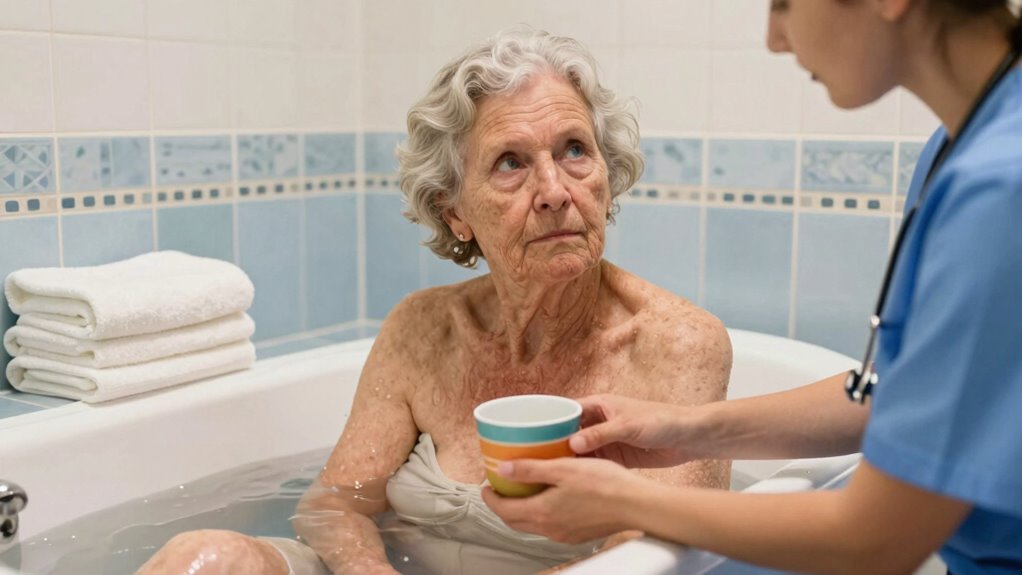
To effectively apply the ‘Choice Illusion’ technique during bathing, you need to plan your approach carefully. Begin by evaluating your loved one’s dementia communication cues and preferences. Use behavioral strategies like offering small, manageable choices that create a sense of control—such as selecting a towel or scent. Frame these choices as options, even if the outcome is predetermined, to reduce resistance. Maintain a calm tone and positive body language to reinforce cooperation. Break down the bathing process into steps, and give choices at each stage to encourage participation. Incorporating latest trends in dementia care techniques such as person-centered strategies can further enhance your approach. Being aware of behavioral triggers can help you anticipate and prevent resistance. Recognizing individual communication cues can guide you in tailoring your approach to each person’s needs. Additionally, understanding how home environment factors influence behavior can help create a calmer setting that minimizes resistance. Remember, the goal is to make your loved one feel respected and empowered, easing the resistance often caused by frustration or confusion. Consistent application builds trust and promotes smoother bathing routines.
Common Challenges and How to Overcome Them Using This Approach

Many caregivers encounter resistance during bathing because individuals with dementia often feel confused or overwhelmed, making them reluctant to cooperate. Emotional triggers like fear or frustration can intensify this resistance. To overcome these challenges, focus on environmental adjustments that create a calming, familiar space—dim lighting, soothing sounds, or familiar scents can help reduce anxiety. Use gentle, reassuring language to address emotional triggers before beginning the bath, helping your loved one feel safe. The ‘choice illusion’ technique can be especially effective here, giving the impression of control while guiding the process smoothly. By recognizing emotional triggers and making simple environmental adjustments, you can minimize resistance and foster a more positive bathing experience.
Real-Life Success Stories With the ‘Choice Illusion’ Method

Real-life stories demonstrate how the ‘choice illusion’ method can transform bathing experiences for individuals with dementia. Caregivers who practiced this approach reported improved elderly communication and greater cooperation. For example, one caregiver offered a choice between “standing or sitting” or “warm or cool water,” making the person feel in control. This technique builds trust and reduces resistance, fostering more positive interactions. Here’s a snapshot of success stories:
| Situation | Technique Used | Outcome |
|---|---|---|
| Resident refused to shower | Offered two options | Increased cooperation |
| Elderly person hesitant to enter bath | Allowed choice of towel placement | Reduced anxiety |
| Person resistant to washing hair | Let them pick shampoo scent | Enhanced engagement |
| Client uncomfortable with water temperature | Chose preferred temperature | Comfort and compliance achieved |
| Elderly with communication difficulties | Used simple choices | Better understanding, less resistance |
Implementing choice-based strategies like this is proven to improve bathing compliance and reduce stress for both caregivers and seniors.
Tips for Maintaining Trust and Dignity During Bathing

Building trust and preserving dignity during bathing are key to creating a positive experience for individuals with dementia. Approach personal hygiene with patience and respect, speaking softly and explaining each step to reduce confusion. Maintain eye contact and use gentle touch to provide emotional support, helping your loved one feel safe and valued. Keep the environment calm and private, and involve them in decisions whenever possible, such as choosing a towel or soap scent. Respect their preferences and pace, avoiding rushing or force. Reinforce their independence by encouraging small tasks, which boosts confidence. Remember, your calm demeanor and compassionate attitude reassure them, making the bathing process less stressful and more respectful of their dignity. Using accessibility features can also help create a more comfortable and supportive bathing environment. Incorporating dementia-friendly design elements can further enhance safety and ease during bathing routines.
Frequently Asked Questions
How Do I Identify When Resistance Is Genuine or Manipulative?
You can identify if resistance is genuine or manipulative by paying attention to emotional cues and behavioral patterns. Genuine resistance often shows consistent signs like distress, fear, or agitation, while manipulative resistance may appear suddenly or be aimed at avoiding discomfort or inconvenience. Observe their facial expressions, tone, and body language carefully, and note if their reactions align with past behaviors or seem out of character, helping you better respond to their needs.
Are There Specific Signs That Indicate Discomfort During Bathing?
You can tell if someone’s uncomfortable during bathing by paying close attention to their body language and facial expressions. Signs like clenched fists, pulling away, tense muscles, or avoiding eye contact indicate discomfort. Watch for facial cues such as frowning, grimacing, or tears. If these signs appear, it’s a clear indication that the person isn’t at ease and may need reassurance or a different approach to help them feel safer.
Can the ‘Choice Illusion’ Technique Be Adapted for Different Stages of Dementia?
You can definitely adapt the ‘choice illusion’ technique across different dementia stages. It’s essential to use personalization strategies, tailoring options to each individual’s preferences and abilities. Environmental adjustments, like calming lighting or familiar objects, help make the experience smoother. As dementia progresses, simplify choices further and focus on comfort. Remember, even small adjustments can turn bathing into a more positive experience, keeping your loved one feeling respected and in control.
What Alternatives Exist if a Person Refuses to Bathe Entirely?
If a person refuses to bathe entirely, focus on maintaining personal hygiene through alternative methods. You might offer sponge baths, use no-rinse wipes, or encourage hand and face washing to reduce emotional triggers. Respect their comfort and preferences, creating a calm environment. These options help support hygiene while minimizing resistance, ensuring they feel respected and safe without forcing a full bath.
How Do Cultural Beliefs Influence Bathing Resistance and Solution Strategies?
Imagine walking through a vibrant marketplace where cultural norms and bathing rituals weave together like colorful threads. Your loved one’s beliefs shape their resistance, influenced by traditions or spiritual practices. To address this, you honor their customs, blending familiar rituals with gentle encouragement. By respecting their cultural background, you create a calming environment, turning bathing into a familiar, respectful ritual rather than a struggle, fostering trust and cooperation.
Conclusion
By embracing the ‘choice illusion,’ you empower and encourage your loved one, easing bathing resistance with patience and respect. Remember, gentle guidance garners gratitude, and small steps build trust. When you prioritize their dignity and deliver decisions with dignity, you deepen bonds and diminish distress. Stay steady, show sensitivity, and sustain their sense of self—because in caregiving, consistency creates comfort, compassion cultivates connection, and kindness keeps the caring core alive.
Fall Picks
fall essentials
As an affiliate, we earn on qualifying purchases.