
TL;DR

Turn quiet afternoons into listening time
- Thousands of audiobooks, podcasts and originals
- Listen on your phone, tablet or Echo — also offline
- Cancel anytime
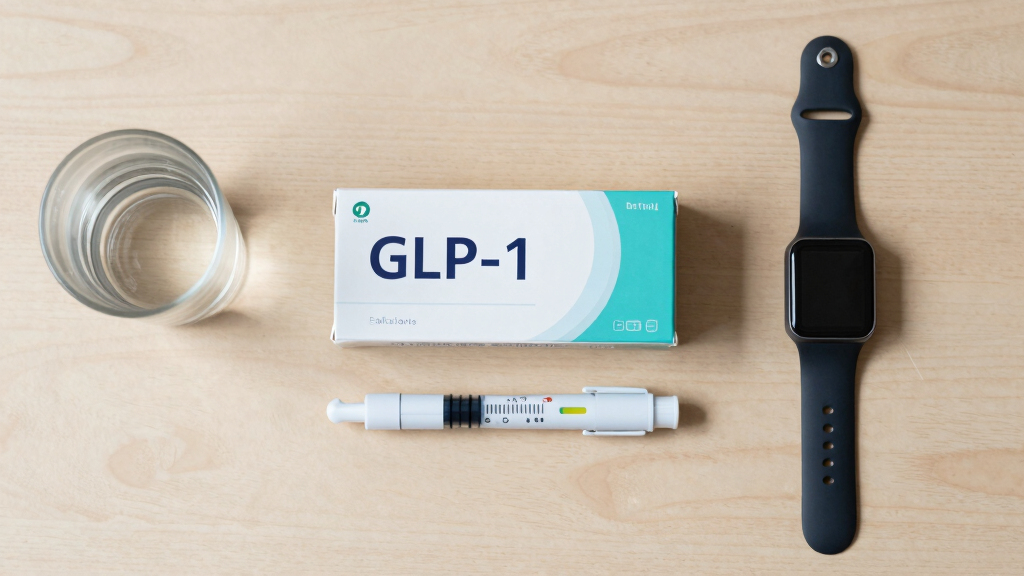
Medicare is now offering broader coverage for GLP-1 drugs, which are used to treat type 2 diabetes and obesity. This change aims to improve access for older adults but raises questions about cost and eligibility.
Medicare has announced expanded coverage for GLP-1 receptor agonist drugs, which are used to treat type 2 diabetes and obesity, making these medications more accessible to older adults. This development is significant as it could influence treatment options and out-of-pocket costs for millions of seniors.
The Centers for Medicare & Medicaid Services (CMS) confirmed that starting in 2024, Medicare will cover a broader range of GLP-1 drugs including popular medications like semaglutide and liraglutide. This change follows recent clinical evidence showing these drugs’ effectiveness in managing blood sugar levels and promoting weight loss.
Previously, coverage for GLP-1 medications was limited, often requiring prior authorization or being restricted to specific patients. The new policy aims to reduce barriers, potentially lowering costs for eligible seniors with diabetes or obesity, conditions that significantly impact health and quality of life.
Experts note that this expansion could lead to increased use of GLP-1 drugs among older adults, but also highlight ongoing discussions about the long-term safety, affordability, and appropriate patient selection for these medications.
Why Expanded Medicare Coverage for GLP-1 Drugs Matters for Seniors
This policy change could greatly improve access to effective treatments for older adults managing diabetes and obesity, conditions linked to serious health complications. Reduced financial barriers may lead to better health outcomes, including improved blood sugar control and weight management.
However, the increase in usage also raises concerns about drug costs, safety, and appropriate prescribing practices. Policymakers, healthcare providers, and patients will need to navigate these considerations as the new coverage takes effect.
GLP-1 receptor agonist medications for seniors
As an affiliate, we earn on qualifying purchases.
As an affiliate, we earn on qualifying purchases.
Background on GLP-1 Drugs and Medicare Coverage Policy
GLP-1 receptor agonists, such as semaglutide and liraglutide, have gained prominence in recent years for their dual role in managing type 2 diabetes and promoting weight loss. Clinical trials have demonstrated their effectiveness, leading to broader FDA approval and increased prescribing.
Until now, Medicare coverage for these drugs was limited, often requiring patients to meet strict criteria or pay high out-of-pocket costs. The recent policy change reflects a shift towards recognizing the importance of these medications in managing chronic conditions among older adults.
This expansion aligns with broader healthcare trends emphasizing personalized, effective treatments for aging populations but also prompts ongoing debates about cost containment and equitable access.
“Starting in 2024, Medicare will cover a wider range of GLP-1 receptor agonists to improve access for eligible seniors.”
— CMS spokesperson
semaglutide weight loss injections
As an affiliate, we earn on qualifying purchases.
As an affiliate, we earn on qualifying purchases.
Ongoing Questions About Cost, Safety, and Access
It is not yet clear how much this expanded coverage will reduce out-of-pocket costs for individual patients or how widely these drugs will be prescribed among the elderly. Long-term safety data specific to older populations are still emerging, and concerns about potential side effects remain.
Additionally, eligibility criteria and prior authorization processes may vary, creating uncertainty about how easily patients can access these medications under the new policy.
As an affiliate, we earn on qualifying purchases.
Next Steps for Patients and Healthcare Providers
Medicare beneficiaries should consult their healthcare providers to understand how this policy change may affect their treatment options and costs. Providers will need to review eligibility criteria and navigate new billing procedures.
Further updates from CMS are expected as the policy is implemented, including detailed guidance on prescribing practices and cost management. Researchers and policymakers will continue to monitor the impact of expanded coverage on health outcomes and healthcare spending.
As an affiliate, we earn on qualifying purchases.
Key Questions
Will Medicare cover all types of GLP-1 drugs now?
Medicare will cover a broader range of GLP-1 receptor agonists, including popular options like semaglutide and liraglutide, starting in 2024. Coverage specifics may vary based on individual eligibility and medical necessity.
How will this change affect my out-of-pocket costs?
The expansion aims to reduce costs for eligible seniors, but exact out-of-pocket expenses will depend on individual plans, prescriptions, and whether prior authorization is required. Patients should consult their providers and Medicare resources for details.
Are there safety concerns with using GLP-1 drugs in older adults?
While clinical trials show these drugs are generally effective, ongoing research continues to evaluate long-term safety in older populations. Patients should discuss risks and benefits with their healthcare providers.
What should I do if I want to start a GLP-1 drug now?
If prescribed, talk to your healthcare provider about coverage options and whether your medical condition qualifies for Medicare coverage under the new policy. They can also help manage any prior authorization or cost concerns.
Source: rss
Halloween Picks
halloween
As an affiliate, we earn on qualifying purchases.