
TL;DR
The New York City health department has confirmed 14 cases of Legionnaires’ disease on the Upper East Side. The cases are under investigation, and health officials are monitoring the situation closely. The outbreak’s cause remains unclear, and authorities are working to identify the source.
The New York City Department of Health has confirmed that there are now 14 cases of Legionnaires’ disease on the Upper East Side, marking an increase from previous reports. This development underscores ongoing public health concerns in the neighborhood, with officials actively investigating the source of the outbreak.
According to the NYC Department of Health, all 14 cases have been identified within the last few weeks. None of the individuals have reportedly died, but several have been hospitalized. The department has emphasized that the cases are geographically concentrated in a specific part of the Upper East Side, prompting targeted investigations.
Health officials are examining potential sources such as cooling towers, water systems, and other infrastructure known to harbor Legionella bacteria, which causes Legionnaires’ disease. The department has not yet identified a definitive source but is working with building owners and environmental agencies to conduct testing and inspections.
The department has advised residents to be aware of symptoms including cough, fever, chills, and muscle aches, and to seek medical attention if symptoms develop. No widespread public health emergency has been declared, but officials remain vigilant.
Health Risks and Public Safety Implications of the Outbreak
The rise to 14 confirmed cases signals a potential health risk for residents and visitors in the area, especially vulnerable populations such as the elderly and immunocompromised. Legionnaires’ disease can cause severe pneumonia and, in some cases, be fatal. The outbreak highlights the importance of infrastructure maintenance and environmental health measures in urban settings.
Authorities’ response and investigation will influence public confidence and may lead to stricter regulations on water system management in New York City. The situation underscores ongoing challenges in controlling Legionella bacteria in large cities.

HydroHawk Legionella Swab Test for Water Outlets – Single-Use Testing Kit
- Complete Single-Use Test Kit: Includes swab, buffer, test strip, instructions
- Detects Legionella at 200 CFU: High sensitivity for early contamination detection
- Fast Results in 25 Minutes: Quick testing without lab analysis needed
As an affiliate, we earn on qualifying purchases.
As an affiliate, we earn on qualifying purchases.
Previous Legionnaires’ Outbreaks and NYC Water Safety Measures
Legionnaires’ disease outbreaks are not uncommon in New York City, often linked to cooling towers and water systems. Notably, in 2015, the city experienced a significant outbreak resulting in 12 deaths, prompting reforms in water system oversight. The NYC Department of Health regularly monitors water infrastructure for Legionella bacteria, especially during warmer months.
In recent years, city officials have increased inspections and mandated testing of cooling towers, which are frequently associated with Legionnaires’ outbreaks. Despite these measures, sporadic cases continue to occur, emphasizing the persistent risk of Legionella bacteria in urban water systems.
The current increase in cases on the Upper East Side is the latest in a series of localized outbreaks, prompting renewed focus on infrastructure management and environmental health protocols.
“We are actively investigating the source of these cases and are working with building owners to identify potential environmental sources.”
— NYC Department of Health spokesperson
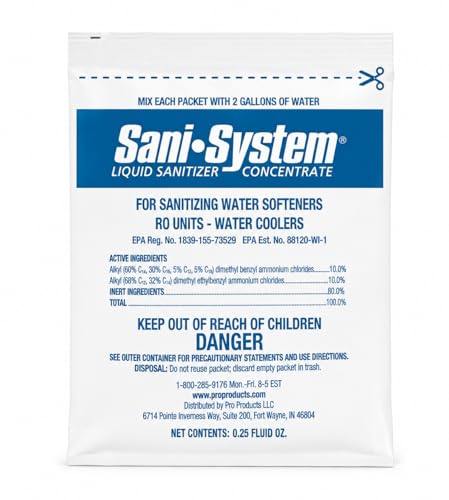
Pro Products Sani-System Liquid RO, Water Softener, and Water Cooler Sanitizer 0.25 Oz Packet, SS01RO
- Suitable for water systems: Sanitizes water softeners, RO units, coolers
- Certified and EPA-registered: NSF/ANSI/CAN 60, EPA-registered sanitizer
- Compact size: .25 FL. OZ. packet
As an affiliate, we earn on qualifying purchases.
As an affiliate, we earn on qualifying purchases.
Unconfirmed Source and Investigation Status
It is not yet clear what specific source is responsible for the current outbreak. Investigations are ongoing, and officials have not announced a definitive link to cooling towers or other infrastructure. The timeline for identifying the source remains uncertain, and there is no confirmed connection to previous outbreaks.
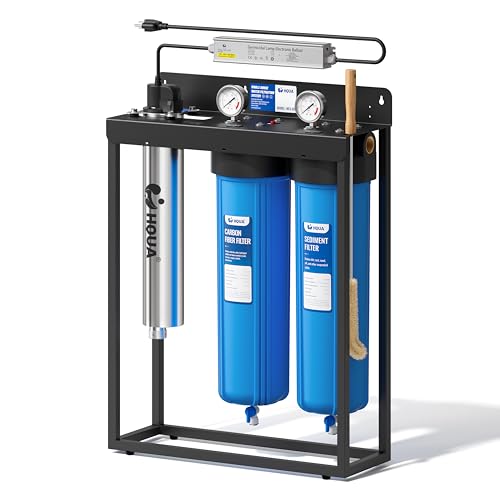
HQUA WF3-03 3-Stage Free-Standing Whole House Water Filtration System, UV Filter Included, Reduces Heavy Metals (Lead, Mercury, Arsenic, Cadimum, Chromium), PFAS, Chlorine, Sediment, Odor, and VOC’s
- Installation Options: Floor-standing or wall-mounted design
- UV Purification: Reduces 99.99% of microorganisms
- PFAS Reduction: Effectively reduces PFOA and PFOS
As an affiliate, we earn on qualifying purchases.
As an affiliate, we earn on qualifying purchases.
Next Steps in Outbreak Investigation and Public Guidance
Health officials will continue environmental testing and inspections of suspected sites. Residents are advised to remain vigilant for symptoms and follow public health guidance. The NYC Department of Health will provide updates as new information becomes available and may implement additional safety measures if a source is identified.

TDS Water Tester, Drinking Water Tester, 0-9990 PPM Meter Water Quality Tester, Portable Water Tester for Drinking Water, TDS Meter Digital Water Tester, 1 Pack, Deep Blue
- Premium Titanium Alloy Probe: Quickly and accurately tests TDS levels
- Portable Water Testing: Easily monitor multiple water parameters
- Large LCD Display: Clear readings in any situation
As an affiliate, we earn on qualifying purchases.
As an affiliate, we earn on qualifying purchases.
Key Questions
What are the symptoms of Legionnaires’ disease?
Symptoms include cough, fever, chills, muscle aches, and shortness of breath. Seek medical attention if these occur, especially after recent exposure in the area.
Who is most at risk from this outbreak?
Vulnerable populations such as the elderly, smokers, and those with weakened immune systems are at higher risk of severe illness from Legionnaires’ disease.
Is there a danger to the general public?
While the outbreak is localized, residents are advised to be aware of symptoms and avoid exposure to potential sources like water systems. No widespread health emergency has been declared.
What is being done to control the outbreak?
Environmental testing, inspections, and collaboration with building owners are underway. The city is also reviewing water system safety protocols to prevent further cases.
Source: google-trends