
TL;DR
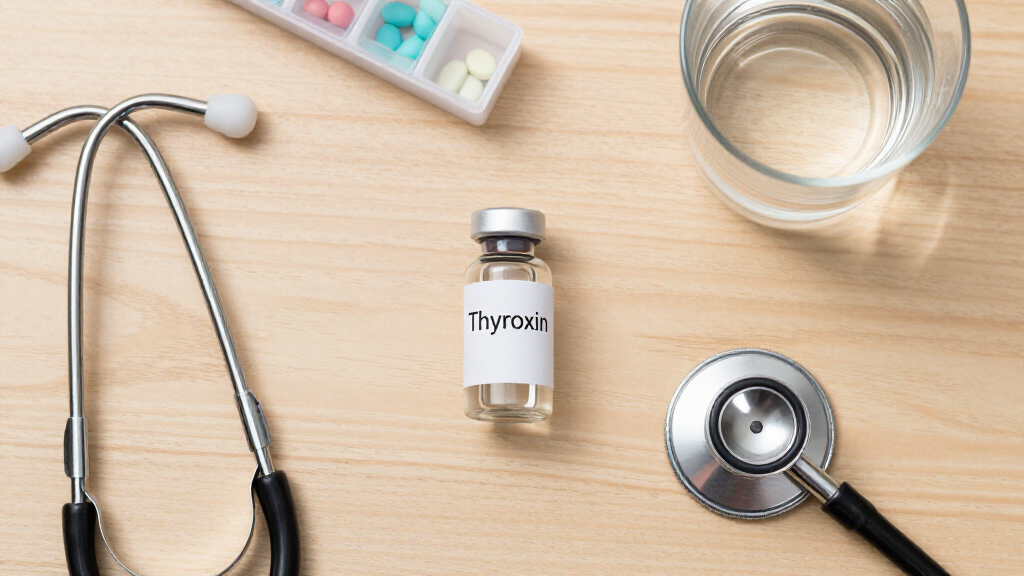
Regulatory agencies have approved a new thyroxin formulation for hypothyroidism treatment. The development aims to improve patient outcomes, but full clinical data is yet to be released. The approval marks a significant step in thyroid disease management.
Regulatory agencies in several countries have approved a new formulation of thyroxin for the treatment of hypothyroidism, marking a significant development in thyroid disorder management. The approval is based on preliminary clinical data suggesting improved absorption and tolerability, though full details remain unpublished.

Give the gift of listening to someone you love
- Choose a 1-, 3-, 6- or 12-month membership
- They pick the audiobooks they love
- Easy to send by email
The new thyroxin formulation, developed by PharmaHealth Inc., received approval from the European Medicines Agency (EMA) and the U.S. Food and Drug Administration (FDA) in April 2024. It is designed to provide a more consistent release of thyroid hormone, potentially reducing fluctuations in hormone levels that can affect patient symptoms and quality of life.
According to the companies involved, initial clinical trials indicate that the new formulation may lead to fewer gastrointestinal side effects and better patient adherence. However, comprehensive trial results are not yet publicly available, and regulatory agencies have emphasized that further post-marketing studies will be necessary to confirm long-term safety and efficacy.
Implications for Hypothyroidism Treatment and Patient Outcomes
The approval of this new thyroxin formulation could represent a notable advancement for millions of patients worldwide who rely on thyroid hormone replacement therapy. If confirmed by ongoing studies, improved absorption and tolerability could lead to better symptom control, fewer side effects, and enhanced quality of life. This development also signals a potential shift toward more personalized and stable thyroid hormone therapies.
Products Worth Considering

Levoit Core 600S-P Smart Air Purifier for Large Rooms

Coway Airmega 250S WiFi Air Purifier for Large Rooms

Blueair Blue Pure 211i Max Air Purifier for Large Rooms
As an affiliate, we earn on qualifying purchases.
Recent Advances and Regulatory Approvals in Thyroid Hormone Therapies
Thyroxin, or levothyroxine, has been the standard treatment for hypothyroidism for decades. Recent years have seen efforts to improve formulations to address issues such as variable absorption and side effects. In 2022, some generic versions faced scrutiny over inconsistent potency, prompting regulatory reviews. The current approval of a new, potentially more reliable formulation follows these efforts to optimize treatment options.
While the new formulation is promising, it is part of a broader trend toward developing more precise hormone replacement therapies, including combination therapies and novel delivery systems. The full clinical data from PharmaHealth Inc. remains unpublished, and experts are awaiting peer-reviewed results.
“If the new formulation proves to deliver more consistent hormone levels with fewer side effects, it could benefit many patients who struggle with current therapies.”
— Dr. Emily Carter, Endocrinologist
Unconfirmed Clinical Data and Long-Term Safety Still Pending
While regulatory approval has been granted, detailed clinical trial data has not yet been published, and long-term safety and efficacy remain to be confirmed through further studies. Experts caution that initial promising results need validation in broader patient populations.
It is also unclear how the new formulation compares directly with existing options in real-world settings, and whether it will be widely adopted by clinicians.
Post-Market Surveillance and Further Clinical Trials Expected
The manufacturer plans to conduct additional post-marketing studies to evaluate long-term safety and effectiveness. Regulatory agencies will monitor real-world use and collect data to confirm initial findings. Clinicians and patients will await peer-reviewed publications and further guidance before fully transitioning to the new formulation.
Key Questions
What is thyroxin used for?
Thyroxin, or levothyroxine, is used to treat hypothyroidism, a condition where the thyroid gland does not produce enough hormones.
How does the new thyroxin formulation differ from existing options?
The new formulation is designed to offer more consistent absorption and fewer gastrointestinal side effects, potentially improving patient adherence and symptom control.
Are there any risks associated with the new formulation?
Risks are not yet fully known, as comprehensive long-term data is pending. Post-marketing studies will help clarify safety profiles.
When will the new formulation be available to patients?
The product has been approved in April 2024, but availability may vary by country and healthcare provider approval processes.
Will this new formulation replace current treatments?
It is too early to say. Clinicians will decide based on further data, regulatory guidance, and individual patient needs.
Source: google-trends