

When preparing to start a new prescription, ask your pharmacist about the correct dosage, how often to take it, and whether it should be taken with food or on an empty stomach. Inquire about proper storage, refill policies, potential side effects, and any drug interactions. Clarify safety precautions and what signs to watch for that require medical attention. If you keep these questions in mind, you’ll be ready to manage your medication safely and effectively.
Key Takeaways
- Confirm the exact medication name, dosage, and administration instructions to ensure proper use.
- Ask about storage requirements and proper handling to maintain medication effectiveness.
- Inquire about potential side effects, interactions, and symptoms needing medical attention.
- Clarify refill policies, procedures, and timing to avoid running out of medication.
- Discuss follow-up steps, including monitoring, reporting issues, and renewing prescriptions.
Why It’s Important to Ask Your Pharmacist Before Starting a New Prescription

Before starting a new prescription, it’s essential to ask your pharmacist questions about the medication. Understanding proper medication storage guarantees the drugs remain effective and safe. Some medicines require refrigeration, while others should be kept in a cool, dry place away from sunlight. Clarifying these details helps prevent accidental misuse. Additionally, ask about refill policies so you know how many refills are allowed and how to request them. Knowing this information helps you plan ahead and avoid running out of medication unexpectedly. Your pharmacist can also inform you about any storage instructions related to handling or disposing of the medication. Asking these questions upfront ensures you’re well-informed and can take the right steps to manage your medication responsibly. Being aware of affiliate disclosures can help you understand any potential influences on the information provided.
What Essential Information Should You Know About Your Medication?

What essential information should you know about your medication? First, understand how to store it properly—some medications need to be kept in a cool, dry place, while others require refrigeration. Proper medication storage guarantees effectiveness and safety. Additionally, knowing your medication’s light and humidity requirements can prevent degradation and ensure optimal potency. You should also be aware of the importance of air quality considerations that may affect medication stability during storage. Proper handling and awareness of storage environment factors are crucial for maintaining medication efficacy. Next, ask about your prescription refill options—know when you can refill, how many refills are allowed, and if there are any restrictions. It’s also helpful to clarify any potential side effects, interactions, or special instructions for taking the medication. Keep a list of your medications, including dosage and schedule, to avoid confusion. Being informed about storage and refill procedures helps you manage your treatment effectively and reduces the risk of errors or missed doses. Additionally, understanding the cryptid mysteries and folklore associated with certain locations can sometimes influence how you approach the environment around your medication routines. Always follow your pharmacist’s guidance for safe medication use.
How Can You Confirm the Right Dosage, Timing, and Usage?

To guarantee you’re taking your medication correctly, start by clarifying the dosage instructions provided by your healthcare provider. Make sure you understand the timing schedule so you don’t miss doses or take extras. Finally, familiarize yourself with the proper usage guidelines to maximize effectiveness and minimize side effects. Paying attention to twin flame signs can also help you recognize emotional and energetic shifts that may indicate the importance of your spiritual growth during this process. Additionally, understanding the medication interactions can prevent adverse effects and ensure safe usage. Being aware of medication safety tips can further help you navigate potential risks and side effects effectively. Recognizing proper medication storage practices can also help maintain the medication’s efficacy over time.
Clarify Dosage Instructions
Ensuring you take your medication correctly starts with confirming the proper dosage, timing, and usage instructions. Ask your pharmacist to explain exactly how much medication to take and how often. Clarify if you should take it with food or on an empty stomach, and whether you need to avoid certain drinks or other medications. Understanding the recommended medication storage is also important to keep it effective and safe. Additionally, inquire about refill procedures so you won’t run out unexpectedly. If anything isn’t clear, don’t hesitate to ask for written instructions or a demonstration. Confirming these details helps prevent errors, guarantees you follow the plan correctly, and maximizes your treatment’s effectiveness. Clear communication with your pharmacist is key to safe medication use. Being aware of cabling solutions can help prevent issues with your medical equipment or device setup that might interfere with your treatment. Proper medication adherence is essential to achieving the best possible health outcomes and avoiding complications.
Confirm Timing Schedule
Confirming the right timing for your medication is vital to guarantee its effectiveness. You should ask your pharmacist about the proper medication timing to ensure you take doses at consistent intervals. Clarify how often you need refills and when to schedule them to avoid gaps in treatment. Double-check whether the medication should be taken with food or on an empty stomach, as this impacts timing. If your schedule changes, ask how to adjust the timing without compromising treatment. Make sure you understand if doses need to be spaced evenly throughout the day. Confirming these details helps prevent missed doses and possible side effects. Proper refill scheduling ensures you stay on track, avoiding delays that could reduce the medication’s effectiveness. Additionally, understanding medication efficacy can help you better appreciate how timing influences your treatment outcomes.
Understand Usage Guidelines
How can you be sure you’re using your medication correctly? First, clarify the prescribed dosage and timing with your pharmacist. Ask about the correct number of pills to take daily, when to take them, and whether to take them with food or on an empty stomach. Second, understand proper medication storage to keep it effective—store it in a cool, dry place away from children. Third, learn the refill procedures to avoid interruptions; know how many refills are available and when to request a new prescription. Confirm these details so you follow the instructions precisely, ensuring safety and effectiveness. Clear guidance on dosage, storage, and refills will help you manage your medication confidently and responsibly. Additionally, review the security zone info to ensure your home environment is safe and secure, supporting your health and well-being. Being aware of medication safety practices can further prevent potential issues and ensure proper use. Incorporating attention to detail in following your medication plan can reduce errors and enhance your treatment outcomes.
What Questions Should You Ask About Side Effects and Drug Interactions?
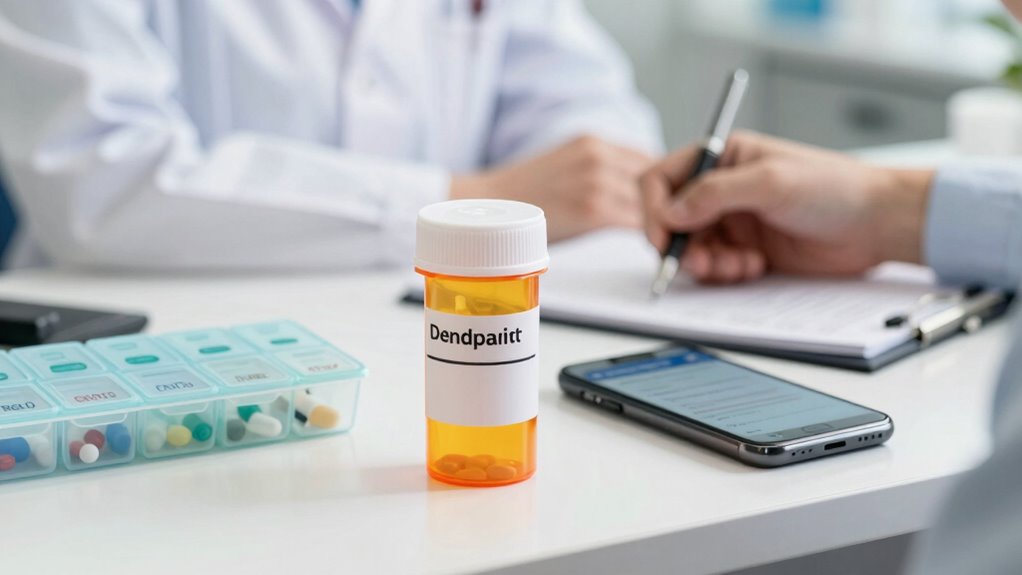
When discussing your new prescription with your healthcare provider, it’s important to ask specific questions about potential side effects and drug interactions. Find out what common side effects to expect and which ones might be serious. Ask about any drug allergies you should be aware of and whether the medication could interact with herbal supplements or other drugs you’re taking. Clarify how side effects might present and when to seek medical help. Understanding these details helps you catch issues early and stay safe. Also, inquire if there are any lifestyle adjustments or monitoring needed to minimize risks. Being proactive in asking about side effects and drug interactions ensures you’re fully informed and prepared to manage your new medication effectively.
How Do You Ensure Safe Use and Address Special Considerations?

After discussing potential side effects and drug interactions with your healthcare provider, it’s important to focus on how to use your medication safely and address any special considerations. To do this effectively, consider the following:
- Store your medication in a cool, dry place out of reach of children and pets to prevent accidental ingestion.
- Follow the prescribed refill procedures carefully to avoid missed doses or running out unexpectedly.
- Always read the label for storage instructions and specific guidance on how to take your medication, such as whether to take it with food or on an empty stomach.
- Pay attention to home design and architecture details that may impact your medication storage options, such as cabinet placement and space.
What Follow-Up Questions Should You Prepare for After Your Visit?

Preparing thoughtful follow-up questions can guarantee you fully understand your medication plan and address any concerns that may arise. Ask about proper medication storage to make certain your medication remains effective and safe. Clarify the schedule for taking your medication and whether you need to monitor any side effects. Inquire about signs that indicate you should seek medical attention. If your prescription is due for renewal, ask how long you can take the medication before needing a renewal and what steps to follow. Also, confirm the process for prescription renewal if your provider hasn’t specified it. Being proactive with these questions helps prevent misuse and ensures you’re following your healthcare provider’s instructions correctly. This way, you stay informed and confident in managing your medication.
Frequently Asked Questions
How Do I Store My Medication Properly at Home?
To guarantee medication safety, store your medication in a cool, dry place away from direct sunlight and moisture. Keep it out of reach of children and pets. Use the original container with the label intact for proper identification. Follow any specific storage tips provided on the label or packaging. Regularly check expiration dates and dispose of expired medication responsibly. Proper storage helps maintain effectiveness and keeps your household safe.
What Should I Do if I Miss a Dose?
If you miss a dose, don’t panic. Check your medication’s timing and take the missed dose as soon as you remember, unless it’s close to your next dose. Avoid doubling up to make up for missed medication. If you’re unsure, contact your pharmacist for guidance. Staying on schedule helps maintain medication effectiveness and reduces potential side effects, so set reminders if needed to prevent missed doses.
Are There Any Foods or Beverages to Avoid While on This Medication?
You should ask your pharmacist about any diet restrictions or alcohol interactions related to your medication. Some drugs require you to avoid certain foods or beverages, like grapefruit or alcohol, to prevent adverse effects. Following these guidelines helps your medication work effectively and reduces side effects. Always check with your pharmacist or healthcare provider for specific instructions tailored to your medication, ensuring safe and ideal treatment.
Can I Take This Medication With Other Over-The-Counter Drugs?
You can’t assume OTC drugs are safe to take with your new medication without verifying. Ask your pharmacist about potential drug interactions and OTC considerations to avoid adverse effects. They’ll review your current medications and suggest safe options or alternatives. Always read labels carefully, and if you experience any side effects or unsure about interactions, contact your healthcare provider promptly. Staying informed helps ensure your treatment works safely.
Who Should I Contact if I Experience Severe Side Effects?
If you experience severe side effects, you should contact your emergency contacts first and seek immediate medical attention. Call emergency services if symptoms are life-threatening or worsen rapidly. For ongoing symptom management, reach out to your healthcare provider promptly to discuss your situation. Keep a list of your symptoms and any medications taken to help them provide the best care. Don’t delay—your health and safety are the top priorities.
Conclusion
By asking the right questions, you gently steer your health journey in a positive direction. Engaging openly with your pharmacist helps you navigate your new medication with confidence, ensuring every detail aligns with your well-being. Remember, a thoughtful conversation is like a guiding light, illuminating the path to safe and effective use. Embrace these questions as your trusted companions, softly guiding you toward a healthier, more informed tomorrow.