To spot dangerous drug interactions confidently, stay alert to symptoms like dizziness, nausea, or difficulty breathing, and review all medications, supplements, and foods you’re taking. Use trusted resources like Micromedex or Lexicomp to check for known risks, and communicate openly with your healthcare provider about any new or worsening symptoms. Always follow instructions and avoid self-medicating. Continuing will help you understand how to stay safe and prevent harmful effects effectively.
Key Takeaways
- Consult trusted drug interaction resources like Lexicomp, Micromedex, or Epocrates, ensuring they are regularly updated by professionals.
- Review all medications, supplements, and herbal products with healthcare providers before combining or adjusting treatments.
- Monitor for warning signs such as dizziness, nausea, rapid heartbeat, confusion, or difficulty breathing, and seek immediate help if they occur.
- Use medication management apps or online tools to check for potential interactions based on current prescriptions.
- Keep an up-to-date list of all medications and supplements to facilitate accurate assessment and prompt professional consultation.

EziMedPil Smart WiFi Pill Dispenser w/Sound&Light Alerts,up to 9 Alarms/Daily,Easy Setup on WiFi Monitoring SmartLife App,28-Day Medication Organizer w/Lock Key for Prescriptions & Vitamins,Clear Lid
[WIFI ENABLED SMART PILL ORGANIZER & DISPENSER] Easy-Use Smart WiFi Pill Dispenser Helps You Organize, Monitor & Dispense…
As an affiliate, we earn on qualifying purchases.
As an affiliate, we earn on qualifying purchases.
How Do Drug Interactions Happen and Why Are They Dangerous?

Drug interactions occur when two or more medications, supplements, or substances affect each other’s activity in your body. This can compromise medication safety by causing unexpected side effects or reducing treatment effectiveness. Understanding drug compatibility is essential to avoid harmful reactions. When drugs interact, they might enhance each other’s effects, leading to toxicity, or cancel each other out, making treatments less effective. Certain combinations can also increase the risk of side effects like nausea, dizziness, or more severe health issues. Being aware of how drugs work together helps you prevent dangerous interactions. Always check with your healthcare provider or pharmacist about potential interactions before starting new medications. Medication safety tips can help you stay informed and protected from adverse effects. Astrological signs can sometimes influence perceptions of attractiveness, but they do not impact drug interactions. Prioritizing medication safety ensures you get the benefits of your treatments without risking your health. One way to reduce risks is by understanding the mechanisms of drug interactions and how they can be prevented. Additionally, recognizing the role of metabolism helps in understanding how drugs are processed and how interactions may alter their effectiveness.
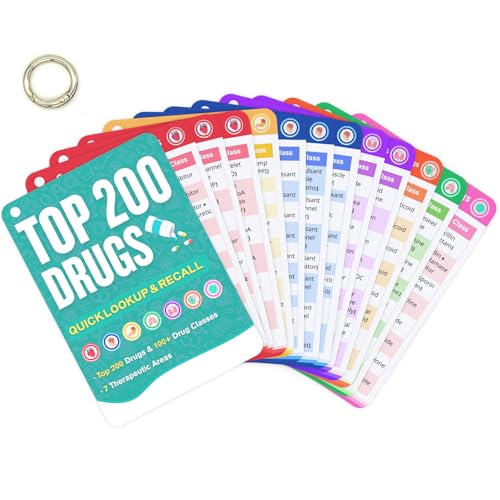
Top 200 Drugs Quick Reference Flash Cards 2025 – Rapid Review of Pharmacology Essentials for Nursing Students, Pharmacy Tech & Paramedics – Color-Coded Drug Guide
Find What You Need, Fast: The ultimate rapid review tool for busy students. Each card focuses on the…
As an affiliate, we earn on qualifying purchases.
As an affiliate, we earn on qualifying purchases.
How to Review Your Medications for Potential Risks
Start by checking for potential drug interactions that could cause harm or reduce effectiveness. Next, review the side effects of each medication so you can recognize warning signs early. Being proactive helps you catch risks before they become serious. Additionally, understanding how medications may influence mental health conditions, such as psychological factors, can help you better manage your treatment and avoid complications. Incorporating medication safety awareness into your routine enables you to make informed decisions and seek professional guidance when needed. Being aware of regulatory changes affecting medications can further support your safety and confidence in managing your health. Staying informed about streamlining publisher management with analytics can also help you stay organized and up-to-date with important health information. Recognizing potential drug interactions early can significantly reduce the risk of adverse effects and improve treatment outcomes.
Check Drug Interactions
Wondering if your medications might interact dangerously? Start by checking for potential drug interactions through your healthcare provider or pharmacist. Be sure to mention any medication allergies, as they can heighten risks. Review all your prescriptions, over-the-counter medicines, herbal supplements, and vitamins. Some herbal supplements can interfere with your medications, causing unintended side effects or reducing effectiveness. Use reputable online tools or apps designed to identify drug interactions—just remember they aren’t foolproof. Always consult your doctor before making changes. Keep a detailed list of everything you’re taking, including dosages and frequency. This way, you can spot possible interactions early and prevent dangerous reactions. Being proactive helps you stay safe and get the most benefit from your medications.
Review Side Effects
How can you effectively review your medications for potential risks? Start by carefully examining the medication side effects listed in the patient information leaflet or online resources. Be alert to any adverse reactions that seem unusual or severe. Keep a record of your experiences, noting any new or worsening symptoms after starting a medication. This helps you identify patterns and potential drug-related issues. Consult your healthcare provider or pharmacist if you notice side effects that concern you or don’t resolve. Remember, not all adverse reactions are immediately obvious, so staying informed and vigilant is key. Regularly reviewing medication side effects allows you to catch dangerous interactions early, reducing risks and ensuring your treatment remains safe and effective. Additionally, understanding drug interactions can help you recognize potential dangers before they become serious. Being aware of common medication interactions can further enhance your safety by preventing harmful combinations. Monitoring side effect severity can also help you determine when to seek urgent medical attention. Developing a habit of medication review can empower you to take control of your health and prevent adverse events before they escalate. Engaging in routine medication assessments with your healthcare team can provide personalized safety tips tailored to your specific medications.

VEXA VitaMate 28 Smart Automatic Pill Organizer with Exclusive Self-Developed App, 28-Slot Monthly Medication Management, App-Connected Sound Alerts, Easy Flip-to-Dispense for Vitamins & Tablets
【28-DAY MONTHLY MANAGEMENT & HIGH CAPACITY】Take control of your health for a full month with ease. The VitaMate…
As an affiliate, we earn on qualifying purchases.
As an affiliate, we earn on qualifying purchases.
What Are the Signs and Symptoms of Dangerous Drug Interactions?
You might notice warning signs when two or more medications interact dangerously, but identifying them can be tricky. Common signs include unexpected adverse reactions, such as dizziness, nausea, or rapid heartbeat. You could also experience new or worsening medication allergies, like rash or swelling, which aren’t typical for your usual responses. Sometimes, symptoms appear immediately, while other times they develop gradually. Be alert for confusion, difficulty breathing, or severe fatigue, as these can indicate serious interactions. Recognizing these signs early helps prevent severe health issues. If you notice any unusual or severe symptoms after starting new medications, consult your healthcare provider promptly. Staying aware of these signs can save you from potentially dangerous complications. Additionally, understanding drug interactions and their effects can help you better manage your medications and safety, especially by recognizing potential adverse effects. Being familiar with medication side effects can further aid in early detection and prevention of complications. Regularly reviewing your medication list with your healthcare provider can also help identify possible interactions before they cause problems.

MobileDetect Pouch Residue Detection Multi-Drug Test Kit – Rapid Surface Residue Detector
Easy-to-use pouch provides industry leading presumptive testing results.
As an affiliate, we earn on qualifying purchases.
As an affiliate, we earn on qualifying purchases.
How to Use Trusted Resources to Detect Drug Interactions
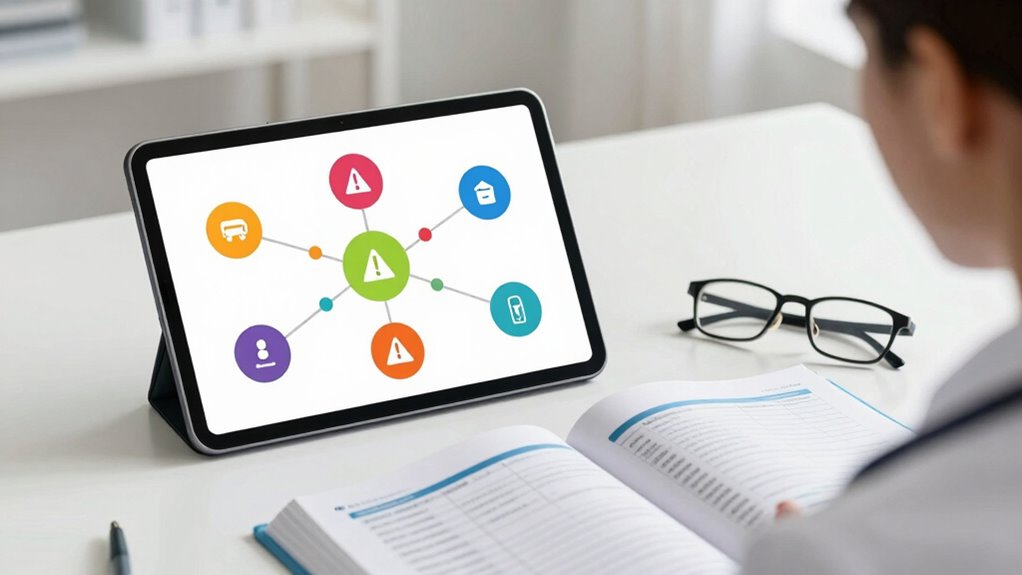
To identify potential drug interactions, you should rely on trusted resources like reputable drug databases. These tools provide up-to-date information on possible interactions and help you make informed decisions. Additionally, consulting professional guidelines guarantees you’re following the latest safety recommendations from experts.
Reliable Drug Databases
Reliable drug databases are essential tools for identifying potential interactions between medications. They help you prioritize medication safety by providing up-to-date information on drug interactions, side effects, and contraindications. When using these resources, you can quickly check for possible risks before combining medications or adjusting dosages. Trusted databases like Micromedex, Lexicomp, and Epocrates are regularly updated by healthcare professionals, ensuring accurate drug monitoring. Incorporating these tools into your routine allows you to catch dangerous interactions early and make informed decisions. Understanding how these databases work can further improve your ability to identify potential issues. Regularly reviewing database updates and consulting healthcare providers when in doubt about drug interactions can further ensure medication safety. Familiarizing yourself with drug interaction mechanisms enhances your capacity to recognize risky combinations proactively. Additionally, knowing the limitations of drug databases helps you interpret the information more effectively and avoid false positives. Staying aware of drug metabolism processes can also aid in understanding how interactions occur within the body.
Consult Professional Guidelines
Professional guidelines from authoritative organizations provide a crucial framework for detecting drug interactions. By consulting these trusted resources, you can enhance your medication counseling and ensure patient safety. These guidelines often include detailed information on known interactions, risk factors, and management strategies. They also serve as a reliable reference when discussing potential issues with patients, helping you explain complex interactions clearly. Incorporating professional guidelines into your practice allows you to stay current with the latest evidence and recommendations, reducing guesswork. When you educate your patients about possible interactions, you empower them to recognize symptoms and seek timely help. Additionally, golf history and LPGA milestones can serve as valuable examples of expertise and thorough research in your practice. Ultimately, following these guidelines improves your ability to identify dangerous drug interactions proactively, safeguarding your patients’ health.
When Should You Consult a Healthcare Professional Before Mixing Medications?

Knowing when to consult a healthcare professional before mixing medications is crucial for your safety. If you’re unsure about medication timing or how herbal supplements might interact with your prescriptions, it’s essential to seek advice first. Always talk to your healthcare provider before combining different drugs, especially if you’re taking multiple medications or herbal remedies. Even over-the-counter drugs can cause harmful interactions if not managed properly. Be cautious if you’re starting a new supplement or changing your medication schedule. Don’t rely solely on labels or online information—professional guidance ensures you avoid dangerous interactions. Remember, a healthcare professional can evaluate your unique health situation and provide personalized advice, reducing the risk of adverse effects. When in doubt, always ask before mixing medications.
Which Tools and Apps Help Identify Drug Interactions?

Are you wondering how to quickly check for potential drug interactions? Several tools and apps can help streamline medication reconciliation and enhance patient education. These resources provide instant access to interaction databases, making it easier to identify risky combinations. Popular options include:
Quickly check drug interactions with apps that streamline medication safety and patient education.
- Drugs.com Interaction Checker
- Medscape Drug Interaction Checker
- Epocrates Mobile App
- Lexicomp Online
- Micromedex
Using these tools allows you to verify medication safety efficiently, reducing guesswork. They also support thorough medication reconciliation, ensuring all drugs are considered. Additionally, they aid in patient education by explaining potential risks clearly. By leveraging these apps, you can stay informed about drug interactions and improve communication with your healthcare provider, ultimately protecting your health.
High-Risk Situations and Medications That Increase Interaction Chances
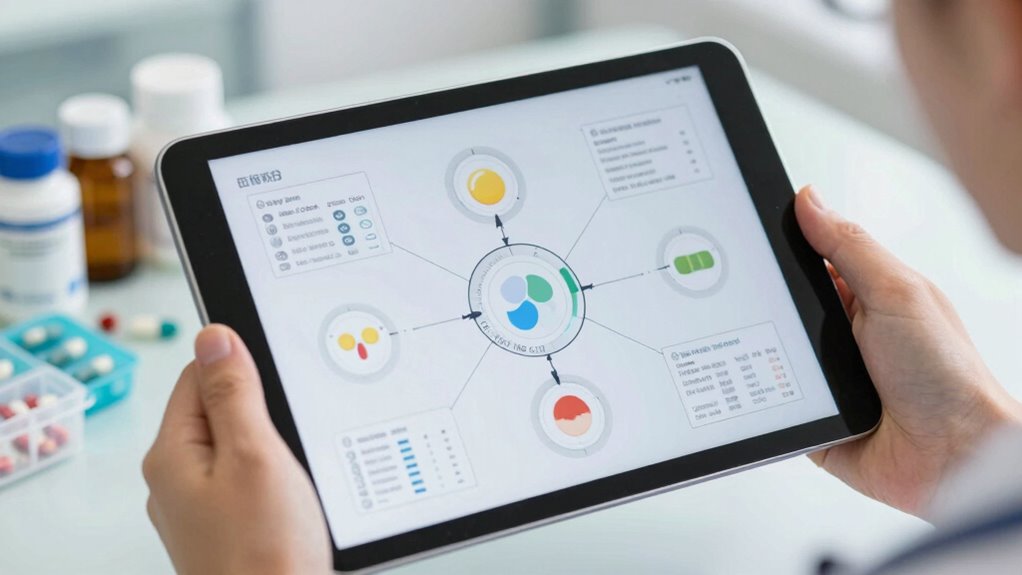
Certain situations and medications considerably raise the risk of dangerous drug interactions. When you’re managing multiple drugs, especially with herbal supplements or improper medication timing, the chances of adverse effects increase. Be cautious if you’re taking medications like blood thinners or antidepressants, as these are more prone to interactions. Combining drugs with herbal supplements such as St. John’s Wort or ginseng can also heighten risks. To stay alert, consider this table:
| Situation/Medication | Increased Interaction Risk | Tips to Minimize Risk |
|---|---|---|
| Taking herbal supplements | Yes | Consult your doctor before use |
| Medication timing errors | Yes | Follow prescribed schedules |
| Multiple prescriptions | Yes | Inform providers about all meds |
| Certain antibiotics | Yes | Avoid self-medicating |
| Liver/kidney conditions | Yes | Regular check-ups recommended |
Awareness of these factors helps prevent dangerous interactions.
How to Read Medication Labels and Prescriptions for Warning Signs
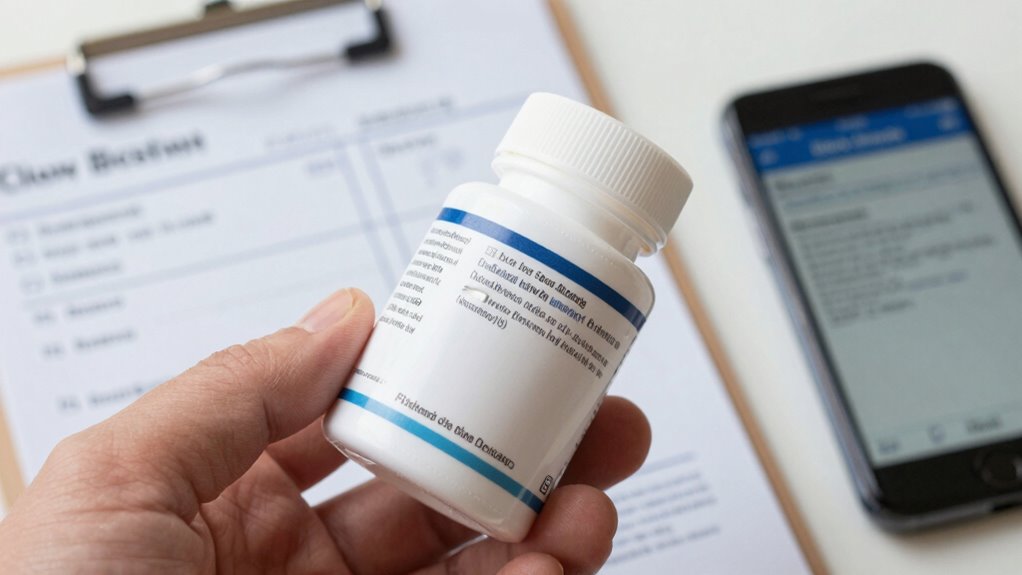
Have you ever looked at a medication label and wondered what all the information means? Reading medication labels and prescription warnings is essential for spotting potential drug interactions. Pay close attention to key details such as:
Understanding medication labels helps identify potential drug interactions and ensures safe use.
- The drug’s active ingredients and dosage
- Specific warnings about interactions with other medications or foods
- Instructions on when and how to take the medication
- Precautions related to your health conditions
- Any alerts about side effects or allergy risks
What to Do If You Suspect a Dangerous Drug Interaction?

If you notice new or worsening symptoms after starting a medication—such as dizziness, nausea, or unusual bleeding—it could be a sign of a dangerous drug interaction. First, stop taking any herbal supplement you’ve recently added, as it might be contributing. Next, review your medication adherence—ensure you’re taking your prescribed drugs correctly. Then, contact your healthcare provider immediately to report your symptoms. Do not try to self-diagnose or adjust your doses. Your provider may recommend stopping or switching medications, or adjusting dosages to reduce risk. Keep a detailed list of all medications and supplements you’re using. Prompt action can prevent serious complications and guarantee your safety. Always follow your healthcare provider’s advice when managing potential drug interactions.
Frequently Asked Questions
Can Natural Supplements Cause Dangerous Drug Interactions?
Yes, natural supplements can cause dangerous drug interactions. Supplement risks arise because many natural products, like St. John’s Wort or ginseng, may interfere with medications. These natural interactions can lead to reduced drug effectiveness or increased side effects. Always check with your healthcare provider before combining supplements with prescription drugs, and inform them about all natural products you’re taking to avoid potential risks.
How Do Age and Health Conditions Affect Interaction Risks?
Imagine a fragile balance teetering on the edge—you’re more vulnerable if you’re older or dealing with chronic illnesses. Geriatric vulnerabilities and chronic conditions amplify interaction risks, making your body less efficient at processing medications. This heightened sensitivity can lead to unexpected reactions or dangerous side effects. Stay vigilant: always inform your healthcare provider about your age and health conditions to prevent potential drug interactions from turning into health hazards.
Are Over-The-Counter Medicines Safer Regarding Interactions?
Over-the-counter medicines can be safer, but you still need to watch for interactions. Always consider medication timing and dosage adjustments, especially when combining them with prescription drugs. Check labels for warnings and consult your healthcare provider or pharmacist to avoid potential risks. Even common OTC products can cause dangerous interactions if not used properly, so staying informed and asking questions helps protect your health.
Can Herbal Remedies Interfere With Prescription Drugs?
Don’t overlook herbal remedies—they can definitely interfere with prescription drugs, so you’re not out of the woods. Herbal interactions may alter how your medications work or cause side effects. Always check supplement safety and consult your healthcare provider before mixing herbs with prescriptions. Think of it as crossing your T’s and dotting your I’s; being cautious helps prevent unexpected reactions and keeps your health on the right track.
How Long Do Drug Interactions Typically Last After Mixing?
Drug interactions can last anywhere from a few hours to several days, depending on the drugs involved. The duration effects depend on the interaction timeline, which varies based on factors like dosage, metabolism, and how the drugs are processed in your body. You should monitor for side effects during this period and consult your healthcare provider if you notice anything unusual. Always follow medical advice to minimize risks.
Conclusion
Like a skilled sailor steering treacherous waters, staying vigilant about drug interactions keeps you safe. By understanding risks, consulting trusted resources, and listening to your body, you steer clear of hidden dangers lurking beneath the surface. Remember, even Odysseus needed guidance—so don’t hesitate to seek help when in doubt. With awareness and caution, you can chart a course toward safer health and peace of mind, avoiding stormy seas of medication mishaps.