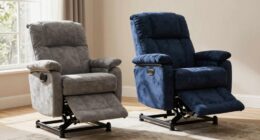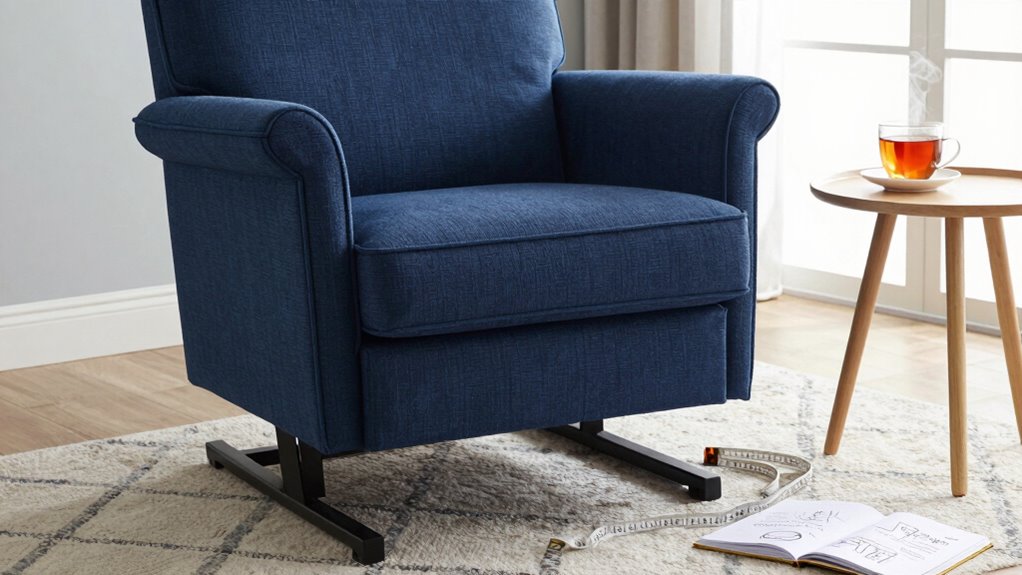

Choosing the right lift chair size is essential for your comfort and safety. You want the seat depth between 18″ and 22″, armrest height 6″ to 10″ above the seat, and seat width around 20″ to 24″. Confirm the chair’s weight capacity suits your needs to avoid issues down the line. Don’t skip testing the chair before buying; it’s the best way to guarantee the right fit. Stick around to discover more tips for making the perfect choice.
Key Takeaways
- Choosing the right lift chair size ensures comfort, safety, and proper ergonomic support, enhancing the overall user experience.
- Key measurements to consider include seat depth, armrest height, seat width, and overall height for optimal fit.
- Confirm the chair’s weight capacity and stability to prevent malfunctions and ensure longevity.
- Test sitting in the chair is essential for assessing comfort and support before making a purchase.
- Consider future weight changes and select a chair with a higher weight capacity for added safety.
Why Choosing the Right Lift Chair Size Is Crucial

When you choose the right lift chair size, you’re not just investing in comfort; you’re also guaranteeing safety and functionality. A properly sized lift chair provides essential ergonomic support, allowing you to sit and stand with ease. If the chair’s too small or too large, you risk strain and discomfort, which can lead to accidents. Additionally, evidence-based insights show that selecting the correct size can greatly enhance your overall experience. Properly sized chairs can also help improve posture and reduce strain on your back.
Consider user preferences when selecting your chair. Think about your height, weight, and how you plan to use it daily. A well-fitted lift chair enhances your mobility and boosts your confidence, making it easier to shift between sitting and standing. Prioritizing size guarantees that you enjoy all the benefits of your lift chair while minimizing potential health risks. Additionally, safety features such as sturdy armrests and gentle lift mechanisms can further enhance your experience and prevent falls. Regular simple exercises can also improve overall mobility and make transitions in and out of the chair easier.
Choosing the Right Seat Dimensions for Maximum Comfort
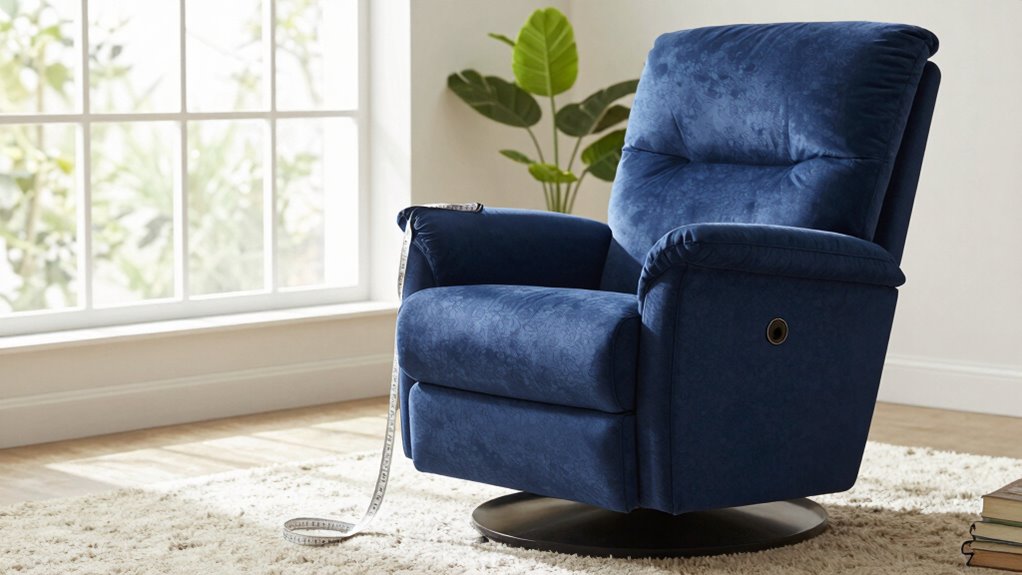
How can you guarantee maximum comfort when choosing the right seat dimensions for your lift chair? It starts with understanding key measurements. The seat depth should allow your back to rest against the chair while keeping your feet flat on the floor. Meanwhile, the armrest height plays an essential role in providing support and reducing strain on your shoulders.
| Measurement | Ideal Range |
|---|---|
| Seat Depth | 18″ – 22″ |
| Armrest Height | 6″ – 10″ above seat |
| Seat Width | 20″ – 24″ |
| Overall Height | 38″ – 42″ |
Decoding Lift Chair Weight Capacity and Safety
What factors should you consider when evaluating lift chair weight capacity and safety? First, check the chair’s weight capacity to confirm it can support you comfortably. Consider your weight distribution; if you tend to lean or shift, a higher capacity might be necessary for stability. Look for chairs that meet recognized safety standards, verifying they’ve passed rigorous testing. Additionally, advancements in wearable technology can provide valuable insights into your posture and weight distribution while using the chair. It’s also important to ensure that the chair’s construction includes acoustic materials that can help manage sound, promoting a more tranquil environment. Also, examine the chair’s frame and lift mechanism; sturdy materials and reliable motors enhance safety and longevity. Proper power management is crucial as well, ensuring that any electrical components are protected from surges and malfunctions. Remember, a lift chair isn’t just about size; it’s about making sure you feel secure and supported. Choosing the right weight capacity can save you from unnecessary accidents, so take your time and make an informed decision. Your safety depends on it! Furthermore, creating a toxin-free space is essential for overall well-being, especially when using products that may come into contact with your skin. Additionally, understanding comedogenic ratings can help you select upholstery materials that are less likely to irritate sensitive skin.
Comparing Lift Chair Styles: Which Fit Your Needs?

While choosing a lift chair, understanding the different styles available can greatly enhance your comfort and functionality. Each lift chair style caters to specific user preferences, so it’s essential to explore your options.
Here’s a quick comparison of popular lift chair styles:
| Style | Description |
|---|---|
| Recliner | Offers a traditional look with reclining features. |
| Zero Gravity | Elevates legs for improved circulation and comfort. |
| Infinite Position | Allows for customizable positions, great for various activities. |
| Compact | Ideal for smaller spaces without sacrificing comfort. |
What Key Features Should You Consider in a Lift Chair?
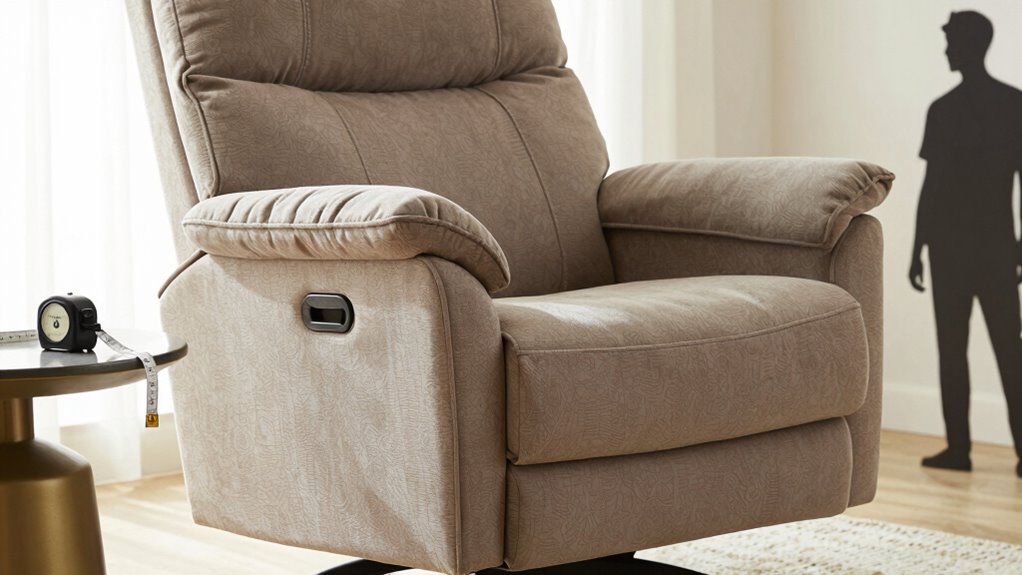
When selecting a lift chair, have you considered the key features that will enhance your comfort and usability? Focusing on the right aspects can make a significant difference. Here are four essential features to keep in mind:
When choosing a lift chair, prioritize key features for enhanced comfort and usability. Your selection can greatly impact your experience.
- Lift Chair Materials: Choose durable and easy-to-clean fabrics, ensuring longevity and maintenance ease.
- Ergonomic Design: Look for chairs that support your body’s natural posture, promoting comfort during use.
- Weight Capacity: Make sure the chair can support your weight comfortably, providing stability and safety.
- Reclining Options: Consider multiple reclining positions to find the perfect angle for relaxation or getting up.
Additionally, selecting a chair that promotes mood and mental health can contribute to an overall sense of well-being and comfort.
What Mistakes Should You Avoid When Choosing a Lift Chair?
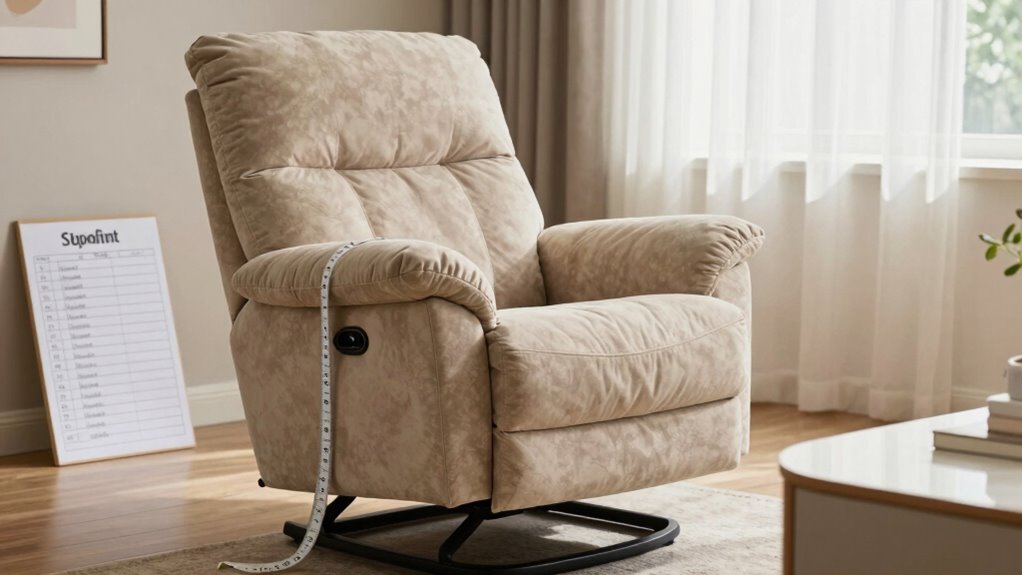
When choosing a lift chair, it’s easy to make mistakes that could affect your comfort and safety. Don’t overlook size specifications, weight capacity, or skip those essential test sit sessions. These missteps can lead to dissatisfaction, so let’s explore how to avoid them. Additionally, understanding assisted living expenses can help you budget effectively for this important investment.
Ignoring Size Specifications
Sure! Here’s your revised article content:
—
How often do you consider size specifications when choosing a lift chair? Ignoring these details can lead to serious size misconceptions and comfort compromises. To avoid costly mistakes, keep these four tips in mind:
- Measure Your Space: Confirm the chair fits comfortably in your room. Additionally, consider how the chair’s dimensions may affect airflow efficiency in your space to ensure optimal comfort. Maintaining good indoor air quality is essential for a healthy living environment. Ensuring a proper fit can also contribute to overall safety standards in your home. Choosing the right furniture can greatly enhance your home organization.
- Check Seat Height: The seat should be at a height that allows easy entry and exit.
- Consider Seat Width: A chair too narrow can be uncomfortable, while one too wide may lack support.
- Evaluate Backrest Height: The backrest should support your neck and head properly.
Additionally, understanding your budget management can help ensure you choose a lift chair that meets your needs without breaking the bank.
Overlooking Weight Capacity
Are you sure you’re considering the weight capacity of your lift chair? Many people overlook this vital detail, leading to discomfort and potential damage. Each lift chair has a specified weight capacity that accommodates different user demographics. If you exceed this limit, you risk improper weight distribution, which can affect the chair’s functionality and lifespan. Before making a purchase, assess the weight of the intended user and any additional items they may carry. Choosing a chair with a weight capacity that exceeds your needs guarantees safety and comfort. Don’t forget to factor in future changes; it’s better to err on the side of caution. Prioritizing weight capacity will save you money and enhance your lift chair experience.
Skipping Test Sit Sessions
Have you ever considered the impact of a test sit session on your lift chair decision? Skipping this step can lead to costly mistakes. Here are four reasons why you shouldn’t overlook it:
- Personal Fit: Everyone’s body is unique; a test sit helps find the right size.
- Chair Comfort Assessments: You’ll gauge the chair’s support and comfort level.
- Test Sit Alternatives: If you can’t test in-store, consider virtual demos or reviews for guidance.
- Functionality Check: Verify the lift mechanism works smoothly for your needs.
Key Features to Consider in Your Lift Chair
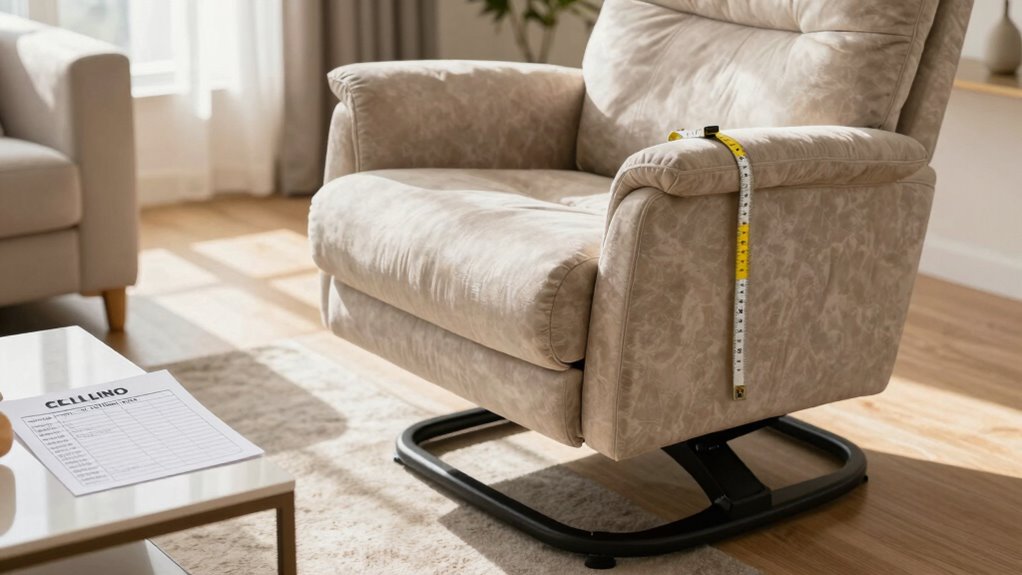
When choosing a lift chair, what key features matter most to you? Start by considering the lift chair materials. High-quality fabrics and durable construction guarantee longevity and comfort. Look for options that are easy to clean and resistant to wear, especially if you’ll be using the chair frequently. Additionally, regular maintenance can extend the life of your chair by keeping it in optimal condition. Routine cleaning of the fabric can also help maintain its appearance and functionality.
Next, pay attention to ergonomic design. An ergonomic chair supports your body properly, reducing strain on your back and joints. Features like adjustable headrests, lumbar support, and reclining capabilities can greatly enhance your comfort. The right ergonomic design can significantly improve your overall well-being and daily functionality.
Finally, don’t overlook the chair’s weight capacity and size to make sure it fits your space and needs. Additionally, consider pet-friendly materials that can withstand wear from your furry friends. By focusing on these key features, you’ll find a lift chair that not only fits well but also feels great.
How to Test Lift Chairs for the Best Fit Before Buying?
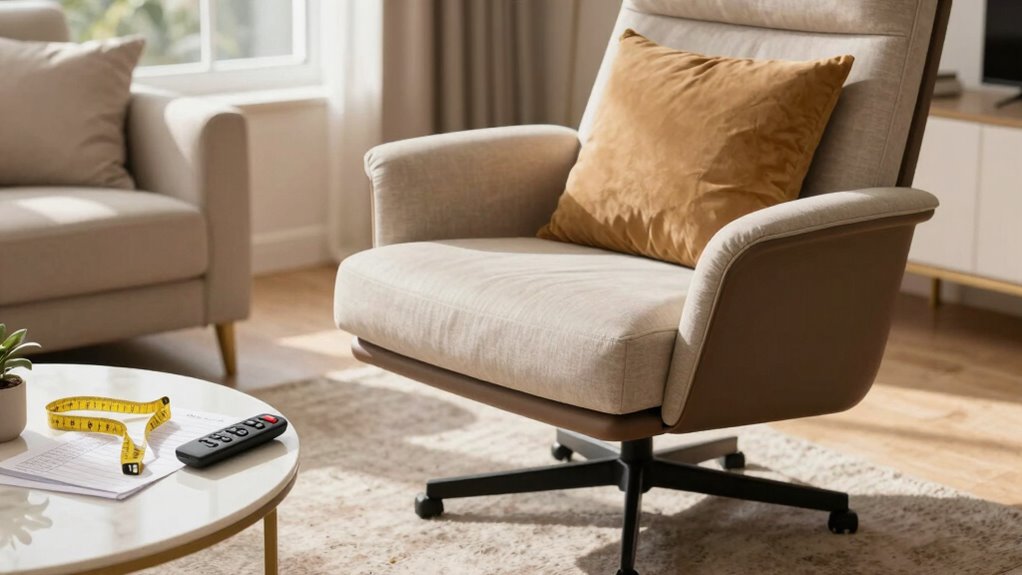
Before you buy a lift chair, it’s essential to measure your seat height to ascertain comfort and accessibility. You should also assess the weight capacity limit to confirm the chair can support you adequately. Taking these simple steps can make a significant difference in your overall satisfaction.
Measure Your Seat Height
Finding the right seat height for your lift chair is essential for comfort and usability. Here’s how to measure it effectively:
- Sit Down: Use a standard chair and sit comfortably. Your feet should be flat on the floor.
- Measure Seat Height: From the floor to the top of the seat cushion, measure this height.
- Check Armrest Height: Verify your arms rest comfortably on the armrests; they should be at or just below elbow level.
- Consider Seat Depth: You should be able to sit back comfortably without feeling cramped, ideally with a couple of inches between your knees and the seat edge. Additionally, ensuring that the chair fits well contributes to safer living at home, enhancing your overall comfort. Implementing smart automation, such as indoor air monitoring, can further improve your home environment and comfort. Improving indoor air quality not only enhances your physical space but also promotes better health and well-being.
For example, maintaining optimal humidity levels can prevent damage to both your rug and chair, ensuring they remain in good condition for longer.
These steps will help guarantee you find a lift chair that fits perfectly, enhancing your overall comfort. Additionally, selecting a chair that promotes independence and dignity can significantly improve your quality of life at home.
Assess Weight Capacity Limit
How can you guarantee your lift chair supports your weight safely? Start with a thorough weight assessment. Check the manufacturer’s capacity guidelines to confirm the chair can handle your weight comfortably. Remember, most chairs have a maximum weight limit; exceeding this can lead to malfunction or injury.
To test lift chairs effectively, sit in them and assess how they feel. Look for models that provide ample support without straining. It’s also wise to take into account your clothing and any items you might carry while using the chair, as these can add extra weight. Additionally, considering debt management strategies can help you budget effectively for your lift chair purchase.
Frequently Asked Questions
How Do I Measure My Space for a Lift Chair?
To measure your space for a lift chair, start by noting your room’s space dimensions. Measure the width and depth of the area where you plan to place the chair. Consider any obstacles like furniture or doorways that might affect chair placement. Make sure there’s enough room for the chair to recline fully and for you to move comfortably around it. Finally, take note of the height if you’re placing it near any low furniture.
What Brands Offer the Best Lift Chair Sizing Options?
When you’re exploring brands for lift chairs, consider options like Golden Technologies, Pride Mobility, and La-Z-Boy. These brands provide excellent sizing guides to help you choose the perfect fit. Look at brand comparisons online to see how they stack up regarding comfort, durability, and customization. By taking the time to review these options, you can guarantee you find a lift chair that meets your needs and fits your space perfectly.
Can Lift Chairs Be Customized for Specific Needs?
Absolutely, lift chairs can be tailored to fit your unique needs like a glove. Many brands offer custom features, allowing you to adjust aspects like seat height, width, and recline angle based on your user preferences. Whether you need extra lumbar support or specific upholstery, these options guarantee you get a chair that feels just right. You’ll find that a personalized lift chair can greatly enhance your comfort and usability.
Are There Different Lifts for Varying Mobility Levels?
Yes, there are different lifts for varying mobility levels. Depending on your mobility type, you can choose lift chair features that best suit your needs. For those with limited mobility, chairs with higher weight capacity and reclining options are ideal. If you require assistance standing up, features like a power lift function can be essential. Always consider your specific requirements to guarantee comfort and safety, making your daily routines easier and more manageable.
How Long Do Lift Chairs Typically Last?
Lift chairs typically last around 10 to 15 years, depending on their durability and usage. To maximize this lifespan, you should follow some maintenance tips. Regularly check the chair’s mechanisms and lubricate them if needed. Keep the fabric clean and avoid exposing it to excessive moisture. By taking care of your lift chair, you’ll guarantee it remains reliable and comfortable for years to come, giving you the support you need when you need it.
Conclusion
In the quest for the perfect lift chair, remember that the right fit is your golden ticket to comfort and mobility. Don’t let sizing missteps turn your experience into a nightmare; instead, embrace the checklist that saves you hundreds. Like Goldilocks finding her ideal chair, take the time to test and explore. With the right dimensions and features, you’ll discover a haven of relaxation that feels just right—because you deserve nothing less.