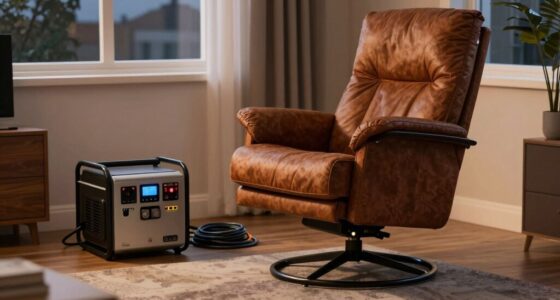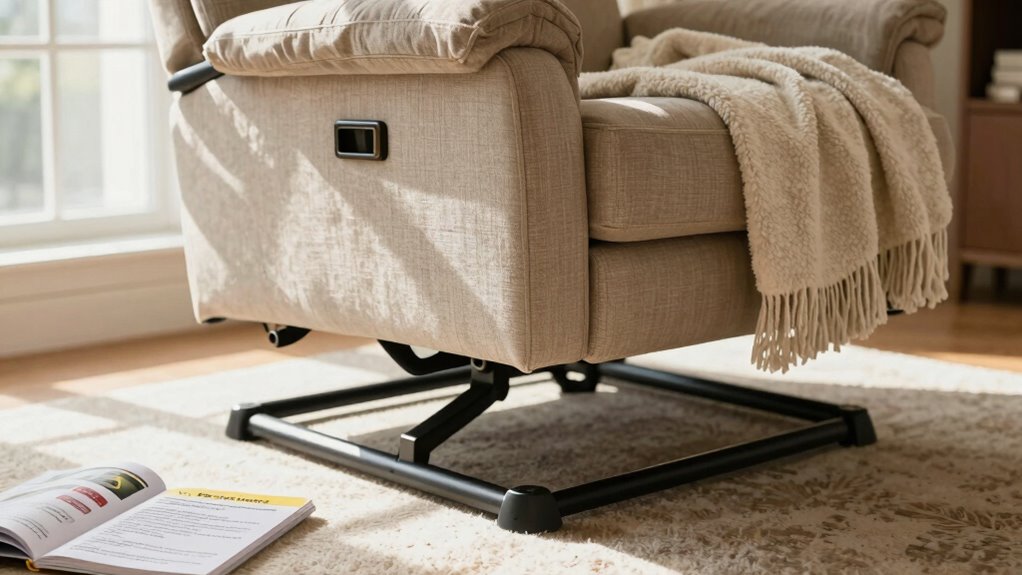

Lift chair safety is all about being aware of pinch points, especially where moving parts meet, like at armrests and footrests. To prevent injuries, keep the area clear and familiarize yourself with the chair’s ergonomics. Regular maintenance checks are essential for safety, along with proper chair placement. Always use the chair as intended and consider safety features when choosing one. Staying informed on these topics can help you guarantee a safer experience. You’ll discover more tips that can help.

Turn quiet afternoons into listening time
- Thousands of audiobooks, podcasts and originals
- Listen on your phone, tablet or Echo — also offline
- Cancel anytime
Key Takeaways
- Identify common pinch points, particularly at armrests, footrests, and the gap between the seat and backrest, to prevent injuries during adjustments.
- Maintain a clear area around the lift chair to minimize tripping hazards and enhance user safety.
- Regularly inspect the chair for mechanical issues, loose screws, and wear to ensure safe operation.
- Choose a lift chair with anti-pinch designs and user-friendly controls to reduce the risk of accidents.
- Participate in user training sessions to understand safe operation and familiarize yourself with potential hazards.
Identifying Common Pinch Points in Lift Chair Safety
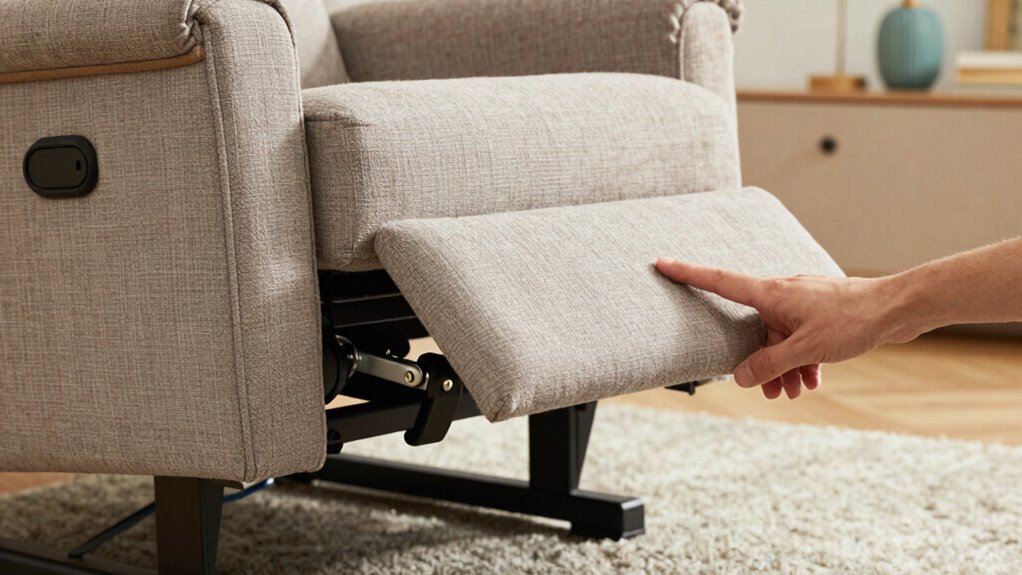
When you’re using a lift chair, it’s essential to be aware of potential pinch points to secure your safety. Common pinch point locations often include areas where moving parts interact, like the armrests and footrests. In many lift chair designs, the gap between the seat and backrest can also pose a risk, especially during changes. Be cautious when adjusting the chair; fingers or clothing can easily get caught if you’re not careful. Additionally, check the base area, as it can shift during operation. By understanding these pinch point locations, you’ll be better prepared to avoid accidents and secure a safer experience while using your lift chair. Always prioritize awareness to protect yourself.
Safe Operation Tips for Lift Chair Safety
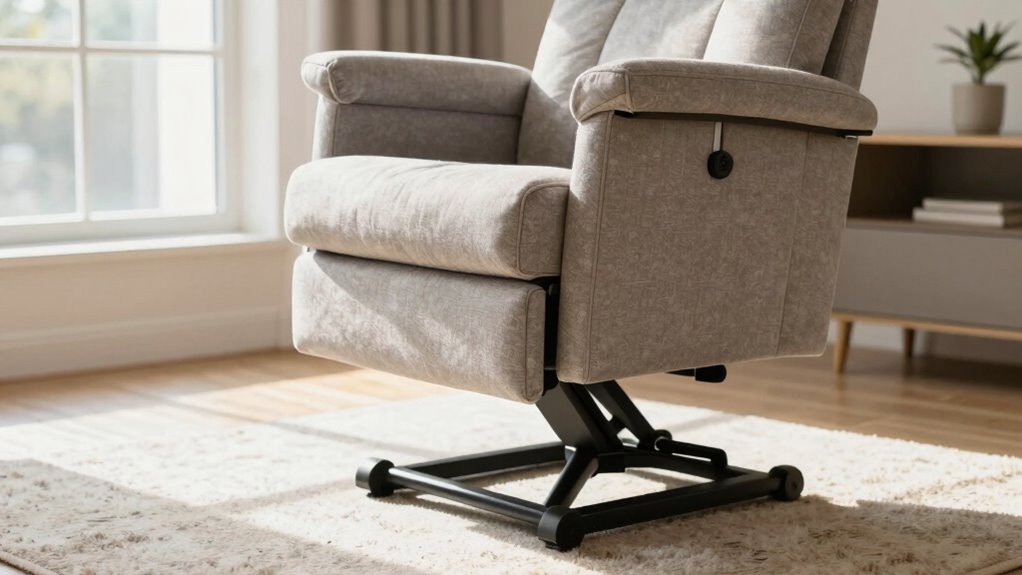
To guarantee a safe experience with your lift chair, always make certain the area around it is clear of obstacles. This minimizes the risk of tripping or getting caught in moving parts. Familiarize yourself with lift chair ergonomics to guarantee proper posture and comfort while sitting or standing. It’s essential to adjust the chair settings according to your needs. Participate in user training sessions, if available, to learn how to operate your lift chair effectively. This includes understanding the control functions and safety features. Always keep hands and feet clear of moving parts, and encourage others in your household to do the same. Regularly check for any mechanical issues or wear and tear to maintain peak safety. Additionally, be aware that indoor air quality can influence your overall health and comfort while using the chair. Consider integrating pet-friendly gear to help keep the space safe and comfortable for both you and your furry friends. Maintaining a clean environment can also promote safety and comfort while using your lift chair.
Caregiver Tips for Safe Lift Chair Use
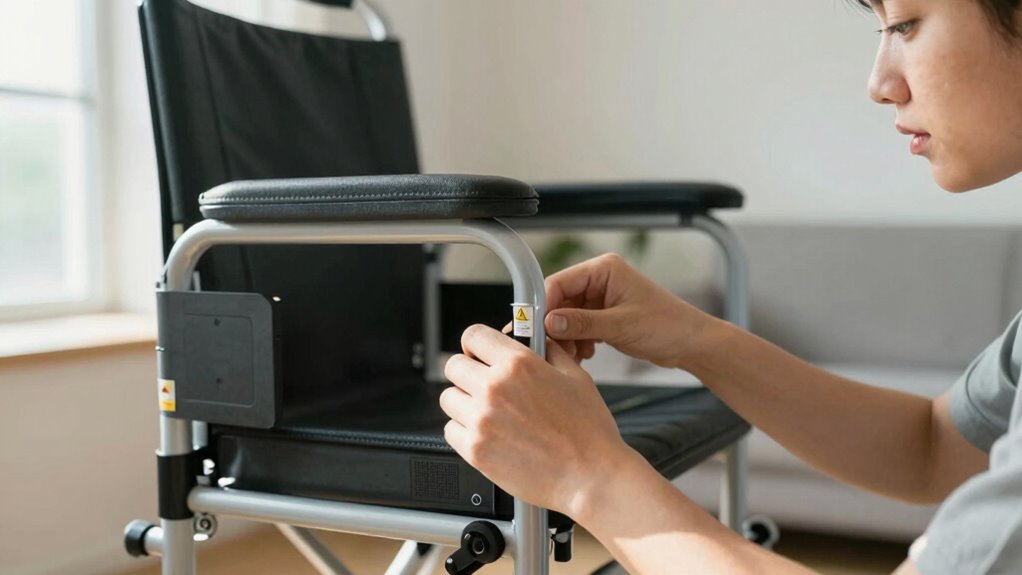
As a caregiver, ensuring the safety of lift chair users starts with proper chair placement and regular maintenance checks. Keep the area around the chair clear to prevent any accidents. By following these simple guidelines, you can make lift chair use safer and more comfortable. Additionally, be aware of common household hazards that could increase the risk of falls or injuries in the vicinity. Installing leak detectors can further enhance home safety by alerting you to potential water issues that could create slip hazards. Regularly checking for wear and tear on the lift chair can also prevent malfunctions that might lead to accidents. Furthermore, maintaining a clean and dry environment around the lift chair is crucial to reducing the risk of slips and falls. Incorporating filtration systems can also help improve air quality, making the space around the lift chair safer for users.
Proper Chair Placement
Proper Chair Placement (Caregiver Tips for Safe Lift Chair Use)
Proper chair placement is essential for ensuring the safety and comfort of lift chair users. Start by considering chair positioning; it should be placed near a stable surface, like a wall or a side table, to provide support when getting in and out. Make sure there’s enough space around the chair for easy access, allowing users to maneuver without obstacles. Avoid placing the chair in tight corners or crowded areas, as this can lead to accidents. Check for any rugs or cords that might pose trip hazards. Additionally, ensuring that the chair is positioned away from HEPA filters can help maintain a cleaner environment, as dust and allergens can affect the user’s health. By prioritizing these space considerations, you create a safer environment, making it easier for users to enjoy the lift chair without fear of injury. Comfort and safety go hand in hand! Moreover, understanding ergonomic principles can greatly enhance user experience and reduce strain during chair use. Furthermore, maintaining clean air quality is crucial for overall wellness and can significantly benefit users’ health. Additionally, consider using acoustic drum shields to minimize noise and distractions in the surrounding area, enhancing the overall comfort of the user. Incorporating ergonomic workspace principles can further improve user experience and reduce strain during chair use.
Regular Maintenance Checks
After ensuring your lift chair is placed safely, regular maintenance checks play an essential role in keeping it in peak condition. You should establish a maintenance frequency that suits your chair’s usage. Here’s a handy inspection checklist to guide you:
| Maintenance Task | Frequency |
|---|---|
| Inspect power cord | Monthly |
| Check for loose screws | Every 3 months |
| Test lift mechanism | Monthly |
| Clean upholstery | Weekly |
Clear Surrounding Area
Clear Surrounding Area (Caregiver Tips for Safe Lift Chair Use)
A clear surrounding area is essential for safe lift chair use. When you create a designated space, you reduce the risk of accidents. Start by practicing effective space management; guarantee the path to and from the chair is unobstructed. Remove any unnecessary furniture or items that could pose a tripping hazard. Clutter reduction is key—keep the area tidy and organized. Regularly check for loose rugs or electrical cords that might cause falls. If you have other mobility aids nearby, make sure they’re stored safely and not in the way. Additionally, consider the importance of financial planning for assisted living to ensure that any necessary modifications to the living space can be addressed. Encouraging effective cleaning methods can help maintain a safe environment, as spills or debris may pose risks. Encouraging caregivers to engage in self-awareness practices can also enhance their ability to create and maintain a safe space. It’s vital to remember that maintaining a designated area promotes independence and dignity for the user, making it easier for them to get in and out of the lift chair safely. Additionally, considering travel safety tips can ensure a smooth transition to different environments, enhancing safety for everyone involved. Prioritizing these steps enhances safety for everyone involved.
Safety Risks Associated With Lift Chair Mechanisms
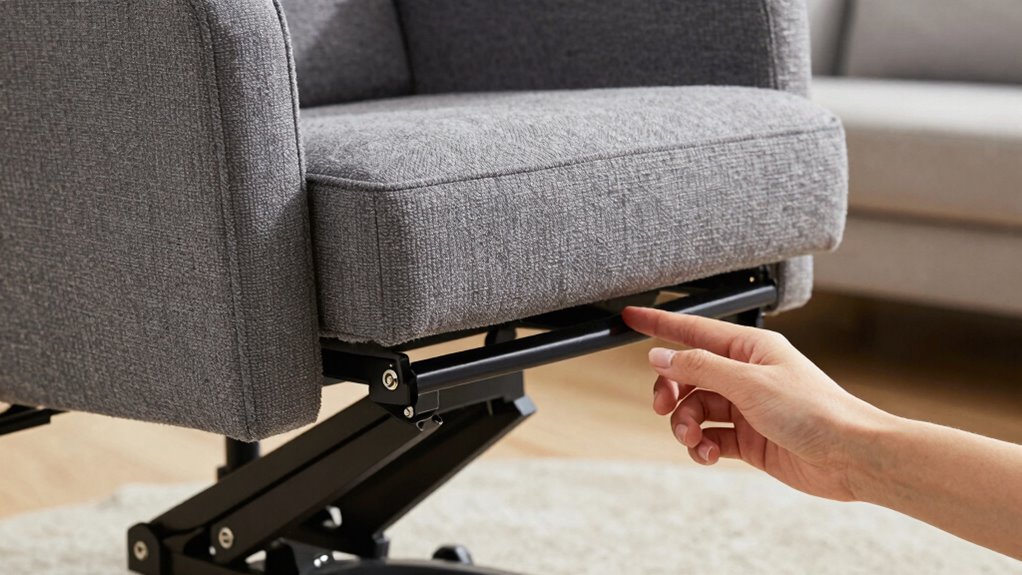
When using a lift chair, you need to be aware of common pinch points that can pose safety risks. Following proper usage guidelines is essential to prevent accidents and guarantee a smooth experience. Let’s explore these potential hazards so you can stay safe while enjoying your lift chair.
Common Pinch Points
Although lift chairs offer essential support for those with mobility challenges, they also come with potential safety risks. One of the main concerns is pinch point awareness. When the chair reclines or lifts, the mechanisms can create hazardous areas where fingers or limbs might get caught. Pay attention to the space between the chair’s base and the seat as well as the joints where the armrests and seat meet. These are common lift chair hazards that can lead to painful injuries. Always keep a clear area around the chair and make sure nothing obstructs its movement. Being mindful of these pinch points can greatly reduce the risk of accidents, helping you use your lift chair safely and confidently. Additionally, ensuring cleaner air quality in your home can help reduce allergens that may exacerbate mobility issues.
Proper Usage Guidelines
Understanding pinch points is just the start; using your lift chair properly is essential for your safety. Always follow the manufacturer’s guidelines for operation. Before using the chair, make sure the area is clear of obstructions, as these can pose risks during movement. Pay attention to user feedback regarding functionality; if something feels off, don’t hesitate to reach out for assistance. Always sit back fully before activating the lift mechanism to prevent shifting and potential falls. Regularly inspect the chair for wear and tear, as this affects user experience considerably. Make it a point to educate everyone who uses the chair about these safety measures. Proper usage not only enhances your comfort but also minimizes the risk of accidents.
How to Choose a Lift Chair With Safety Features
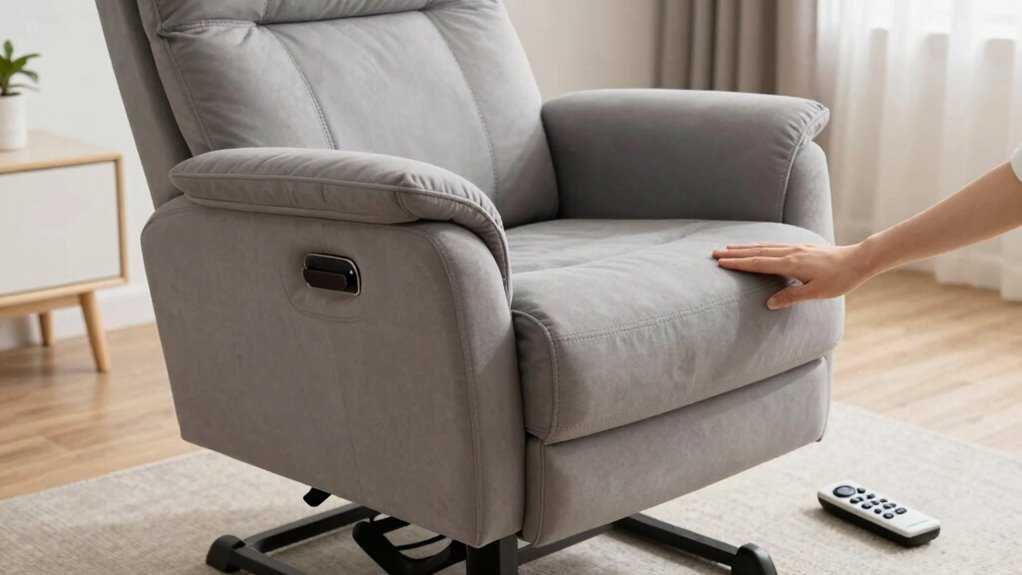
Choosing a lift chair with safety features is essential for securing your comfort and security as you sit and stand. When selecting a chair, look for the following lift chair features that enhance safety:
- Sturdy Construction: Confirm the chair has a robust frame to support your weight. Additionally, a well-constructed chair can help prevent falls and injuries that may occur during use.
- Safety Certifications: Check for compliance with safety standards to guarantee reliability.
- Anti-Pinch Design: Look for mechanisms that minimize the risk of pinch points when the chair is in motion.
- User-Friendly Controls: Opt for easy-to-use buttons that reduce the chance of mistakes. Additionally, consider models that integrate with smart home devices for enhanced functionality and safety monitoring.
What to Do in Case of an Accident With Lift Chairs?
Even with the best safety features, accidents can still happen with lift chairs. If you find yourself in such a situation, quick and effective accident response is vital. First, check for injuries; if someone is hurt, call for medical help immediately. Make certain the chair is unplugged to prevent further incidents. Next, assess the cause of the accident to implement better injury prevention measures in the future.
| Action Steps | Description |
|---|---|
| Check for Injuries | Assess all individuals involved |
| Call for Help | Contact emergency services if needed |
| Unplug the Chair | Prevent electrical hazards |
| Assess the Cause | Identify the reason for the accident |
| Implement Changes | Adjust safety protocols accordingly |
Staying prepared can make all the difference.
Resources for Further Learning on Lift Chair Safety
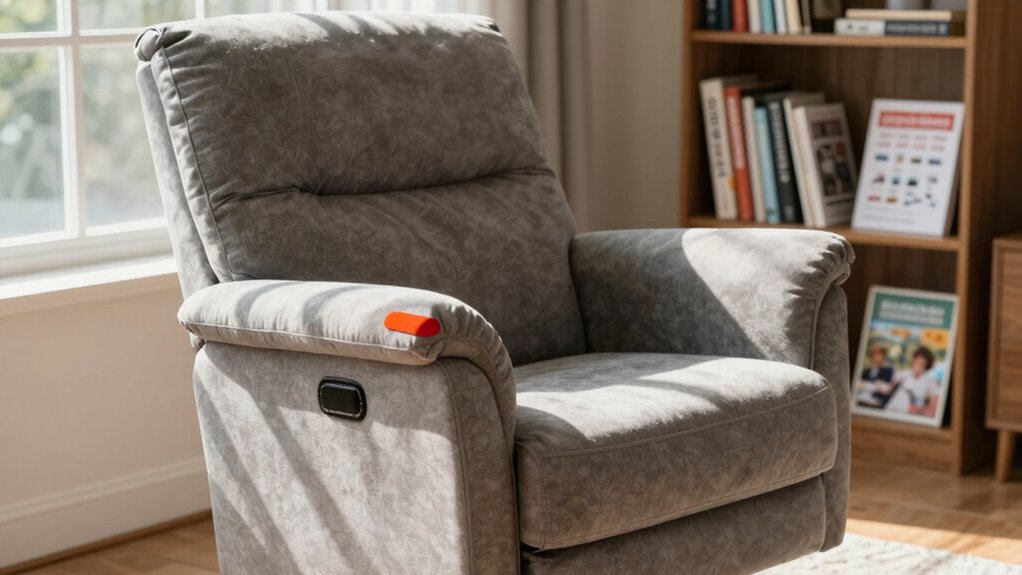
How can you guarantee you’re well-informed about lift chair safety? Staying updated is key to ensuring safety and preventing accidents. Here are some resources that can enhance your understanding and skills:
- Manufacturer Guidelines: Always read the user manual for specific safety protocols.
- Safety Training Courses: Enroll in courses focused on lift chair operation and maintenance.
- Online Forums: Join communities where users share experiences and tips on accident prevention.
- Local Workshops: Attend workshops that demonstrate lift chair safety and best practices.
Frequently Asked Questions
Can Children Safely Use a Lift Chair?
Children shouldn’t use a lift chair unsupervised. While these chairs have safety features, like seat belts and pinch point protection, they’re designed primarily for adults. You should always provide child supervision when they’re around, guaranteeing they understand how the chair works and the importance of staying safe. If you need to assist a child, make sure the chair is in a stable position and never leave them unattended while it’s in use.
How Often Should I Inspect My Lift Chair?
Inspect your lift chair as regularly as you’d check your car’s oil—ideally every month. This frequency helps guarantee all lift chair components function smoothly and safely. Look for any wear or damage, especially in the mechanisms and electrical parts. If you notice anything unusual, don’t hesitate to address it right away. Keeping up with these inspections not only extends the chair’s life but also enhances your safety and comfort.
What Maintenance Is Required for Lift Chairs?
To keep your lift chair in top shape, you should regularly check its durability. Inspect the frame, fabric, and electrical components for wear and tear. Don’t forget to clean it often to prevent buildup. You’ll also want to make necessary lift chair adjustments to guarantee it operates smoothly. Lubricate any moving parts and tighten screws as needed. Regular maintenance helps extend the life of your chair, assuring it remains safe and comfortable.
Are There Weight Limits for Lift Chairs?
Yes, lift chairs do have weight limits. Most models specify a weight capacity that typically ranges from 250 to 500 pounds. It’s essential to check this limit to guarantee the chair’s durability and safety. Exceeding the weight capacity can lead to mechanical issues and reduced lifespan. Always consult the manufacturer’s guidelines to find the right chair for your needs, making sure you stay safe and comfortable while using it.
Can Lift Chairs Be Used Outdoors?
Lift chairs are like trusty companions, but they’re not meant for the great outdoors. You can’t rely on them for outdoor use since they’re typically not designed with weather resistance in mind. Rain, sun, or wind can damage the mechanisms and fabrics. For your safety, keep them inside where they belong, ensuring your comfort without the worry of outdoor hazards. Stick to indoor spaces for the best experience and longevity.
Conclusion
In the cozy embrace of your lift chair, safety shouldn’t be an afterthought. Picture yourself gliding smoothly, free from the worry of pinch points and accidents. By staying informed and vigilant, you can enjoy every moment without fear. So, as you sink into that soft cushion, remember to check for safety features and share tips with caregivers. With a few mindful practices, you’ll transform your lift chair into a haven of comfort and security.
Halloween Picks
halloween
As an affiliate, we earn on qualifying purchases.