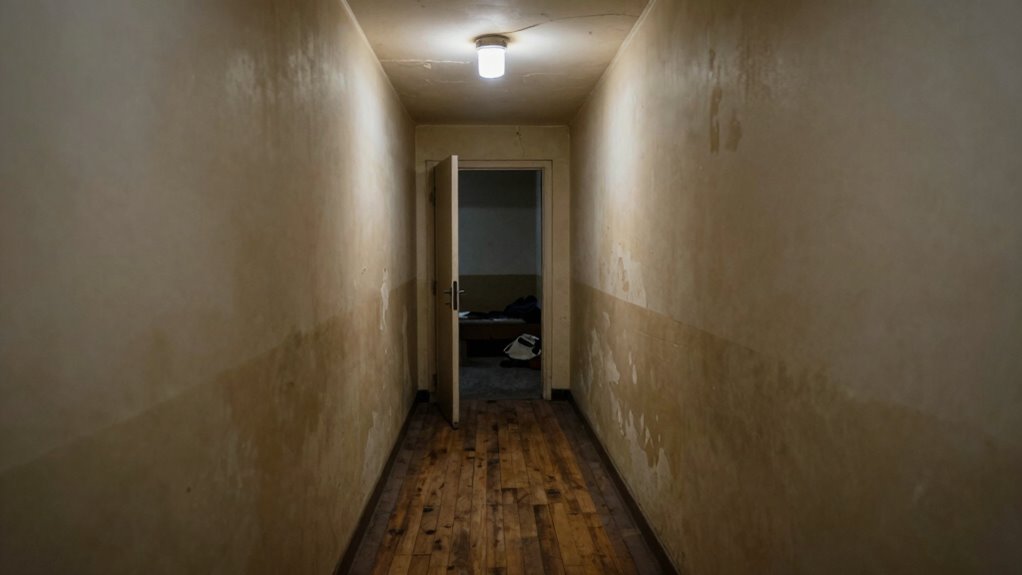

Narrow hallways are more accident-prone because limited space restricts your movement and visibility, making collisions, trips, and falls more likely. Obstacles like clutter, uneven flooring, and poor lighting further increase hazards. Congestion and tight corners slow your reactions and block emergency exits. Understanding how these design flaws and hazards interact can help you avoid dangers and improve safety. If you explore further, you’ll discover practical tips to keep hallways safer for everyone.
Key Takeaways
- Narrow hallways limit visibility and space, increasing collision and bumping risks during movement.
- Restricted space hampers quick reactions and emergency egress, heightening accident chances.
- Poor lighting in tight spaces obscures hazards, leading to trips, slips, and falls.
- Congestion and bottlenecks in narrow hallways slow evacuation and increase collision risks.
- Design flaws like tight corners and cluttered pathways further elevate the likelihood of accidents.
Why Narrow Hallways Are More Dangerous Than Open Spaces
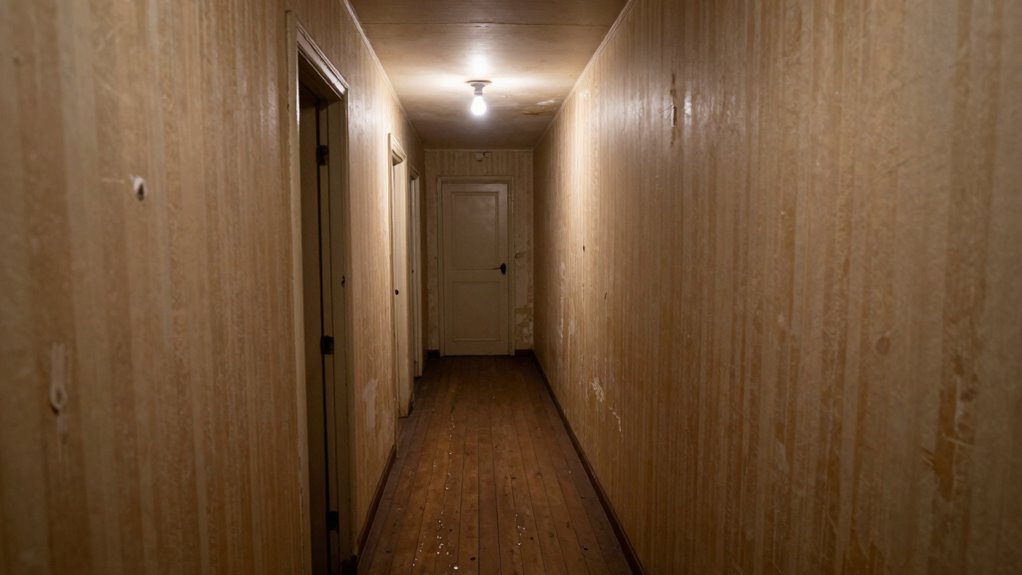
Narrow hallways are inherently more dangerous than open spaces because they limit your ability to see and move freely. Poor lighting issues can make it even harder to spot obstacles or other people, heightening visibility concerns. When lighting is insufficient, shadows and dark corners obscure potential hazards, increasing the risk of collisions or falls. Unlike open areas, where you have more room to react and maneuver, tight spaces restrict your movement, making quick adjustments difficult. This combination of limited visibility and restricted space amplifies the danger, especially when unexpected obstacles or people suddenly appear. Recognizing these hazards emphasizes the importance of well-lit hallways and cautious navigation in narrow corridors to prevent accidents. Additionally, proper maintenance of the environment can help ensure that lighting and structural safety are maintained, reducing overall risk. The contrast ratio in lighting can also influence how well hazards are visible in confined areas, further impacting safety. Considering environmental factors, such as airflow and clutter, can further improve safety in confined spaces. Moreover, understanding how spatial awareness impacts movement can help individuals navigate these tight areas more safely.
How Limited Visibility Leads to Accidents in Hallways
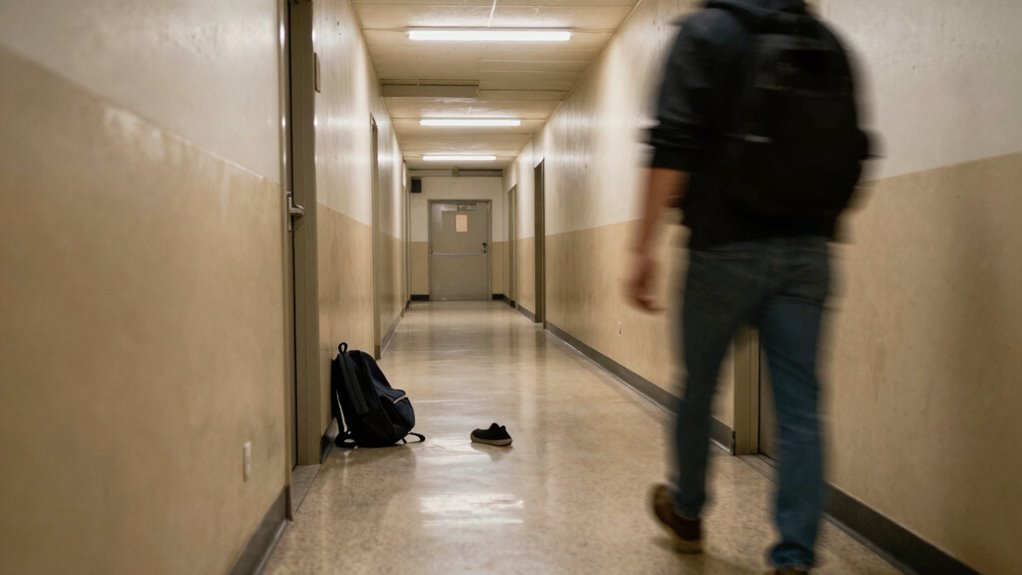
Limited visibility in hallways increases the risk of accidents because your view can be blocked by obstacles or corners. Blind spots make it harder to see others coming, leading to collisions or falls. Poor lighting further reduces your ability to notice hazards, heightening the danger. Incorporating home decoration that enhances lighting and clears pathways can significantly reduce these risks. Additionally, ensuring clear pathways by removing clutter and potential obstacles aligns with risk management strategies to minimize hazards. Effective security measures in lighting and layout can further enhance safety by preventing accidental injuries. Implementing soundproofing solutions can also help create a more organized and safe environment by reducing noise distractions that may contribute to accidents. Understanding the importance of herbalism applications for holistic well-being can also promote a safer environment by encouraging natural stress reduction techniques, which may improve overall alertness and caution in hazardous areas.
Obstructed View Risks
When your view is blocked in a hallway, it becomes much harder to see approaching people or obstacles, increasing the risk of accidents. Visual obstructions create blind spots that prevent you from noticing others or hazards ahead. Narrow hallways often amplify this problem because limited space restricts your line of sight. Without a clear view, you might bump into someone or step on uneven flooring or loose objects hidden from sight. These hidden dangers can lead to falls, collisions, or other injuries. To reduce this risk, always be cautious around obstructions, move slowly in tight spaces, and avoid blocking your line of sight. Recognizing how visual obstruction impacts safety helps you stay alert and prevents unnecessary accidents in narrow hallways. Additionally, incorporating landscaping elements or removing unnecessary clutter can improve visibility and overall safety.
Blind Corners Hazards
Blind corners in hallways pose a significant safety risk because they hide oncoming people and obstacles from your view. Poor lighting issues can make these corners even more dangerous, as dim lighting reduces visibility and increases the chance of collisions. Additionally, flooring materials play a role; slick or uneven surfaces near blind corners can cause slips or trips if you can’t see them clearly. When approaching these corners, it’s important to slow down and stay alert, especially in busy or poorly lit areas. Installing better lighting and choosing flooring that provides good traction can help mitigate these hazards. Incorporating digital frames and interactive murals in hallway designs can also serve as visual cues to alert people to potential hazards around blind corners. Being aware of blind corners and exercising caution prevents accidents and keeps everyone safer in narrow hallway spaces. Recognizing hazardous conditions and proactively addressing them can significantly reduce the risk of accidents in these areas. For example, proper signage can further warn pedestrians or cyclists of upcoming blind spots and improve overall safety. Implementing visual cues such as mirrors or signage can further enhance safety by increasing visibility around these tricky spots.
Poor Lighting Issues
Poor lighting in hallways considerably increases the risk of accidents by reducing visibility and making it harder to see obstacles or other people. Lighting issues create visibility concerns that can cause you to trip or bump into objects unexpectedly. When hallways aren’t well-lit, it’s easy to overlook steps, uneven flooring, or misplaced furniture, especially in narrow spaces. Insufficient lighting forces you to strain your eyes, which can lead to missteps or slow reactions. You may also fail to notice someone approaching from the side or behind, increasing collision risks. Addressing lighting issues is a simple yet crucial step in making hallways safer for everyone. Ensuring proper illumination helps you navigate safely, reducing the chance of accidents caused by limited visibility. Additionally, adequate lighting can boost overall confidence and reduce anxiety when moving through confined areas. Proper lighting also enhances the overall safety of your home environment by minimizing hazards that are harder to detect in poor light.
Common Hazards and Obstacles in Narrow Hallways
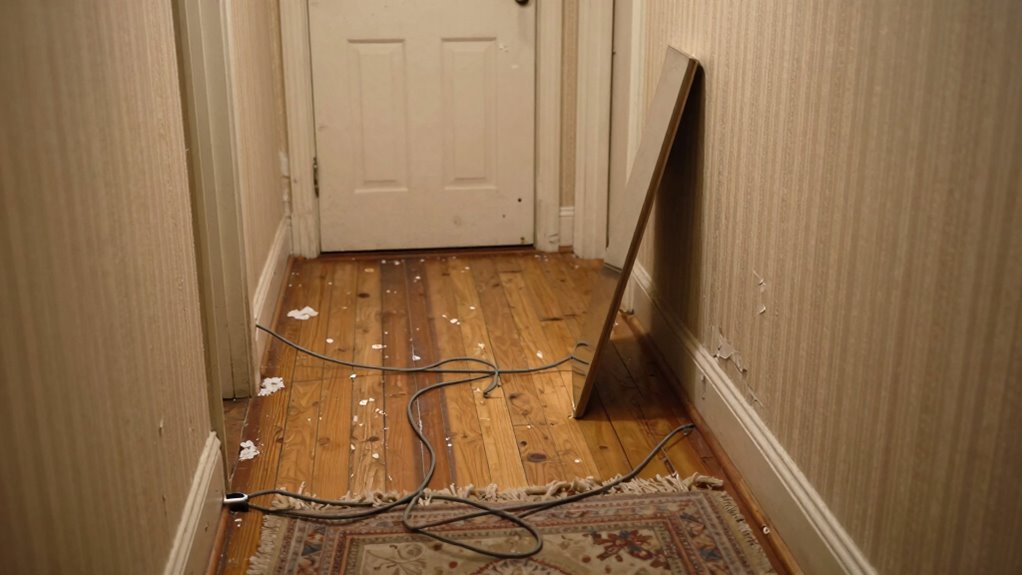
Narrow hallways leave little room for movement, increasing the risk of collisions and trips. Hidden obstacles like cords, clutter, or uneven flooring can catch you off guard. Being aware of these hazards helps you move safely and avoid accidents. Additionally, proper footwear can provide better grip and stability on uneven surfaces, reducing the likelihood of slips. Ensuring adequate lighting in narrow spaces can also improve visibility and help you spot potential hazards before they cause an accident. Regularly inspecting the flooring conditions can prevent unexpected trips or falls. Recognizing the importance of wall surfaces and finishes in safety can guide you in maintaining a hazard-free environment. Implementing necessary cookies ensures you can access important safety information without interruptions.
Limited Space for Movement
Limited space for movement in hallways often leads to hazards and obstacles that increase the risk of accidents. When hallways are narrow, it’s easy to block emergency exits or hinder quick evacuations, compromising fire safety. Clutter, misplaced furniture, or improperly stored items can obstruct pathways, making it difficult to move swiftly during emergencies. This limited space forces you to navigate carefully, especially when carrying objects or assisting others. Small gaps between walls and obstacles mean even a minor misstep can cause falls or collisions. Ensuring clear, unobstructed hallways is essential for safety, allowing quick access to exits and reducing the chance of accidents during busy or emergency situations. Always keep hallways tidy and free of unnecessary items to maintain safe movement. Additionally, well-drained soil is crucial for planting and maintaining a safe, clutter-free environment. Properly managing hallway cabling solutions can also prevent tripping hazards and improve overall safety, especially considering that electric bikes with high speeds require additional precautions in shared spaces.
Hidden Obstacles and Hazards
Even in hallways that seem clear, hidden obstacles and hazards can pose serious risks. Low-hanging light fixtures may not be immediately noticeable, especially in narrow spaces, increasing the chance of head injuries. Floor patterns, such as contrasting tiles or rugs, can create visual illusions that make it hard to judge depth or direction. Uneven flooring or loose carpets can cause slips or trips, especially when visibility is limited. Clutter left in corners or along walls might be overlooked, creating unexpected obstacles. These hazards are often hidden in plain sight, making it essential to stay alert. Regular inspections and good lighting help reveal these dangers before someone gets hurt, emphasizing the importance of awareness in narrow hallways. Using appropriate lighting solutions can further improve visibility and reduce the risk of accidents.
How Congestion and Bottlenecks Increase Risk

Have you ever noticed how congestion and bottlenecks in hallways can dramatically increase the likelihood of accidents? When hallways become crowded, movement slows, and stress rises, making slips, trips, and falls more common. Narrow spaces can block emergency exits, delaying evacuation during emergencies, which heightens danger. Bottlenecks also hinder wheelchair accessibility, forcing individuals to navigate tight, unpredictable passages that increase the risk of collisions or falls. As congestion builds, people are less able to react quickly to obstacles or hazards, raising the chance of accidents. Ensuring clear, unobstructed pathways improves safety, allowing smooth flow and quick access to emergency exits. Reducing congestion minimizes risks and makes hallways safer for everyone, especially those with mobility challenges.
Design Features That Make Falls More Likely in Small Hallways
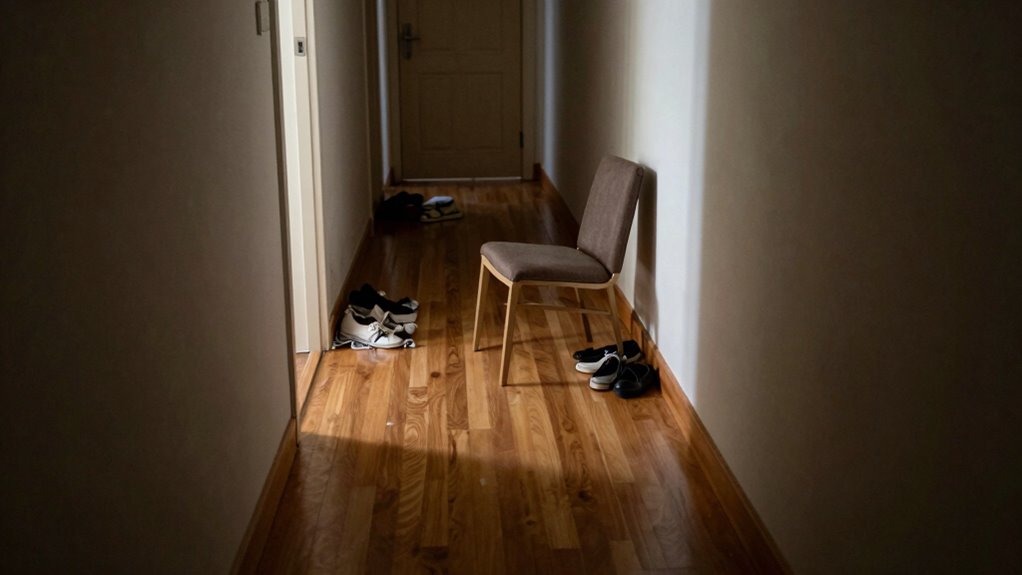
Small hallways often have design features that increase the risk of falls. Poor lighting issues can create shadows or dark spots, making it hard to see obstacles clearly. Flooring materials also play a role; slick or uneven surfaces can cause slips and trips. Narrow spaces limit your movement, increasing the chance of bumping into walls or furniture.
| Design Feature | Impact on Safety | Example |
|---|---|---|
| Low lighting levels | Reduced visibility | Dim bulbs or poorly lit fixtures |
| Uneven flooring | Trip hazards | Worn-out carpets or tiles |
| Slippery surfaces | Increased slipping risk | Polished wood or tile floors |
| Narrow clearance | Restricted maneuvering | Tight corners or doorways |
Tips to Improve Hallway Safety and Reduce Accidents

To make hallways safer and reduce the risk of accidents, you should start by improving lighting conditions. Well-lit hallways help you see obstacles and navigate safely, especially in narrow spaces. Keep emergency exits clearly marked and unobstructed for quick evacuation during emergencies. Incorporate safety signage to remind everyone about fire safety protocols. Consider installing mirrors to eliminate blind spots and improve visibility. Regularly check for hazards like loose rugs or clutter that could cause slips or trips. Ensuring that fire extinguishers are accessible and well-maintained is essential for fire safety. By focusing on proper lighting, clear signage, and accessible emergency exits, you considerably reduce accidents and promote a safer environment for everyone.
Building Codes and Regulations for Safe Narrow Hallways
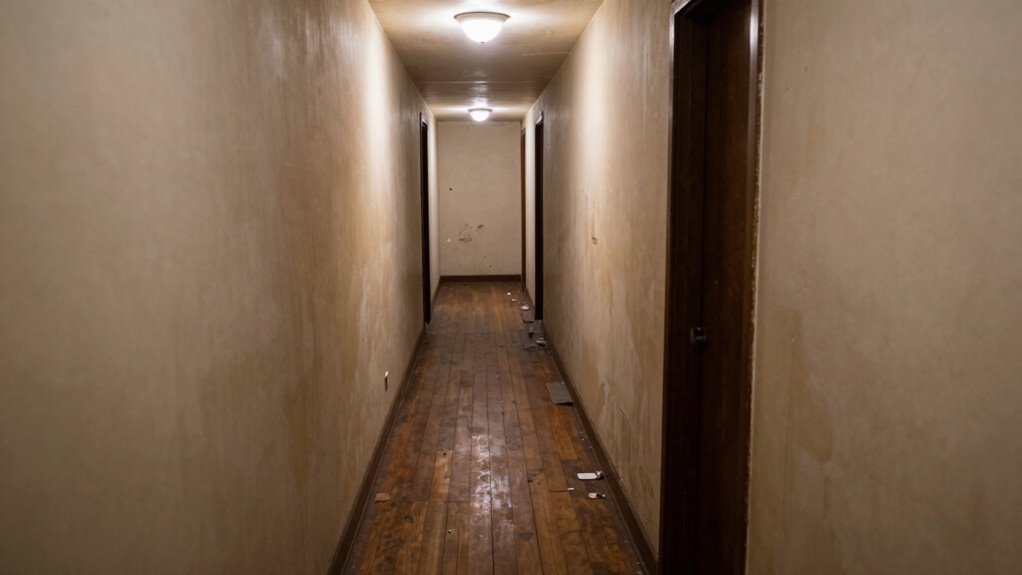
Building codes and regulations play a crucial role in ensuring narrow hallways are safe for everyone. They set standards for proper clearance, lighting, and signage to prevent accidents. Fire door compliance is essential, as fire-rated doors must open easily and remain unobstructed to contain fires and allow safe evacuation. Regulations also emphasize the importance of clear pathways for emergency escape routes, ensuring that hallways are free of clutter and hazards. These codes often specify minimum widths to accommodate quick movement during emergencies. By adhering to building codes, you help create a safer environment, reducing the risk of falls and congestion. Staying compliant not only protects occupants but also ensures legal safety standards are met, making narrow hallways safer for all users.
Simple Changes to Make Narrow Hallways Safer
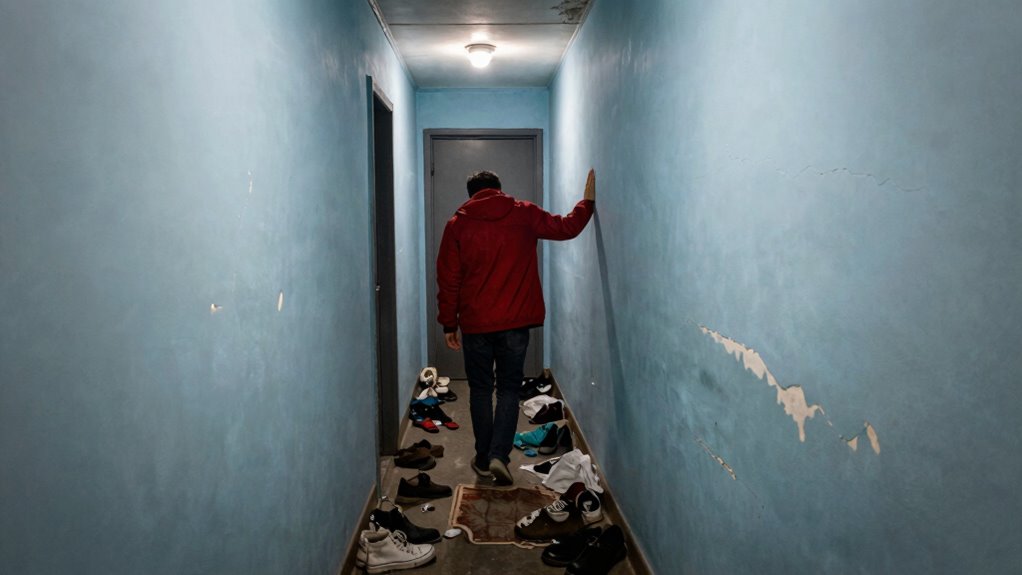
Making narrow hallways safer doesn’t require complex renovations; simple changes can have a big impact. Start by adding decorative accents like colorful rugs or artwork to draw attention to the space, helping people stay alert. Install better lighting to eliminate shadows and improve visibility, reducing trip hazards. Use clear signage or painted arrows to guide flow and prevent collisions. Aesthetic enhancements, such as sleek handrails or wall-mounted mirrors, can also improve both safety and appearance. These small updates make the hallway more noticeable and inviting, encouraging cautious movement. By focusing on visual cues and aesthetic improvements, you create a safer environment without major construction. Simple, thoughtful adjustments help prevent accidents and make narrow hallways safer for everyone.
Frequently Asked Questions
How Do Hallways Become More Hazardous Over Time?
Over time, hallways become more hazardous as the floor surface gets worn or uneven, increasing the risk of slips and trips. Clutter management often slips, leading to obstacles that block clear pathways. Regularly inspecting the floor and keeping clutter under control help prevent accidents, but neglecting these tasks causes hazards to accumulate, making traversing hallways more dangerous with each passing day.
Are There Specific Materials That Reduce Fall Risk in Narrow Spaces?
You can reduce fall risk in narrow spaces by choosing non-slip flooring materials like rubber or textured vinyl, which provide better grip. Additionally, installing handrails along walls offers extra support and stability. These measures make moving through tight hallways safer, especially for those with mobility issues. Regularly maintaining and cleaning the flooring also helps prevent slips, ensuring a safer environment in narrow spaces.
What Role Does Lighting Play in Hallway Accident Prevention?
Lighting plays a crucial role in hallway accident prevention by ensuring safety and visibility enhancement. When you improve lighting safety, you make it easier to see obstacles, changes in floor level, or narrow spaces that could cause falls. Adequate lighting eliminates shadows and dark corners, helping you navigate safely. Regularly check and maintain your hallway lighting to prevent accidents, especially in tight or cluttered areas where visibility is vital.
How Do Different Age Groups Experience Hallway Dangers?
You might notice that elderly mobility issues make narrow hallways more dangerous for seniors, increasing fall risks. Children, on the other hand, navigate hallways less predictably, often darting or running, which heightens their accident chances. Different age groups experience these dangers uniquely; seniors struggle with balance, while kids’ unpredictability and limited awareness put them at higher risk. Adjusting hallway design can help protect everyone, regardless of age.
Can Technology Help Improve Safety in Narrow Hallways?
Yes, technology can improve safety in narrow hallways. Smart sensors detect movement, obstacles, or overcrowding, and send automated alerts to warn you of potential hazards. These real-time notifications help you stay aware of your surroundings and prevent accidents. Implementing such systems encourages better navigation, especially during busy times, ensuring everyone moves safely through tight spaces. You can substantially reduce risks by leveraging these innovative safety tools.
Conclusion
Think of your hallway as a river narrowing through a canyon. The tighter the space, the more obstacles and turbulence you face. By clearing hazards, improving visibility, and following safety tips, you help your journey flow smoothly instead of getting caught in dangerous rapids. Remember, a safer hallway isn’t just about design—it’s about how you navigate it. Take action today, and turn a treacherous canyon into a calm, safe passage for everyone.