

If you notice your parent withdrawing socially, neglecting personal hygiene, or experiencing sudden mood changes, it’s a red flag. Watch for memory issues like forgetting recent conversations, clutter or unsafe home conditions, and unexplained weight or health problems. Changes in sleep, eating habits, or managing finances also signal they may need more support. Recognizing these subtle signs early can help prevent a crisis—learn more on how to spot these warning signs.
Key Takeaways
- Notice sudden emotional changes, withdrawal, or confusion that may indicate underlying mental health issues.
- Observe neglect of personal hygiene or appearance, such as unkempt clothing or foul odors.
- Watch for significant shifts in routines, sleep patterns, or decreased engagement in daily activities.
- Detect memory lapses, disorientation, or home safety hazards like clutter and faulty appliances.
- Identify signs of financial difficulty, medication mismanagement, or reluctance to discuss health concerns.
How Do You Know When Your Parent Needs Extra Support?

How can you tell if your parent needs extra support? One of the key signs is noticing changes in their emotional cues. If they seem unusually withdrawn, anxious, or agitated, it might indicate they’re struggling emotionally. Communication barriers can also reveal they’re finding it hard to express themselves or share their needs. They might avoid conversations or give vague responses, making it tougher to understand what they’re experiencing. Pay attention to subtle shifts in tone or body language, as these often signal discomfort or confusion. Recognizing these early signs can help you provide help before situations escalate. Additionally, observing shifts in their emotional resilience can be crucial in identifying when they need additional support. Being aware of their preferences for outdoor seating options might also reflect their comfort levels and social engagement, offering further insight into their well-being. Moreover, understanding their emotional cues can help you better interpret their needs and respond appropriately. Sometimes, a sudden decline in mental alertness can be an early indicator that they require medical attention or support at home.
Spotting Changes in Your Parent’s Daily Routines

Pay attention if your parent suddenly changes their sleep schedule or struggles to stay awake during the day. Watch for noticeable shifts in their eating habits, like skipping meals or eating much more than usual. You might also notice them withdrawing from social activities they once enjoyed, which can signal underlying issues. Additionally, digital content consumption patterns may increase or change unexpectedly, reflecting shifts in their interests or mental state. Be alert for signs of social withdrawal, which can often be an early indicator of mental health challenges. Changes in energy levels and overall activity can also serve as important clues to their well-being. Monitoring support breakfast options or routines can sometimes provide comfort and stability during this time.
Changes in Sleep Patterns
Changes in your parent’s sleep patterns can be a subtle but important sign that they need help. You might notice sleep disturbances, such as difficulty falling asleep, waking frequently, or early morning awakenings. These changes can signal underlying issues like anxiety, depression, or physical discomfort. Additionally, nighttime wandering is a concerning sign, especially if your parent appears confused or disoriented during the night. Such behaviors increase the risk of falls or injuries and often indicate cognitive decline or neurological issues. Paying close attention to these shifts can help you identify when your parent’s sleep problems are more than just occasional insomnia. Monitoring sleep patterns can provide valuable insights into their overall health and well-being. Recognizing these signs early allows you to seek help before sleep disturbances escalate into a crisis, especially when considering factors like indoor air quality that can affect sleep quality and health. Poor air purifier maintenance or contaminated filters may contribute to respiratory issues that interfere with restful sleep. Regularly checking and improving air filtration systems can help create a healthier sleep environment, further supporting your parent’s well-being.
Alterations in Meal Habits
Alterations in your parent’s meal habits can be subtle indicators that something is amiss. Changes in meal patterns or eating habits may signal health issues or cognitive decline. Watch for:
- Skipping meals regularly or eating at unusual times.
- Drastic weight loss or gain without explanation.
- Loss of interest in favorite foods or difficulty preparing meals.
- Overeating or excessive snacking between meals.
- These changes can also be linked to nutritional deficiencies that impact overall health and well-being. Recognizing these shifts early can help prevent serious health complications and ensure timely intervention. Additionally, fluctuations in diet may be associated with mental health concerns that warrant further attention.
These shifts can reflect physical health problems, depression, or memory issues. Pay attention to how their eating routines evolve. Noticing these subtle changes early can help you address underlying concerns before they escalate. Keeping an eye on meal patterns provides valuable insight into your parent’s overall well-being and safety.
Shifts in Social Engagement
Have you noticed your parent withdrawing from social activities or spending more time alone? Changes in social interaction and community involvement can be subtle but telling signs of underlying issues. They might stop attending gatherings they once enjoyed or avoid conversations with friends and neighbors. These shifts often indicate feelings of loneliness, depression, or cognitive decline. Keep an eye on whether your parent’s routines are becoming more solitary and less connected to their community. Reduced social engagement can lead to increased isolation, which worsens health and mental well-being. Recognizing these early signs allows you to gently encourage participation or seek support before the situation worsens. Staying attentive to shifts in your parent’s social routines can help you intervene proactively, safeguarding their emotional and physical health. Additionally, monitoring social cues can provide valuable insight into their overall well-being and help you address potential concerns early.
Signs of Poor Personal Hygiene and Grooming

You might notice your parent’s personal appearance seems neglected, or they seem unkempt. Unusual odors or dirty clothing can also be signs something’s off. These changes often indicate they’re struggling with their hygiene and grooming routines. Additionally, irregular or damaged nail health such as brittle, discolored, or torn nails can reflect neglect or underlying health issues. Monitoring personal hygiene practices and grooming routines can help identify early signs of health decline before a crisis occurs. Recognizing these early warning signs can enable timely intervention to support their well-being. Paying attention to hygiene routines can also reveal potential cognitive or physical challenges that need addressing.
Neglected Personal Appearance
When personal appearance begins to decline, it can be a clear sign that your parent might be struggling with their well-being. Neglected personal appearance often signals issues with personal grooming and hygiene routines. You might notice:
- Clothes that are wrinkled, stained, or rarely changed
- Hair that’s unkempt or greasy
- Skin that appears dirty or neglected
- Overall disheveled look, as if they’ve given up on grooming habits
Being aware of the market reputation of care providers or resources can help you find trustworthy support if needed. These signs suggest they may be neglecting basic hygiene routines or facing difficulties maintaining their appearance. Recognizing herbal wellness practices or incorporating calming routines like herbal baths may help improve their self-care and overall well-being. It’s essential to recognize these early warning signs to address potential health or mental health challenges before a crisis develops. Staying attentive can make a meaningful difference in their well-being, especially when personal hygiene routines are neglected. Additionally, changes in body health can manifest as neglect of personal appearance, indicating underlying issues that require attention.
Unusual Odors Detected
Unusual odors emanating from your parent can be a subtle yet powerful sign that their personal hygiene routines are slipping. Detecting foul smells, especially if they persist despite regular bathing or grooming, indicates a decline in self-care. These unusual odors might be sour, musty, or offensive, and can develop over time without obvious visible signs. Pay attention to any changes in body odor or noticeable smells on clothing, bedding, or around their living space. Such odors often point to issues like infrequent bathing, medical conditions, or difficulty maintaining hygiene. Additionally, indoor air quality can influence how odors linger and may worsen the perception of these smells. A proper hygiene routine is vital for maintaining not only personal health but also a fresh living environment. Recognizing these signs early allows you to address concerns before they escalate into more serious health or safety problems. Proper hygiene practices and a clean environment are crucial for maintaining overall well-being and preventing odor-related concerns. Ultimately, detecting foul smells is an essential step in understanding your parent’s overall well-being.
Clothing Inconsistencies
Changes in your parent’s clothing can reveal much about their personal hygiene habits. Look for signs like mismatched outfits or worn-out garments that don’t match their usual parental wardrobe. Poor grooming may show in clothing inconsistencies such as:
- Clothes that are stained, torn, or overly wrinkled despite recent laundry
- Outfits that seem inappropriate for the weather or occasion
- Repeated use of low-quality or ill-fitting clothing that suggests neglect
- Lack of attention to clothing quality, like missing buttons or faded fabrics
These signs can indicate they’re neglecting their personal hygiene or struggling to care for themselves. Small details in their clothing choices often reflect broader issues, so staying alert can help you intervene early before a crisis hits.
How to Detect Memory Problems or Confusion

Detecting memory problems or confusion often begins with paying close attention to everyday behaviors. You might notice memory lapses, such as forgetting recent conversations or misplacing items frequently. Confusion cues include difficulty following directions, getting lost in familiar places, or struggling to recall appointments. Watch for inconsistent stories or repeated questions, which can signal cognitive changes. Notice if your parent seems disoriented about time or place more often than usual. These signs may seem minor at first but can indicate underlying memory issues. Being alert to these subtle cues allows you to intervene early. Addressing confusion and memory lapses promptly can prevent more serious problems and ensure your parent gets the help they need before a crisis develops.
Observing Declines in Home Safety and Maintenance
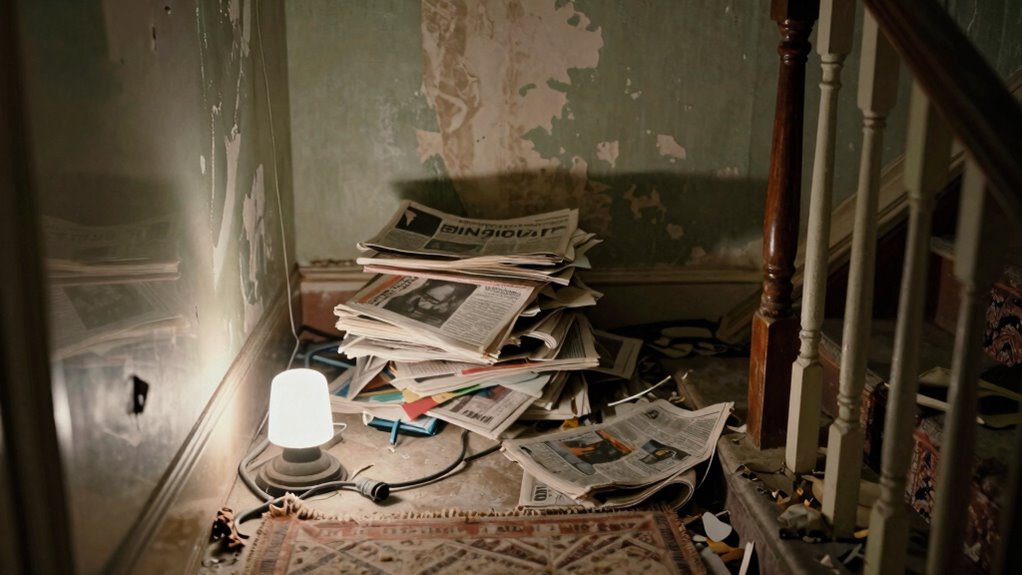
You might notice clutter or obstructions blocking walkways, making it harder for your parent to move safely around the house. Deteriorating fixtures and appliances can signal neglect and pose hazards, while unfinished or neglected repairs suggest ongoing maintenance issues. These signs can indicate your parent needs assistance to keep their home safe and functional.
Clutter and Obstructions
When clutter and obstructions accumulate in your parent’s home, it often signals a decline in their ability to maintain a safe environment. Excess clutter can hide hazards and make navigation difficult, increasing fall risks. Look for signs that they’re struggling with organizing techniques or clutter reduction.
Consider these indicators:
- Pathways blocked by furniture, boxes, or piles of belongings.
- Surfaces covered with clutter, making cleaning and organizing difficult.
- Frequent tripping over items or difficulty reaching essential areas.
- Unorganized clutter that creates fire hazards or impedes emergency access.
Addressing these issues early can prevent accidents. Encouraging simple clutter reduction strategies and assisting with organizing techniques can help your parent regain control over their space and enhance home safety.
Deteriorating Fixtures and Appliances
Deteriorating fixtures and appliances often signal that your parent’s home is in decline, affecting both safety and functionality. Loose or broken fixtures, such as dripping faucets or unstable handrails, pose safety risks and suggest neglect of home renovation or repair. Outdated appliances that no longer work efficiently can increase energy bills and create hazards, like fires or leaks. If appliances haven’t been maintained regularly, they’re more prone to failure, which can lead to costly repairs or replacements. Recognizing these signs early allows you to address maintenance needs before they escalate into emergencies. Regular appliance maintenance and timely updates to fixtures not only improve safety but also preserve the home’s value. Staying alert to these deteriorating elements helps ensure your parent’s environment remains safe and functional.
Unfinished or Neglected Repairs
Unfinished or neglected repairs can quickly compromise your parent’s home safety, signaling that essential maintenance has been overlooked. When home repairs pile up or neglected maintenance persists, hazards like falling debris, leaks, or electrical issues become more likely. These signs often indicate that your parent may be struggling to keep up with necessary upkeep.
Consider these warning signs:
- Broken windows or doors left unrepaired
- Leaking pipes or water damage
- Worn or damaged flooring
- Overgrown or cluttered yard indicating neglect
Addressing these issues early prevents small problems from escalating into dangerous situations. Recognizing neglected maintenance allows you to step in before a crisis hits, ensuring your parent’s home remains safe and secure.
Unexplained Weight Loss or Nutritional Concerns

Unexplained weight loss or nutritional concerns can be serious signs that your parent needs help. Sudden, unintentional weight loss may signal nutritional deficiencies, health issues, or difficulty eating. Look for patterns such as losing weight despite unchanged eating habits. These signs often go unnoticed but can lead to serious health problems if ignored.
| Change in Eating Habits | Weight Loss | Physical Symptoms |
|---|---|---|
| Skipping meals regularly | Unexplained weight | Fatigue, weakness |
| Eating less than usual | Loss | Dizziness, pale skin |
| Avoiding certain foods | Rapid decline | Mood swings, confusion |
Pay close attention—these clues can indicate underlying health issues that require prompt attention.
Recognizing Emotional Withdrawal and Mood Changes

Emotional withdrawal and mood changes are often subtle signs that your parent may be struggling emotionally or mentally. You might notice they become less engaged in conversations or withdraw from social activities they once enjoyed. Mood swings, irritability, or sadness can also signal underlying issues. Recognizing these signs early can help prevent crises.
Consider these indicators:
- Reduced communication or avoidance of family interactions.
- Increased irritability or unexplained sadness.
- Loss of interest in hobbies or daily routines.
- Sudden changes in sleep patterns or appetite.
These emotional withdrawal and mood changes often reflect underlying mental health concerns. Addressing them promptly can make a vital difference in your parent’s well-being and help you intervene before more serious problems develop.
Signs Your Parent Is Struggling to Manage Finances

When you notice subtle changes in your parent’s behavior or mood, it’s important to also be alert to signs they might be struggling with their finances. Look for financial caution, such as avoiding bills or hesitating to make purchases they previously had no issue with. You might see budget concerns reflected in unpaid bills, missed payments, or a sudden reluctance to discuss money matters. They could be withdrawing from financial decisions or becoming secretive about expenses. Changes like these often indicate they’re having trouble managing their finances or facing unexpected costs. Addressing these signs early can help prevent financial crises. Staying attentive and gentle in your approach can encourage your parent to open up and seek support if needed.
Checking for Medication Mismanagement or Forgetfulness

Have you noticed your parent forgetting to take their medications or missing doses? This could be a sign of medication mismanagement or forgetfulness that affects their health. To assess medication adherence, consider these steps:
- Observe if they frequently leave pills unclaimed or ask about their medication schedule.
- Check for empty pill bottles or scattered medication containers.
- Ask if they remember taking their medications each day.
- Notice if they seem confused about dosage instructions or forget recent doses.
These signs help with forgetfulness detection and can indicate the need for further support. Addressing medication adherence early can prevent serious health issues. Stay attentive, and don’t ignore subtle cues—they’re key to catching problems before they escalate.
What to Do When Your Parent Expresses Feeling Overwhelmed

Feeling overwhelmed can be difficult for your parent to express, but recognizing the signs is essential to providing support. When they share feelings of being overwhelmed, listen carefully and offer emotional support without judgment. Use open caregiver communication to reassure them that they’re not alone and that help is available. Ask gentle questions to understand what’s causing their stress, whether it’s health concerns, household tasks, or emotional struggles. Encourage small steps to manage their feelings, like taking breaks or seeking professional help if needed. Your calm, empathetic response can make a significant difference, helping them feel heard and supported. Remember, acknowledging their feelings is the first step toward guiding them toward the assistance they need.
Frequently Asked Questions
How Can I Approach My Parent About Needing Help Without Upsetting Them?
You can approach your parent with respectful communication by choosing a calm, private moment for an emotional conversation. Express your concern gently, emphasizing love and support rather than criticism. Use active listening to understand their feelings and avoid pressuring them. Reassure them that you’re there to help, not judge. This respectful approach fosters trust, making it easier for your parent to accept help without feeling upset or defensive.
What Resources Are Available for Elderly Caregiving Support?
Think of community programs and caregiver support as your parent’s safety nets. Local senior centers, adult day programs, and respite care offer valuable assistance. You can also explore government resources like aging services and nonprofit organizations dedicated to elder care. These options provide both practical help and emotional reassurance, ensuring your parent receives the attention they need while easing your caregiving responsibilities.
How Do I Differentiate Between Normal Aging and Health Decline?
You can tell the difference between normal aging and health decline by observing changes in cognitive decline and daily routines. If your parent forgets familiar tasks or struggles with routine activities like cooking or bathing, it’s a sign of potential health issues. Normal aging might bring occasional forgetfulness, but persistent or worsening problems indicate a need for medical evaluation. Stay attentive to these signs to guarantee timely support.
When Should I Consider Professional Assessment or Intervention?
You should consider a professional assessment if you notice warning signs like memory lapses, confusion, drastic mood changes, or difficulty managing daily tasks. When these symptoms persist or worsen, it’s a clear signal that your parent might need extra help. Don’t wait for a crisis—seek a professional assessment early to ensure proper support and intervention, helping your parent maintain safety, independence, and quality of life.
How Can I Ensure My Parent Maintains Independence Safely?
You can guarantee your parent maintains independence safely by encouraging regular financial planning, supporting their involvement in social engagement, and monitoring their daily routines. Keep communication open, create a safety net with necessary technology, and foster community connections. By balancing independence with oversight, you help your parent stay confident and secure, empowering them to live actively while reducing risks. Consistent support and proactive planning make all the difference.
Conclusion
Think of your parent’s well-being as a delicate garden. With attentive care, you can spot the first signs of weeds or wilting flowers before they take over. By noticing subtle changes early, you help nurture their independence and prevent crises from sprouting unexpectedly. Staying vigilant is like tending to that garden—your watchfulness guarantees it stays healthy, vibrant, and flourishing for years to come.