TL;DR

Turn quiet afternoons into listening time
- Thousands of audiobooks, podcasts and originals
- Listen on your phone, tablet or Echo — also offline
- Cancel anytime
A November 2, 2026, Seniors Guide report describes five ways families can personalize an older adult’s assisted living space: bring familiar belongings, add cozy lighting and textiles, include plants, keep daily necessities accessible, and set aside room for socializing. The advice is intended to help make a move feel more familiar and functional; the report does not provide research measuring the effects of these steps.
Seniors Guide published a report on November 2, 2026, outlining five ways families can personalize an older adult’s assisted living space, from bringing familiar belongings to arranging everyday items within easy reach. The suggestions address how a move into a new residence can disrupt routines and familiarity, though the article does not present measured evidence that any one change improves well-being.
The report recommends starting with items that reflect the resident’s personality and daily life, such as family photographs, artwork, keepsakes, a favorite reading chair or a small table used for morning coffee. It says residents should be involved in choosing which possessions to bring and where to place them. For people with dementia, it notes that some memory care facilities suggest families create shadow boxes with meaningful mementos.
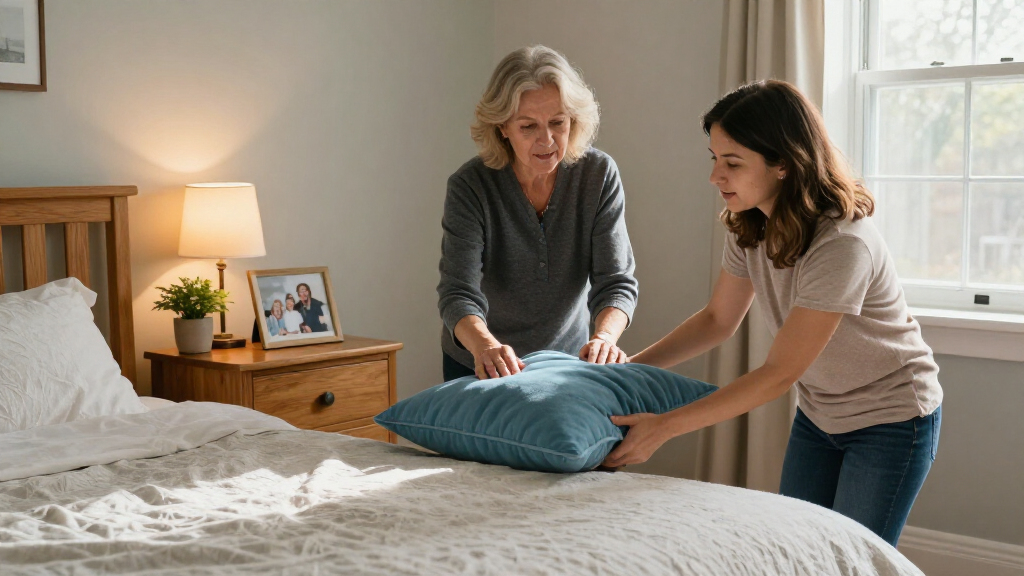
Other suggestions focus on comfort and practical use. The report quotes Rita Mabli, president and chief executive officer of United Hebrew of New Rochelle, recommending lamps to create softer lighting than overhead fixtures, while saying dimmers can soften overhead light when it is needed for safety. Throws and accent pillows are offered as ways to make a room feel more comfortable.
The remaining tips are to add plants, keep commonly used objects accessible and create a place to spend time with others. The article names orchids, succulents, snake plants and bromeliads as possible bedroom plants, citing Mabli. It advises placing items such as a phone and books near where the resident spends time, avoiding overfilled storage, and setting aside room for visits, meals, crafts, puzzles or other hobbies.
Making New Rooms Feel Familiar
A move to assisted living can mean leaving a familiar home and adjusting to a different layout, daily routine and level of privacy. The report frames personalization as a way to bring recognizable objects and habits into a new setting while making practical tasks easier. The relevance is not limited to assisted living apartments: the article also mentions senior apartments, nursing homes and other unfamiliar spaces.
Involving the resident in choices can preserve a sense of participation in decisions about their own home. Keeping frequently used belongings reachable may also make the room more usable. These are practical considerations rather than a guarantee of a particular outcome: the report offers expert and provider recommendations, not study results or a clinical assessment of individual residents.
Products Worth Considering

Levoit EverestAir-P Smart Air Purifier for Large Rooms

BowFlex Results Series SelectTech Adjustable Dumbbells (Pair)

Bowflex SelectTech 840 Adjustable Kettlebell
As an affiliate, we earn on qualifying purchases.
Advice From Senior Living Professionals
The report is by Terri L. Jones and appeared on Seniors Guide on November 2, 2026. Its editor’s note says the piece was originally published in May 2022, so the date attached to this version is not the first publication of the advice.
For its recommendations, the article draws on comments attributed to people working in senior living and design. It cites Julia Bailey, senior associate and interior design project manager at Denver-based OZ Architecture, through an article in U.S. News & World Report. It also quotes Kristy Ruppe Craddock, chief sales and marketing officer at Commonwealth Senior Living, and Mabli. The accessibility tip is attributed to Unlimited Care Cottages.
“Those things should come with you.”
— Kristy Ruppe Craddock, chief sales and marketing officer at Commonwealth Senior Living
Individual Needs and Facility Rules
The report does not identify a specific assisted living community or resident, and it gives no details about a particular move. It also does not quantify whether the suggested changes improve mood, independence, safety or social interaction. Its recommendations are general, and the most suitable choices may vary with a resident’s preferences, abilities and room layout.
Families should check a community’s rules and available space before moving furniture, plants or other belongings. The article does not discuss facility-specific restrictions, costs, accessibility standards or how to adapt each tip for particular care needs. Its plant suggestions, including the statement about nighttime oxygen, are attributed to Mabli rather than supported in the report with cited research.
Plan the Room With the Resident
The article does not announce a policy change, deadline or follow-up action. Its practical next step is for families to discuss preferences with the older adult, choose meaningful belongings together and think through where everyday items and seating will go before or during the move. They can also ask the residence what furniture and personal items are permitted and whether staff can advise on room setup.
As routines settle, families and residents can adjust the arrangement to reflect what is comfortable and useful. The report offers no timetable for those adjustments or formal evaluation process; changes can be guided by the resident’s feedback and the limits of the space.
Key Questions
What are the five ways to personalize an assisted living space?
The report recommends bringing familiar belongings, adding cozy touches such as lamps and textiles, adding plants, keeping everyday items within easy reach, and creating space for socializing or hobbies.
Why does the report recommend bringing personal belongings?
It says familiar objects can help a new room reflect the resident’s personality and lifestyle. Examples include photographs, artwork, keepsakes and a favorite chair. The article presents this as practical advice, not a measured guarantee of improved well-being.
What does the article suggest for residents with dementia?
It says some memory care facilities suggest families make shadow boxes with meaningful mementos. Families should check with the resident’s care team and residence about what is appropriate for the individual and the room.
How can families make a room easier to use?
The report advises placing frequently used objects, such as a phone or books, near the areas where the resident spends time and avoiding overfilled closets and drawers. Room arrangements should reflect the resident’s needs and the facility’s rules.
Source: seniorsguide.com