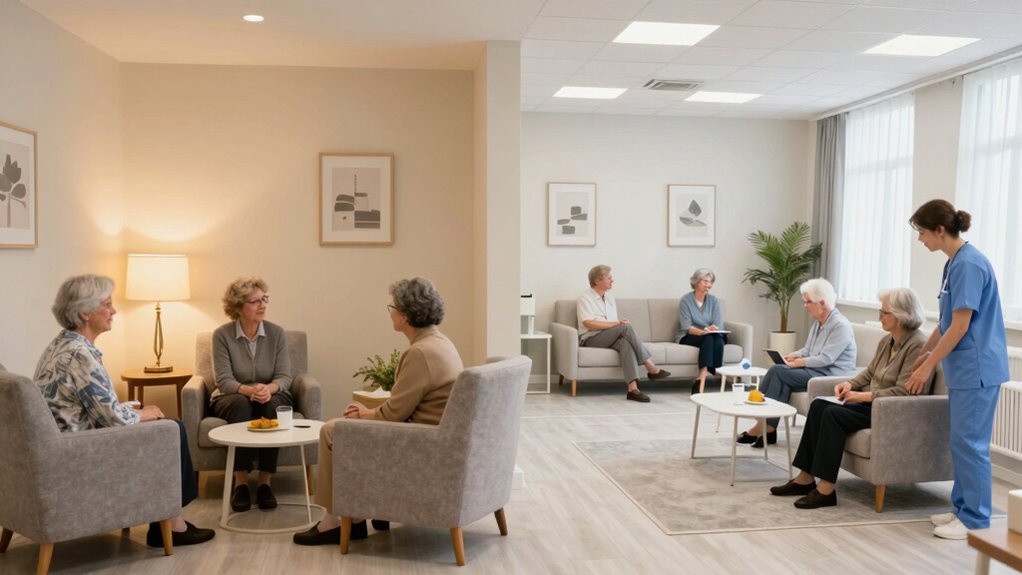

Assisted living helps you with daily tasks like bathing and dressing, encouraging your independence, and offers social activities for engagement. Memory care is designed for those with Alzheimer’s or dementia, focusing on safety, specialized routines, and cognitive support. Staff in memory care receive extra training to handle behavioral challenges, and the environment features security measures like alarms and secure entrances. For a clear understanding of these care level differences, explore what each setting can offer.

Turn quiet afternoons into listening time
- Thousands of audiobooks, podcasts and originals
- Listen on your phone, tablet or Echo — also offline
- Cancel anytime
Key Takeaways
- Assisted living provides help with daily tasks and promotes independence, while memory care offers specialized support for residents with dementia or Alzheimer’s.
- Staff in assisted living are trained for routine assistance, whereas memory care staff have advanced training in dementia-specific behaviors and safety.
- Memory care environments feature secure layouts, wandering prevention technology, and safety enhancements not typically found in assisted living.
- Memory care generally involves a higher level of supervision, personalized programs, and safety measures, leading to increased costs compared to assisted living.
- Care levels differ based on cognitive needs, with memory care tailored for safety and cognitive support, while assisted living emphasizes independence with assistance.
assisted living bathroom safety grab bars
As an affiliate, we earn on qualifying purchases.
As an affiliate, we earn on qualifying purchases.
What Are Assisted Living and Memory Care?

Have you ever wondered how assisted living and memory care differ in supporting seniors? Both provide essential services, but they focus on different needs. Assisted living offers help with daily tasks like bathing, dressing, and medication management, while encouraging social activities to keep residents engaged. Many communities incorporate pet therapy, which promotes emotional well-being and companionship. Memory care, on the other hand, is tailored for those with Alzheimer’s or other dementias, with secure environments and specialized programs. Although social activities are still central, they’re designed to meet cognitive challenges. Early detection of cognitive decline can help in planning appropriate care levels and improving outcomes. Additionally, specialized staff training ensures that residents receive appropriate care tailored to their specific conditions. Recognizing the importance of care level differentiation supports families in making informed decisions about the most suitable options. Both types of care aim to improve quality of life, but memory care emphasizes safety and cognitive support, whereas assisted living emphasizes independence with assistance.
memory care wandering prevention technology
As an affiliate, we earn on qualifying purchases.
As an affiliate, we earn on qualifying purchases.
How Do Care Levels Differ Between Assisted Living and Memory Care?

While both assisted living and memory care provide essential support, their levels of care differ considerably to meet residents’ specific needs. In assisted living, caregivers are trained to assist with daily tasks like bathing, medication management, and mobility, but their training may be less specialized for cognitive issues. Resident activities focus on social engagement, fitness, and hobbies that promote independence. Memory care, however, features specialized caregiver training to handle residents with dementia or Alzheimer’s, emphasizing safety and behavioral management. Activities are tailored to stimulate memory and cognitive function, often including routines that reduce confusion. The care level in memory care is more intensive and structured, ensuring residents receive appropriate supervision and support for their unique cognitive challenges. Additionally, security zone info highlights that memory care facilities often incorporate advanced safety features to prevent wandering and ensure resident safety. These features include wandering prevention technology, which uses discreet sensors and alarms to monitor residents’ movements and quickly alert staff if someone is at risk of wandering. Furthermore, the specialized training of staff ensures they are equipped to manage behavioral challenges and provide compassionate, person-centered care tailored to each resident’s needs. The implementation of such safety features reflects the higher level of oversight required in memory care environments. Moreover, care protocols in memory care are designed to adapt to changing cognitive needs, providing a flexible and responsive care approach.
As an affiliate, we earn on qualifying purchases.
What Support Does Assisted Living Provide for Daily Needs?

In assisted living, you receive personal assistance with daily tasks like bathing, dressing, and mobility, so you can maintain your independence. Staff also help manage your medications to guarantee you take the right doses at the right times. This support is designed to meet your daily needs while respecting your autonomy. Additionally, cabling solutions are essential for maintaining communication and safety systems within the facility. Ensuring reliable emergency communication systems is vital for resident safety and staff coordination.
Personal Assistance Available
Assisted living communities are designed to support residents with their daily needs, providing a range of personal assistance services. You’ll find staff available to help with essential tasks like dressing, bathing, grooming, and mobility. This personal assistance guarantees you maintain independence while receiving the support you need. Daily support is tailored to your individual routines, making sure you feel comfortable and cared for. Staff members are trained to respond quickly and compassionately, giving you peace of mind. Whether you need a little help or more extensive support, assisted living communities adapt to your changing needs. Proper cleaning equipment and protocols are essential to maintaining a safe and healthy environment for residents. Additionally, implementing safety awareness can help prevent accidents and promote well-being among residents. In addition, understanding the seasons can help optimize the scheduling and delivery of care to meet residents’ specific needs throughout the year. Recognizing the importance of personalized care plans ensures that each resident’s unique preferences and requirements are met effectively. Developing a comprehensive care approach allows staff to better coordinate services and respond to individual health changes promptly. This personalized approach allows you to focus on enjoying your day, knowing that daily support is readily available whenever you require it.
Medication Management Support
Medication management support is a crucial service in assisted living communities, ensuring residents take their medications correctly and on time. You benefit from staff who monitor medication adherence and coordinate closely with your pharmacy to prevent errors. They handle medication setup, including blister packs or pill organizers, to simplify daily routines. Staff also review prescriptions regularly to catch potential interactions or changes. They assist with timely refills, ensuring you’re never without necessary medications. This support reduces the risk of missed doses and adverse effects. Additionally, staff educate residents about their medications, promoting understanding and compliance. They may also incorporate natural pools or other eco-friendly amenities to enhance residents’ outdoor experience and well-being. Furthermore, staff are trained in medication safety protocols to ensure proper handling and storage of medications. Overall, medication management in assisted living provides peace of mind, helping you maintain your health and independence with professional oversight and seamless pharmacy coordination.
medication management system for seniors
As an affiliate, we earn on qualifying purchases.
As an affiliate, we earn on qualifying purchases.
What Specialized Services Does Memory Care Offer for Alzheimer’s and Dementia?

Memory care facilities offer specialized programs designed to support individuals with Alzheimer’s and dementia. You’ll find trained caregivers on-site who understand these conditions and can provide personalized assistance. The environment is also carefully designed for safety, reducing risks and promoting independence. Additionally, these facilities often incorporate stress management techniques to help residents maintain emotional stability and well-being. Recognizing the importance of emotional well-being, many memory care programs include activities focused on reducing anxiety and promoting comfort. Incorporating person-centered care approaches further enhances the quality of life for residents by addressing individual needs and preferences. These tailored programs often emphasize therapeutic activities that stimulate cognition and foster social engagement. Furthermore, staff are typically trained in specialized dementia care strategies to better support residents’ unique challenges.
Specialized Memory Programs
Have you ever wondered how specialized memory programs support individuals with Alzheimer’s and dementia? These programs are designed to enhance safety, engagement, and quality of life through tailored activities and innovative tools. They often incorporate artificial intelligence to monitor behaviors and adjust care strategies in real-time, ensuring personalized support. Family involvement is also key, as programs encourage communication and participation to reinforce familiarity and comfort. Additionally, understanding symptoms of breast cancer can be crucial for early detection and intervention in health management. Some features include: – Cognitive exercises tailored to each person’s abilities – Memory-enhancing activities that promote engagement – Safety systems with AI-powered alerts – Personalized routines based on individual history – Family updates and involvement in care planning. Incorporating emotional skills within these programs can further strengthen connections and improve residents’ overall well-being. These elements help create a supportive environment where residents feel understood and cared for, fostering better well-being and connection.
Trained Caregivers On Site
Trained caregivers on site play a vital role in delivering specialized services for residents with Alzheimer’s and dementia. Their staff qualifications guarantee they understand the unique needs of each individual, enabling personalized care. These caregivers focus on fostering resident engagement through activities that stimulate memory and promote emotional well-being. Their presence provides reassurance and stability, helping residents feel safe and supported. Because they’re trained specifically for memory care, they can recognize early signs of distress and respond appropriately. This expertise allows for quick, compassionate intervention when behaviors change or challenges arise. The combination of qualified staff and resident engagement creates a nurturing environment where residents remain active and connected, ultimately improving their quality of life and maintaining dignity.
Environment Designed for Safety
Creating a safe environment is essential in memory care facilities, especially for residents with Alzheimer’s and dementia. These environments are carefully designed to minimize risks and promote independence. Safety protocols are integrated throughout the facility, including secure entrances and exits, to prevent wandering. You’ll find features like rounded corners, non-slip flooring, and clearly marked signage to reduce confusion and falls. Emergency preparedness is a priority, with staff trained to respond quickly to incidents and medical emergencies. Memory care facilities also incorporate alarm systems and monitoring devices to ensure resident safety at all times. The environment is intentionally structured to offer reassurance and security, helping residents stay safe while maintaining dignity and comfort.
How Are Staff Trained Differently for Assisted Living and Memory Care?
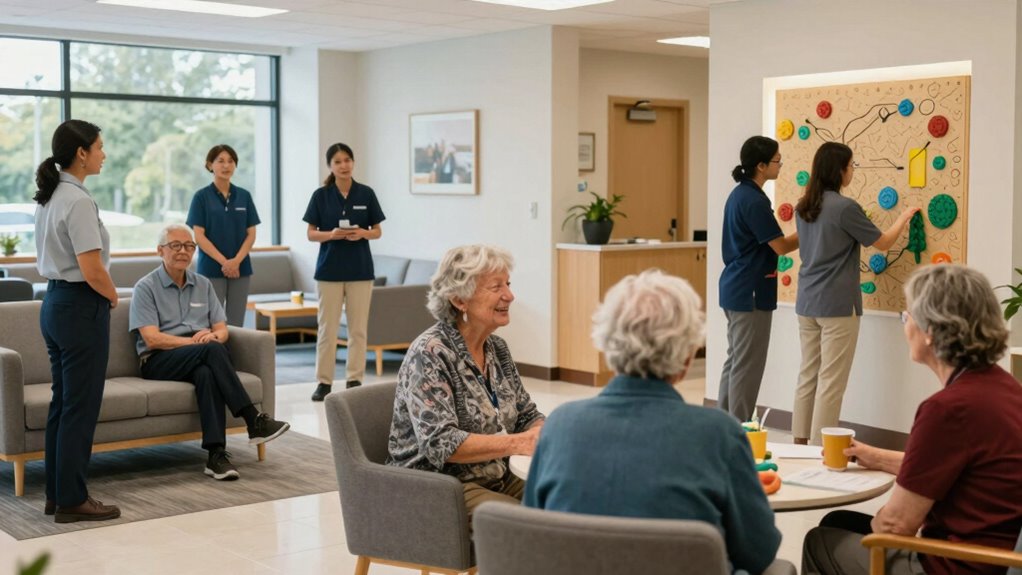
Because memory care residents often have unique cognitive and behavioral needs, staff in these facilities undergo specialized training beyond standard assisted living programs. This staff training focuses on understanding diseases like Alzheimer’s and dementia, equipping caregivers with skills to handle challenging behaviors and communicate effectively. Care protocols are adapted to prioritize safety and comfort, emphasizing patience and compassion. Staff are trained to recognize early signs of distress and respond appropriately, ensuring residents feel secure. In contrast, assisted living staff typically receive training centered on providing daily assistance, medication management, and mobility support. Overall, memory care staff are prepared to manage complex emotional and behavioral issues, ensuring residents’ dignity and well-being are maintained at all times.
How to Know When It’s Time to Transition From Assisted Living to Memory Care?
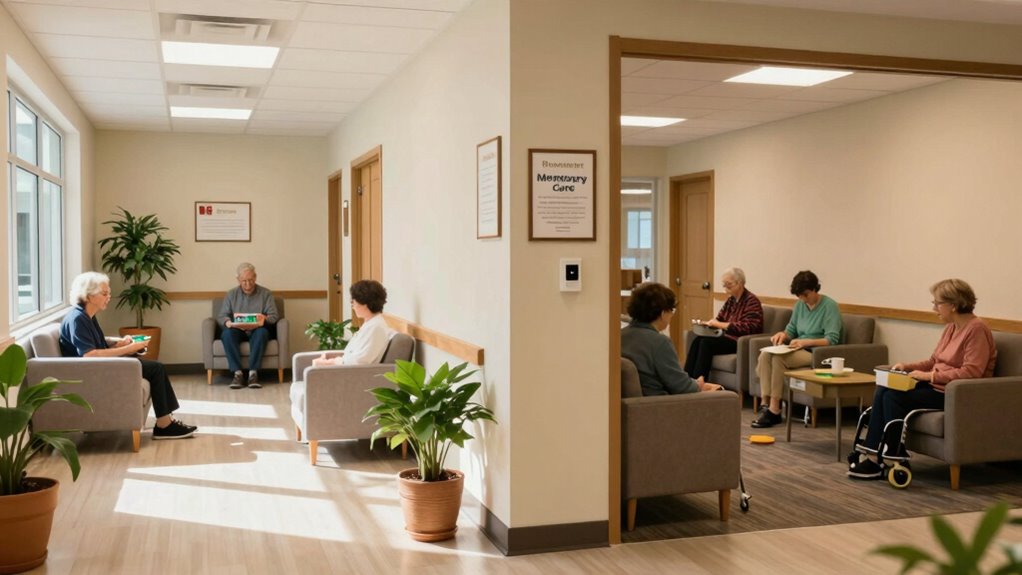
Recognizing when it’s time to shift from assisted living to memory care can be challenging, but certain signs indicate that your loved one’s needs have changed considerably. If you notice a significant memory decline, it may be time to contemplate a transition. Watch for changes in resident independence, such as difficulty performing daily tasks or increased confusion. Other signs include increased wandering, safety concerns, or severe behavior changes.
When memory decline and safety concerns arise, consider transitioning to memory care to support your loved one’s changing needs.
- Struggling with basic self-care routines
- Repeated episodes of forgetfulness or disorientation
- Requiring constant supervision for safety
- Exhibiting aggressive or unpredictable behavior
- Showing signs of apathy or withdrawal
These indicators suggest that specialized memory care could better support their evolving needs and ensure their safety.
Design Features That Keep Memory Care Residents Safe

Effective safety in memory care communities hinges on thoughtful design features that prevent accidents and support residents’ independence. Decorative features play a key role by creating a warm, welcoming environment that reduces confusion and anxiety. Bright, contrasting colors help residents distinguish doorways, stairs, and furniture, minimizing fall risks. Secure, unobtrusive locks on doors prevent wandering, while open layouts reduce clutter and trip hazards. Incorporating elements that encourage resident engagement, such as safe, interactive spaces, promotes mental stimulation and social interaction without compromising safety. These design choices foster a sense of comfort and security, making residents feel at home while reducing the likelihood of accidents. By prioritizing both functional safety features and engaging aesthetics, memory care communities help residents thrive safely and confidently.
What Are the Cost Differences Between Assisted Living and Memory Care?
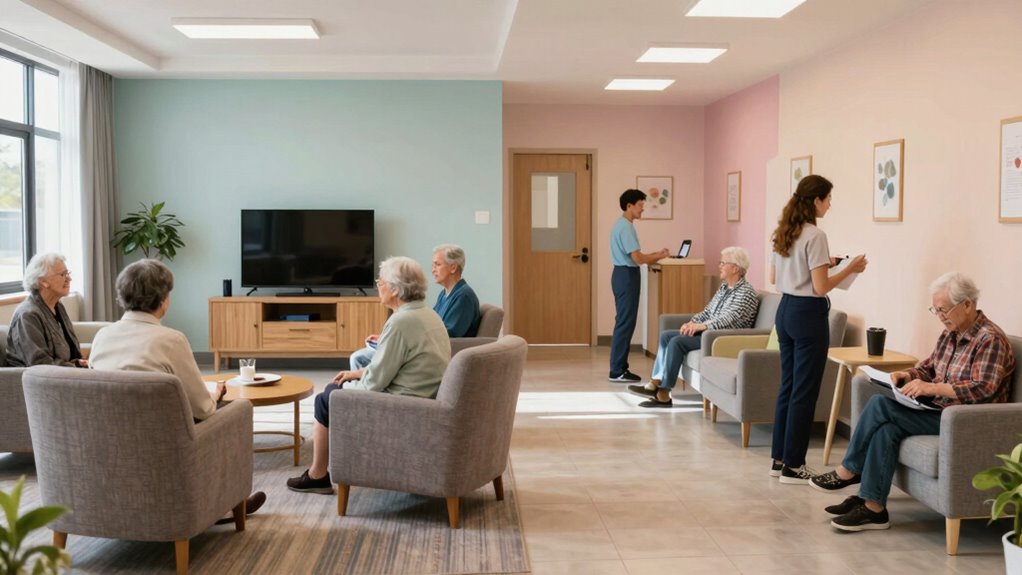
Understanding the cost differences between assisted living and memory care can help you plan your budget more effectively. You’ll notice that memory care often has higher fees due to specialized services and safety features. Over time, these cost variances can markedly impact your long-term finances, so it’s important to compare your options carefully.
Cost Structure Variances
The cost differences between assisted living and memory care primarily stem from the level of specialized services and supervision required. Memory care typically involves higher expenses due to tailored environments, increased staffing, and specialized training. These factors influence the pricing models, making memory care more costly on average. When planning your finances, understanding these variances helps you prepare adequately.
- Memory care often includes 24/7 supervision and security measures
- Specialized staff training adds to overall costs
- Enhanced safety features increase facility expenses
- Memory care units may have smaller, more controlled environments
- Pricing models reflect the increased level of personalized care needed
Recognizing these differences is vital for effective financial planning and choosing the right care option for your loved one.
Long-Term Financial Impact
Because memory care typically involves higher daily costs due to specialized staffing and safety features, the long-term financial impact can be significant. You’ll want to contemplate your financial planning carefully, as these expenses tend to add up over time. Memory care often costs more than assisted living, sometimes by several thousand dollars monthly, which can strain budgets or savings. It’s also important to check your insurance coverage, as some policies may help offset these costs, but many do not. Planning ahead ensures you’re prepared for ongoing expenses and can explore options like long-term care insurance or government assistance programs. Understanding these differences helps you make informed decisions that balance quality care with your financial stability over the years.
Key Factors to Consider When Choosing the Right Care Level
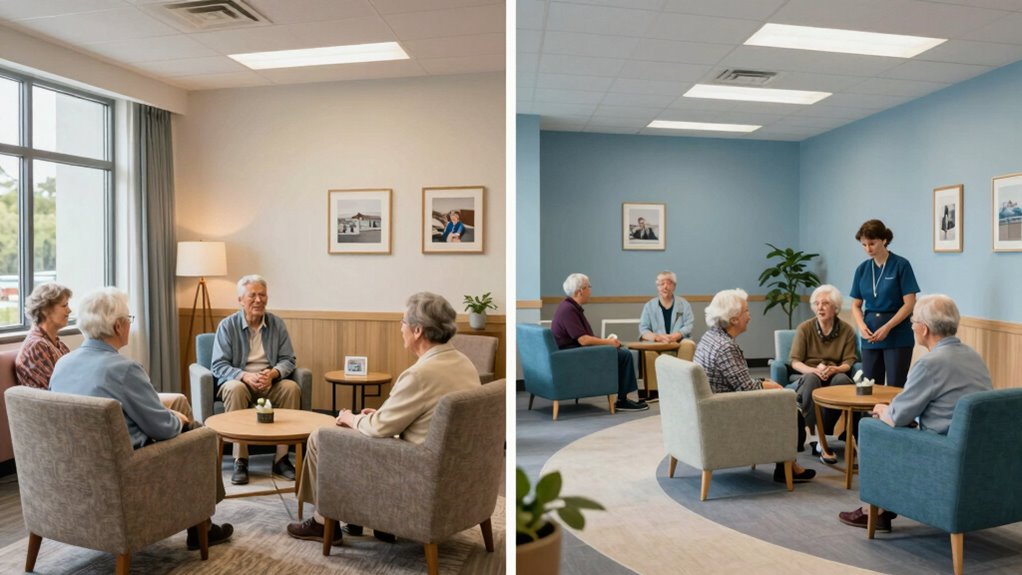
Choosing the right level of care can profoundly impact quality of life, so it’s essential to weigh several key factors carefully. Consider your loved one’s emotional support needs and how well the environment fosters social engagement. Think about their daily routines, independence level, and ability to participate in activities. Evaluate the staff’s expertise in memory care versus assisted living. Also, assess the community’s overall atmosphere, including opportunities for social interaction and emotional well-being.
- Level of personalized emotional support
- Availability of social engagement programs
- Staff training and experience
- Independence and activity participation
- Overall community atmosphere
How Do Each Setting Ensure Resident Safety and Supervision?

Both assisted living and memory care settings prioritize resident safety through extensive supervision and tailored security measures. You’ll find that staff ratios are carefully maintained to ensure each resident receives appropriate attention, supporting resident independence while minimizing risks. In assisted living, staff members are available to assist with daily activities, helping prevent falls or accidents, yet residents retain a good level of autonomy. Memory care units implement heightened security features, such as secure entrances and wandering alerts, to prevent residents with memory impairments from straying. Staff are trained specifically to respond quickly to emergencies and monitor residents closely. These measures guarantee that safety is integrated into daily routines, allowing residents to maintain as much independence as possible while feeling secure.
Frequently Asked Questions
How Do Residents Transition Between Assisted Living and Memory Care?
You’ll go through a smooth changeover between assisted living and memory care by following established changeover protocols. Staff training ensures they’re prepared to handle your needs and support your move compassionately. When your care requirements change, the staff assesses your condition, communicates with you and your family, and carefully guides you through the process. This approach guarantees your comfort and safety as you adapt to the appropriate level of care.
Can Residents Receive Personalized Care Plans in Both Settings?
Did you know that nearly 85% of residents in assisted living and memory care report satisfaction with personalized care? You can receive care plan customization in both settings, tailored to your unique needs. Staff focus on promoting resident autonomy, ensuring your preferences and routines are respected. This personalized approach helps you stay as independent as possible, whether you’re in assisted living or memory care, giving you peace of mind and a sense of control.
Are There Specific Activities Tailored for Memory Care Residents?
Yes, memory care residents enjoy activities specifically tailored for their needs. You’ll find engaging memory games designed to stimulate cognition and preserve skills, along with sensory activities that promote relaxation and sensory awareness. These activities are carefully chosen to match each resident’s abilities, providing meaningful engagement and improving overall well-being. You can expect a variety of enjoyable, customized activities that support memory retention and sensory health daily.
What Are the Legal Considerations for Moving a Loved One to Memory Care?
Imagine your loved one with memory issues needs to move to memory care. You’ll need to review legal documentation like advance directives and power of attorney, ensuring they authorize this move. Guardianship requirements vary, so you might need to obtain legal guardianship if they can’t make decisions. Consulting an attorney familiar with elder law helps you navigate these steps smoothly, ensuring the progression complies with legal standards and protects your loved one’s rights.
How Flexible Are Care Services in Response to Changing Needs?
Care services in memory care facilities are quite flexible and adapt to your loved one’s changing needs. You can work with staff to modify care plans, ensuring they get the appropriate support as their condition evolves. Facilities prioritize service adaptation, so they often offer tailored activities, increased supervision, or specialized therapies. This flexibility helps maintain quality of life and provides peace of mind, knowing your loved one’s care adjusts as required.
Conclusion
Choosing between assisted living and memory care means finding the right balance for your loved one’s comfort and needs. While both offer nurturing environments, memory care gently guides residents through specialized support, like a soft, steady hand. Trust that each setting is designed with compassion, creating a peaceful space where safety and dignity are woven into everyday life. In this gentle journey, you’ll find the perfect harmony for their well-being and your peace of mind.
Halloween Picks
halloween
As an affiliate, we earn on qualifying purchases.