TL;DR

Turn quiet afternoons into listening time
- Thousands of audiobooks, podcasts and originals
- Listen on your phone, tablet or Echo — also offline
- Cancel anytime
Senior-friendly Halloween costumes focus on comfort, safety, and ease of dressing. Trends include adaptive and customizable options, making Halloween enjoyable and accessible for seniors. Caregivers should prioritize breathable fabrics, simple fastenings, and personal preferences.
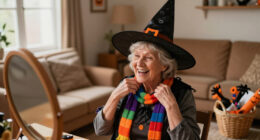
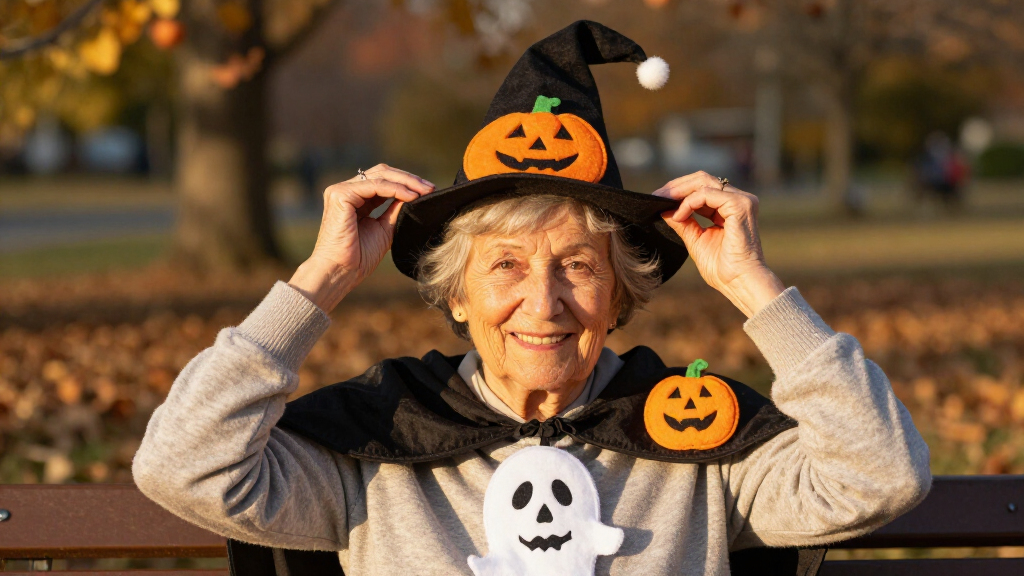
Halloween costumes for seniors aren’t about flashing costumes or elaborate masks. They’re about making the holiday enjoyable, safe, and comfortable.
If you’ve ever watched an older loved one struggle with a tricky zipper or itchy fabric, you understand how important these choices are. Knowing what to look for can turn Halloween from a potential discomfort into a genuine celebration.
In this guide, you’ll discover practical tips, recent innovations, and real-world ideas to help any senior enjoy dressing up—without sacrificing safety or personal style.
Prioritize breathable, soft fabrics and avoid tight or restrictive costumes for seniors.
Choose costumes with simple fastenings like Velcro or elastic for easy dressing.
Recent trends include adaptive designs, eco-friendly materials, and group costumes that foster social fun.
Involving seniors in the costume selection process boosts confidence and comfort.
Safety measures like flame-retardant fabrics, glow-in-the-dark accessories, and slip-resistant shoes are essential.
Why Comfort and Safety Are Non-Negotiable for Senior Costumes
Comfort and safety top the list when selecting costumes for seniors. Soft, breathable fabrics prevent overheating, especially for those with sensitive skin or sensory sensitivities. Wearing uncomfortable costumes can lead to irritability, skin issues, or even health emergencies like overheating or falls. Avoiding tight, restrictive outfits is crucial because they can restrict circulation or movement, increasing fall risk or discomfort during extended wear.
Choosing the right fabrics isn’t just about comfort; it has direct health implications. For example, synthetic materials like polyester can trap heat and moisture, leading to overheating or skin irritation—issues that are particularly risky for seniors with delicate skin or health conditions. Natural fibers like cotton or bamboo are not only more breathable but also tend to be hypoallergenic, reducing the chance of allergic reactions or skin rashes. This choice supports overall well-being and ensures that the costume enhances, rather than diminishes, comfort during festivities.
Safety is equally critical. Costumes should be flame-retardant, especially since candles, lanterns, and pumpkin lights are common during Halloween. Small, removable parts pose choking hazards, particularly for seniors with cognitive impairments or sensory sensitivities. For example, a costume with plastic swords or tiny embellishments might seem harmless but can accidentally come loose, creating a choking or choking hazard. Choosing flame-retardant fabrics reduces fire risk, which is heightened during Halloween due to open flames. Well-fitting costumes also prevent trips and falls, ensuring seniors can move confidently through crowded or uneven spaces. The goal is to minimize hazards without sacrificing style or fun, creating an environment where safety is seamlessly integrated into costume design.
senior friendly Halloween costume with Velcro fastenings
As an affiliate, we earn on qualifying purchases.
As an affiliate, we earn on qualifying purchases.
How to Pick the Easiest Costumes for Seniors to Wear and Remove
- Choose costumes with simple fastenings like Velcro or elastic waistbands. These features reduce the frustration caused by fiddly buttons or zippers, which can be difficult for seniors with arthritis or limited dexterity. Ease of dressing isn’t just about convenience—it directly impacts independence and confidence. When seniors can dress themselves easily, they feel more autonomous, which enhances their enjoyment and reduces reliance on caregivers. Moreover, simple fastenings can prevent accidents caused by struggling with complex closures, such as falls or skin irritation from pulling or tugging.
- Opt for slip-on styles that can go over regular clothes without struggle. Slip-on outfits eliminate the need for fine motor skills, making dressing quicker and less stressful, especially for those who tire easily or have mobility issues. This simplicity encourages participation and minimizes frustration, creating a more positive experience around dressing for Halloween.
- Look for costumes with minimal layers—less fabric means less heat retention and fewer chances of tripping or overheating. Multiple layers can trap heat and cause discomfort, especially in crowded or warm environments, and can also make dressing and undressing cumbersome. Choosing streamlined costumes helps maintain comfort and safety, preventing overheating and reducing the risk of falls caused by bulky clothing.
- Use adjustable features, like drawstrings or stretchy fabrics, for a perfect fit. Proper fit isn’t just about appearance; it’s about safety and comfort. Ill-fitting costumes can slip, bunch, or constrict, leading to discomfort or even falls. Adjustable features allow caregivers and seniors to tailor the fit, ensuring ease of movement and reducing skin irritation or pressure points, which are common sources of discomfort or injury.
- Encourage costumes that can be worn with assistive devices, like wheelchair-friendly designs. Adaptive costumes that accommodate mobility aids help seniors participate fully without feeling excluded or risking falls while trying to navigate complicated outfits. Incorporating features like open-back designs or easy-access fastenings ensures that seniors with mobility aids can enjoy dressing up comfortably and safely, fostering inclusion and confidence.
For example, a senior with arthritis might struggle with zippers or buttons. A cape with a Velcro closure or a tunic-style costume can be pulled on easily, reducing dressing time and frustration. Involving seniors in trying on options beforehand ensures they’re comfortable and confident, which boosts their enjoyment and participation in Halloween activities.
breathable cotton Halloween costumes for seniors
As an affiliate, we earn on qualifying purchases.
As an affiliate, we earn on qualifying purchases.
Compare Popular Senior-Friendly Costumes: Comfort, Safety, & Style
| Feature | Traditional Costume | Senior-Friendly Costume |
|---|---|---|
| Fabric | Polyester, synthetic | Cotton, bamboo, hypoallergenic fabrics |
| Fastenings | Zippers, buttons | Velcro, elastic, slip-on |
| Layers | Multiple, bulky layers | Simplified, minimal layers |
| Mobility | Restrictive, tight fits | Roomy, adaptable for mobility aids |
| Safety | Potential choking hazards, flammability | Flame-retardant, no small parts |
Choosing a costume that scores high in comfort, safety, and style can make Halloween more enjoyable. For instance, a senior might prefer a cozy, easy-to-wear pumpkin tunic with soft fabric and stretchy waistband over a tight, sequined outfit that causes discomfort. Understanding these differences allows caregivers to make informed decisions that prioritize well-being and confidence, ultimately fostering a more inclusive celebration. The right costume choices not only prevent accidents but also boost a senior’s sense of participation and joy, making the holiday memorable for everyone involved.
flame-retardant Halloween costumes for seniors
As an affiliate, we earn on qualifying purchases.
As an affiliate, we earn on qualifying purchases.
Trends Shaping the Future of Senior Costumes
Recent developments are making Halloween costumes more inclusive and adaptable for seniors. Adaptive costumes now feature easy closures, adjustable sizing, and sensory-friendly fabrics, which address common challenges such as limited mobility, sensory sensitivities, and the need for quick dressing. These innovations are essential because they remove barriers that might prevent seniors from fully participating in holiday festivities. For example, costumes with magnetic closures or flexible fastenings reduce the need for fine motor skills, making dressing less frustrating and more accessible. This not only encourages independence but also enhances the overall experience, fostering a sense of achievement and joy.
For example, some companies offer costumes designed specifically for wheelchair users—integrating with mobility aids rather than fighting against them. These designs include open-back styles, adjustable straps, and lightweight fabrics that facilitate dressing and undressing without compromising style or comfort. Such features recognize that mobility devices are integral to many seniors’ lives, and costumes need to accommodate that reality. These innovations demonstrate a shift towards inclusive design that considers the diverse needs of seniors, promoting dignity and participation.
Another emerging trend is DIY and customizable costumes. Seniors often enjoy adding personal touches—like sewing on patches, attaching meaningful accessories, or choosing colors that reflect their personality. This process fosters a sense of ownership, pride, and creativity, making the costume more memorable and meaningful. Personalization allows seniors to express their identity and interests, which can boost self-esteem and social connection during festivities.
Eco-friendly fabrics are gaining popularity too. Hypoallergenic, non-toxic, and sustainable materials not only reduce skin irritation but also align with broader health and environmental concerns. This trend promotes a holistic approach to costume design, emphasizing safety, comfort, and sustainability simultaneously. It encourages manufacturers and consumers alike to prioritize ethical choices that benefit both individual health and the planet.
Group costumes that include seniors, family, or caregivers promote socialization and add extra fun to the holiday. Think matching superhero shirts or themed pajama sets—simple, inclusive, and festive. These options encourage bonding, shared experiences, and create lasting memories. When everyone dresses in coordinated or themed outfits, it fosters a sense of community and belonging, transforming Halloween into a collective celebration that emphasizes connection over competition.
adaptive Halloween costumes for elderly
As an affiliate, we earn on qualifying purchases.
As an affiliate, we earn on qualifying purchases.
Practical Tips for Making Halloween Safe and Fun for Seniors
- Check costumes for flame-resistant tags and avoid loose, dangling parts. Loose elements can catch fire or become choking hazards, especially when around candles or lanterns. Ensuring flame-retardant materials and secure fastenings reduces these risks significantly. Safety isn’t just about compliance—it’s about proactive prevention. For example, choosing costumes with tightly secured accessories and flame-retardant fabrics minimizes the danger of accidental fires or injuries, creating a secure environment for celebrations.
- Opt for breathable fabrics and ensure proper fit to prevent overheating. Overheating can cause discomfort, dehydration, or heat exhaustion—particularly dangerous for seniors with underlying health conditions. Proper ventilation and lightweight materials help regulate body temperature, reducing stress and fatigue during outdoor activities or crowded events. This consideration is vital because heat-related illnesses can escalate quickly in older adults, so choosing the right fabrics and fit is a critical safety measure.
- Involve seniors in choosing their costume to match their style and comfort preferences. This promotes independence, boosts confidence, and ensures the costume aligns with their personality. When seniors select their own outfits, they are more likely to feel comfortable and enthusiastic about wearing them, which enhances their overall experience and reduces resistance or discomfort.
- Pre-try costumes to identify any issues before the big night. This allows adjustments or replacements if needed, preventing last-minute stress or discomfort. Fitting sessions also provide an opportunity to add personal touches or modify costumes for better comfort, ensuring a smoother, more enjoyable celebration.
- Use glow-in-the-dark or reflective accessories for visibility in dim lighting. Increased visibility reduces the risk of trips and falls, especially in unfamiliar or uneven terrain. Proper lighting and reflective elements are simple yet effective safety enhancements that can prevent accidents and give caregivers peace of mind.
- Ensure footwear is supportive, slip-resistant, and easy to put on. Proper footwear is crucial for stability and preventing falls, which are a common concern for seniors during outdoor activities. Well-fitting shoes with non-slip soles provide traction and confidence, enabling seniors to enjoy outdoor festivities safely.
- Keep a flashlight handy to light walkways and prevent trips. Good lighting helps seniors navigate safely through dark or crowded areas, reducing the risk of falls and injuries. A portable light source also allows quick illumination of tricky spots, making outdoor trick-or-treating safer and more accessible.
- Prepare a simple, comfortable costume that can double as everyday wear if needed. Comfort and practicality encourage longer wear and participation. When costumes are versatile and non-restrictive, seniors are more likely to wear them with confidence, turning dressing up into a fun, stress-free activity rather than a chore.
For example, a senior who loves cats might wear a soft, fuzzy feline hoodie with a stretch waistband and simple face paint—easy to put on and comfortable for hours. Remember, Halloween should be about fun, not stress or discomfort. Prioritize safety, but don’t forget to let personality shine through, making the experience memorable and joyful for everyone involved.
Frequently Asked Questions
What are the safest costume options for seniors?
Look for costumes made from flame-retardant, hypoallergenic fabrics with no small, removable parts. Opt for simple designs with easy fastenings like Velcro or elastic, and avoid tight or restrictive clothing that could impede movement.How can I make Halloween costumes more comfortable for seniors with mobility issues?
Choose slip-on styles, adjustable features, and costumes that accommodate mobility aids like wheelchairs or walkers. Prioritize loose-fitting, breathable fabrics and test the costume beforehand to ensure ease of dressing and comfort.Are there specific costumes suitable for seniors with cognitive impairments?
Yes. Simplified, familiar costumes with minimal accessories and clear fastenings help reduce confusion and frustration. Avoid complex, layered outfits and opt for bright, recognizable themes that evoke positive memories.Where can I find adaptive or senior-friendly costumes?
Many retailers now offer specialized costumes designed for seniors, including online stores focusing on adaptive clothing. Local costume shops and big-box stores often carry easy-to-wear options, especially during Halloween season.How can I personalize costumes to reflect a senior’s personality or interests?
Add meaningful accessories like patches, badges, or favorite colors. Use DIY touches—like sewing on patches or attaching personal mementos—to make the costume unique and special for them.Conclusion
Choosing a Halloween costume for a senior doesn’t mean sacrificing style or fun. It’s about blending comfort, safety, and personal flair.
Imagine a senior smiling in their cozy, personalized costume—ready to enjoy the night without worries. When you focus on practical, inclusive options, everyone wins.
So, this Halloween, think comfort first, add a splash of personality, and turn costume shopping into a shared, joyful experience. After all, the best costumes are the ones that make everyone feel confident and carefree.
Fall Picks
fall essentials
As an affiliate, we earn on qualifying purchases.