

Caregiver grief happens when you feel deep emotional pain while still caring for a loved one, often due to ongoing changes, losses, or stress you witness daily. It’s normal to feel sadness, frustration, or exhaustion even before final loss. To cope, seek support from others, practice self-care, and recognize your feelings without judgment. If you continue exploring, you’ll discover more ways to manage this complex and common experience effectively.

Turn quiet afternoons into listening time
- Thousands of audiobooks, podcasts and originals
- Listen on your phone, tablet or Echo — also offline
- Cancel anytime
Key Takeaways
- Caregiver grief while someone is alive involves mourning emotional and physical changes in a loved one, not just final loss.
- It includes feelings like sadness, guilt, anxiety, and physical symptoms such as fatigue and sleep issues.
- Recognizing these signs early helps in managing emotions and preventing burnout.
- Coping strategies include seeking emotional support, practicing self-care, setting boundaries, and building resilience.
- Utilizing support systems and mental health resources is essential for navigating ongoing caregiver grief effectively.
As an affiliate, we earn on qualifying purchases.
What Is Caregiver Grief and Why Do I Feel It While Still Caring?

Have you ever felt a heavy weight or a sense of loss even though the person you care for is still alive? That’s caregiver grief. It often sneaks up because you’re managing emotional resilience while facing ongoing stress. As a caregiver, you might feel overwhelmed or exhausted, which can lead to burnout. This emotional strain causes grief, even without a terminal diagnosis, because you’re mourning the gradual changes and losses you witness daily. It’s normal to experience these feelings, but recognizing them is key. Caregiver grief isn’t just about sadness; it’s a complex mix of emotions tied to your caregiving role. Understanding this helps you navigate your feelings and avoid further burnout, allowing you to better support both yourself and your loved one. Additionally, acknowledging the concept of Free Floating grief can help you realize that these feelings might not be tied to a specific event but are part of the ongoing emotional process of caregiving. Recognizing emotional resilience as a vital component can assist in developing coping strategies that sustain you through these challenging times.
As an affiliate, we earn on qualifying purchases.
What Causes Caregiver Grief During Ongoing Caregiving?

Caregiver grief during ongoing care arises from the constant exposure to your loved one’s changing condition and the demands of providing support day after day. This ongoing process can lead to emotional exhaustion, where you feel drained and overwhelmed by the continuous effort needed to care for someone else. Additionally, anticipatory loss plays a significant role; you may start grieving the gradual decline or potential loss even before it happens. The ongoing grief stems from witnessing your loved one’s struggles and feeling powerless to change their situation. The emotional toll can feel relentless, making it difficult to maintain your own well-being. Recognizing these causes helps you understand why caregiving can be so emotionally taxing and why it’s essential to seek support. Supporting caregiver resilience can help manage these emotional challenges and foster well-being during this difficult time. Moreover, understanding the emotional impact of ongoing caregiving emphasizes the importance of self-care and seeking professional help when needed. Building emotional awareness through practices like journaling and self-reflection can also be a valuable tool in coping with ongoing grief. Developing coping strategies tailored to your unique situation can further strengthen your resilience and capacity to navigate this challenging experience. Engaging in mental health support such as therapy or support groups can provide additional relief and guidance.
emotional resilience therapy tools
As an affiliate, we earn on qualifying purchases.
As an affiliate, we earn on qualifying purchases.
How Do I Know if I’m Experiencing Caregiver Grief?

Recognizing caregiver grief can be challenging because its signs often resemble everyday stress or fatigue. You might notice emotional awareness shifts, like feeling unexpectedly sad, irritable, or overwhelmed, even if you usually handle stress well. Physical symptoms can also signal caregiver grief, such as headaches, muscle tension, fatigue, or sleep disturbances. You may find yourself withdrawing from social activities or feeling numb despite ongoing care responsibilities. These feelings and physical signs often develop gradually, making it easy to dismiss them as normal stress. Paying close attention to your emotional responses and physical health is essential. If you notice persistent feelings of sadness, anxiety, or physical discomfort that don’t improve, it could be a sign you’re experiencing caregiver grief. Additionally, understanding the subtopics of caregiver grief can help you identify specific areas where you might need support. Recognizing emotional awareness shifts as part of the grieving process can be particularly helpful in addressing your needs early on.
burnout prevention for caregivers
As an affiliate, we earn on qualifying purchases.
As an affiliate, we earn on qualifying purchases.
How Is Caregiver Grief Different From Mourning After a Loss?
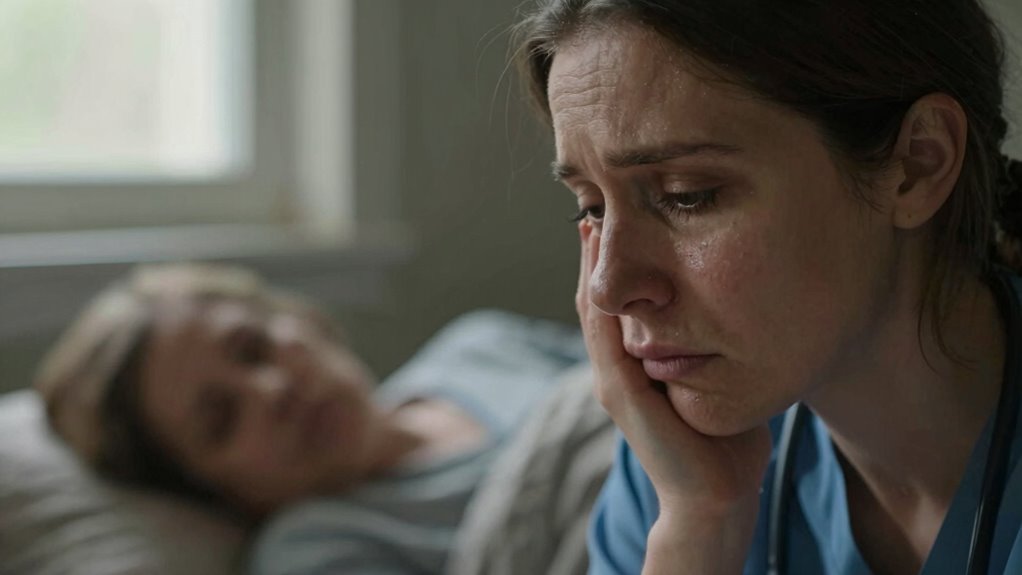
Many people wonder how caregiver grief differs from mourning after a loved one has passed away. While mourning often involves processing the finality of loss and moving through grief stages like acceptance and sadness, caregiver grief happens while your loved one is still alive. It can evoke complex emotions, requiring emotional resilience as you navigate anticipatory grief. Unlike mourning, which focuses on healing after death, caregiver grief involves ongoing emotional tension, worry, and sometimes feelings of guilt. You may experience grief stages in real-time, but they’re often intertwined with daily caregiving responsibilities. Recognizing this distinction helps you understand that your emotional responses are valid, even before a final goodbye, and that coping strategies can be tailored to this ongoing emotional challenge. Additionally, understanding emotional resilience can empower caregivers to better manage stress and maintain well-being during this difficult time. Developing coping skills tailored to anticipatory grief can make a significant difference in your emotional health. Building emotional skills such as mindfulness and effective communication can further support your capacity to handle these complex emotions.
What Are Effective Ways to Cope With Caregiver Grief?

To cope with caregiver grief, you should seek emotional support from friends, family, or support groups. Practicing self-care strategies, like taking breaks and prioritizing your well-being, is also essential. These approaches can help you manage your feelings and maintain your strength during this challenging time. Additionally, understanding cabling solutions and proper installation techniques can help reduce stress when setting up necessary equipment or environments for caregiving tasks. Recognizing emotional resilience can also empower you to navigate the complex feelings associated with caregiving. Building stress management techniques can further strengthen your ability to cope with ongoing emotional challenges. Being aware of battery maintenance principles, such as appropriate charger settings and low-voltage cutoff, can help create a more stable environment, reducing additional stress. Remember that ergonomic principles can be applied to create a more comfortable and supportive environment, which may alleviate some physical and emotional burdens.
Seek Emotional Support
When coping with caregiver grief while someone is still alive, seeking emotional support becomes essential. Connecting with trusted friends, family members, or support groups can help you process your feelings and build emotional resilience. Sharing your thoughts and fears with others who understand your situation reduces feelings of isolation and provides comfort. Professional counseling or therapy offers a safe space to explore your emotions and develop coping strategies. Remember, you don’t have to face this alone; support networks can strengthen your resilience and help you manage grief healthily. Incorporating emotional support strategies into your routine can further enhance your coping efforts. Recognizing the importance of sustainable support options, such as online communities or teletherapy, can make accessing help more convenient and consistent. Building a support system that fits your needs can also provide ongoing encouragement and validation during challenging times. Developing emotional resilience through these methods can improve your overall well-being and ability to cope with ongoing stress. Additionally, understanding the role of peer support can be highly beneficial in sharing experiences and gaining perspectives from others facing similar challenges.
Practice Self-Care Strategies
Practicing self-care is essential for managing caregiver grief effectively. It helps you recharge emotionally and maintain resilience. You can incorporate mindfulness exercises to stay present and reduce stress, making it easier to process your feelings. Journaling techniques allow you to express thoughts and emotions, clarifying what you need and identifying patterns in your grief. Additionally, consider these strategies:
- Schedule regular breaks for activities you enjoy
- Set boundaries to protect your well-being
- Seek support from friends or support groups
- Prioritize sleep and physical activity
- Educate yourself about exploring new frontiers in digital content and research to find innovative coping resources, including emerging mental health tools that leverage digital technology advancements
When Should I Seek Help for Caregiver Grief?

Recognizing the signs that you need help is essential, especially if your feelings of grief persist or worsen over time. If you find yourself feeling overwhelmed, hopeless, or emotionally drained, it’s a clear signal to seek support. Struggling to maintain emotional resilience can take a toll on your well-being. Don’t hesitate to reach out to support networks, whether they’re friends, family, or professional counselors. If your grief interferes with daily activities or causes physical symptoms like insomnia or fatigue, professional help can provide valuable strategies to cope. Remember, seeking help isn’t a sign of weakness but a step toward maintaining your mental health and strengthening your capacity to care for both yourself and your loved one.
How Can I Take Care of Myself While Caring for Someone Else?
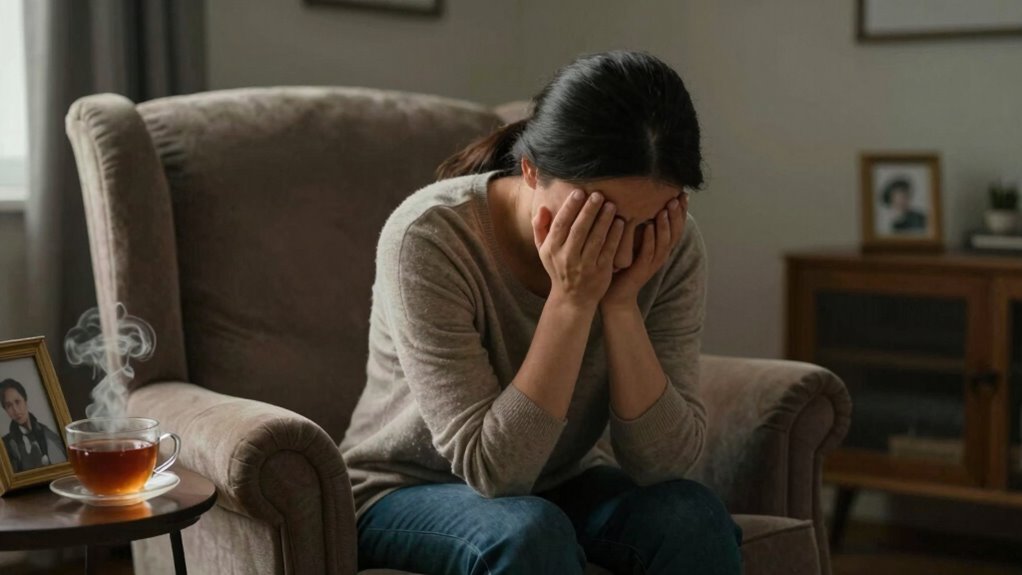
Taking care of yourself while caring for someone else requires intentional effort and boundaries. To maintain resilience, prioritize activities that nurture your well-being. Practice mindfulness techniques, such as deep breathing or meditation, to stay grounded amid stress. Set clear limits to prevent burnout, and don’t hesitate to ask for help when needed. Remember, self-care isn’t selfish; it’s essential for your mental and emotional health. Focus on small, consistent actions that reenergize you, like taking a walk, journaling, or enjoying a hobby. Building resilience helps you manage ongoing caregiving challenges more effectively. Keep in mind, caring for yourself allows you to be a stronger, more present caregiver, ultimately benefiting both you and the person you’re caring for.
Frequently Asked Questions
Can Caregiver Grief Affect My Physical Health?
Yes, caregiver grief can impact your physical health by increasing stress levels, which may lead to fatigue, headaches, or weakened immunity. To protect yourself, focus on stress management techniques like exercise, deep breathing, or talking with others. Ignoring these feelings can worsen health issues, so prioritize self-care and seek support to maintain your well-being while caring for someone else.
What Are Common Emotional Reactions to Caregiver Grief?
You might experience emotional responses like sadness, frustration, guilt, or anxiety when dealing with caregiver grief. These feelings can impact your mental health, making it harder to cope daily. You could also feel overwhelmed or numb, which affects your emotional well-being. Recognizing these common emotional reactions helps you understand your mental health impacts, encouraging you to seek support, practice self-care, and find healthy ways to manage your feelings during this challenging time.
How Does Caregiver Grief Influence Relationships With Others?
Like a tightrope walker, your caregiver grief influences your relationships by shifting relationship dynamics and testing emotional boundaries. You might withdraw, causing distance, or become overly protective, straining ties. This internal struggle can make conversations tense or distant. Recognizing these effects helps you communicate openly, rebuild trust, and maintain connections. By setting clear emotional boundaries, you protect yourself while nurturing the relationships that matter most during this challenging time.
Are There Specific Support Groups for Caregivers Experiencing Grief?
Yes, there are specific support group options for caregivers experiencing grief. You can find peer connection opportunities through local community centers, online forums, or organizations like the Family Caregiver Alliance. These groups provide a safe space to share experiences, gain emotional support, and learn coping strategies. Joining a support group helps you realize you’re not alone, offering comfort and understanding from others who truly get what you’re going through.
How Long Does Caregiver Grief Typically Last?
Like a storm that gradually passes, caregiver grief can last anywhere from a few months to several years, depending on your emotional resilience. You might find that employing coping strategies like talking openly, seeking support, and practicing self-care helps shorten its duration. Remember, everyone’s journey is different, so be patient with yourself as you navigate these complex emotions. Over time, healing becomes more manageable with consistent effort.
Conclusion
Remember, feeling caregiver grief while your loved one is still alive is normal and signals your deep bond. For example, Jane felt overwhelmed watching her father decline but kept caring, realizing she needed support. By acknowledging your feelings, seeking help, and practicing self-care, you can navigate this challenging time. Prioritize your well-being, so you can be there for your loved one without losing yourself along the way. You’re not alone in this journey.
Fall Picks
fall essentials
As an affiliate, we earn on qualifying purchases.