
If you experience vivid visual hallucinations due to low vision, knowing they’re common and harmless can help you stay calm. Recognize that these images are caused by your brain filling in missing visual information, often linked to conditions like Charles Bonnet Syndrome. To stay safe, create a secure environment, practice calming techniques like deep breathing, and focus on real sensations. Continuing provides helpful tips to manage these experiences confidently and safely.
Key Takeaways
- Recognize that visual hallucinations are common in low vision and usually not harmful, which helps reduce fear.
- Use calming techniques like deep breathing, mindfulness, and grounding exercises to stay relaxed during hallucinations.
- Ensure your environment is safe by removing obstacles, installing grab bars, and keeping spaces well-lit and clutter-free.
- Focus on real sensations such as touch or sounds to ground yourself and minimize the impact of hallucinations.
- Seek support from healthcare providers or support groups to understand hallucinations and develop personalized management strategies.
As an affiliate, we earn on qualifying purchases.
What Are Visual Hallucinations in People With Low Vision?
Visual hallucinations in people with low vision are vivid, often detailed images that appear without any external visual stimulus. These hallucinations involve perceptual distortions, where your brain interprets visual information differently than reality. You might see shapes, patterns, or objects that aren’t actually there, which are examples of sensory misperceptions. These images can be static or moving and may seem surprisingly real. It’s important to understand that these hallucinations aren’t caused by mental illness but are linked to changes in visual processing. They occur because your brain tries to fill in missing visual information caused by low vision, often as a result of visual processing changes. Recognizing these phenomena as common and harmless can help you stay calm and reduce anxiety when they happen. Free Floating hallucinations are a typical example of how the brain can generate perceptions without external stimuli, especially when visual input is compromised. Understanding the nature of hallucinations and their underlying causes can help you manage your reactions more effectively and seek appropriate support if needed. Being aware of sensory misperceptions can also help differentiate these hallucinations from other visual disturbances or medical conditions.
As an affiliate, we earn on qualifying purchases.
Why Do Visual Hallucinations Happen in Low Vision? Causes Explained
When your eyes or visual pathways are affected by low vision, your brain works harder to interpret what it sees. This increased effort can lead to phantom images, where your mind fills in missing details or creates images that aren’t there. Perceptual distortions also occur, causing shapes or objects to appear altered or exaggerated. These hallucinations happen because your brain tries to make sense of incomplete or distorted visual information, often relying on stored memories or patterns. Low vision reduces the clarity of your vision, so your brain compensates by generating visual experiences to fill in the gaps. This process can lead to the vivid hallucinations you see, which are a natural response to the altered signals from your eyes and visual system. Additionally, neural adaptation plays a role in how the brain adjusts to these changes, sometimes resulting in visual hallucinations. The brain’s ability to adapt to visual signal changes can sometimes lead to persistent hallucinations even after the initial cause has been addressed. This phenomenon is linked to sensory processing mechanisms that help the brain adapt, but can also produce these involuntary visual experiences. Moreover, the brain’s plasticity allows it to reorganize and form new connections, which can sometimes contribute to the persistence of hallucinations over time. Neural plasticity is a key factor in how the brain rewires itself in response to sensory changes, influencing the persistence of these hallucinations.
As an affiliate, we earn on qualifying purchases.
How to Recognize Charles Bonnet Syndrome From Other Visual Conditions

Recognizing Charles Bonnet Syndrome (CBS) from other visual conditions can be challenging because the hallucinations it causes are often vivid and may resemble those seen in other disorders. You might notice complex, detailed images that appear suddenly, even when your mental health is stable. Unlike hallucinations caused by mental health issues, CBS hallucinations don’t involve distress or paranoia. They are a result of changes in visual perception due to vision loss, not mental illness. If you see these vivid images but remain aware that they aren’t real, it’s a strong indicator of CBS. Understanding this distinction helps you avoid unnecessary worry. Additionally, the presence of high-quality visuals or sharp, detailed images is characteristic of CBS hallucinations resulting from visual system changes. Remember, CBS doesn’t affect your mental health directly; it’s a sensory change linked to your visual system.
As an affiliate, we earn on qualifying purchases.
How Common Are Visual Hallucinations in Vision Loss?
How frequently do people with vision loss experience hallucinations? It varies, but many individuals with low vision report experiencing visual perception changes, including phantom images or fleeting shapes. Studies suggest that up to 60% of those with significant vision loss may encounter visual hallucinations, especially in age-related conditions like macular degeneration or glaucoma. These hallucinations often involve simple, geometric patterns or complex scenes, and are typically harmless. While the prevalence differs depending on the cause and severity of vision loss, hallucinations are a common phenomenon rather than an exception. Understanding that these visual perceptions are a normal part of the brain’s response to low vision can help you recognize that you’re not alone in experiencing them. Recognizing the neurological basis of hallucinations can also reduce anxiety and help you approach these episodes with calmness. Additionally, knowing that hallucinations are linked to brain adaptation mechanisms can provide reassurance and encourage a calmer response.
How to Stay Calm When Visual Hallucinations Occur
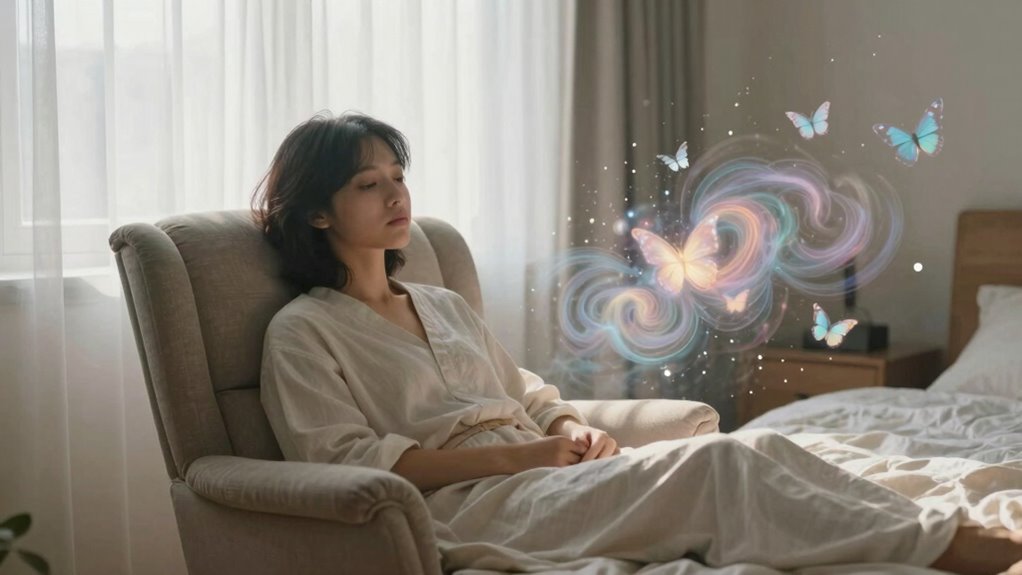
When visual hallucinations happen, recognizing what triggers them can help you stay grounded. Practice calming techniques like deep breathing or grounding exercises to manage your reactions. Staying aware of these strategies makes it easier to remain calm during episodes. Additionally, understanding the importance of vetted information can provide reassurance and guidance during such experiences. Being aware of your visual health and maintaining regular check-ins with healthcare providers can further support your well-being. Incorporating environmental awareness can also help reduce confusion and promote a sense of safety during hallucinations. Engaging in mindfulness practices may help you better cope with hallucinations and reduce their impact on your daily life. Being mindful of sustainable textile care may not directly influence hallucinations but can contribute to a calming environment by promoting clean and environmentally friendly spaces.
Recognize Hallucination Triggers
Visual hallucinations can be unsettling, but understanding what triggers them can help you stay calm. Recognizing these triggers allows you to manage perception distortion and avoid sensory overload. Common triggers include fatigue, bright lights, or sudden movements. Stress or illness can also increase the likelihood of hallucinations. Pay attention to situations that make hallucinations worse, and try to minimize them. Keeping a journal can help identify patterns and specific triggers. Being aware of essential DIY tools and safety tips can also provide a distraction that reduces anxiety during episodes. Incorporating home safety measures can further create a reassuring environment and help you feel more in control during hallucination episodes. Engaging in mental wellness practices and maintaining a routine can also support emotional stability and reduce the frequency of hallucinations.
Practice Calming Techniques
Staying calm during a visual hallucination can be challenging, but practicing specific techniques can help you regain control and reduce anxiety. Start by focusing on mindfulness exercises—pay attention to your surroundings, acknowledge the hallucination without judgment, and remind yourself it’s temporary. Deep breathing techniques also work well; breathe in slowly through your nose, hold for a few seconds, then exhale gently through your mouth. Repeat this process to help lower your heart rate and calm your mind. Grounding yourself by feeling the texture of an object or listening to calming sounds can reinforce your sense of reality. Incorporating smart storage solutions like organized spaces can also help create a calming environment that reduces stress triggers. Regular practice of these calming techniques strengthens your ability to stay composed when hallucinations occur, making them less overwhelming.
Safety Tips for Managing Hallucinations Safely

Managing hallucinations safely is essential to prevent injuries and reduce anxiety. Stay calm by practicing sensory adaptation—focusing on real sensations like touch or sounds to ground yourself. Seek emotional support from trusted friends, family, or mental health professionals to feel more secure during episodes. Keep your environment safe by removing obstacles and installing grab bars if needed. Use the table below to identify helpful strategies:
| Strategy | Description | Benefit |
|---|---|---|
| Sensory adaptation | Focus on real, calming sensations | Reduces hallucination impact |
| Emotional support | Talk to someone you trust | Eases anxiety |
| Safe environment | Remove hazards, add safety features | Prevents injuries |
These tips help you stay safe, promote calmness, and manage hallucinations with confidence.
How to Reduce the Frequency and Intensity of Hallucinations

Implementing strategies to reduce how often and how strongly hallucinations occur can make a significant difference in your daily life. You can try meditation techniques, such as deep breathing or mindfulness exercises, to calm your mind and lessen hallucination intensity. Regular practice helps you stay centered and reduces stress, which can trigger hallucinations. Additionally, environmental adjustments can help minimize their frequency. Keep your space well-lit and free of clutter, and avoid sudden movements or loud noises that may provoke hallucinations. Creating a calm, predictable environment helps your brain feel safer and less likely to produce visual disturbances. Combining these approaches—meditation techniques and environmental adjustments—can empower you to manage hallucinations more effectively, improving your comfort and overall well-being.
When Should You See a Doctor About Visual Hallucinations?
You should see a doctor about visual hallucinations as soon as they begin to interfere with your daily activities or cause you significant distress. Recognizing when professional help is necessary can prevent worsening symptoms and address underlying causes. Seek medical advice if you experience:
See a doctor promptly if visual hallucinations disrupt your daily life or cause distress.
- Sudden onset or increased frequency of hallucinations
- Hallucinations accompanied by confusion or disorientation
- Emotional or psychological impact affecting your mental health
- Difficulties with medication management or side effects
Prompt consultation allows your doctor to evaluate the situation, adjust treatments, and provide support. Addressing hallucinations early can reduce anxiety and improve your overall well-being. Don’t delay if these signs appear—early intervention is key to staying safe and maintaining your quality of life.
Helping Yourself and Loved Ones Manage Hallucinations
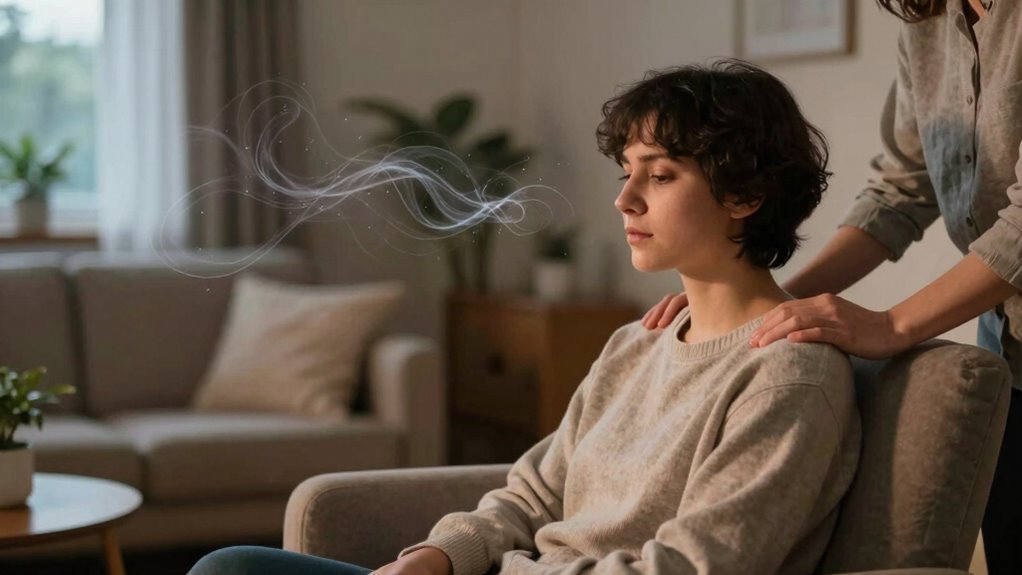
Although hallucinations can be distressing, there are practical steps you and your loved ones can take to manage them effectively. Staying calm and following a routine can help reduce anxiety. Consider exploring medication options with your healthcare provider, as certain treatments may lessen hallucinations. Support groups offer valuable shared experiences and coping strategies, providing emotional relief. Encourage your loved ones to avoid confrontation; instead, gently reassure them that they are safe. Creating a calm environment minimizes triggers. Use the following table to identify helpful strategies:
| Stay Calm | Support & Reassure | Environment Control | Seek Medical Advice |
|---|---|---|---|
| Breathe deeply | Offer reassurance | Reduce clutter | Discuss medication options |
| Remain patient | Listen empathetically | Use soft lighting | Contact professionals if needed |
Resources and Tools for Managing Visual Hallucinations Safely
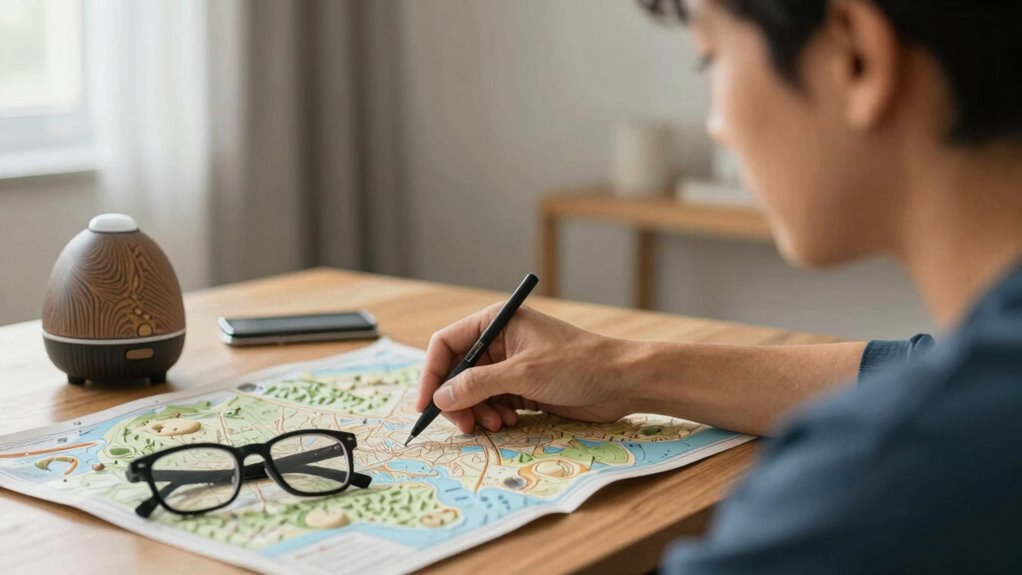
Using the right resources and tools can make managing visual hallucinations safer and more effective. Assistive technology, like specialized glasses or apps, can help you distinguish hallucinations from reality, reducing fear. Emotional support options, such as support groups or counseling, provide comfort and guidance during challenging episodes. Additionally, keeping a hallucination journal helps track patterns and triggers, empowering you to anticipate and manage episodes better. Safety devices like emergency alarms or communication tools can also be lifesavers if you need immediate help. Educating yourself about hallucinations through reputable websites and expert advice increases confidence and safety. Remember, leveraging these resources helps you stay calm, safe, and in control of your experience.
Frequently Asked Questions
Can Visual Hallucinations Indicate a Serious Underlying Health Condition?
Yes, visual hallucinations can indicate serious underlying causes like neurological or psychiatric conditions. You should seek prompt medical advice because diagnostic approaches, including exams and tests, help identify the root issue. Ignoring these symptoms might lead to worsening health. It’s important to stay calm, document your experiences, and consult a healthcare professional who can determine if an underlying health condition needs urgent treatment.
Are There Specific Medications That Can Help Reduce Hallucinations?
Yes, there are specific medication options that can help reduce hallucinations. Your doctor may prescribe antipsychotics or medications tailored to your underlying condition, which serve as effective hallucination treatment. These medications work by balancing brain chemicals and decreasing hallucination intensity. It’s important to follow your healthcare provider’s guidance closely, as medication effectiveness varies, and they can adjust your treatment plan for the best results.
How Can Caregivers Support Someone Experiencing Visual Hallucinations?
Ever wonder how you can best support someone experiencing visual hallucinations? You can use gentle communication strategies, like calmly reassuring them and avoiding confrontation. Providing emotional support helps reduce fear and confusion. Stay patient, listen actively, and create a safe environment. Do you notice what triggers their hallucinations? Understanding and staying calm can make a big difference, helping them feel secure and understood during challenging moments.
Do Visual Hallucinations Affect One Eye or Both?
Visual hallucinations can affect either a single eye or both eyes, depending on the underlying cause. If the hallucinations involve just one eye, it often points to issues within that eye or its nerves. When both eyes are affected, the problem is usually related to the brain or visual processing areas. You should consult a healthcare professional to determine the cause and get appropriate treatment.
Can Lifestyle Changes Help Prevent or Lessen Hallucinations?
Lifestyle changes can indeed help reduce hallucinations. You might find that diet adjustments, like avoiding sugar and caffeine, stabilize your vision. Regular outdoor activities boost overall well-being and reduce stress, which can lessen hallucinations. While there’s no guarantee these strategies work for everyone, maintaining a healthy lifestyle creates a supportive environment for your vision health. It’s worth trying these approaches alongside medical advice to stay calm and safe.
Conclusion
Remember, you’re not alone in facing these visual hallucinations—they can feel overwhelming, but with the right understanding and strategies, you can stay calm and safe. By recognizing what’s happening and seeking support, you’ll transform what feels like a storm into a manageable breeze. Your resilience is stronger than you think, and with patience, you’ll regain control and peace of mind. Stay informed, stay strong, and don’t hesitate to reach out for help—you’re capable of overcoming this.