

Dehydration can develop quickly, especially in vulnerable people like children and the elderly, and its early signs are often missed. Watch for dry mouth, dark urine, dizziness, or lethargy—these can be subtle. Skin turgor and urination habits are quick indicators, but many caregivers overlook these clues until dehydration becomes severe. Staying alert to small changes helps prevent serious complications. To keep your loved ones safe, understanding these signs is essential—discover more how to spot dehydration early.
Key Takeaways
- Early dehydration signs include dry mouth, sticky saliva, and dark urine, which caregivers often overlook or dismiss.
- Reduced urination frequency and delayed skin turgor are subtle indicators that require attentive monitoring.
- Lethargy, dizziness, and irritability can signal dehydration but are sometimes mistaken for other illnesses.
- Dehydration can progress rapidly without obvious symptoms, especially in vulnerable populations like infants and elderly.
- Recognizing these early signs and responding promptly prevents severe dehydration and related health complications.
Why Do Vulnerable People Dehydrate Faster?
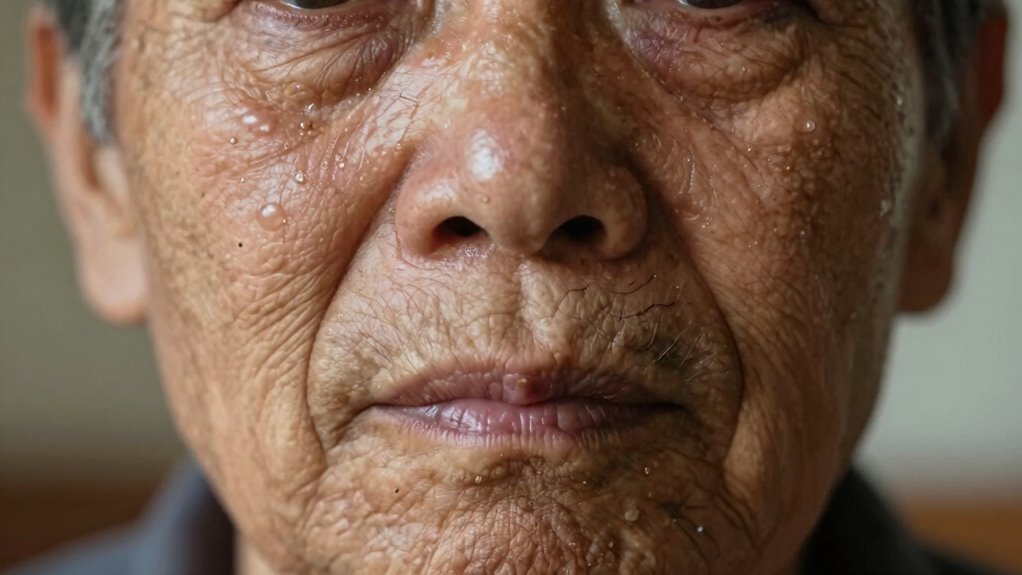
Certain groups of people are more prone to dehydration because their bodies process fluids differently or have less ability to conserve water. For example, infants, elderly individuals, and those with certain health conditions often struggle to maintain proper fluid balance, making them more vulnerable. When dehydration occurs, electrolyte imbalance can develop quickly, disrupting essential functions like nerve signaling and muscle contraction. These individuals may lose fluids more rapidly through sweating, urination, or illness, and their bodies may not effectively replace lost electrolytes. Additionally, their fluid regulation systems are often less efficient, further increasing their risk of rapid dehydration. This reduced efficiency is often linked to impaired kidney function, which hampers the body’s ability to conserve water and electrolytes effectively. As a result, they become dehydrated faster even with minor fluid loss. Recognizing vulnerability factors helps you understand why certain populations need careful monitoring to prevent dehydration from progressing unnoticed. Understanding how fluid balance is maintained in healthy versus vulnerable individuals can aid in early detection and prevention efforts. Moreover, age-related changes can also impact hydration status, making it even more crucial to monitor at-risk groups closely.
Early Signs of Dehydration in Children and the Elderly
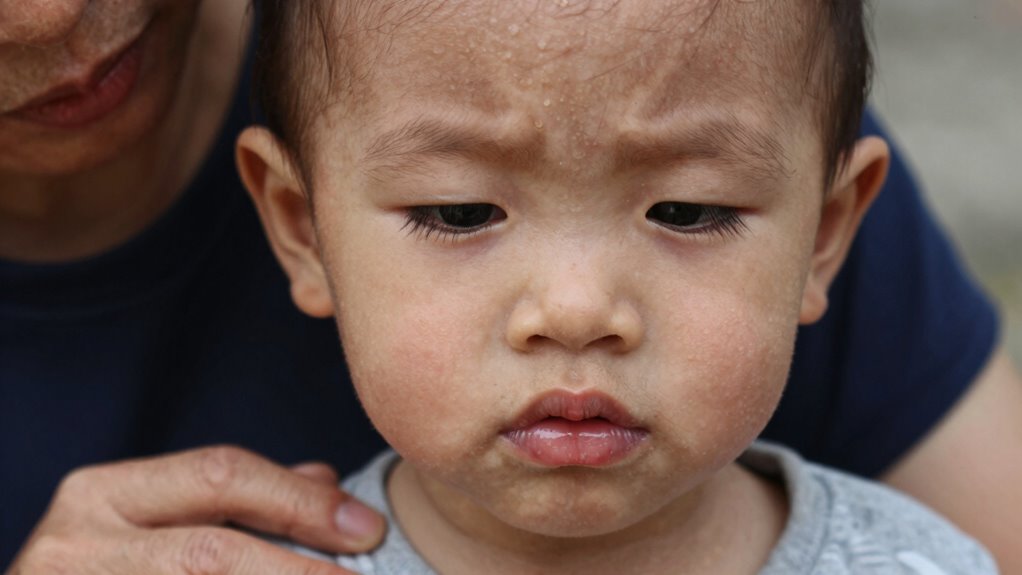
Children and the elderly are especially susceptible to dehydration because their bodies respond differently to fluid loss. Recognizing early signs is crucial to prevent serious issues. Watch for:
- Dry mouth and sticky saliva – indicating disrupted electrolyte balance.
- Dark urine or reduced urination – signs your body needs more hydration therapy.
- Dizziness or lightheadedness – common in dehydration, especially during activity or illness.
- Sunken eyes or lethargy – more severe signs that require immediate attention.
Additionally, Free Floating can contribute to dehydration if not managed properly, emphasizing the importance of early detection. Proper hydration management is essential to prevent dehydration from progressing, especially in vulnerable populations. Monitoring airflow around living spaces can help reduce factors that worsen dehydration symptoms by minimizing environmental stressors. Dehydration symptoms often develop quietly, making early recognition essential for timely intervention. These symptoms often appear before severe dehydration sets in. Early detection allows you to implement hydration therapy promptly, restoring electrolyte balance and preventing complications. Stay vigilant and act quickly when these signs emerge to keep your loved ones safe.
How Dehydration Affects Health and When to Be Worried

Dehydration can critically impact your health by disrupting essential bodily functions, and recognizing when it becomes a serious concern is crucial. When you’re dehydrated, your electrolyte balance becomes imbalanced, leading to symptoms like weakness, confusion, and irregular heartbeat. This imbalance hampers nerve signals and muscle contractions, affecting your daily activities. Additionally, dehydration strains your kidneys, impairing their ability to filter waste efficiently. Microplastics in dust can sometimes contribute to overall health issues, making it even more important to maintain proper hydration. To prevent dehydration, it’s essential to stay aware of toilet usage and hydration levels, especially during hot weather or illness. Drinking enough fluids throughout the day supports your body’s cycle of hydration and helps prevent sudden drops in fluid levels. Proper hydration also supports electrolyte balance, which is vital for nerve and muscle function. Severe dehydration can cause kidney function to decline, increasing the risk of more serious complications like kidney stones or failure. It’s important to monitor signs such as dizziness, rapid heartbeat, or decreased urine output. If these symptoms occur, especially alongside confusion or weakness, seek medical attention promptly. Early intervention can prevent dehydration from causing lasting damage to your health.
What Factors Increase the Risk of Rapid Dehydration?

You’re at higher risk of rapid dehydration if you lose a lot of fluids quickly through sweating, vomiting, or diarrhea. Not drinking enough fluids to replace what you lose also makes dehydration happen faster. Being mindful of these factors helps you recognize and prevent severe dehydration early. Additionally, mammography guidelines play a vital role in maintaining proper fluid levels in the body. Regular hydration and awareness of dehydration signs are essential for effective prevention. Understanding how sound healing science can support relaxation and reduce stress also contributes to overall health and hydration. Maintaining proper bathroom hygiene can also help prevent infections that may contribute to fluid loss.
Increased Fluid Losses
Certain factors can markedly increase the risk of rapid dehydration by accelerating fluid loss from the body. When fluid losses happen quickly, maintaining electrolyte balance becomes harder, increasing dehydration risk. You should watch for these common causes:
- Excessive sweating due to hot weather or vigorous activity
- Diarrhea or vomiting that depletes fluids and electrolytes
- Fever, which raises metabolic rate and fluid loss
- Increased urination from medications or health conditions
- Use of water-resistant clothing or gear that can trap heat and promote sweating
- Inadequate intake of hydration essentials, such as water and electrolytes, especially during illness or hot weather
- Certain medical conditions or medications that can alter fluid balance and increase dehydration risk
To counteract these risks, prioritize effective hydration strategies, including replenishing electrolytes and drinking fluids regularly. Recognizing increased fluid losses early helps prevent rapid dehydration and its complications. Stay attentive to these factors, especially during illness or heat, to keep hydration levels balanced and avoid dehydration sneaking up on you.
Limited Fluid Intake
When fluid intake is insufficient, your risk of rapid dehydration increases, especially during hot weather, illness, or physical activity. Limited fluid consumption disrupts electrolyte balance, which is essential for nerve function and muscle contractions. Without enough fluids, the body struggles to maintain proper hydration levels, leading to symptoms like dizziness, weakness, and confusion. Caregivers should recognize that inadequate intake can quickly worsen dehydration, requiring prompt hydration therapy to restore balance. Encouraging regular drinking, especially of water and electrolyte solutions, helps prevent severe dehydration. Monitoring fluid intake during illness or heat exposure is critical. When dehydration risk rises, quick intervention with hydration therapy supports electrolyte balance and prevents complications, ensuring the body stays properly hydrated and functions correctly. Understanding industry trends can help caregivers stay informed about best practices in hydration management. Additionally, being aware of early dehydration signs enables timely response before symptoms escalate.
How to Monitor Hydration Levels Daily
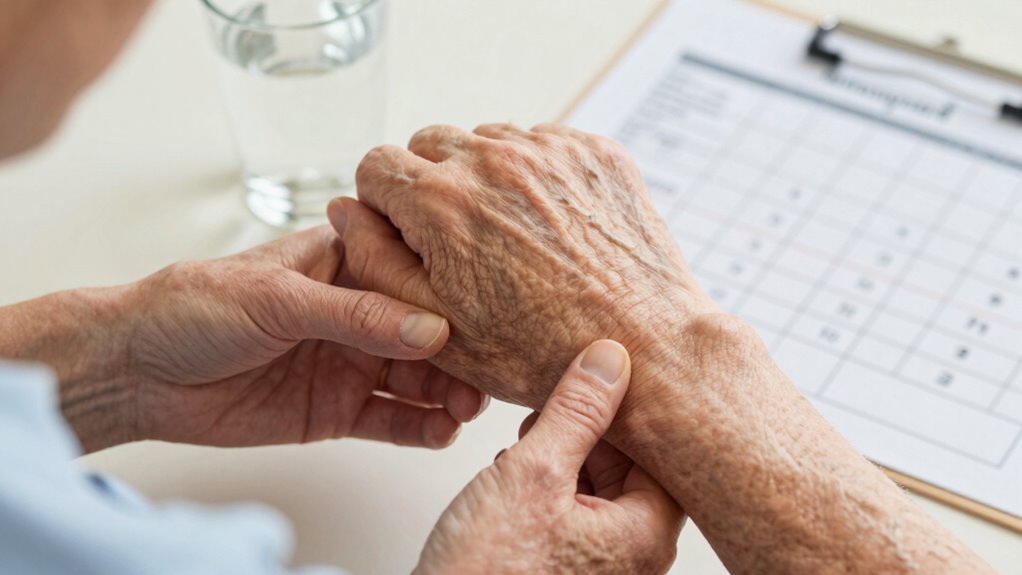
To keep track of your hydration levels daily, start by recording how much fluid you drink each day. Pay attention to your urination patterns—are you urinating regularly and with normal color? Also, check your skin’s turgor by gently pinching a patch of skin to see if it quickly snaps back. Incorporating hydration awareness into your routine can help you notice any early signs of dehydration before they become more serious. Recognizing body signals related to hydration can further support timely intervention. Monitoring fluid intake and understanding how the body responds to dehydration can make a significant difference in maintaining optimal health. Additionally, being aware of proper hydration strategies can guide you in making better choices to prevent dehydration.
Track Fluid Intake Consistently
Tracking your fluid intake daily is essential for maintaining proper hydration. When you monitor intake consistently, you help guarantee electrolyte balance and prevent dehydration. To stay on top of hydration, consider these tips:
- Record every beverage, including water, juice, and caffeinated drinks.
- Use hydration reminders or alarms to prompt regular fluid consumption.
- Measure portion sizes to accurately track fluid amounts.
- Review your logs daily to identify patterns and adjust intake if necessary.
Observe Urination Patterns
Monitoring your urination patterns is a practical way to gauge your hydration status daily. Keep track of your urination frequency—how often you go can reveal if you’re drinking enough fluids. Less frequent urination might indicate dehydration, while very frequent urination could suggest overhydration or other issues. Pay close attention to urine color; clear or light-colored urine typically signals good hydration, while dark yellow or amber urine suggests dehydration. Changes in these patterns can happen quickly, especially in hot weather or during illness. By noting these signs regularly, you can catch dehydration early and adjust your fluid intake accordingly. Staying vigilant about urination patterns helps you maintain ideal hydration and avoid the early signs of dehydration before they become serious.
Monitor Skin Turgor
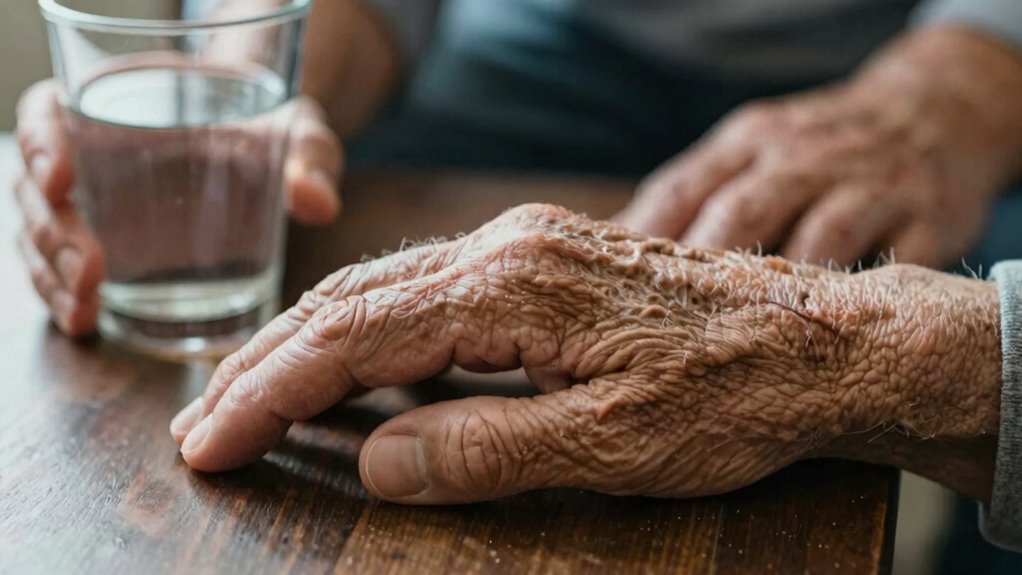
Evaluating your skin turgor is a simple yet effective way to check your hydration levels daily. When you gently pinch the skin, observe how quickly it returns to normal. A loss of skin elasticity indicates dehydration. To monitor moisture level accurately, consider these steps:
- Pinch the skin on the back of your hand or forearm.
- Hold for a few seconds before releasing.
- Watch for how long it takes to flatten back.
- Note if the skin stays elevated or slowly sinks, signaling reduced hydration.
Healthy skin elasticity means proper hydration, while delayed return suggests dehydration. Regularly assessing skin turgor helps you catch early signs of dehydration before other symptoms appear, ensuring you stay properly hydrated and alert to changes in your body’s moisture level.
Simple Ways to Prevent Dehydration
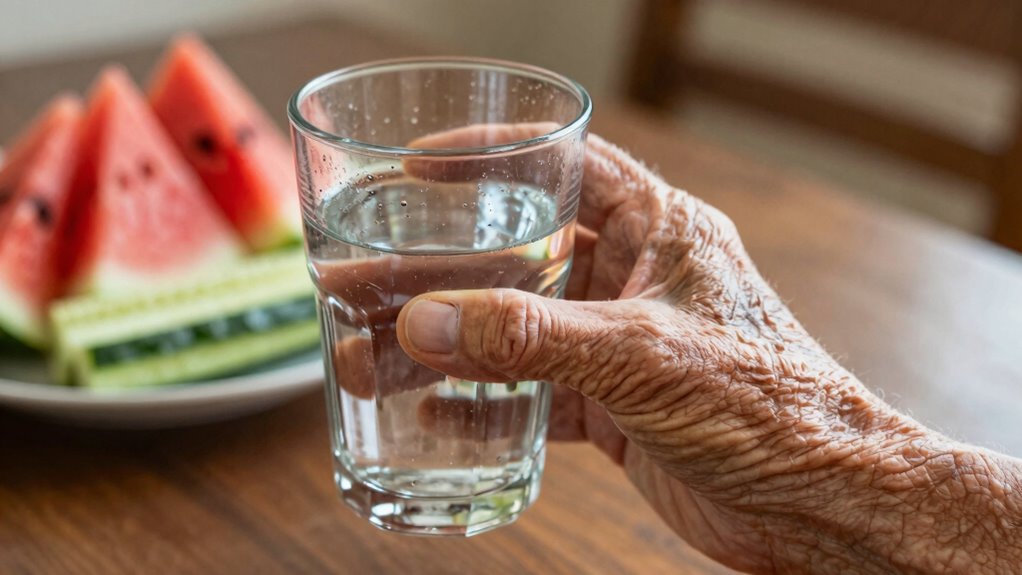
Staying ahead of dehydration is easier when you adopt simple habits that keep your fluid levels balanced. First, don’t fall for hydration myths; drinking when you’re thirsty is usually enough. Be mindful of water quality—clean, safe water is essential to stay properly hydrated. Carry a reusable water bottle and sip regularly throughout the day, especially in hot weather or when active. You can also incorporate hydrating foods like fruits and vegetables into your meals. Limit caffeine and alcohol, which can dehydrate you further. Establish a routine to remind yourself to drink, and avoid waiting until you’re extremely thirsty. These small adjustments help maintain hydration, reducing the risk of dehydration sneaking up unnoticed.
What to Do If You Suspect Someone Is Dehydrated?
If you notice someone showing signs of dehydration, act quickly to help them recover. Your first step should be to implement simple caregiver strategies and promote hydration education. Here’s what you can do:
- Encourage them to sip small amounts of water or an electrolyte solution frequently.
- Keep them in a cool, shaded area to prevent further fluid loss.
- Offer hydrating foods like fruits or broths.
- Monitor their symptoms closely and stay with them until help arrives if needed.
When to Seek Medical Help for Dehydration

Knowing when to seek medical help is vital if dehydration worsens or doesn’t improve despite initial care. If your child shows signs like lethargy, dizziness, or a rapid heartbeat, it’s time to consult a healthcare professional. Dehydration can disturb the electrolyte balance, leading to serious complications if left untreated. Watch for a persistently dry mouth, sunken eyes, or a weak thirst mechanism, which indicates dehydration is worsening. If symptoms escalate, such as confusion, fainting, or inability to keep fluids down, seek emergency care immediately. Prompt medical attention guarantees proper rehydration and restores electrolyte balance. Don’t rely solely on thirst as an indicator—sometimes, the thirst mechanism fails, and dehydration is more severe than it appears. When in doubt, consult a healthcare provider promptly.
Frequently Asked Questions
What Are the Long-Term Health Effects of Dehydration?
If you don’t address dehydration, it can lead to serious long-term health effects. You might experience electrolyte imbalance, which disrupts your body’s functions, or even kidney damage, risking chronic issues. Over time, dehydration weakens your immune system and can cause persistent fatigue. It’s essential to stay hydrated, especially during illness or hot weather, to prevent these complications and protect your overall health.
Can Dehydration Occur During Cold Weather?
While winter dehydration might seem unlikely, cold weather hydration is just as important as in summer. Cold air can dry out your skin and reduce your thirst signals, leading to unnoticed dehydration. Yes, dehydration can occur during cold weather, especially if you neglect to drink enough fluids. To stay well-hydrated, incorporate warm beverages and water-rich foods into your routine, ensuring your body remains balanced despite the chill.
How Does Medication Influence Dehydration Risk?
Medication can increase your dehydration risk through side effects like dry mouth and increased urination. Some drugs cause fluid retention, which may mask dehydration symptoms, making it harder to notice early signs. You should stay vigilant, drink plenty of fluids, and consult your healthcare provider if you notice any unusual symptoms. Being aware of medication side effects helps you prevent dehydration and maintain proper hydration.
Are There Specific Signs of Dehydration in Pets?
Imagine you’re in the 90s with your dial-up internet—quick and unpredictable. That’s how dehydration signs in pets can appear. Look for decreased water intake, dry gums, sunken eyes, lethargy, or dark urine. These are clear indicators of dehydration. Staying vigilant about pet hydration is essential; guarantee they drink enough water daily. If you notice these signs, act fast to prevent serious health issues.
Can Dehydration Symptoms Be Mistaken for Other Illnesses?
Yes, dehydration symptoms can be mistaken for other illnesses because they often overlap with signs of electrolyte imbalance, dizziness, and fatigue. You might notice your pet appearing tired or unsteady, but these signs could also indicate other health issues. It’s important to monitor closely and seek veterinary care promptly, as dehydration can worsen quickly and cause serious complications if left untreated. Always consult a vet for accurate diagnosis and treatment.
Conclusion
Dehydration can sneak up on vulnerable loved ones faster than you think—affecting over 50% of elderly adults during heatwaves. Staying alert to early signs and monitoring hydration daily is essential. By acting quickly and preventing dehydration, you can protect their health and comfort. Remember, timely intervention saves lives. Keep hydration on your radar, because a simple step today can prevent serious health issues tomorrow.