
TL;DR

Turn quiet afternoons into listening time
- Thousands of audiobooks, podcasts and originals
- Listen on your phone, tablet or Echo — also offline
- Cancel anytime
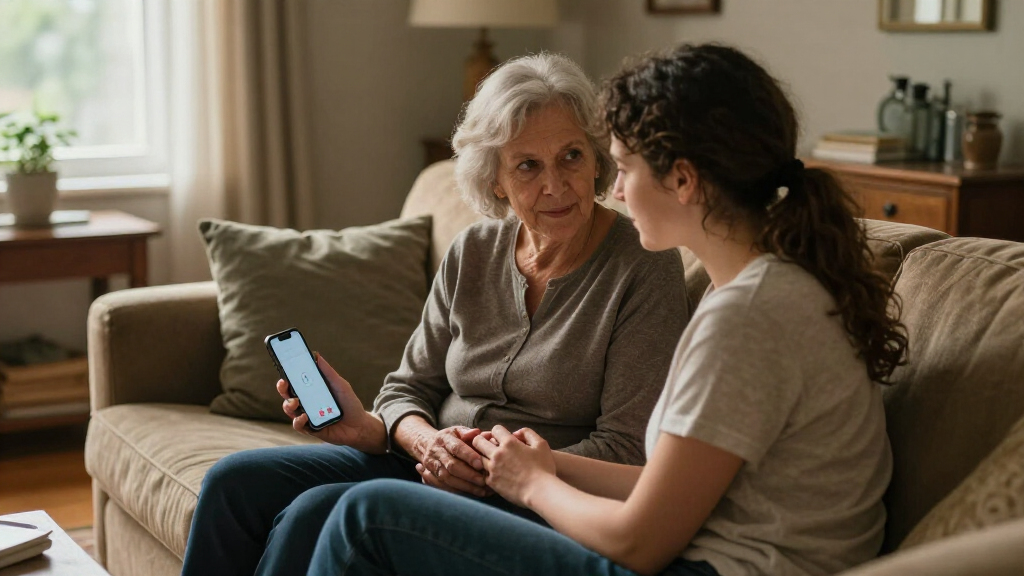
End-of-life doula Jessica Sadler says families should discuss care preferences, decision-makers and important documents before an illness or emergency forces choices. Her Seniors Guide report describes how uncertainty can add emotional, practical and financial strain for loved ones, while noting that these conversations do not require a person to be near death.
End-of-life doula Jessica Sadler is urging adults and their families to discuss medical preferences, decision-making and important documents before an emergency. In a report for Seniors Guide, Sadler says waiting until a serious diagnosis or sudden decline can leave loved ones trying to make consequential choices without knowing what the person would want.
Sadler, who supports families through end-of-life planning, describes meeting relatives during crises such as a stroke, serious fall, unexpected diagnosis or rapid decline. In those moments, she says, grief and confusion can coincide with decisions about care and a person’s future. Families may also be unsure who should make healthcare decisions if someone cannot speak for themselves.
The questions she recommends discussing include whether someone would prefer to stay at home as long as possible, what kinds of medical care they would want in different circumstances, and who they trust to speak for them. Sadler also advises completing advance directives, telling a trusted person where important papers are kept, and discussing personal priorities, family traditions and meaningful possessions—not only legal and financial arrangements.
According to Sadler, a lack of preparation can add practical work after a death, including locating financial records and contacting banks, insurers, government benefit providers and utility companies. She says unresolved paperwork and unspoken preferences may contribute to delays, legal expenses, missed benefits, unpaid bills and family disagreements. The report offers these as risks families may face; it does not provide data quantifying how often they occur.
How Planning Can Ease Family Decisions
The central concern in Sadler’s report is uncertainty for relatives: spouses and adult children may have to make decisions without knowing the person’s preferences, then question whether they acted as that person would have wished. Advance conversations can give families guidance and identify who has been asked to make decisions, although they cannot remove the emotional difficulty of illness, caregiving or bereavement.
Planning can also help families find documents and understand personal priorities while the person can explain them. Sadler argues that this preparation matters even when legal arrangements are not yet complete, because relatives may still have a clearer sense of the person’s wishes. Her report presents early discussion as a way to reduce avoidable confusion, not as a guarantee that families will avoid disagreements, costs or difficult choices.
advance directive and living will organizer kit
As an affiliate, we earn on qualifying purchases.
As an affiliate, we earn on qualifying purchases.
Planning Before a Health Crisis
Sadler’s report addresses a common reason families delay these discussions: the subject can feel uncomfortable. She writes that older adults may fear that talking about death means giving up hope or independence, while adult children may worry about causing anxiety or appearing disrespectful. The article frames the hesitation as something both generations may share while trying to protect one another.
The report distinguishes end-of-life planning from estate paperwork alone. It includes communicating values, care preferences and personal wishes, as well as organizing legal and financial records. Sadler says she prefers to work with healthy aging adults who can express their ideas clearly, and notes that people who support this planning do not necessarily work only with someone close to death.
“This is not the optimal time to make big decisions.”
— Jessica Sadler, end-of-life doula, in the Seniors Guide report
estate planning document organizer with tabs and pockets
As an affiliate, we earn on qualifying purchases.
As an affiliate, we earn on qualifying purchases.
What the Report Does Not Establish
The Seniors Guide article is a practitioner’s account and advice piece, not a study measuring the effects of advance planning. It does not provide statistics on how many families lack plans or quantify the financial or emotional consequences described. Those outcomes are presented as Sadler’s observations and concerns.
The source also does not specify a publication date, jurisdiction or the legal rules that apply to advance directives and healthcare decision-makers. Requirements vary by location, so readers cannot infer from the article which forms or procedures apply to them. It does not assess the suitability of any particular legal, financial or medical arrangement.
medical information and emergency contacts binder
As an affiliate, we earn on qualifying purchases.
As an affiliate, we earn on qualifying purchases.
Steps Families Can Take Now
Sadler recommends beginning with conversations about values and likely care preferences, then choosing a trusted person to make healthcare decisions if needed. Families can also complete the relevant advance-planning documents, organize important records and tell someone close where those records are stored. The report encourages revisiting discussions over time rather than treating planning as a single conversation.
People who want help can consider speaking with an end-of-life doula, whom Sadler describes as providing non-medical education, guidance and emotional support for these discussions. The source does not identify a specific follow-up event or policy change. Any legal documents should be checked against local requirements, and medical choices should be discussed with qualified healthcare professionals.
end-of-life planning workbook for families
As an affiliate, we earn on qualifying purchases.
As an affiliate, we earn on qualifying purchases.
Key Questions
What does Jessica Sadler recommend discussing?
She recommends discussing care preferences, personal values, a trusted healthcare decision-maker and where important documents are stored. She also suggests sharing wishes about traditions, photographs and meaningful possessions.
Does end-of-life planning mean someone is near death?
No. Sadler says these conversations can happen with healthy aging adults who can clearly express their wishes. Her report presents planning as preparation, not evidence that death is imminent.
What is an end-of-life doula, according to the report?
Sadler describes the role as offering non-medical education, guidance and emotional support to help people and families discuss wishes and organize information. The source does not describe doulas as healthcare providers.
Does the report quantify the costs of delaying planning?
No. It describes possible legal expenses, delays, missed benefits and other practical burdens, but gives no statistics or cost estimates for these outcomes.
Source: rss
Halloween Picks
halloween
As an affiliate, we earn on qualifying purchases.